
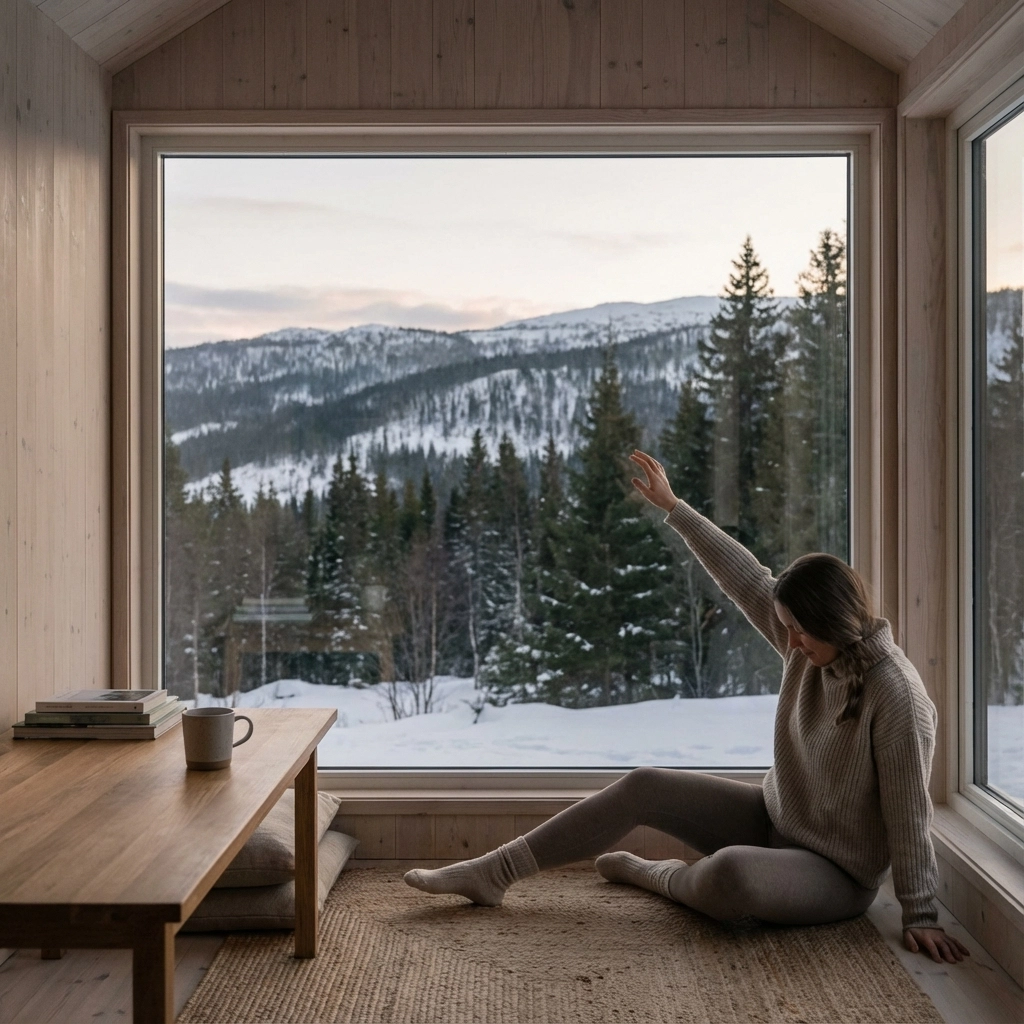
Winter doesn't have to mean hibernation mode. The colder months present unique opportunities to maintain and even increase your activity levels, supporting your energy, mood, and overall health during a time when many people struggle with seasonal fatigue.
At The Fatigue Clinic in Collierville, we consistently see patients who feel more sluggish during winter months. The combination of shorter daylight hours, colder temperatures, and holiday stress can create the perfect storm for decreased movement and increased fatigue. However, strategic winter movement practices can actually boost energy levels and combat seasonal mood changes.
Reduced sunlight exposure during winter months affects your circadian rhythms, leading to decreased energy production at the cellular level. Physical activity helps counteract these effects by increasing circulation, boosting endorphin production, and maintaining healthy sleep patterns.
Research shows that people who maintain consistent exercise routines during winter months report 40% less seasonal mood decline compared to those who become sedentary. The key isn't maintaining summer-level intensity: it's about consistent, manageable movement that works with your winter lifestyle.
Winter exercise also strengthens immune function during peak cold and flu season. Regular moderate activity increases the production of antibodies and white blood cells, providing natural protection against seasonal illnesses that can further drain energy levels.

Your home becomes your best fitness facility during winter months. The beauty of indoor movement is complete weather independence and the ability to exercise in short, convenient bursts throughout your day.
Dance-based movement provides excellent cardiovascular benefits while boosting mood through music and creative expression. Even 15-minute dance sessions can significantly impact daily energy levels. Put on favorite music and move freely: no choreography required.
Bodyweight circuits work effectively in minimal space. Combine squats, lunges, push-ups, and planks in rotating 3-minute intervals. This approach builds strength while maintaining cardiovascular fitness. Morning circuits particularly effective for combating winter sluggishness.
Yoga and stretching routines address both physical stiffness from cold weather and mental tension from seasonal stress. Online platforms offer thousands of free routines ranging from gentle stretching to challenging power yoga sessions.
Cleaning becomes exercise when approached strategically. Vacuuming, mopping, and reorganizing provide natural movement while accomplishing necessary tasks. Thirty minutes of vigorous cleaning burns approximately 120-150 calories while improving your living environment.
Stair climbing represents one of the most effective indoor exercises available. If you have stairs, climbing for 10 minutes provides excellent cardiovascular and lower body strengthening benefits. For those without stairs, step-ups using a sturdy chair or step create similar benefits.
Kitchen-based movement transforms cooking time into activity time. Calf raises while stirring, wall push-ups during waiting periods, and standing hip circles add movement to daily meal preparation routines.
Cold weather doesn't eliminate outdoor exercise options: it simply requires different preparation and approaches. Outdoor winter activity provides vitamin D exposure and fresh air benefits that indoor alternatives cannot match.
Layered clothing systems allow comfortable outdoor walking in most winter conditions. Moisture-wicking base layers, insulating middle layers, and windproof outer shells maintain body temperature while allowing movement flexibility.
Traction devices for shoes make walking safe on icy or snowy surfaces. Yaktrax or similar products cost under $30 and transform dangerous winter sidewalks into manageable walking surfaces.
Shorter, frequent walks often work better than long winter hikes. Three 10-minute walks throughout the day provide similar cardiovascular benefits as one 30-minute session while reducing cold exposure time.

Snow shoveling becomes legitimate exercise when performed correctly. Proper lifting techniques and frequent breaks transform this necessary chore into effective strength training. Fifteen minutes of snow shoveling burns approximately 100-130 calories.
Snowball fights and snow sculpture building provide family-friendly exercise options that don't feel like formal workouts. These activities engage core muscles, improve hand-eye coordination, and provide cardiovascular benefits while creating positive winter memories.
Winter hiking with proper gear opens up trail systems that are often less crowded during colder months. Snowshoes or microspikes allow access to hiking trails while providing excellent lower body and cardiovascular exercise.
Indoor shopping centers provide climate-controlled walking environments with measured distances and safe surfaces. Many malls open early specifically for walker groups, creating social exercise opportunities during isolating winter months.
Mall walking programs often include distance markers and organized group activities. Walking at moderate pace for 30 minutes in a mall burns 120-140 calories while providing social interaction and safe exercise conditions.
Community centers throughout Germantown, Memphis, and Arlington offer winter programming including indoor walking tracks, fitness classes, and swimming pools. These facilities provide equipment access and social motivation often lacking in home-based exercise routines.
Timing becomes crucial for winter exercise success. Morning movement helps establish circadian rhythms disrupted by reduced sunlight exposure. Even 10 minutes of morning activity can significantly impact daily energy patterns.
Post-meal movement particularly important during winter months when heavier comfort foods and indoor lifestyle can impact digestion and energy levels. Short walks after meals improve blood sugar control and prevent post-meal energy crashes.
Evening exercise requires careful timing to avoid sleep disruption. Gentle stretching, yoga, or light indoor activity 2-3 hours before bedtime can improve sleep quality without overstimulation.

Motivation challenges increase significantly during winter months. Setting micro-goals rather than ambitious targets creates sustainable success patterns. Committing to 5-minute daily movement often naturally extends to longer sessions once started.
Light therapy combined with indoor exercise addresses both seasonal mood changes and activity goals simultaneously. Exercise near bright windows or while using light therapy devices maximizes benefits from both interventions.
Social accountability becomes essential during isolating winter months. Exercise buddies, virtual check-ins, or community group participation provide external motivation when internal drive decreases.
No equipment necessary for effective winter exercise routines. Chair-based exercises work for any mobility level and require only standard household furniture. Seated leg extensions, arm circles, and torso twists provide movement options for those with limited mobility or space.
Wall-based exercises utilize vertical space efficiently. Wall push-ups, wall sits, and calf raises require minimal floor space while providing effective strength training benefits.
Bathroom and bedroom exercises can be incorporated into daily routines without dedicated workout time. Squats while brushing teeth, lunges while making bed, and stretches during morning routine integrate movement seamlessly into existing habits.
Consistency matters more than intensity during winter months. Daily 10-minute movement sessions provide greater benefits than sporadic longer workouts. Focus on building sustainable habits rather than achieving peak performance.
Track progress through energy levels and mood rather than only physical metrics. Winter exercise success measured by sustained energy, improved sleep quality, and stable mood rather than weight loss or strength gains.
Flexibility in exercise choices prevents boredom and maintains long-term adherence. Rotate between indoor and outdoor options, vary activity types, and adjust based on weather and energy levels to maintain consistent movement throughout the season.
The team at The Fatigue Clinic understands the unique challenges winter presents for maintaining energy and activity levels. Our comprehensive approach addresses both the physical and lifestyle factors that impact seasonal energy patterns. For personalized strategies supporting your winter wellness goals, contact our Collierville office serving patients throughout the Memphis metropolitan area.
Call (901) 234-5678 to schedule your consultation and discover how targeted movement strategies can transform your winter energy levels.