

IV therapy is booming in Memphis, Germantown, and Collierville – but not all clinics follow the same safety standards. Before you book that hydration or vitamin infusion, protect yourself by knowing these critical warning signs.
Safe clinics use: Licensed registered nurses (RNs), nurse practitioners (NPs), or physicians only
Danger signs: Unlicensed staff, “certified technicians,” or anyone without proper medical credentials inserting IVs
Why it matters: Only licensed medical professionals can recognize complications, handle emergencies, and maintain sterile technique properly.
Safe clinics do: Thorough intake with medical history, current medications, allergies, and vital signs check
Danger signs: Quick questionnaire only, no nurse assessment, or “anyone can get an IV” mentality
Bottom line: Reputable Germantown and Memphis IV clinics always screen for contraindications before treatment.
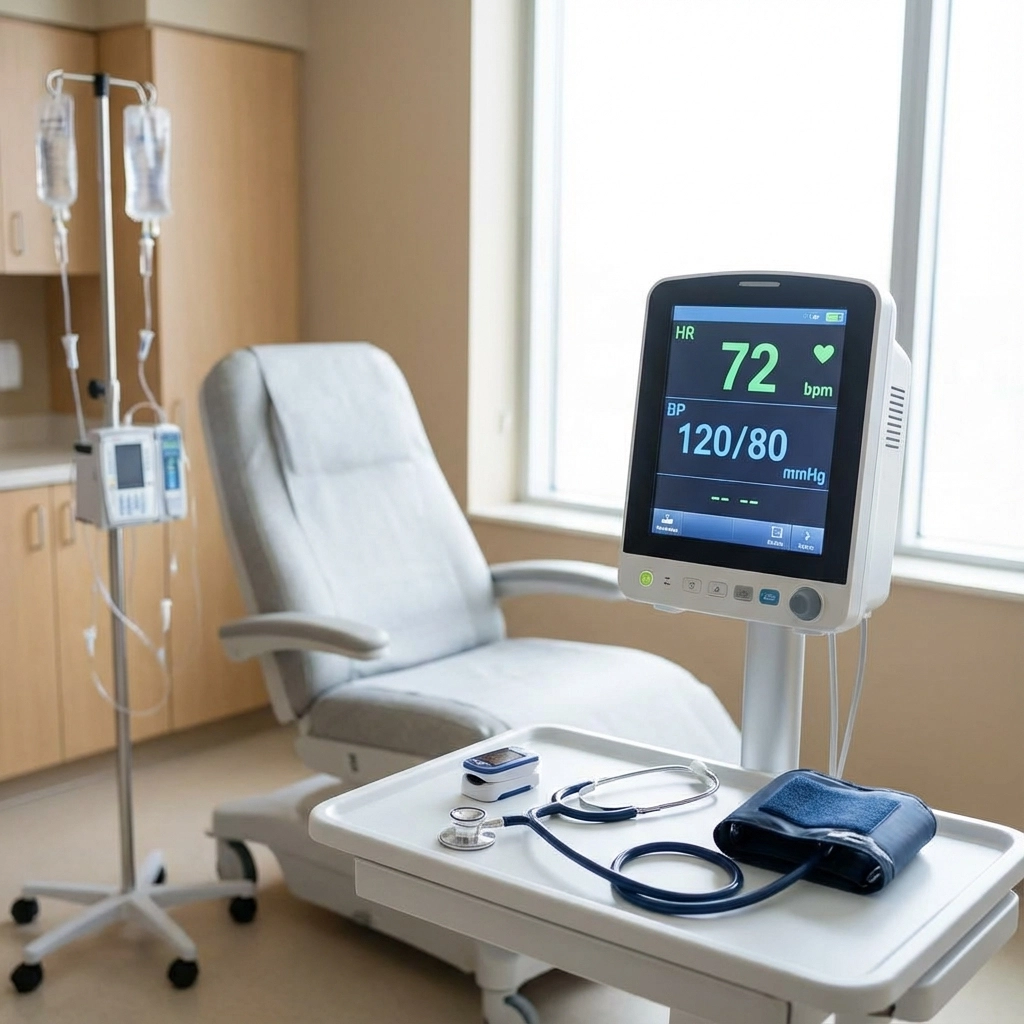
Safe clinics provide: Continuous monitoring of blood pressure, heart rate, and patient response throughout infusion
Danger signs: Staff disappears after IV insertion, no vital sign checks, or “just relax and we’ll check back later”
Critical point: Adverse reactions can happen quickly – proper monitoring saves lives.
Safe clinics have: Two-person verification system, clearly labeled bags, detailed ingredient lists available
Danger signs: Pre-mixed bags with no labels, staff can’t explain contents, or “trust us, it’s good for you”
Your right: Always ask exactly what vitamins, minerals, or medications you’re receiving.
Safe clinics maintain: Emergency medications, oxygen, defibrillator, CPR-certified staff, clear emergency procedures
Danger signs: No emergency equipment visible, staff unsure about emergency protocols, no crash cart
Memphis-area standard: Legitimate IV therapy clinics prepare for the worst-case scenario.
Safe clinics follow: Strict aseptic technique, single-use equipment, sterile environment, proper hand hygiene
Danger signs: Reused tubing, unclean surfaces, staff not washing hands, casual sterile technique
Infection risk: Poor sterilization can lead to serious bloodstream infections requiring hospitalization.
Safe clinics stick to: Standard hydration, vitamin C, B-complex, magnesium, zinc – proven, safe formulations
Danger signs: “Proprietary blends,” experimental treatments, promises to cure diseases, unapproved medications
Collierville patients beware: If it sounds too good to be true, it probably is.
About Staff:
About Safety:
About Treatment:
Proper clinics in Germantown, Collierville, and surrounding areas:
Before booking anywhere in Memphis:
Red flag locations to avoid:
Stop treatment immediately if you experience:
Don’t hesitate to speak up – legitimate clinics want you to report any concerns immediately.
Safe IV therapy exists – but only when administered by qualified medical professionals following proper protocols. Don’t gamble with your health for convenience or lower prices.
Your safety checklist:
✓ Licensed medical staff only
✓ Proper screening and monitoring
✓ Clean, medical-grade facility
✓ Emergency preparedness
✓ Transparent about ingredients
✓ Follows infection control protocols
✓ No unrealistic health claims
Trust your instincts – if something feels off about an IV clinic in Collierville, Germantown, or Memphis, find a different provider. Your health is worth the extra effort to find truly safe treatment.
For comprehensive health evaluations and medically-supervised treatments in the Collierville area, visit The Fatigue Clinic. Our licensed medical team prioritizes your safety above all else.