
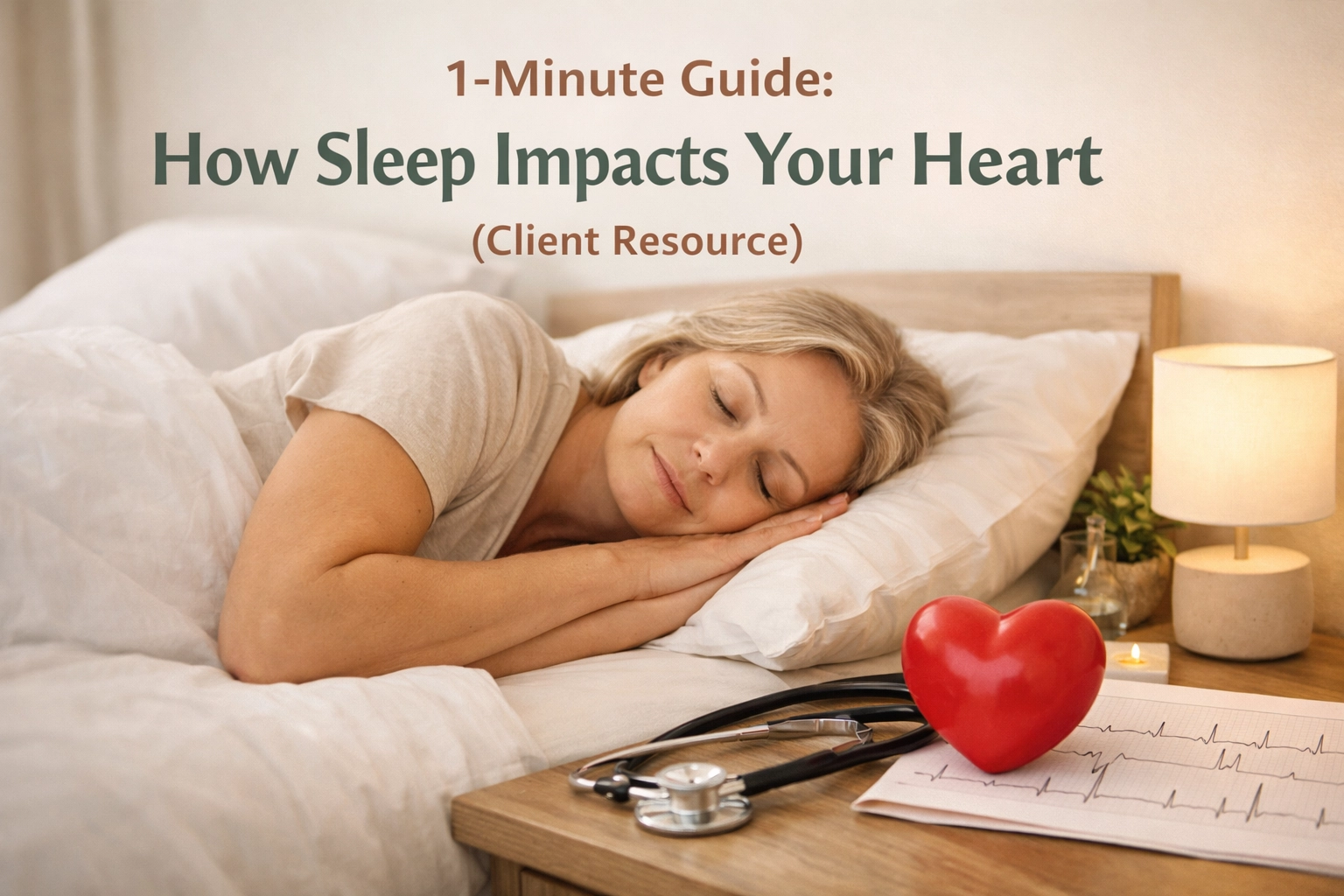

If you're not sleeping well, your heart is paying the price. Here's what Memphis-area patients need to know about the sleep-cardiovascular connection.
Insomnia increases your heart attack risk by 69%. People sleeping less than 5 hours per night have 1.56 times the risk of developing heart disease compared to those getting 7-8 hours.[1][2]
• Blood pressure stays elevated – Your cardiovascular system never gets the nightly recovery period it needs[3]
• Inflammation spikes – Chronic sleep deprivation raises cortisol and inflammatory markers that damage blood vessels[2][3]
• Plaque builds up faster – Short sleep duration accelerates atherosclerosis (arterial plaque buildup)[1]
• Heart rhythm problems – Poor sleep triggers stress hormones that can cause arrhythmias[1]
Get screened. If you're sleeping poorly and haven't had recent cardiac imaging, start with a Cardiac Calcium Score – it's the gold standard for detecting early plaque formation before symptoms appear.
We're offering this advanced screening for just $75 at The Fatigue Clinic in Collierville (serving Germantown, Memphis, and Arlington).
Aim for 7-9 hours of quality sleep nightly. If you're struggling with insomnia or wake frequently, that's a functional medicine issue we address daily.
Poor sleep isn't just exhausting – it's a cardiac risk factor. Call 901-221-8621 to schedule your Cardiac Calcium Score or discuss comprehensive sleep optimization strategies.
Your heart recovery happens at night. Make sure it's actually getting the chance.