Author: TWD_Coding

  • Winter Movement Made Easy: Simple Ways to Stay Active All Season

    Winter Movement Made Easy: Simple Ways to Stay Active All Season

    Winter doesn't have to mean hibernation mode. The colder months present unique opportunities to maintain and even increase your activity levels, supporting your energy, mood, and overall health during a time when many people struggle with seasonal fatigue.

    At The Fatigue Clinic in Collierville, we consistently see patients who feel more sluggish during winter months. The combination of shorter daylight hours, colder temperatures, and holiday stress can create the perfect storm for decreased movement and increased fatigue. However, strategic winter movement practices can actually boost energy levels and combat seasonal mood changes.

    Why Winter Movement Matters More Than Ever

    Reduced sunlight exposure during winter months affects your circadian rhythms, leading to decreased energy production at the cellular level. Physical activity helps counteract these effects by increasing circulation, boosting endorphin production, and maintaining healthy sleep patterns.

    Research shows that people who maintain consistent exercise routines during winter months report 40% less seasonal mood decline compared to those who become sedentary. The key isn't maintaining summer-level intensity: it's about consistent, manageable movement that works with your winter lifestyle.

    Winter exercise also strengthens immune function during peak cold and flu season. Regular moderate activity increases the production of antibodies and white blood cells, providing natural protection against seasonal illnesses that can further drain energy levels.

    image_1

    Indoor Movement Solutions That Actually Work

    Your home becomes your best fitness facility during winter months. The beauty of indoor movement is complete weather independence and the ability to exercise in short, convenient bursts throughout your day.

    Living Room Workouts

    Dance-based movement provides excellent cardiovascular benefits while boosting mood through music and creative expression. Even 15-minute dance sessions can significantly impact daily energy levels. Put on favorite music and move freely: no choreography required.

    Bodyweight circuits work effectively in minimal space. Combine squats, lunges, push-ups, and planks in rotating 3-minute intervals. This approach builds strength while maintaining cardiovascular fitness. Morning circuits particularly effective for combating winter sluggishness.

    Yoga and stretching routines address both physical stiffness from cold weather and mental tension from seasonal stress. Online platforms offer thousands of free routines ranging from gentle stretching to challenging power yoga sessions.

    Household Activity Integration

    Cleaning becomes exercise when approached strategically. Vacuuming, mopping, and reorganizing provide natural movement while accomplishing necessary tasks. Thirty minutes of vigorous cleaning burns approximately 120-150 calories while improving your living environment.

    Stair climbing represents one of the most effective indoor exercises available. If you have stairs, climbing for 10 minutes provides excellent cardiovascular and lower body strengthening benefits. For those without stairs, step-ups using a sturdy chair or step create similar benefits.

    Kitchen-based movement transforms cooking time into activity time. Calf raises while stirring, wall push-ups during waiting periods, and standing hip circles add movement to daily meal preparation routines.

    Smart Outdoor Winter Strategies

    Cold weather doesn't eliminate outdoor exercise options: it simply requires different preparation and approaches. Outdoor winter activity provides vitamin D exposure and fresh air benefits that indoor alternatives cannot match.

    Walking and Hiking Modifications

    Layered clothing systems allow comfortable outdoor walking in most winter conditions. Moisture-wicking base layers, insulating middle layers, and windproof outer shells maintain body temperature while allowing movement flexibility.

    Traction devices for shoes make walking safe on icy or snowy surfaces. Yaktrax or similar products cost under $30 and transform dangerous winter sidewalks into manageable walking surfaces.

    Shorter, frequent walks often work better than long winter hikes. Three 10-minute walks throughout the day provide similar cardiovascular benefits as one 30-minute session while reducing cold exposure time.

    image_2

    Snow-Based Activities

    Snow shoveling becomes legitimate exercise when performed correctly. Proper lifting techniques and frequent breaks transform this necessary chore into effective strength training. Fifteen minutes of snow shoveling burns approximately 100-130 calories.

    Snowball fights and snow sculpture building provide family-friendly exercise options that don't feel like formal workouts. These activities engage core muscles, improve hand-eye coordination, and provide cardiovascular benefits while creating positive winter memories.

    Winter hiking with proper gear opens up trail systems that are often less crowded during colder months. Snowshoes or microspikes allow access to hiking trails while providing excellent lower body and cardiovascular exercise.

    Mall Walking and Community Resources

    Indoor shopping centers provide climate-controlled walking environments with measured distances and safe surfaces. Many malls open early specifically for walker groups, creating social exercise opportunities during isolating winter months.

    Mall walking programs often include distance markers and organized group activities. Walking at moderate pace for 30 minutes in a mall burns 120-140 calories while providing social interaction and safe exercise conditions.

    Community centers throughout Germantown, Memphis, and Arlington offer winter programming including indoor walking tracks, fitness classes, and swimming pools. These facilities provide equipment access and social motivation often lacking in home-based exercise routines.

    Energy Management for Winter Movement

    Timing becomes crucial for winter exercise success. Morning movement helps establish circadian rhythms disrupted by reduced sunlight exposure. Even 10 minutes of morning activity can significantly impact daily energy patterns.

    Post-meal movement particularly important during winter months when heavier comfort foods and indoor lifestyle can impact digestion and energy levels. Short walks after meals improve blood sugar control and prevent post-meal energy crashes.

    Evening exercise requires careful timing to avoid sleep disruption. Gentle stretching, yoga, or light indoor activity 2-3 hours before bedtime can improve sleep quality without overstimulation.

    image_3

    Overcoming Winter Exercise Barriers

    Motivation challenges increase significantly during winter months. Setting micro-goals rather than ambitious targets creates sustainable success patterns. Committing to 5-minute daily movement often naturally extends to longer sessions once started.

    Light therapy combined with indoor exercise addresses both seasonal mood changes and activity goals simultaneously. Exercise near bright windows or while using light therapy devices maximizes benefits from both interventions.

    Social accountability becomes essential during isolating winter months. Exercise buddies, virtual check-ins, or community group participation provide external motivation when internal drive decreases.

    Equipment-Free Solutions for Every Space

    No equipment necessary for effective winter exercise routines. Chair-based exercises work for any mobility level and require only standard household furniture. Seated leg extensions, arm circles, and torso twists provide movement options for those with limited mobility or space.

    Wall-based exercises utilize vertical space efficiently. Wall push-ups, wall sits, and calf raises require minimal floor space while providing effective strength training benefits.

    Bathroom and bedroom exercises can be incorporated into daily routines without dedicated workout time. Squats while brushing teeth, lunges while making bed, and stretches during morning routine integrate movement seamlessly into existing habits.

    Building Sustainable Winter Habits

    Consistency matters more than intensity during winter months. Daily 10-minute movement sessions provide greater benefits than sporadic longer workouts. Focus on building sustainable habits rather than achieving peak performance.

    Track progress through energy levels and mood rather than only physical metrics. Winter exercise success measured by sustained energy, improved sleep quality, and stable mood rather than weight loss or strength gains.

    Flexibility in exercise choices prevents boredom and maintains long-term adherence. Rotate between indoor and outdoor options, vary activity types, and adjust based on weather and energy levels to maintain consistent movement throughout the season.

    The team at The Fatigue Clinic understands the unique challenges winter presents for maintaining energy and activity levels. Our comprehensive approach addresses both the physical and lifestyle factors that impact seasonal energy patterns. For personalized strategies supporting your winter wellness goals, contact our Collierville office serving patients throughout the Memphis metropolitan area.

    Call (901) 234-5678 to schedule your consultation and discover how targeted movement strategies can transform your winter energy levels.

  • Nutrition in 2026: Quick Facts for a Healthier You

    Nutrition in 2026: Quick Facts for a Healthier You

    2026 brings a refreshing shift in nutrition thinking. Gone are the days of extreme diets and impossible food rules. Instead, this year focuses on practical wellness approaches that actually fit into real life. At The Fatigue Clinic in Collierville, we're seeing patients across Germantown, Memphis, and Arlington embrace these evidence-based nutrition trends that support energy, reduce fatigue, and improve overall health.

    The Foundation: Whole Foods First

    Real food beats processed food every time. The 2026 approach prioritizes recognizable ingredients and shorter ingredient lists over complicated supplements or meal replacements. This means choosing an apple over apple-flavored snacks, or selecting chicken breast over chicken nuggets.

    Key whole food swaps for 2026:
    • Replace boxed cereals with overnight oats topped with berries
    • Choose whole grain bread instead of white bread
    • Select plain yogurt with added fruit over flavored varieties
    • Pick nuts and seeds over processed snack mixes
    • Use olive oil and herbs instead of bottled dressings

    The science backs this up. Whole foods provide complex nutrient profiles that work synergistically in your body. Processing strips away many of these beneficial compounds, leaving you with empty calories that contribute to fatigue rather than sustained energy.

    image_1

    Hydration: Beyond Basic Water

    Proper hydration directly impacts energy levels. Dehydration causes fatigue, brain fog, and decreased physical performance. But 2026 hydration goes beyond just drinking eight glasses of water daily.

    Smart hydration strategies include:
    Morning hydration ritual: Start each day with 16-20 ounces of water before coffee
    Electrolyte balance: Add a pinch of sea salt to water after exercise or sweating
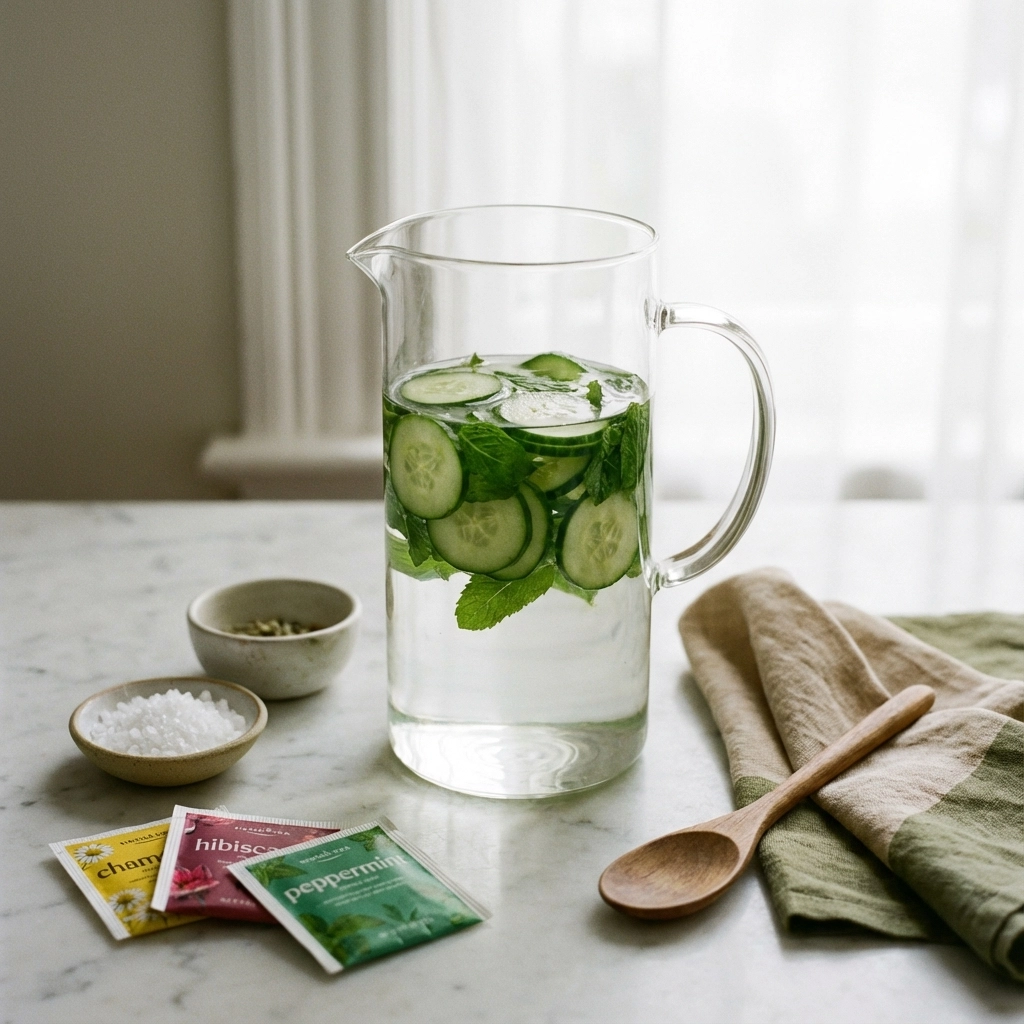
    Herbal teas count: Green tea, chamomile, and peppermint contribute to daily fluid intake
    Water-rich foods: Cucumbers, watermelon, and soups boost hydration naturally
    Temperature matters: Room temperature water absorbs faster than ice-cold water

    Track your intake simply. Use a large water bottle and aim to refill it 2-3 times daily. Your urine should be pale yellow throughout the day: dark yellow indicates dehydration.

    Fiber: The New Powerhouse Nutrient

    Fiber has emerged as the most important nutrient for 2026. Unlike protein trends that come and go, fiber consistently supports digestive health, stable blood sugar, and sustained energy levels. Most Americans get only half the recommended daily amount.

    Easy ways to boost fiber intake:
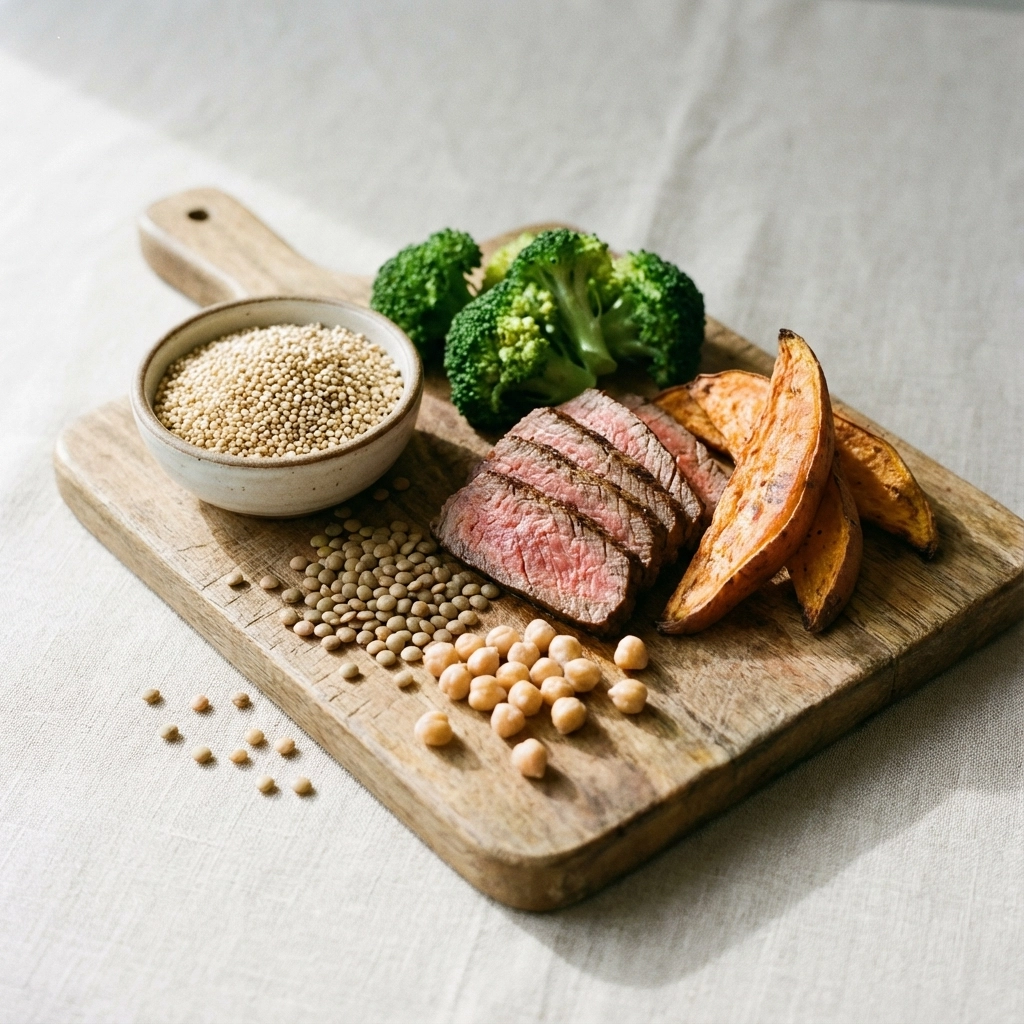
    Add ground flaxseed to smoothies, yogurt, or oatmeal (2 tablespoons = 4 grams fiber)
    Choose beans and legumes as protein sources twice weekly
    Keep fruit peels on when possible: apple peels contain more fiber than the flesh
    Select whole grain pasta over regular versions
    Snack on raw vegetables with hummus or nut butter

    Start slowly to avoid digestive discomfort. Increase fiber by 5 grams weekly until reaching the goal of 25-35 grams daily. Always pair fiber increases with additional water intake.

    image_2

    Gut Health: Your Second Brain

    Your gut microbiome directly influences energy, mood, and immune function. The 2026 approach focuses on feeding beneficial bacteria through diverse, fiber-rich foods rather than relying solely on expensive probiotic supplements.

    Gut-supporting food choices:
    Fermented foods: Sauerkraut, kimchi, kefir, and plain yogurt with live cultures
    Prebiotic foods: Garlic, onions, asparagus, and artichokes feed good bacteria
    Diverse plant foods: Aim for 30 different plant foods weekly for optimal microbiome diversity
    Bone broth: Provides glycine and other amino acids that support intestinal lining
    Anti-inflammatory spices: Turmeric, ginger, and cinnamon reduce gut inflammation

    Limit gut disruptors. Ultra-processed foods, artificial sweeteners, and excessive alcohol can negatively impact gut bacteria balance. This doesn't mean complete avoidance, but mindful moderation.

    Easy Meal Boosters That Actually Work

    Small additions create big nutritional improvements. Rather than overhauling entire meals, strategic additions boost nutrient density without complicated meal planning.

    Simple meal enhancement strategies:
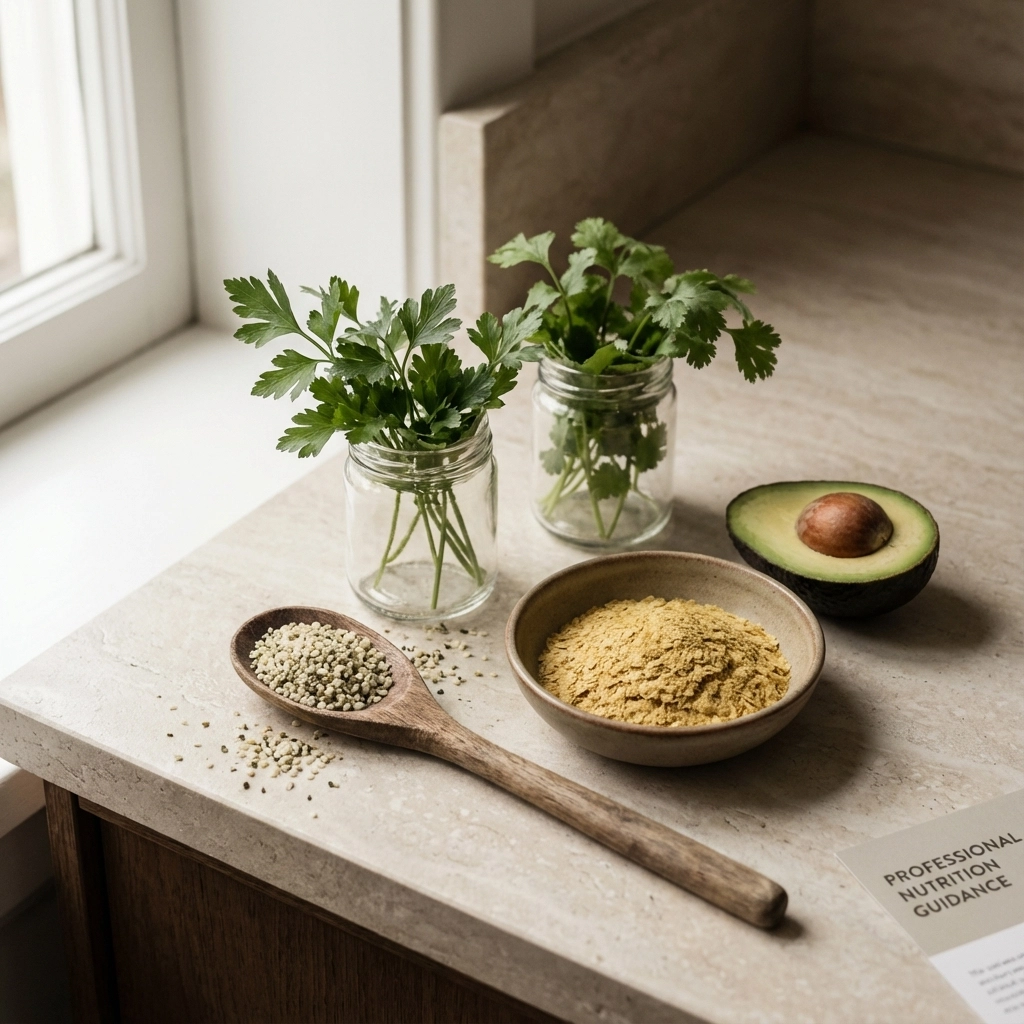
    Sprinkle hemp hearts on salads or soups for protein and omega-3 fatty acids
    Add spinach to smoothies: you won't taste it, but you'll get folate and iron
    Use nutritional yeast for B-vitamins and cheesy flavor without dairy
    Include avocado in sandwiches or eggs for healthy fats and fiber
    Top dishes with herbs: Fresh parsley, cilantro, or basil add antioxidants and flavor

    Prep these boosters in advance. Wash and chop fresh herbs on Sunday. Store hemp hearts and nutritional yeast in easily accessible containers. Keep frozen spinach available for smoothies.

    image_3

    Limiting Ultra-Processed Foods Without Deprivation

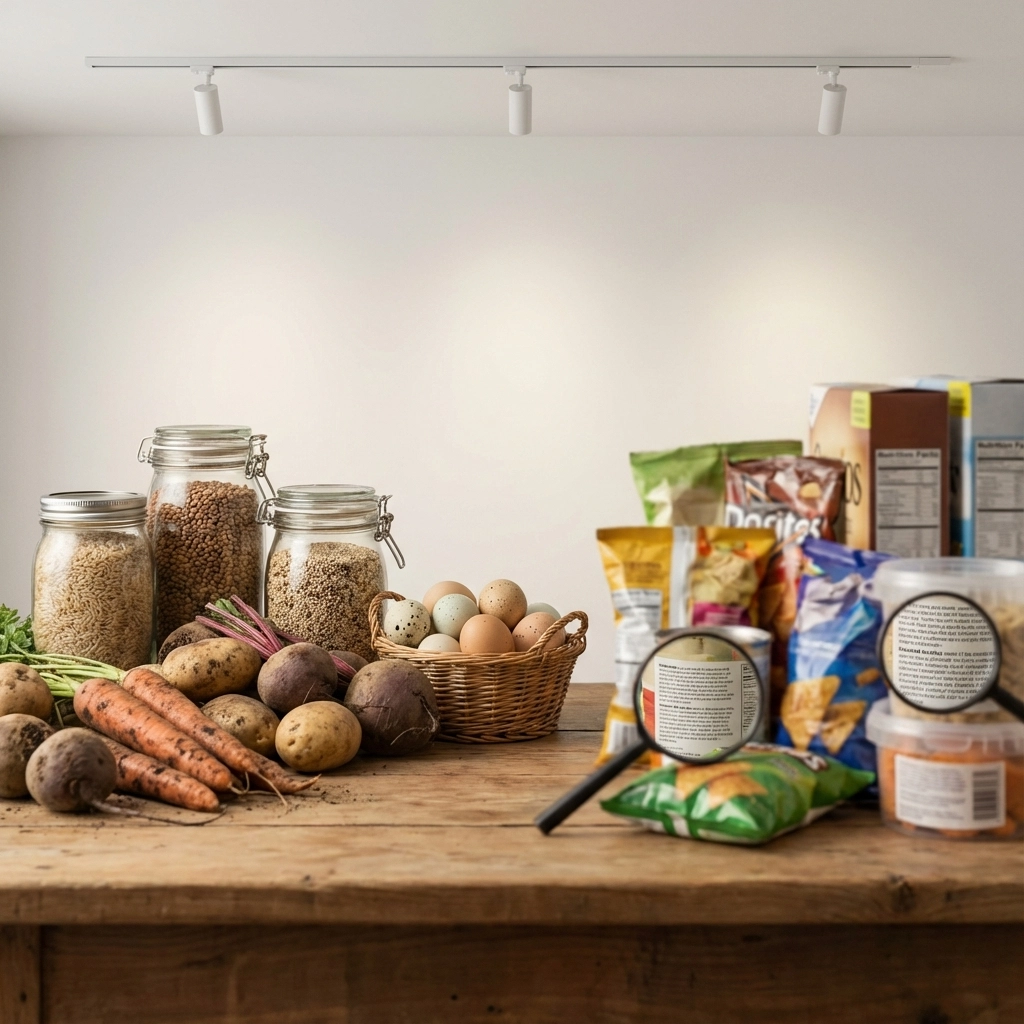
    Ultra-processed foods undergo multiple industrial processes and typically contain ingredients you wouldn't use at home: preservatives, artificial flavors, and stabilizers. These foods often contribute to fatigue and inflammation.

    Practical reduction strategies:
    Read ingredient lists: If you can't pronounce it or wouldn't cook with it, consider alternatives
    Apply the 80/20 rule: Make 80% of food choices whole or minimally processed
    Find satisfying swaps: Dark chocolate instead of candy bars, baked sweet potato chips instead of regular chips
    Plan for convenience: Keep nuts, fruit, and yogurt available for quick meals
    Cook in batches: Prepare larger quantities of homemade meals to reduce reliance on packaged foods

    Focus on addition, not restriction. Instead of eliminating favorite foods completely, crowd them out with nutrient-dense options. This approach feels sustainable rather than punitive.

    One Healthy Swap Strategy

    Sustainable change happens gradually. The 2026 approach emphasizes one meaningful swap monthly rather than dramatic diet overhauls that typically fail within weeks.

    Monthly swap progression:
    January: Replace one sugary drink daily with herbal tea or sparkling water with lemon
    February: Choose whole grain bread for all sandwiches and toast
    March: Add one serving of vegetables to lunch and dinner
    April: Replace afternoon processed snacks with nuts, fruit, or yogurt
    May: Cook one additional meal at home weekly instead of ordering takeout

    Track these swaps simply. Use your phone's notes app or a simple calendar check-mark system. Success builds momentum for the next healthy change.

    image_4

    Immune Support Through Nutrition

    Your immune system requires consistent nutritional support, especially during winter months and stressful periods. Rather than mega-dosing individual supplements, focus on immune-supporting food patterns.

    Key immune-supporting nutrients and food sources:
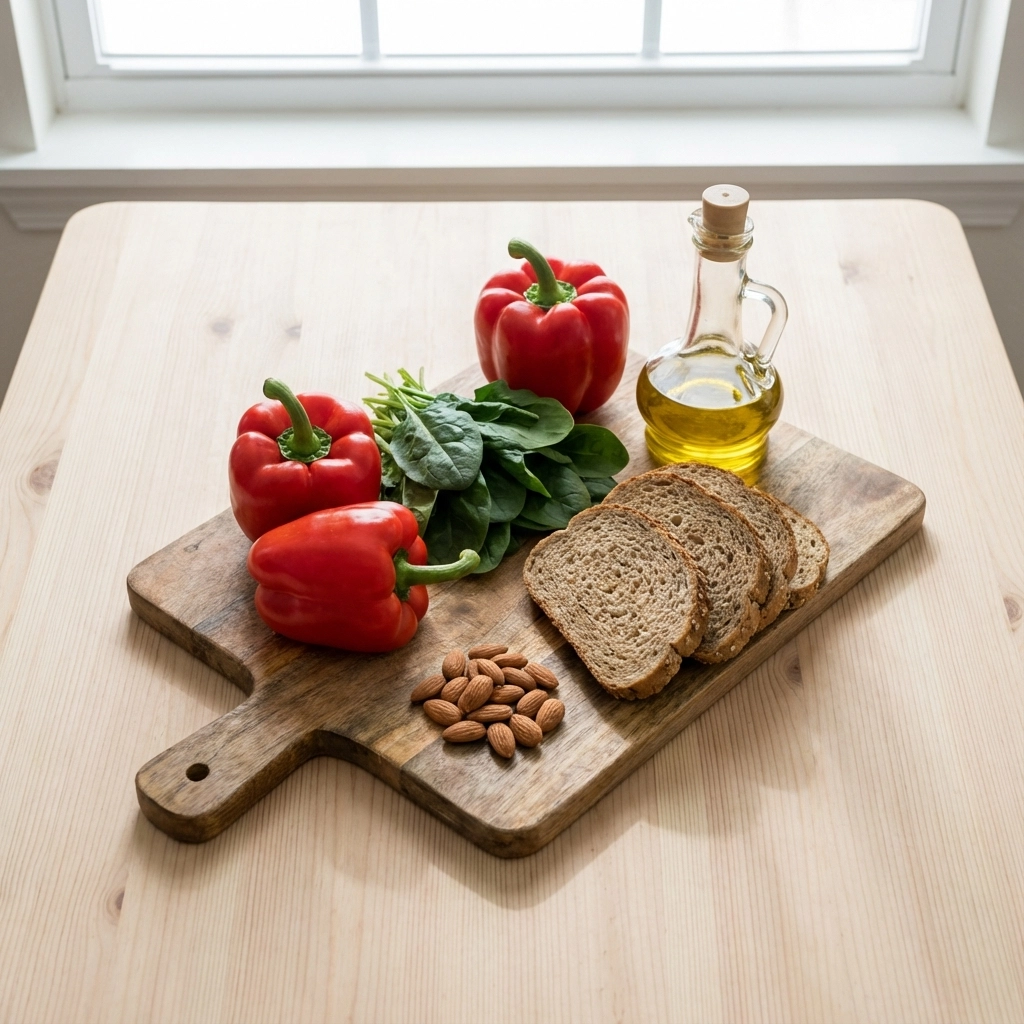
    Vitamin C: Bell peppers, citrus fruits, strawberries, and broccoli
    Zinc: Oysters, beef, pumpkin seeds, and chickpeas
    Vitamin D: Fatty fish, egg yolks, and fortified foods (supplement often needed)
    Selenium: Brazil nuts (just 2-3 daily), tuna, and sunflower seeds
    Antioxidants: Colorful fruits and vegetables provide diverse protective compounds

    Sleep and stress management matter equally. Chronic stress and inadequate sleep undermine immune function regardless of perfect nutrition. Aim for 7-9 hours of sleep nightly and practice stress-reduction techniques.

    Practical Implementation for Busy Lives

    Nutrition advice only works if it fits your actual lifestyle. For patients in Germantown, Memphis, and Arlington juggling work, family, and health challenges, simplicity is essential.

    Time-saving nutrition strategies:
    Batch cook on weekends: Prepare grains, proteins, and vegetables in larger quantities
    Use frozen vegetables: Nutritionally equivalent to fresh and more convenient
    Keep emergency meals available: Canned beans, whole grain pasta, and jarred marinara create quick, nutritious dinners
    Prep snacks weekly: Portion nuts, cut vegetables, and prepare hard-boiled eggs
    Invest in good storage containers: Glass containers keep food fresh longer and reduce plastic exposure

    Start with your current favorites. Instead of completely changing what you eat, upgrade the quality of foods you already enjoy. Choose organic versions, select whole grain options, or add vegetables to existing recipes.

    Making It Sustainable

    The best nutrition plan is the one you can maintain long-term. Perfectionism leads to burnout, while consistency creates lasting health improvements. The 2026 approach emphasizes progress over perfection.

    Sustainability principles:
    Plan for imperfection: Include flexibility for social meals, travel, and busy periods
    Focus on how food makes you feel: Notice energy levels, sleep quality, and mood changes
    Get support when needed: Work with qualified practitioners for personalized guidance
    Celebrate small wins: Acknowledge every positive change, no matter how minor

    At The Fatigue Clinic, we understand that nutrition impacts energy levels significantly. If you're struggling with persistent fatigue despite dietary changes, comprehensive evaluation may reveal underlying factors affecting your health. Contact our Collierville office to explore functional medicine approaches that address root causes of fatigue and support optimal nutrition utilization.

    Remember: Nutrition is just one piece of the wellness puzzle. Quality sleep, stress management, physical activity, and social connections all contribute to feeling your best. Use these 2026 nutrition strategies as a foundation for broader health improvements that truly enhance your quality of life.

  • Untitled post 916

    Winter weather doesn't have to derail your movement goals. For residents in Collierville, Germantown, Memphis, and Arlington, staying active during colder months is crucial for maintaining energy levels and supporting overall health. The shorter days and chilly temperatures often lead to decreased physical activity, which can worsen fatigue and lower mood.

    Movement during winter months offers unique advantages that many people overlook. Your body works harder in cold conditions, burning more calories and strengthening your cardiovascular system. Regular winter activity also combats seasonal depression and maintains the momentum needed for long-term health goals.

    Why Winter Movement Matters for Energy

    Cold weather exercise provides immediate and lasting energy benefits. When you move your body in cooler temperatures, several physiological processes work in your favor:

    Increased calorie burn – Your body expends more energy maintaining core temperature
    Enhanced circulation – Cold exposure forces improved blood flow throughout your system
    Boosted metabolism – Regular cold-weather activity elevates your metabolic rate for hours afterward
    Improved sleep quality – Physical activity in natural light helps regulate circadian rhythms during darker months

    Research shows that just 30-45 minutes of moderate movement daily can increase immune system cells needed to fight off winter illnesses. This is particularly important for individuals dealing with chronic fatigue or energy challenges.

    image_1

    Indoor Movement Options for Small Spaces

    Limited space doesn't limit your options. These indoor activities require minimal equipment and can be done in most homes or apartments throughout the Collierville and Germantown areas:

    Bodyweight Circuit Training
    10-minute morning routine: Push-ups, squats, lunges, planks
    Stair climbing: Use your home stairs for 5-10 minute intervals
    Yoga or stretching sequences: Focus on gentle movements that increase blood flow
    Dancing: Put on music and move for 15-20 minutes

    Resistance Band Workouts
    Upper body exercises: Chest press, rows, shoulder raises
    Lower body strengthening: Squats, lateral walks, glute bridges
    Core activation: Standing twists, seated rows with bands

    Chair Exercises (Perfect for office breaks)
    Seated marching: Lift knees alternately while sitting
    Desk push-ups: Use your desk or wall for modified push-ups
    Calf raises: Rise up on toes while standing at your workspace

    Outdoor Winter Activities in the Mid-South

    Memphis-area winters offer unique opportunities for outdoor movement without extreme cold. Take advantage of Tennessee's mild winter climate with these activities:

    Walking and Hiking
    Shelby Farms Park: Miles of trails perfect for winter walks
    Germantown Greenline: Paved paths suitable for walking, jogging, or cycling
    Neighborhood walks: Bundle up and explore local streets during daylight hours
    Mall walking: Wolfchase Galleria and other indoor spaces when weather is harsh

    Seasonal Outdoor Options
    Yard work: Raking leaves, light gardening, cleaning outdoor spaces
    Playground activities: Visit local parks with children or grandchildren
    Outdoor sports: Tennis, basketball at covered courts
    Nature photography walks: Combine movement with creative pursuits

    image_2

    Energy-Boosting Movement Strategies

    Strategic timing of winter movement maximizes energy benefits throughout your day:

    Morning Movement (7-9 AM)
    Light stretching: 5-10 minutes to activate muscles and joints
    Brisk walk: Even 10 minutes outdoors provides vitamin D and natural light
    Energizing yoga: Sun salutations or gentle flow sequences

    Midday Breaks (12-2 PM)
    Lunch walks: Take advantage of warmer midday temperatures
    Desk exercises: Combat afternoon fatigue with simple movement
    Stair climbing: Quick energy boost between meetings or activities

    Evening Wind-Down (5-7 PM)
    Gentle movement: Tai chi, restorative yoga, or leisurely walks
    Household activities: Cleaning, organizing as forms of light exercise
    Stretching routines: Prepare your body for quality sleep

    Mood Enhancement Through Winter Movement

    Seasonal Affective Disorder (SAD) affects up to 20% of people during winter months. Movement therapy provides natural mood elevation through multiple mechanisms:

    Neurotransmitter Production
    Endorphins: Natural "feel-good" chemicals released during physical activity
    Serotonin: Mood stabilizer increased through regular movement
    Dopamine: Motivation and reward chemical enhanced by exercise

    Light Exposure Benefits
    Circadian rhythm regulation: Outdoor movement during daylight hours
    Vitamin D synthesis: Even brief sun exposure supports mood stability
    Reduced isolation: Group activities or outdoor time combats winter loneliness

    image_3

    Practical Tips for Consistent Winter Movement

    Success strategies for maintaining movement habits during colder months:

    Preparation and Planning
    Lay out clothes the night before for morning workouts
    Set realistic goals: Start with 10-15 minutes daily rather than ambitious hour-long sessions
    Create backup plans: Have indoor alternatives ready for severe weather days
    Track progress: Use simple logs or smartphone apps to maintain accountability

    Clothing and Safety
    Layer appropriately: Wear moisture-wicking base layers, insulating middle layer, wind-resistant outer layer
    Protect extremities: Quality gloves, hats, and warm socks prevent discomfort
    Reflective gear: Essential for early morning or evening outdoor activities
    Proper footwear: Shoes with good traction for potentially slick surfaces

    Motivation Maintenance
    Find movement partners: Exercise buddies increase accountability
    Vary activities: Prevent boredom by rotating different types of movement
    Focus on how you feel: Notice energy and mood improvements after activity
    Celebrate small wins: Acknowledge consistency over perfect performance

    Community Resources in the Collierville Area

    Local facilities provide excellent options for winter movement:

    Indoor Facilities
    Community centers: Collierville and Germantown offer fitness programs
    Local gyms: Many provide day passes or short-term memberships
    Swimming pools: Indoor pools at community centers and hotels
    Recreation centers: Basketball courts, walking tracks, exercise classes

    Group Activities
    Walking groups: Many neighborhoods organize regular walking meetings
    Fitness classes: Check community centers for winter schedule offerings
    Senior programs: Age-appropriate movement activities at local centers
    Youth sports: Family activities that get everyone moving together

    image_4

    Overcoming Common Winter Movement Barriers

    Address typical obstacles that prevent consistent winter activity:

    "It's Too Cold"
    • Start with 5-minute indoor activities to build momentum
    Gradually increase outdoor exposure as your body adapts
    Focus on warming up properly before venturing outside
    Remember that you'll warm up quickly once movement begins

    "It Gets Dark Too Early"
    Morning movement takes advantage of natural daylight
    Lunchtime activities maximize available daylight hours
    Indoor evening options maintain consistency regardless of darkness
    Light therapy combined with movement provides dual benefits

    "I Don't Have Energy"
    Start with gentle movement – even 2-3 minutes can increase energy
    Choose activities you enjoy rather than forcing unwanted exercise
    Focus on movement, not exercise – housework counts as activity
    Work with healthcare providers to address underlying fatigue causes

    Making Movement Sustainable Through Spring

    Winter movement habits create the foundation for year-round activity:

    Build gradually: Increase duration and intensity slowly over time
    Track improvements: Notice enhanced energy, better sleep, improved mood
    Prepare for seasonal transitions: Plan how to modify activities as weather changes
    Maintain flexibility: Allow for adjustments based on health, schedule, or weather

    The goal isn't perfect adherence to a rigid exercise program. Instead, focus on consistent, enjoyable movement that fits your lifestyle and supports your energy levels throughout the winter months.

    For individuals dealing with chronic fatigue or energy challenges, consult with healthcare providers to develop appropriate movement plans. The Fatigue Clinic in Collierville provides comprehensive support for energy optimization and sustainable lifestyle modifications.

    Small, consistent actions throughout winter create lasting habits that support better energy and overall wellness. Start with just 10 minutes daily and build from there – your body and mind will thank you as spring approaches.

  • Salt Room Therapy: Winter Wellness & Immune Support at The Fatigue Clinic

    Salt Room Therapy: Winter Wellness & Immune Support at The Fatigue Clinic

    Winter in Memphis, Germantown, and Arlington brings cold temperatures, dry air, and an increased risk of respiratory infections. As patients throughout Collierville and surrounding areas seek natural ways to boost their immune systems, salt room therapy has emerged as a powerful wellness tool that combines ancient healing wisdom with modern therapeutic applications.

    Halotherapy, or salt therapy, involves inhaling microscopic salt particles in a controlled environment specifically designed to replicate the natural salt cave conditions found in Eastern European healing centers. At The Fatigue Clinic in Collierville, our dedicated salt room provides patients with a tranquil space to experience the profound health benefits of this time-tested therapy.

    Understanding Salt Room Therapy: Science Meets Ancient Wisdom

    Salt therapy operates on a simple yet powerful principle: microscopic salt particles are dispersed throughout a specially designed room, creating an aerosol that patients inhale during relaxing 45-minute sessions. These pharmaceutical-grade salt particles are approximately 1-5 microns in size, small enough to penetrate deep into the respiratory system and provide therapeutic benefits throughout the airways.

    The therapeutic salt environment we've created at The Fatigue Clinic maintains specific humidity, temperature, and particle concentration levels that maximize the healing properties of pure sodium chloride. Unlike ocean air or basic salt lamps, our professional-grade halogenerator ensures consistent, precise delivery of therapeutic salt aerosol throughout each session.

    image_1

    Historical records show that Polish salt miners rarely suffered from respiratory ailments, leading physicians in the 1840s to document the correlation between salt cave environments and improved lung health. Today's salt room therapy brings these same benefits to patients seeking natural immune support during Memphis's challenging winter months.

    Respiratory System Protection: Your First Line of Defense

    Your respiratory system serves as the primary barrier against airborne pathogens, allergens, and environmental toxins. During winter months in Germantown and Arlington, indoor heating systems, reduced ventilation, and increased time spent in enclosed spaces can compromise this critical defense mechanism.

    Salt therapy systematically cleanses the respiratory tract by helping to clear mucus, dust, pollen, and other irritants from nasal passages, throat, and lungs. The anti-inflammatory properties of inhaled salt particles reduce swelling throughout the respiratory system, promoting better oxygen flow and creating an environment less hospitable to harmful bacteria and viruses.

    Research demonstrates that regular salt therapy sessions can improve overall lung function by up to 25% in participants with various respiratory conditions. For patients dealing with chronic fatigue or weakened immune systems, this improvement in respiratory efficiency translates directly to better energy levels and enhanced overall health.

    The mucolytic properties of salt therapy help thin and mobilize secretions, making it easier for your body to expel accumulated toxins and pathogens. This natural cleansing process reduces the burden on your immune system, allowing it to focus resources on preventing and fighting infections rather than constantly managing respiratory irritation.

    Antimicrobial and Anti-Inflammatory Benefits

    The microscopic salt particles used in halotherapy possess natural antimicrobial properties that actively combat harmful bacteria, viruses, and fungi throughout the respiratory system. This creates a hostile environment for pathogens while supporting the growth of beneficial microorganisms essential for healthy immune function.

    Clinical studies show that salt therapy significantly reduces chronic inflammation in respiratory tissues. Inflammation weakens immune response and creates conditions favorable to infection and illness. By addressing this underlying inflammation, salt room sessions help restore optimal immune function and reduce susceptibility to seasonal illnesses common in Memphis area winters.

    image_2

    The anti-inflammatory effects extend beyond the respiratory system. Salt therapy has been shown to reduce systemic inflammation markers, potentially benefiting patients with autoimmune conditions, chronic fatigue syndrome, and other inflammatory disorders commonly treated at our Collierville clinic.

    Negative ion generation within the salt room environment further enhances these antimicrobial benefits. These naturally occurring ions help neutralize airborne pollutants and allergens while promoting cellular regeneration and improved oxygen utilization throughout the body.

    Enhanced Immune Response: Cellular Level Support

    Recent research reveals that salt therapy elevates T lymphocyte levels, critical white blood cells responsible for identifying and eliminating pathogens. A three-month study of patients receiving twice-weekly salt therapy sessions showed dramatically improved immune markers and overall health quality scores.

    The mineral-rich aerosol provides essential trace elements that support cellular immune function. Sodium chloride, when delivered in therapeutic concentrations, helps maintain proper cellular hydration and membrane integrity, crucial factors in immune cell effectiveness and longevity.

    Antibody stimulation represents another key benefit of regular salt room therapy. Enhanced antibody production makes patients significantly less likely to contract common colds, seasonal flu, and other viral infections that typically surge during Memphis winter months.

    The lymphatic drainage promoted by salt therapy helps remove metabolic waste and toxins that can suppress immune function. This natural detoxification process supports the body's ability to maintain optimal immune responses even under the stress of seasonal changes and environmental challenges.

    Winter Wellness Benefits for Memphis Area Residents

    Cold, dry winter air in Memphis and surrounding areas creates unique challenges for respiratory health and immune function. Indoor heating systems reduce humidity levels, irritating respiratory tissues and making them more susceptible to infection. Salt room therapy directly addresses these seasonal stressors.

    The humidifying effect of salt particles helps restore optimal moisture levels in respiratory tissues, reducing irritation and improving natural defense mechanisms. This is particularly beneficial for patients with chronic fatigue who may experience worsened symptoms during winter months due to compromised respiratory function.

    image_3

    Improved lung capacity and oxygen circulation support overall immune function when your body is working harder to maintain health during challenging winter conditions. Enhanced oxygen delivery to tissues supports cellular energy production, directly benefiting patients struggling with fatigue and low energy levels.

    The therapeutic environment of our salt room provides a warm, comfortable space for relaxation and stress reduction during often-stressful winter months. This stress relief component is crucial for immune health, as chronic stress hormones like cortisol significantly suppress immune system effectiveness.

    Stress Reduction and Immune System Optimization

    Chronic stress represents one of the most significant threats to immune system function. High cortisol levels suppress white blood cell production, reduce antibody effectiveness, and create systemic inflammation that leaves patients vulnerable to illness and infection.

    Salt room therapy provides a meditative, peaceful environment that naturally reduces stress hormone production. The negative ion-rich atmosphere promotes alpha brain wave activity associated with relaxation and mental clarity, helping patients achieve deeper states of rest and recovery.

    Regular salt room sessions at The Fatigue Clinic have shown measurable improvements in sleep quality, another crucial factor in immune system optimization. Better sleep supports natural immune cell regeneration and hormone balance essential for maintaining strong defenses against seasonal illnesses.

    The sensory experience of salt room therapy – from the gentle hum of the halogenerator to the soft lighting and comfortable seating – creates an environment conducive to parasympathetic nervous system activation. This "rest and digest" state is essential for optimal immune function and overall healing.

    Safety Profile and Family-Friendly Wellness

    Salt room therapy is completely safe for patients of all ages, from infants to elderly adults. Unlike many pharmaceutical interventions, halotherapy has no known side effects and can be safely combined with other treatments offered at The Fatigue Clinic.

    The pharmaceutical-grade salt used in our facility undergoes rigorous purity testing to ensure optimal therapeutic benefit without contamination risks. Our climate-controlled environment maintains consistent conditions that maximize safety and effectiveness for all patients.

    Pregnant women can safely participate in salt room therapy, making it an excellent option for expectant mothers seeking natural immune support during vulnerable winter months. The therapy's ability to improve respiratory function can be particularly beneficial during pregnancy when lung capacity may be compromised.

    For patients with chronic health conditions or weakened immune systems, salt room therapy provides gentle, non-invasive support that complements other treatments without additional stress on the body's systems.

    Integration with Functional Medicine Approach

    At The Fatigue Clinic in Collierville, salt room therapy represents just one component of our comprehensive functional medicine approach to wellness. By addressing root causes of health issues rather than simply treating symptoms, we help patients achieve sustainable improvements in immune function and overall vitality.

    Combining salt therapy with our other services – including IV nutrient therapy, PEMF treatments, and personalized nutrition counseling – creates synergistic effects that maximize therapeutic outcomes for patients throughout Memphis, Germantown, Arlington, and surrounding communities.

    Our integrative approach recognizes that optimal immune function depends on multiple factors including stress management, nutritional status, sleep quality, and environmental toxin exposure. Salt room therapy addresses several of these factors simultaneously while supporting the body's natural healing processes.

    Schedule your salt room therapy consultation today by calling our Collierville office. Our experienced team will help you determine the optimal frequency and duration of sessions to support your specific health goals and immune system needs.

    Book your winter wellness salt room session at The Fatigue Clinic and experience the profound benefits of this ancient therapy in our modern, professionally managed facility. Your immune system – and your energy levels – will thank you.

    For more information about our services and to schedule your appointment, visit our services page or contact our Collierville office directly.

  • Nutrition in 2026: Quick Facts for Modern Healthy Eating

    Nutrition in 2026: Quick Facts for Modern Healthy Eating

    The nutrition landscape is shifting dramatically as we enter 2026. For patients in Collierville, Germantown, and the greater Memphis area dealing with chronic fatigue and health challenges, understanding these emerging trends isn't just about following fads: it's about making functional food choices that support your energy, immunity, and overall wellness.

    Here's what actually matters for your health in 2026.

    Protein and Fiber: The New Power Duo

    Protein remains the foundation of sustainable energy and metabolic balance. But 2026 brings a major shift: fiber is emerging as equally important, particularly for gut health and sustained energy levels.

    For Germantown patients managing fatigue:

    • Aim for 25-30 grams of fiber daily through whole foods
    • Combine protein with fiber at every meal for blood sugar stability
    • Focus on complete proteins that provide all essential amino acids
    • Plant-based proteins are increasingly perceived as cleaner and more sustainable

    Practical Memphis-area sources:

    • Local farmers markets in Germantown and Collierville for fresh, fiber-rich vegetables
    • Grass-fed proteins from regional farms
    • Legumes, quinoa, and ancient grains for combined protein-fiber benefits

    image_1

    The Natural Wellness Revolution

    30% of global consumers now prioritize naturalness over convenience. This trend directly impacts how we should approach nutrition for chronic health conditions.

    What "natural" means in 2026:

    • Shorter ingredient lists with recognizable foods
    • Minimal processing and fewer additives
    • No artificial food dyes or synthetic preservatives
    • Transparent sourcing and production methods

    For Collierville patients with chronic fatigue, this translates to:

    • Reading labels religiously and choosing foods with 5 ingredients or fewer
    • Prioritizing whole foods over packaged alternatives
    • Supporting local Memphis-area producers when possible
    • Avoiding foods with artificial sweeteners that may disrupt gut health

    Gut Health as the Gateway to Energy

    The gut-energy connection is no longer alternative medicine: it's mainstream science. Arlington and Germantown patients are discovering that digestive health directly impacts fatigue levels, brain fog, and immune function.

    2026 gut health priorities:

    • Diverse fiber sources to feed beneficial bacteria
    • Fermented foods for probiotic support
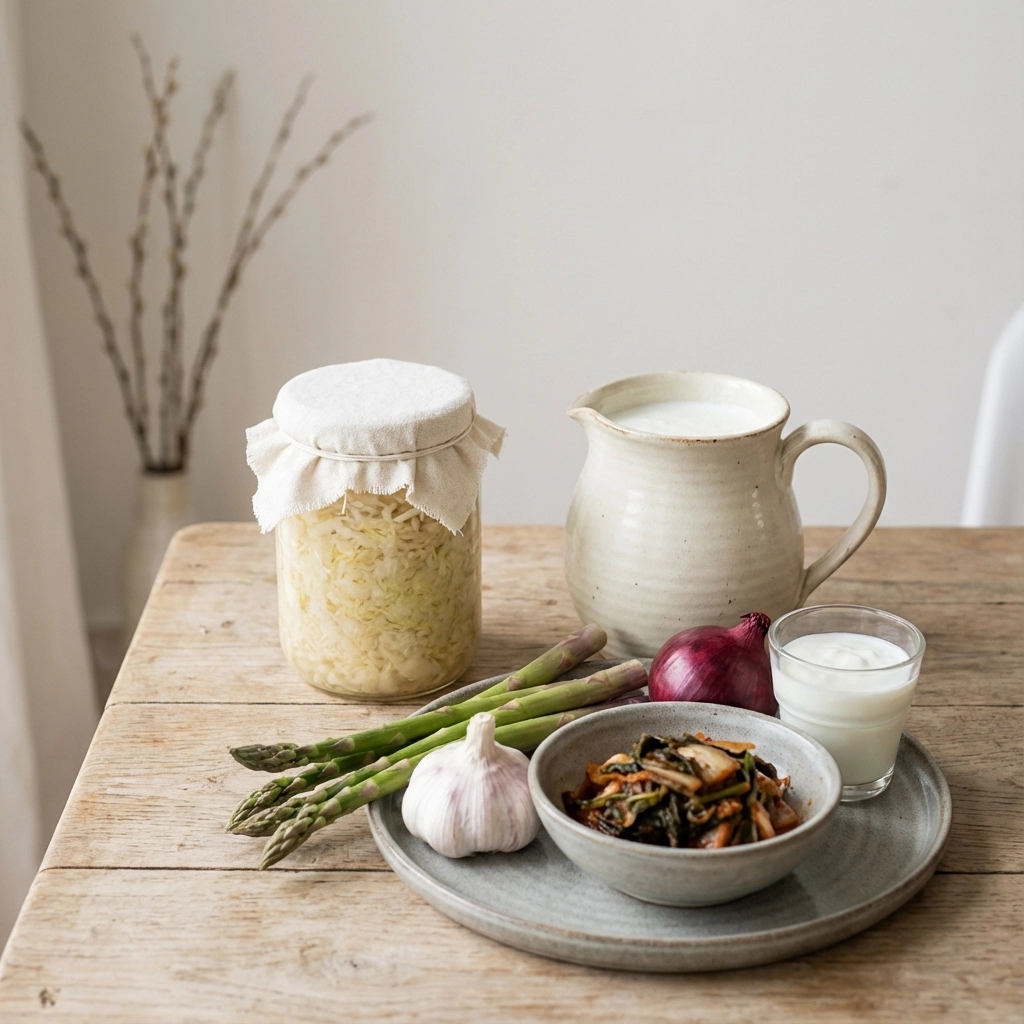
    • Prebiotic-rich foods like garlic, onions, and asparagus
    • Anti-inflammatory foods to heal intestinal lining

    Implementation for Memphis-area residents:

    • Start with one fermented food daily (kefir, sauerkraut, or kimchi)
    • Rotate vegetable colors throughout the week for diverse nutrients
    • Consider digestive enzymes if bloating or fatigue worsens after meals
    • Work with functional medicine practitioners to address underlying gut dysfunction

    image_2

    Mental Wellness Through Food Choices

    Nutrition for mental clarity and stress management takes center stage in 2026. For patients dealing with chronic fatigue in Collierville and surrounding areas, this connection is particularly crucial.

    Foods that support mental wellness:

    • Omega-3 fatty acids from wild-caught fish or algae sources
    • Magnesium-rich foods like dark leafy greens and nuts
    • Complex carbohydrates for steady neurotransmitter production
    • Adaptogenic herbs for stress resilience

    Practical mental wellness nutrition:

    • Meal timing matters – eat within 1 hour of waking to support cortisol regulation
    • Avoid blood sugar spikes that contribute to anxiety and fatigue crashes
    • Include protein at breakfast to support dopamine production
    • Stay hydrated with electrolytes, not just water

    The GLP-1 Medication Impact

    The rise of GLP-1 receptor agonist medications is creating new nutritional needs. Even patients in Germantown not using these medications can benefit from understanding this trend.

    Key nutritional focuses for 2026:

    • Increased protein requirements to maintain muscle mass
    • Higher vitamin and mineral needs due to reduced food intake
    • Emphasis on nutrient density over calorie counting
    • Strategic meal planning for optimal absorption

    For chronic fatigue patients, this means:

    • Quality over quantity in every food choice
    • Nutrient timing becomes more critical
    • Supplementation may be necessary to fill gaps
    • Professional guidance for optimal results

    image_3

    Seasonal Eating for Southern Climates

    2026 brings renewed focus on eating with the seasons, particularly relevant for Memphis-area residents dealing with hot, humid summers and mild winters.

    Winter 2026 nutrition strategies:

    • Root vegetables and winter squashes for grounding energy
    • Warming spices like ginger, cinnamon, and turmeric
    • Heavier proteins and healthy fats for sustained energy
    • Citrus fruits for immune support during cold season

    Spring and summer approaches:

    • Lighter proteins and increased raw foods
    • Hydrating fruits and vegetables for hot Memphis summers
    • Fresh herbs for natural detoxification support
    • Local seasonal produce for peak nutrient content

    Affordability Without Compromise

    Healthy eating must be accessible, not a luxury. For families in Arlington, Collierville, and Germantown, 2026 nutrition trends emphasize practical, budget-friendly approaches.

    Cost-effective strategies:

    • Bulk buying of staples like beans, grains, and frozen vegetables
    • Seasonal shopping at local farmers markets for better prices
    • Meal planning to reduce waste and maximize nutrients
    • Home preparation instead of processed convenience foods

    Memphis-area resources:

    • Community gardens in Germantown and surrounding areas
    • Bulk buying cooperatives for organic staples
    • Seasonal produce subscriptions from local farms
    • Food preservation techniques to extend seasonal benefits

    Evidence-Based Choices Over Hype

    2026 marks the end of exaggerated health claims and the rise of evidence-based nutrition. For chronic fatigue patients, this means focusing on what actually works rather than following every new trend.

    What to prioritize:

    • Peer-reviewed research over social media claims
    • Individual response over one-size-fits-all approaches
    • Long-term sustainability over quick fixes
    • Professional guidance for complex health conditions

    Red flags to avoid:

    • Extreme elimination diets without medical supervision
    • Expensive supplements with minimal research backing
    • "Miracle" foods promising unrealistic results
    • Restrictive approaches that increase stress and social isolation

    Practical Implementation for 2026

    Start with small, sustainable changes that align with these 2026 trends:

    Week 1: Add fiber gradually to prevent digestive upset
    Week 2: Incorporate one new natural food and eliminate one processed item
    Week 3: Focus on meal timing and protein balance
    Week 4: Experiment with seasonal, local produce

    For Collierville and Germantown patients dealing with chronic fatigue, remember that nutrition changes should support your energy levels, not drain them. Work with healthcare providers familiar with functional medicine approaches to ensure your 2026 nutrition plan addresses your specific needs.

    The most important trend of 2026 isn't a specific food or supplement: it's the shift toward personalized, evidence-based nutrition that actually improves your daily life and long-term health outcomes.

  • Holiday Stress: 1-Minute Reset (Client Resources)

    Holiday Stress: 1-Minute Reset (Client Resources)

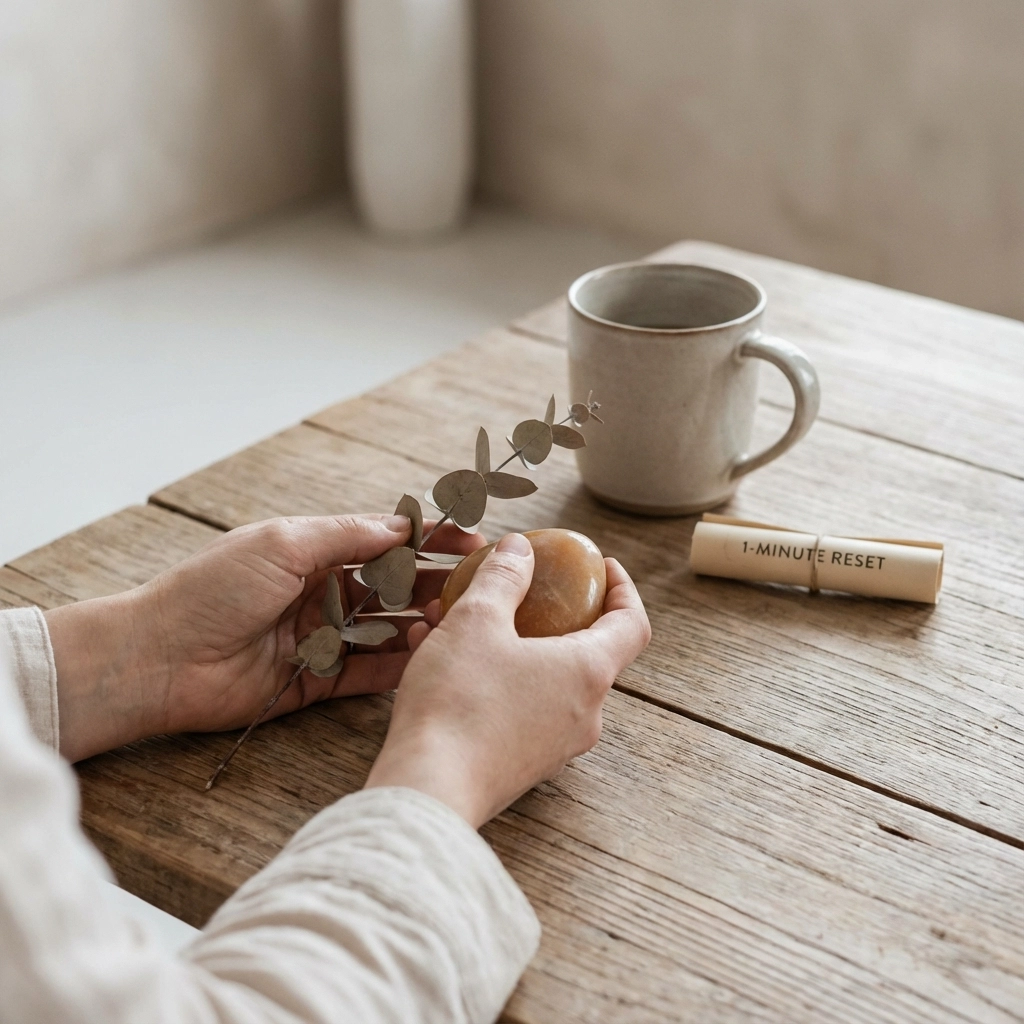
    The holidays can transform even the calmest person into a stressed-out tornado of shopping lists, family obligations, and endless to-do items. If you're feeling overwhelmed this season in Collierville, Germantown, or anywhere in the Memphis area, you're not alone. The good news? You don't need hours of meditation or expensive spa treatments to reset your nervous system and find your calm again.

    Quick Facts: Holiday Stress Reality Check

    Holiday stress is completely normal and totally manageable! Studies show that 88% of adults report increased stress during the holiday season.

    Mindful breaks: even just 1 minute: can stop the stress spiral before it takes over your entire day.

    Your body's stress response can be interrupted with simple, immediate techniques that work anywhere, anytime.

    Small resets prevent big meltdowns. Taking action early keeps holiday overwhelm from building into something unmanageable.

    image_1

    The 1-Minute Holiday Reset: 5 Simple Action Steps

    When you feel that familiar holiday stress creeping up your shoulders or tightening in your chest, use these five steps in order for maximum impact:

    Step 1: Pause and Breathe

    Take 5 slow, deep breaths immediately. Breathe in through your nose for a count of four, hold for four, exhale through your mouth for six. This activates your parasympathetic nervous system: your body's natural "calm down" response. Do this before you do anything else.

    Step 2: Move and Release

    Shake out physical tension targeting three key areas:
    Shoulders: Roll them backward five times, then forward five times
    Neck: Gently turn your head left, then right, then back to center
    Hands: Make fists, then spread your fingers wide three times

    Movement interrupts your body's stress cascade and redirects that anxious energy into something productive.

    Step 3: Hydrate and Soothe

    Drink a full glass of water or sip herbal tea slowly. Dehydration makes stress feel worse, and the act of mindful sipping forces you to slow down. Chamomile, peppermint, or ginger tea work particularly well for calming holiday jitters.

    Step 4: Step Outside (If Possible)

    Get fresh air for 30 seconds to 1 minute. Step onto your porch, open a window, or walk to your mailbox. Cold winter air on your face activates your vagus nerve, which immediately signals your brain to relax. Even patients in our Collierville clinic notice instant relief when they step outside during stressful appointments.

    Step 5: Practice Micro-Gratitude

    Name one thing going right in this exact moment: big or small. Maybe it's your warm coffee, your comfortable shoes, or simply that you're taking time to care for yourself. Gratitude literally rewires your brain to notice positive details instead of stress triggers.

    image_2

    Why This Works: The Science Behind Quick Resets

    Your nervous system doesn't know the difference between a genuine emergency and holiday overwhelm. When you're stressed about getting gifts wrapped, cooking dinner, or managing family dynamics, your body responds as if you're being chased by a tiger. These reset techniques work because they:

    Interrupt the stress hormone cascade before cortisol and adrenaline flood your system
    Activate your parasympathetic nervous system (rest and digest mode)
    Ground you in the present moment instead of anxious future scenarios
    Give you immediate control over something when everything else feels chaotic

    Many of our patients in Germantown and Arlington report that practicing these resets consistently during November and December makes their entire holiday season more enjoyable.

    Small Steps Matter: Making Resets a Holiday Habit

    Start Small and Build

    Even tiny resets help prevent holiday overwhelm from spiraling. You don't need to be perfect or remember all five steps every time. Pick one or two techniques that feel natural and use them consistently.

    Share the Reset

    Teach these techniques to a friend or family member. When everyone in your household knows how to do a quick reset, you create a calmer environment for everyone. Kids especially love the "shake it out" step and often remind adults to take their breathing breaks.

    Practice Before You Need It

    Try your 1-minute reset when you're already calm. This makes the techniques automatic when real holiday stress hits. Practice during your morning coffee or while waiting in the car at school pickup.

    image_3

    Holiday-Specific Reset Applications

    Before Big Family Gatherings

    Do your full 5-step reset in the car before walking into family events. This sets your nervous system up for success instead of reactivity.

    During Holiday Shopping

    Use the breathing and movement steps while standing in long checkout lines. Other shoppers might even follow your lead when they see how much calmer you look.

    After Difficult Conversations

    Step outside for fresh air and practice gratitude immediately after challenging family discussions. This prevents emotional residue from building up.

    Before Holiday Cooking

    Reset before you start cooking big meals. A calm cook makes better food and has more fun in the kitchen.

    When to Seek Additional Support

    While these 1-minute resets work well for typical holiday stress, some situations require more comprehensive support. If you're experiencing persistent fatigue, sleep disruption, digestive issues, or emotional overwhelm that doesn't improve with self-care, consider consulting with our functional medicine team.

    At The Fatigue Clinic in Collierville, we help patients throughout Germantown, Memphis, and Arlington identify the root causes of stress-related symptoms. Sometimes what feels like holiday stress is actually adrenal dysfunction, nutrient deficiencies, or hormonal imbalances that need professional attention.

    Your Holiday Reset Toolkit

    Print this resource and keep copies in your:
    Kitchen for cooking stress
    Car for shopping trips
    Purse or wallet for family gatherings
    Workplace for end-of-year deadlines

    Remember: You have more control over your stress response than you think. These techniques work because they give you immediate, concrete actions to take when everything else feels overwhelming.

    For more natural health resources and stress management tools, visit designvista.serverhatch.com/thefatigueclinic/client-resources. Our team is here to support your health journey through the holidays and beyond.

    Take care of yourself this season. You deserve to enjoy the holidays, not just survive them.

  • Herbal Winter Cheat Sheet: Support Your Immune Health Naturally

    Herbal Winter Cheat Sheet: Support Your Immune Health Naturally

    Winter in Collierville and Germantown brings unique challenges to your immune system. Between holiday stress, colder temperatures, and increased time indoors, your body needs extra support to stay strong and resilient. The good news? Nature provides powerful allies that have been protecting people through harsh winters for thousands of years.

    This practical cheat sheet gives you everything you need to harness the immune-boosting power of herbs throughout the winter months. Whether you're dealing with seasonal sniffles or want to build lasting immune strength, these time-tested remedies can become your go-to winter wellness toolkit.

    Winter Immune System Basics

    Your immune system works harder during winter months. Shorter daylight hours, reduced vitamin D production, and increased exposure to indoor pathogens all contribute to seasonal immune challenges. Add holiday indulgences, travel stress, and disrupted sleep patterns common in the Memphis area, and your body faces a perfect storm of immune stressors.

    Herbal medicine offers a gentle yet powerful approach to supporting your natural defenses. Unlike synthetic supplements that target single pathways, herbs work synergistically with your body's complex immune network, providing broad-spectrum support without harsh side effects.

    image_1

    Top-Tier Immune Supporting Herbs

    Elderberry: Nature's Antiviral Powerhouse

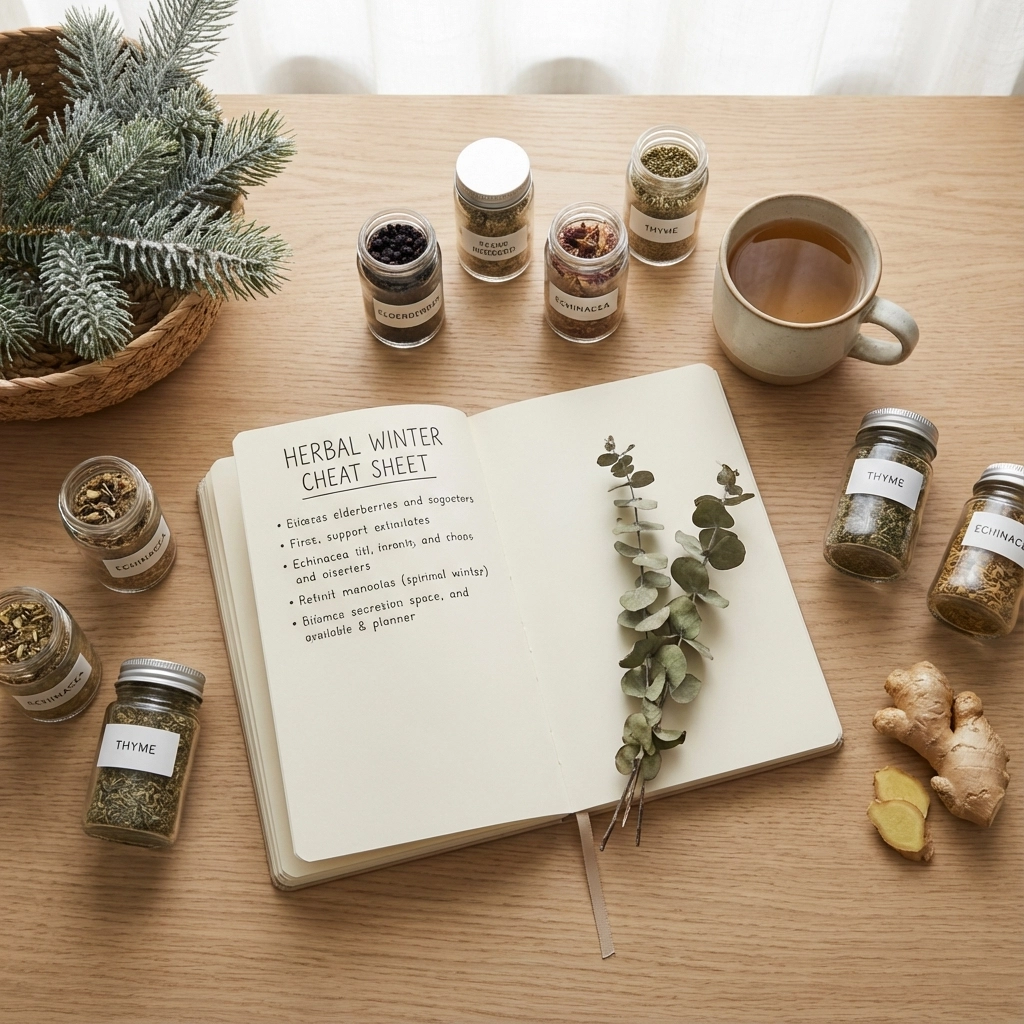
    Elderberry stands as one of the most research-backed immune herbs available. This dark purple berry contains powerful anthocyanins and flavonoids that specifically target viral replication, making it particularly effective against seasonal respiratory viruses.

    How to use elderberry:
    Daily prevention: 1 tablespoon elderberry syrup each morning
    Active support: 1 tablespoon every 2-3 hours when feeling under the weather
    Tea form: Steep 1 tablespoon dried berries in hot water for 15 minutes
    Gummy form: Perfect for families with children who resist liquid medicines

    Local sourcing tip: Many Germantown and Collierville health food stores carry high-quality elderberry products. Look for organic, sugar-free options when possible.

    Astragalus: The Immune System Builder

    Astragalus root works differently than quick-acting herbs like elderberry. This adaptogenic herb builds long-term immune resilience rather than providing immediate symptom relief. In Traditional Chinese Medicine, astragalus strengthens your "Wei Qi" – your body's protective shield against pathogens.

    Best astragalus practices:
    Decoction method: Simmer 1-2 slices of dried root in water for 30 minutes
    Soup addition: Add whole slices to bone broth or vegetable soup
    Powder form: Mix ½ teaspoon into smoothies or warm beverages
    Timing: Take consistently for 6-8 weeks for maximum benefit

    Reishi Mushroom: The Immune Modulator

    Known as the "mushroom of immortality," reishi provides sophisticated immune support by modulating rather than simply stimulating immune responses. This makes it particularly valuable for people with autoimmune conditions or those prone to immune overreactions.

    Reishi preparation methods:
    Double extraction tincture: Most potent and convenient option
    Powder in coffee: Creates an immune-supporting morning ritual
    Decoction: Simmer dried slices for 45 minutes to extract full benefits
    Capsules: Standardized extracts ensure consistent potency

    image_2

    Quick-Acting Immune Support Herbs

    Echinacea: The Immune Stimulator

    Echinacea works best when used at the first sign of immune challenge. This North American prairie plant stimulates white blood cell activity and reduces the duration and severity of seasonal illnesses.

    Effective echinacea protocols:
    Tincture form: 30-40 drops every 2 hours for acute support
    Tea preparation: Steep 1 teaspoon dried herb for 10 minutes
    Fresh plant: Chew small pieces of fresh echinacea root
    Duration: Use for 7-10 days maximum, then take a break

    Garlic: The Antimicrobial Marvel

    Raw garlic contains allicin and other sulfur compounds that provide broad-spectrum antimicrobial activity. The key is consuming it raw or minimally processed to preserve these delicate compounds.

    Maximizing garlic's benefits:
    Fire cider: Combine with horseradish, ginger, and apple cider vinegar
    Honey infusion: Crush fresh cloves in raw honey for 24 hours
    Raw consumption: Mince finely and mix with olive oil
    Timing: Take on empty stomach for maximum absorption

    Ginger: The Warming Circulator

    Fresh ginger root supports immune function through multiple pathways: improving circulation, reducing inflammation, and supporting digestive health – all crucial for optimal immune responses.

    Daily ginger integration:
    Morning tea: Simmer thin slices in water for 10 minutes
    Golden milk: Combine with turmeric and coconut milk
    Fresh juice: Add to smoothies or drink shots
    Cooking: Use liberally in soups, stews, and stir-fries

    Respiratory Support Herbs

    Thyme: The Respiratory Protector

    Thyme's essential oils provide powerful antimicrobial action specifically targeted to respiratory tissues. This Mediterranean herb excels at supporting clear breathing and healthy lung function.

    Thyme applications:
    Steam inhalation: Add fresh or dried thyme to hot water and breathe deeply
    Tea blend: Combine with chamomile and honey
    Cooking herb: Use fresh thyme in winter soups and roasts
    Essential oil: Add 2-3 drops to diffuser for room purification

    Chamomile: The Gentle Immune Supporter

    Chamomile provides immune support while simultaneously calming the nervous system – particularly important during stressful winter months when chronic stress can suppress immune function.

    Chamomile protocols:
    Bedtime tea: Promotes restorative sleep essential for immune health
    Steam bath: Add strong chamomile tea to bathwater
    Compresses: Use cooled tea for soothing inflamed tissues
    Tincture: Take 30 drops 2-3 times daily for ongoing support

    image_3

    Daily Herbal Immune Habits

    Morning Immune Ritual

    Start your day with immune-supporting intention:
    Hot lemon water with fresh grated ginger
    Elderberry syrup with breakfast
    Reishi coffee or astragalus tea
    Deep breathing exercises to support lymphatic circulation

    Midday Maintenance

    Keep your immune system supported throughout the day:
    Herbal tea blends instead of plain water
    Garlic-rich lunch options
    Fresh thyme on salads or in cooking
    Brief outdoor time for natural vitamin D synthesis (even in Memphis winters)

    Evening Wind-Down

    Support restorative immune processes during sleep:
    Chamomile tea 1 hour before bed
    Warm bath with immune-supporting essential oils
    Consistent sleep schedule to optimize immune function
    Stress reduction practices like meditation or gentle stretching

    Local Winter Wellness Tips

    Memphis Area Seasonal Considerations

    Middle Tennessee winters present specific challenges that herbs can help address:
    High humidity combined with temperature fluctuations stress respiratory systems
    Limited sunlight from November through February reduces natural vitamin D
    Holiday social gatherings increase pathogen exposure
    Comfort food indulgences can compromise immune-supporting nutrition

    Sourcing Quality Herbs in Collierville and Germantown

    Finding reliable herbal products in the Memphis area:
    Local health food stores often carry organic dried herbs and tinctures
    Farmers markets (when in season) provide fresh herbs like ginger and garlic
    Reputable online sources ensure year-round access to quality products
    Growing your own herbs like thyme and chamomile provides the freshest medicine

    image_4

    Preparation Methods Made Simple

    Teas and Infusions

    Most herbs work beautifully as simple teas:
    Hot water method: Pour boiling water over herbs, cover, steep 10-15 minutes
    Cold infusion: Steep delicate herbs in room temperature water for 4-8 hours
    Blend creation: Combine multiple herbs for synergistic effects
    Honey addition: Raw honey adds its own antimicrobial benefits

    Decoctions for Tough Materials

    Roots and mushrooms require more intensive extraction:
    Simmering method: Gently simmer in water for 20-45 minutes
    Slow cooker option: Low heat for 4-6 hours extracts maximum compounds
    Double extraction: Combines water and alcohol extraction for full spectrum benefits
    Batch preparation: Make large amounts and store in refrigerator for weekly use

    Tinctures and Extracts

    Concentrated herbal preparations offer convenience and potency:
    Alcohol-based tinctures preserve herbs and provide quick absorption
    Glycerin extracts work well for children and those avoiding alcohol
    Proper dosing: Follow manufacturer guidelines or herbalist recommendations
    Quality matters: Choose reputable companies with third-party testing

    Winter Lifestyle Integration

    Building Sustainable Habits

    Consistency trumps perfection when using herbal medicine:
    Start small with one or two herbs you genuinely enjoy
    Create rituals around herbal preparation and consumption
    Track your experience to identify which herbs work best for your body
    Adjust seasonally – your needs change throughout winter

    Family-Friendly Approaches

    Making herbal medicine accessible for the whole family:
    Elderberry gummies appeal to children resistant to liquid medicines
    Herbal honey makes bitter herbs more palatable
    Cooking integration introduces herbs through familiar foods
    Tea parties create positive associations with herbal teas

    Stress Management Support

    Chronic stress suppresses immune function – herbs can help:
    Adaptogenic herbs like reishi help manage stress responses
    Calming herbs like chamomile support nervous system health
    Aromatic herbs used in diffusers create calming environments
    Ritual and routine around herbal use provides grounding during busy seasons

    Safety and Quality Considerations

    Using herbs safely and effectively:
    Quality sourcing from reputable suppliers ensures purity and potency
    Proper identification prevents harmful mistakes with wild harvesting
    Drug interactions should be checked with healthcare providers
    Individual responses vary – start slowly and pay attention to your body's signals

    When to seek professional guidance:
    Chronic health conditions require experienced herbalist consultation
    Medication interactions need professional evaluation
    Pregnancy and nursing have specific safety considerations
    Children's dosing requires age-appropriate modifications

    The beauty of herbal immune support lies in its gentle effectiveness and deep nourishment. These plant allies work with your body's wisdom rather than against it, providing sustainable support that builds over time.

    This winter, let the healing traditions of herbal medicine support your journey toward vibrant health. Whether you're battling seasonal sniffles in Germantown or building long-term resilience in Collierville, these time-tested remedies offer natural, effective support for whatever winter brings your way.

    Start with herbs that appeal to you, build consistent daily habits, and trust in the gentle power of plant medicine to keep you strong, healthy, and resilient throughout the coldest months of the year.

  • Holiday Survival and Healthy Living: Simple New Year's Changes that Last

    Holiday Survival and Healthy Living: Simple New Year's Changes that Last

    The holiday season brings unique challenges – packed schedules, rich foods, and the inevitable exposure to cold and flu viruses that seem to circulate at every gathering. As we approach 2026, Memphis and Germantown residents are looking for practical strategies that work in real life, not just on paper.

    The key to thriving through the holidays and creating lasting change lies in small, sustainable shifts rather than dramatic overhauls. At The Fatigue Clinic in Collierville, we see patients every day who've tried the "all-or-nothing" approach and burned out by February. This year can be different.

    Cold and Flu Season: Natural Defense Strategies

    Winter illness prevention starts with supporting your body's natural defenses. Two powerhouse herbs stand out for their effectiveness during cold and flu season: slippery elm and stinging nettle.

    Slippery elm bark contains mucilage compounds that coat and soothe irritated throat tissues. When you feel that first scratchy sensation, mix 1-2 teaspoons of slippery elm powder with warm water to create a soothing gel. Take this 2-3 times daily at the first sign of throat irritation.

    Stinging nettle (Urtica dioica) acts as a natural antihistamine and immune modulator. During active cold symptoms, nettle tea helps reduce nasal congestion and inflammation. Steep 2-3 teaspoons of dried nettle in hot water for 10-15 minutes. Drink 2-3 cups daily when symptoms are present.

    image_1

    Essential nutrients amplify these herbal benefits. Vitamin C dosing should increase during illness – 1000-2000mg daily in divided doses supports immune function without causing digestive upset. Zinc lozenges (15-24mg daily) can reduce cold duration when started within 24 hours of symptom onset.

    Practical implementation: Keep these supplies stocked in your kitchen before holiday gatherings. Prevention beats treatment every time.

    Holiday Survival: Energy Management for Real Life

    Energy management during the holidays requires strategic boundaries. Collierville and Germantown families often pack their schedules with back-to-back commitments that drain adrenal reserves and compromise immune function.

    Choose three non-negotiables for holiday weeks:

    • One 20-minute walk daily (even if it's around the Target parking lot)
    • 7-8 hours of sleep (skip the late-night gift wrapping marathon)
    • One vegetable at each meal (frozen counts, people)

    Crowd immunity becomes crucial during holiday gatherings. If you're feeling run down, your body needs extra support. Double your normal vitamin D intake (most Memphis residents need 2000-4000 IU daily during winter months) and add elderberry syrup (1 tablespoon twice daily) starting one week before big family events.

    New Year's Changes That Actually Stick

    Research from habit formation studies shows that 66% of people abandon New Year's resolutions by February. The problem isn't lack of willpower – it's unrealistic goal setting and all-or-nothing thinking.

    Sustainable change happens through minimum viable habits that you can maintain even during your worst weeks.

    Movement: Start Stupidly Small

    Instead of: "I'll work out 5 days a week"
    Try: "I'll walk for 10 minutes after lunch, 3 days a week"

    Arlington and Memphis residents face unique challenges with winter weather limitations. Indoor alternatives include:

    • Stair climbing (2 minutes counts as movement)
    • Kitchen dance breaks while cooking
    • Wall push-ups during commercial breaks

    The goal: Build movement momentum without requiring perfect conditions or expensive equipment.

    Nutrition: Add Before You Subtract

    Restrictive dieting triggers metabolic backlash and increases food obsession. Functional medicine principles emphasize nutrient density over calorie restriction.

    Start with additions:

    • Protein at breakfast (20-30 grams minimum)
    • Fiber-rich vegetables at lunch and dinner
    • Healthy fats with each meal (avocado, nuts, olive oil)

    For Germantown patients dealing with chronic fatigue, blood sugar stability becomes critical. Never eat carbohydrates alone – always pair with protein and fat to prevent energy crashes.

    image_2

    Sleep: The Non-Negotiable Foundation

    Poor sleep undermines every other health effort. Sleep debt accumulates and cannot be "paid back" with weekend marathons.

    Evening routine essentials:

    • Blue light blocking glasses after 8 PM
    • Room temperature between 65-68°F
    • Magnesium glycinate (200-400mg) one hour before bed

    For patients with adrenal fatigue, sleep becomes medicine. 10 PM bedtime isn't optional – it's therapeutic intervention.

    Herbal Cold & Flu Fact Sheet

    Quick reference guide for natural symptom management:

    Slippery Elm Bark:

    • Dosage: 1-2 teaspoons powder in warm water, 2-3 times daily
    • Best for: Sore throat, dry cough, digestive irritation
    • Safety: Generally safe for all ages
    • Preparation: Can be mixed into smoothies or taken as capsules

    Stinging Nettle:

    • Dosage: 2-3 teaspoons dried herb as tea, 2-3 cups daily
    • Best for: Congestion, allergies, inflammation
    • Safety: Avoid if taking blood thinners
    • Preparation: Fresh nettle must be cooked; dried is safe raw

    Vitamin C:

    • Prevention dose: 500-1000mg daily
    • Active illness dose: 1000-2000mg daily, divided doses
    • Best absorbed: With bioflavonoids, away from caffeine
    • Warning: Reduce dose if digestive upset occurs

    Zinc:

    • Lozenges: 15-24mg daily during active symptoms
    • Maximum duration: 5-7 days continuous use
    • Timing: Start within 24 hours of symptom onset
    • Food interaction: Take between meals for best absorption

    Sustainable Implementation Strategy

    The Fatigue Clinic approach focuses on root cause resolution rather than symptom management. January motivation fades, but systematic habit building creates lasting transformation.

    Week 1-2: Choose one habit from each category (movement, nutrition, sleep)
    Week 3-4: Stack habits together (walk after lunch, then drink nettle tea)
    Week 5-6: Adjust based on energy levels and life demands

    Energy tracking helps identify patterns. Rate your energy 1-10 each evening. Scores below 6 indicate need for additional support – more sleep, stress reduction, or nutrient evaluation.

    For chronic illness patients in the Memphis area, gentle progression prevents flare-ups. Consistency beats intensity every single time.

    Beyond January: Long-Term Success

    Sustainable health changes require environmental design and social support. Stock your kitchen with healing foods before you need them. Schedule meal prep like you'd schedule any important appointment.

    Community support accelerates success. Find your tribe – whether it's a walking group in Germantown or a meal prep buddy in Collierville. Accountability doesn't require perfection; it requires showing up consistently.

    The Fatigue Clinic difference: We don't just treat symptoms – we identify and address root causes of energy depletion and immune dysfunction. Comprehensive testing reveals nutrient deficiencies, hormonal imbalances, and inflammatory triggers that traditional medicine often misses.

    Ready for personalized support? Our functional medicine approach in Collierville serves patients throughout Memphis, Germantown, Arlington, and surrounding areas. Real solutions for lasting health transformation start with understanding your unique biology.

    Call us today to schedule your comprehensive evaluation and discover why small, strategic changes create the biggest transformations. Your energy and immune resilience are worth the investment.

  • Holiday Stress: 1-Minute Reset (Client Resource)

    Holiday Stress: 1-Minute Reset (Client Resource)

    The holiday season should bring joy, but for many patients in Germantown, Memphis, and Collierville, it brings overwhelming stress instead. Between family gatherings, financial pressures, and packed schedules, your nervous system can get stuck in overdrive. The good news? You can reset your stress response in just one minute.

    At The Fatigue Clinic in Collierville, we see how chronic stress impacts every aspect of health: from energy levels to immune function. That's why we've created this printable client resource with science-backed techniques you can use anywhere, anytime.

    The Science Behind Quick Stress Resets

    When holiday stress hits, your body activates the sympathetic nervous system: your fight-or-flight response. Heart rate increases, breathing becomes shallow, and stress hormones flood your system. The 1-minute reset techniques below work by activating your parasympathetic nervous system, which signals safety and calm to your brain.

    Research from Stanford University shows that focused breathing techniques can reduce cortisol levels within minutes. Even better, these effects compound over time, making you more resilient to future stressors.

    image_1

    The Complete 1-Minute Holiday Stress Reset

    Option 1: The 30-Second Breathing Reset

    When you feel overwhelmed, use this technique immediately:

    Step 1: Pause (5 seconds)

    • Stop what you're doing completely
    • Sit or stand with feet flat on the ground
    • Drop your shoulders away from your ears

    Step 2: Breathe (20 seconds)

    • Inhale slowly through your nose for 4 counts
    • Hold your breath for 4 counts
    • Exhale slowly through your mouth for 4 counts
    • Repeat this cycle 3-4 times

    Step 3: Ground (5 seconds)

    • Notice 3 things you can see around you
    • Feel your feet on the ground

    Option 2: The Full 60-Second Reset

    For deeper stress relief, add one of these grounding activities after the breathing exercise:

    Physical Reset (Choose One)

    • Take a 1-minute walk, even around your house
    • Do 10 gentle neck rolls or shoulder shrugs
    • Splash cold water on your face and wrists
    • Squeeze and release your fists 10 times

    Sensory Reset (Choose One)

    • Step outside for fresh air, even in winter
    • Smell something calming: peppermint, lavender, or citrus
    • Listen to one favorite song with headphones
    • Look at something green: a plant, tree, or nature photo

    Mental Reset (Choose One)

    • Write down one thing you're grateful for right now
    • Text one person who makes you smile
    • Visualize your favorite peaceful place for 30 seconds
    • Say one positive affirmation about yourself

    Why This Works: The Memphis Connection

    Living in Memphis and surrounding areas brings unique holiday stressors. Traffic during shopping season, humid winter weather, and busy family schedules all impact your nervous system. The 1-minute reset gives you immediate control over your stress response, no matter where you are: stuck in traffic on Poplar Avenue, waiting in line at Wolfchase Galleria, or hosting dinner in Germantown.

    The key insight: When you engage with stress through these techniques rather than avoiding it, you build resilience. Your brain learns that you have agency over how you feel, which reduces the helpless feeling that makes stress scarier.

    Advanced Holiday Stress Management

    Morning Protection Protocol

    Start each holiday morning with this 2-minute routine:

    Minute 1: Intention Setting

    • Before checking your phone, take 5 deep breaths
    • Mentally list your top 3 priorities for the day
    • Release the need to accomplish everything perfectly

    Minute 2: Body Check-In

    • Scan from head to toe: where do you feel tension?
    • Gently stretch any tight areas
    • Drink a full glass of water to support your adrenals

    Evening Decompression

    End holiday days with this wind-down sequence:

    5-4-3-2-1 Grounding Technique

    • 5 things you can see (decorations, lights, family)
    • 4 things you can touch (soft blanket, warm mug)
    • 3 things you can hear (music, laughter, quiet)
    • 2 things you can smell (dinner cooking, candles)
    • 1 thing you can taste (tea, chocolate, toothpaste)

    This technique interrupts rumination about holiday stress and brings you into the present moment.

    image_2

    When Holiday Stress Becomes Chronic

    If you're using these techniques daily and still feel overwhelmed, you might be dealing with underlying health issues that make stress management harder. At The Fatigue Clinic, we regularly see how nutrient deficiencies, hormone imbalances, and gut health issues amplify stress responses.

    Common underlying causes include:

    • Adrenal dysfunction from chronic stress
    • Blood sugar imbalances from holiday eating
    • Sleep disruption affecting stress hormone regulation
    • Nutrient depletion (especially B vitamins and magnesium)
    • Gut inflammation impacting the gut-brain connection

    Functional Medicine Support

    Our Collierville clinic specializes in identifying root causes of stress sensitivity through comprehensive testing:

    • Comprehensive metabolic panels to check nutrient status
    • Hormone testing including cortisol rhythm assessment
    • Food sensitivity testing to identify inflammatory triggers
    • Gut microbiome analysis to optimize the stress-gut connection

    Many Memphis-area patients discover that addressing these underlying issues makes stress management techniques significantly more effective.

    Holiday-Specific Stress Triggers

    Financial Pressure

    Quick Reset: When financial worry hits, use the 4-7-8 breathing technique:

    • Inhale for 4 counts
    • Hold for 7 counts
    • Exhale for 8 counts
    • Repeat 3 times

    This physiologically calms the anxiety response while you make rational decisions about spending.

    Family Dynamics

    Quick Reset: Before difficult conversations, ground yourself physically:

    • Press your feet firmly into the ground
    • Place one hand on your heart, one on your belly
    • Take 3 slow breaths feeling both hands rise and fall
    • Remind yourself: "I can only control my own response"

    Overscheduling

    Quick Reset: When your calendar feels overwhelming:

    • Look at your schedule for the next 24 hours only
    • Choose 1-3 true priorities: everything else is optional
    • Give yourself permission to say no or modify plans
    • Remember: Done is better than perfect

    Building Long-Term Resilience

    While 1-minute resets provide immediate relief, building lasting stress resilience requires consistent daily practices:

    The 5-Minute Daily Foundation

    Morning (2 minutes)

    • 30 seconds of deep breathing upon waking
    • 90 seconds setting daily intentions and priorities

    Midday (1 minute)

    • Quick stress check-in: where do you feel tension?
    • Brief reset technique if needed

    Evening (2 minutes)

    • Gratitude practice: name 3 good moments from today
    • Body relaxation scan before sleep

    Weekly Stress Assessment

    Every Sunday, honestly assess your stress levels:

    • Rate your stress 1-10 for the past week
    • Identify your biggest stress triggers
    • Plan which reset techniques to practice this week
    • Schedule self-care like you'd schedule important appointments

    Your Printable Resource

    Print this section and keep it handy during the holidays:


    HOLIDAY STRESS: 1-MINUTE RESET

    When overwhelmed, choose ONE:

    30-Second Breathing Reset:

    1. Pause (5 sec) – Stop, sit/stand, drop shoulders
    2. Breathe (20 sec) – In 4, hold 4, out 4 (repeat 3x)
    3. Ground (5 sec) – Notice 3 things you can see

    Physical Options (add 30 seconds):
    • 1-minute walk • Cold water on face/wrists
    • 10 neck rolls • Squeeze/release fists 10x

    Sensory Options (add 30 seconds):
    • Step outside • Smell something calming
    • Listen to 1 song • Look at something green

    Mental Options (add 30 seconds):
    • Write 1 gratitude • Text someone kind
    • Visualize peaceful place • Say 1 affirmation

    Remember: You have control over your response to stress!


    Getting Additional Support

    If holiday stress feels unmanageable despite these techniques, you're not alone. Many patients in Arlington, Germantown, and Memphis discover that addressing underlying health issues makes stress management dramatically easier.

    The Fatigue Clinic in Collierville offers comprehensive functional medicine evaluations to identify and treat root causes of stress sensitivity. Our holistic approach combines cutting-edge testing with personalized treatment plans that support your body's natural stress resilience.

    Ready to transform your relationship with stress? Explore more resources at designvista.serverhatch.com/thefatigueclinic/client-resources or contact our Collierville office to schedule a comprehensive consultation.

    Remember: Taking one minute to care for yourself isn't selfish: it's essential for showing up fully for the people and moments that matter most this holiday season.

  • Root Cause Discovery: What Matters Most

    Root Cause Discovery: What Matters Most

    headerGraphic

    Why Root Cause Matters

    • More accurate treatment. Targeted plans that fix causes, not just mask symptoms.
    • Less wasted time and money. Fewer trial-and-error meds, visits, and supplements.
    • Better long-term health. Fewer flares, steadier energy, durable results.

    Two Actions You Can Take Now

    • Ask for tests. Request comprehensive labs (gut microbiome/stool, micronutrients, thyroid/adrenal/sex hormones, toxins/mycotoxins, inflammation). Bring prior records.
    • Track symptoms daily. Keep a simple journal (what, when, triggers, severity; include sleep, stress, food, movement).

    Call to Action

    • Ready to dig deeper? Book your root cause consult. Schedule at designvista.serverhatch.com/thefatigueclinic/ with The Fatigue Clinic in Collierville, serving Germantown, Memphis, Arlington, and surrounding areas.