Category: Educational Services

  • Bio-Hacking Your Heart: Why PEMF is the Must-Have Tool for Cardiovascular Resilience in Memphis

    Bio-Hacking Your Heart: Why PEMF is the Must-Have Tool for Cardiovascular Resilience in Memphis

    February is Heart Month, and here at The Fatigue Clinic in Collierville, we're diving deep into the cutting-edge bio-hacks that are changing the game for cardiovascular health in the Memphis area. If you live in Germantown, Eads, or anywhere in the Mid-South and you're looking for real solutions beyond the same old "eat less, move more" advice, you're in the right place.

    This week, we're focusing on PEMF therapy: one of the most promising tools for building cardiovascular resilience without medications or invasive procedures.

    What Is PEMF Therapy and Why Should Germantown Patients Care?

    PEMF stands for Pulsed Electromagnetic Field therapy. It works by emitting low-frequency electromagnetic pulses that stimulate your cells at a fundamental level. Think of it as recharging your cellular batteries.

    For your heart and blood vessels, PEMF therapy does something remarkable: it helps your endothelial cells (the cells lining your blood vessels) produce more nitric oxide. Nitric oxide is the molecule that relaxes and widens your blood vessels, improving circulation throughout your entire body.

    Better circulation means better oxygen delivery to every tissue: your brain, your muscles, your organs. For Memphis patients dealing with fatigue, brain fog, or cardiovascular concerns, this is huge.

    PEMF therapy device for cardiovascular health at Memphis clinic

    The Science Behind PEMF for Heart Health (Research You Can Actually Trust)

    Here's what the research shows:

    Blood Pressure Regulation: A 2020 human trial found that adults with mild hypertension who received PEMF therapy over 12 weeks showed improved blood vessel flexibility and significant reductions in both systolic and diastolic blood pressure. A 2024 systematic review of eight human studies confirmed these findings: PEMF combined with aerobic exercise led to lower blood pressure and improved arterial elasticity.

    Vascular Function: PEMF may enhance endothelial function by promoting nitric oxide production. This process improves microcirculation and helps expand blood vessels. Research suggests it can even break down micro-blockages in capillaries, the tiniest blood vessels in your body.

    Inflammation and Recovery: PEMF may help reduce chronic inflammation and oxidative stress: two major factors that damage blood vessels and increase heart disease risk. In animal models of heart attack, PEMF therapy enhanced cardiac output, reduced scarring, and modulated inflammation.

    Heart Rate Variability (HRV): Emerging research suggests PEMF may support HRV, an important marker of cardiovascular resilience and your body's ability to handle stress. Higher HRV means better cardiovascular health and stress adaptation.

    Important Distinction: PEMF Is a Complementary Tool, Not a Replacement

    Let's be crystal clear: PEMF therapy is not a replacement for established cardiovascular medications. Blood pressure medications like ACE inhibitors and beta-blockers have large clinical trials proving they reduce heart attacks and strokes. PEMF hasn't met that standard yet.

    What PEMF does offer is a complementary approach to support your cardiovascular system alongside (not instead of) medical treatment. At The Fatigue Clinic, we use PEMF as part of a comprehensive functional medicine approach for patients in Collierville, Germantown, and Memphis who want to optimize their heart health from every angle.

    PEMF therapy improving circulation and blood flow for heart health

    How We Use PEMF for Cardiovascular Resilience in Collierville

    Here's how it works in practice at our clinic:

    Step 1: Baseline Assessment. We start with a comprehensive cardiovascular assessment. This isn't your standard "check your blood pressure and send you home" appointment. We look at inflammation markers, endothelial function, metabolic health, and stress load.

    Right now, we're offering a $75 Cardiac Calcium Score special: one of the best predictive tools for cardiovascular risk. This non-invasive scan shows calcification in your coronary arteries, giving us hard data about your heart disease risk.

    Step 2: PEMF Protocol. Based on your assessment, we design a PEMF protocol specific to your needs. Sessions typically last 20-30 minutes and feel relaxing: most patients describe it as a gentle vibration or tingling sensation.

    Step 3: Lifestyle Integration. PEMF works best when combined with other cardiovascular-supporting interventions. We help you optimize nutrition, manage inflammation, improve sleep quality, and reduce stress: all critical factors for heart health in our high-stress Memphis lifestyle.

    Step 4: Monitor and Adjust. We track your progress with follow-up testing and adjust your protocol as needed. Real functional medicine means real measurement and real results.

    Who Benefits Most from PEMF for Heart Health?

    PEMF therapy for cardiovascular resilience works particularly well for:

    Patients with mild to moderate hypertension who want to support blood pressure management alongside medication (or potentially reduce medication needs under medical supervision)

    People with poor circulation or cold hands and feet: common complaints we hear from patients in Germantown and surrounding areas

    Those with family history of heart disease who want proactive, preventive care

    Patients dealing with chronic inflammation that contributes to cardiovascular risk

    Anyone experiencing high stress that's impacting heart rate variability and cardiovascular function

    Athletes and active individuals in Eads and Arlington who want to optimize cardiovascular performance and recovery

    Patient receiving PEMF therapy for cardiovascular wellness at Collierville clinic

    The Memphis Advantage: Why Location Matters for Heart Health

    Living in the Memphis area presents unique cardiovascular challenges. Our diet culture leans heavily on fried foods and high-sodium options. Our climate means less outdoor activity during extreme heat. Our pace of life creates chronic stress.

    These factors compound cardiovascular risk for Mid-South residents. That's exactly why bio-hacking tools like PEMF matter so much for our community. We need interventions that work with our lifestyle, not against it.

    At The Fatigue Clinic in Collierville, we understand the specific challenges facing Germantown, Memphis, and surrounding area patients. We design protocols that fit real life: not textbook scenarios.

    Beyond PEMF: Other Heart-Healthy Bio-Hacks We Use

    PEMF is powerful, but it's most effective as part of a comprehensive approach. Here are other tools we integrate:

    Targeted Supplementation: Specific nutrients like CoQ10, magnesium, omega-3s, and nattokinase support cardiovascular function at the cellular level.

    IV Therapy: Direct nutrient delivery bypasses digestive issues and provides immediate support for vascular health and inflammation reduction.

    Stress Management Protocols: Including our acoustic mat based on Dr. Bartel's research: simple, relaxing biofeedback with no physical connections to the patient.

    Advanced Testing: Beyond the standard lipid panel, we look at inflammatory markers, insulin resistance, hormonal balance, and nutrient status.

    Real Talk: What PEMF Won't Do (And What It Will)

    PEMF won't reverse severe coronary artery disease. It won't cure heart failure. It won't replace your cardiologist or your medications.

    What PEMF will do: Support vascular function. Improve circulation. Help manage blood pressure. Reduce inflammation. Enhance your body's natural cardiovascular resilience. Give you a proactive tool for long-term heart health.

    For patients in Collierville, Germantown, and Memphis who want to take charge of their cardiovascular wellness, PEMF is one of the most evidence-based, low-risk tools available.

    The $75 Cardiac Calcium Score Special: Your Starting Point

    February is the perfect time to get serious about your heart health. Our $75 Cardiac Calcium Score provides valuable insight into your cardiovascular risk: data you can use to make informed decisions about your health.

    Combine this with a comprehensive functional medicine assessment, and you'll have a complete picture of where you stand and what interventions make sense for your specific situation.

    Take Action on Your Heart Health Today

    If you're in Collierville, Germantown, Eads, Arlington, or anywhere in the Memphis area and you're ready to explore PEMF therapy for cardiovascular resilience, call The Fatigue Clinic at 901-221-8621.

    Our team will answer your questions, explain how PEMF fits into a comprehensive heart health strategy, and help you determine if this approach is right for you.

    Don't wait for a cardiac event to take your heart health seriously. Bio-hacking your cardiovascular system starts with one decision: the decision to call.

    The Fatigue Clinic is located in Collierville and serves Germantown, Memphis, Arlington, and surrounding areas. Call 901-221-8621 to reserve your $75 Cardiac Calcium Score and start building cardiovascular resilience today.

    Your heart will thank you.

  • The Sunday Heart Reset: 3 Biology-Based Ways for Memphis Patients to Lower Stress for a Healthier Week

    The Sunday Heart Reset: 3 Biology-Based Ways for Memphis Patients to Lower Stress for a Healthier Week

    Sundays in the Mid-South should feel like a gift: a chance to reset before the week kicks back in. But for many Memphis-area patients, Sunday evenings bring something else entirely: that familiar creep of anxiety, the tightness in your chest, the racing thoughts about Monday's to-do list.

    Here's what most people don't realize: that Sunday stress isn't just in your head. It's happening in your heart.

    Your nervous system and cardiovascular health are deeply intertwined. When chronic stress keeps your body in fight-or-flight mode, your heart pays the price: elevated blood pressure, increased heart rate, and higher cortisol levels that damage blood vessels over time. The good news? You can interrupt this cycle with three simple, biology-based strategies that take less than an hour.

    At The Fatigue Clinic in Collierville, we serve patients throughout Germantown, Memphis, Arlington, and surrounding areas who are tired of feeling tired: and tired of stress controlling their health. These aren't just feel-good tips. They're rooted in how your body actually works.

    Why Your Heart Hates Sunday Stress

    Before we jump into solutions, let's talk about what's happening inside your body when Sunday anxiety strikes.

    Your autonomic nervous system has two main branches: the sympathetic (fight-or-flight) and the parasympathetic (rest-and-digest). Chronic stress keeps you locked in sympathetic mode: your heart rate stays elevated, your blood pressure climbs, and stress hormones like cortisol flood your system.

    Over time, this pattern damages your cardiovascular system. Studies show that people with chronic stress have a 69% higher risk of heart attack and significantly elevated risk of stroke and arrhythmias. That Sunday evening tension you feel? It's not just unpleasant: it's inflammatory.

    Person with hands over heart showing heart health awareness and stress connection for Memphis patients

    The solution isn't complicated medication or endless therapy sessions. It's about activating your body's natural relaxation response through targeted, evidence-based practices that calm your nervous system and protect your heart.

    Strategy #1: Take a 10-Minute Walk at Shelby Farms or Your Local Germantown Park

    Physical movement is one of the fastest ways to regulate stress neurotransmitters in your brain: specifically serotonin and dopamine, the chemicals that directly improve your mood and lower anxiety.

    You don't need to run a 5K or hit the gym for an hour. Research shows that just 10 minutes of walking is enough to shift your nervous system from stress mode to recovery mode. The key is getting outside and moving your body consistently.

    Why Shelby Farms or local parks work so well:

    • Natural environments reduce cortisol levels more effectively than indoor settings
    • Sunlight exposure helps regulate your circadian rhythm (which impacts heart health)
    • The combination of movement + nature + fresh air creates a triple benefit for your nervous system

    Here's your Sunday protocol:

    Start your walk around 4 PM or 5 PM: right when Sunday anxiety typically peaks. Choose a location close to home: Shelby Farms Park, Germantown Greenway, W.C. Johnson Park in Collierville, or any green space in your neighborhood. Walk at a comfortable pace for 10 minutes. Don't check your phone. Just walk, breathe, and notice your surroundings.

    This isn't about exercise intensity. It's about interrupting the stress cascade before it hijacks your evening and sets a negative tone for Monday. Your heart rate will naturally lower. Your breathing will deepen. Your mind will quiet down.

    Do this every Sunday: even when you don't feel stressed. Prevention is more powerful than intervention.

    Peaceful walking trail at Shelby Farms Park in Memphis for Sunday stress reduction and heart health

    Strategy #2: Try a Quick HRV Check or Practice the 4-7-8 Breathing Technique

    Heart Rate Variability (HRV) is one of the most reliable indicators of nervous system health and stress resilience. It measures the variation in time between each heartbeat: and higher variability is a good thing. It means your body can easily shift between stress and recovery modes.

    Many Memphis patients at our clinic track their HRV using simple smartphone apps or wearable devices. It takes 60 seconds and gives you real-time feedback about your stress levels. If your HRV is low on Sunday afternoon, it's a clear signal that your body needs recovery.

    The fastest intervention? The 4-7-8 breathing technique.

    This method directly activates your parasympathetic nervous system: the branch responsible for relaxation and heart protection. It slows your heart rate, lowers blood pressure, and reduces cortisol within minutes.

    How to practice 4-7-8 breathing:

    1. Sit comfortably in a quiet space (your living room works fine)
    2. Place the tip of your tongue against the ridge behind your upper front teeth
    3. Exhale completely through your mouth, making a whooshing sound
    4. Close your mouth and inhale quietly through your nose for 4 seconds
    5. Hold your breath for 7 seconds
    6. Exhale completely through your mouth for 8 seconds
    7. Repeat this cycle 4 times total

    That's it. Four breath cycles. Less than two minutes. But the physiological impact is profound: you're literally telling your nervous system to shift gears from stress to calm.

    Do this before your Sunday evening meal or right after your walk. You can even do it in your car before heading home from errands. The beauty of this technique is its portability. You always have your breath with you.

    Strategy #3: Plan One Heart-Healthy Meal for the Week Ahead

    Sunday stress often stems from feeling unprepared for the week. Planning just one heart-healthy meal gives you a sense of control while directly supporting your cardiovascular system.

    This isn't about complicated recipes or expensive ingredients. Focus on anti-inflammatory foods that protect your heart and stabilize blood sugar: which directly impacts mood and energy.

    Your Sunday meal-planning checklist:

    Choose one dinner for the upcoming week that includes:

    • Omega-3 fatty acids (salmon, sardines, or plant-based sources like walnuts and flax)
    • Leafy greens (spinach, kale, collards: all easy to find at any Memphis-area grocery)
    • Fiber-rich whole grains (quinoa, brown rice, or farro)
    • Colorful vegetables (bell peppers, tomatoes, sweet potatoes)

    Write down the meal. Make your grocery list. Prep what you can on Sunday evening: wash the greens, cook the grains, portion the protein.

    This single act reduces decision fatigue during the week and ensures you have at least one solid, heart-protective meal ready to go. It's practical. It's actionable. And it takes the pressure off Monday evening when you're tired from work.

    Bonus: Cooking itself can be meditative. The repetitive motions, the focus on something tangible, the sensory experience: it all helps calm your nervous system.

    Woman practicing deep breathing technique to lower stress and activate parasympathetic nervous system

    The Heart-Stress Connection You Need to Understand

    These three strategies aren't random wellness advice. They're targeted interventions based on how stress damages your cardiovascular system: and how simple practices can reverse that damage.

    When you walk in nature, practice deep breathing, and nourish your body with real food, you're:

    • Lowering cortisol levels that cause inflammation
    • Improving heart rate variability that protects against arrhythmias
    • Reducing blood pressure naturally without medication
    • Supporting healthy neurotransmitter production
    • Stabilizing blood sugar that impacts heart function

    This is preventive cardiology. It's functional medicine. And it works: especially when practiced consistently, not just when you're already overwhelmed.

    Your Next Step: The $75 Cardiac Calcium Score at The Fatigue Clinic

    Sunday stress management is essential. But if you're dealing with chronic anxiety, fatigue, or concern about your heart health, you need objective data about what's happening inside your body.

    The Cardiac Calcium Score is a non-invasive CT scan that measures calcium buildup in your coronary arteries: one of the earliest indicators of heart disease. Most people don't get this test until after symptoms appear, but early detection can literally save your life.

    We're offering this scan for $75 at The Fatigue Clinic in Collierville: a fraction of the typical cost. This test gives you and your doctor critical information about your cardiovascular risk, especially if stress has been a chronic issue.

    Combine this objective assessment with a stress management consultation, and you'll have a comprehensive plan for protecting your heart while finally breaking the cycle of Sunday anxiety and weekly burnout.

    Call 901-221-8621 to schedule your Cardiac Calcium Score and discuss personalized stress management strategies. Our team serves patients throughout Germantown, Memphis, Arlington, Collierville, and surrounding communities who are ready to take control of their heart health before problems develop.

    Sunday Reset = Weekly Protection

    Start this Sunday with your 10-minute walk, your 4-7-8 breathing practice, and your meal planning session. Track how you feel Monday morning. Notice the difference in your energy, your mood, and that tightness in your chest.

    Your heart will thank you. Your nervous system will thank you. And by the time Sunday rolls around again, you'll have a biology-based routine that actually works: not just another wellness tip that sounds good but delivers nothing.

    The Fatigue Clinic is located in Collierville and serves patients throughout Germantown, Memphis, Arlington, and the Mid-South. Visit us at designvista.serverhatch.com/thefatigueclinic/ or call 901-221-8621 to discuss how functional medicine and preventive cardiology can transform your health( one Sunday at a time.)

  • Is Your Insomnia Hurting Your Heart? Why Sleep is the Ultimate Cardiovascular Metric for Memphis Patients

    Is Your Insomnia Hurting Your Heart? Why Sleep is the Ultimate Cardiovascular Metric for Memphis Patients

    You've probably heard your entire life that sleep is important. But here's what your doctor in Germantown or Memphis probably hasn't told you: your sleep quality is just as critical to your heart health as your cholesterol levels, blood pressure, and family history combined.

    And if you're struggling with insomnia? The data is alarming.

    The Numbers Don't Lie: Insomnia Is a Heart Attack Waiting to Happen

    Let's get straight to it. People with insomnia are 69% more likely to have a heart attack compared to those without the sleep disorder. That's not a small increase, that's nearly seven out of ten higher risk.

    To put that in perspective, that risk level is comparable to having diabetes, smoking regularly, or having high blood pressure. We're talking about the same magnitude of danger that gets your primary care doctor panicking at your annual physical.

    Heart health monitoring with stethoscope - cardiovascular risk assessment for Memphis patients

    But it gets worse. If you're sleeping five hours or fewer per night, your risk of heart attack jumps to 1.56 times greater than someone getting adequate rest. And if you have both diabetes and insomnia? You're looking at a twofold likelihood of heart attack.

    For our patients here in Collierville and the surrounding Memphis metro area, this isn't theoretical, this is happening right now. The combination of high-stress lifestyles, long commutes between Germantown and Memphis, shift work, and the general pace of modern life means chronic insomnia is epidemic-level, and it's silently destroying cardiovascular systems.

    How Insomnia Actually Damages Your Heart

    Sleep isn't just "rest time." It's when your body performs critical maintenance and repair functions. When you don't sleep, or sleep poorly, here's what happens to your cardiovascular system:

    Blood Pressure Skyrockets

    Shortened or disrupted sleep increases blood pressure and inflammation, both of which elevate cardiovascular disease risk. When chronic insomnia is paired with objective short sleep duration (less than 6 hours), the risk of hypertension increases nearly fourfold. That's four times more likely to develop high blood pressure just because you're not sleeping enough.

    Inflammation Goes Wild

    Your body treats sleep deprivation like an injury. It ramps up inflammatory markers, which contribute to endothelial dysfunction, the fancy term for when the lining of your blood vessels stops working properly. This is a precursor to atherosclerosis (plaque buildup in arteries), which is a precursor to heart attacks and strokes.

    Stress Hormones Take Over

    Insomnia elevates cortisol, your primary stress hormone, and increases sympathetic nervous system activity. Translation: your body stays in "fight or flight" mode 24/7. This raises blood pressure, increases heart workload, and creates oxidative stress that damages cells throughout your cardiovascular system.

    Arterial inflammation caused by insomnia and poor sleep affecting heart health

    Your Metabolism Gets Wrecked

    Poor sleep decreases leptin (the hormone that tells you you're full) and increases ghrelin (the hormone that makes you hungry). The result? Increased appetite, weight gain, obesity, and a dramatically higher risk of diabetes and heart disease. Sleep deprivation also impairs your body's ability to process glucose and increases insulin resistance, which is exactly what you don't want if you're trying to avoid metabolic syndrome or Type 2 diabetes.

    Calcium Builds Up in Your Arteries

    Research shows a direct connection between short sleep duration and calcium buildup in heart arteries. This arterial calcification is measurable, trackable, and strongly correlates with higher cardiovascular disease risk.

    Why This Matters for Patients in Germantown, Memphis, and Collierville

    Here's the thing: we're not just throwing scary statistics at you. We're seeing this play out in real time with patients who walk through our doors in Collierville.

    Arlington commuters who wake up at 5 AM to beat traffic. Germantown professionals who work 60-hour weeks and sleep four to five hours a night. Memphis healthcare workers pulling overnight shifts. Small business owners in the metro area who haven't slept well in years because of financial stress.

    These aren't just tired people, these are people at dramatically elevated risk for serious cardiac events.

    And the worst part? Most conventional medicine approaches treat insomnia and heart disease as separate issues. Your cardiologist might prescribe a statin and tell you to exercise more. Your primary care doctor might hand you a prescription for Ambien and send you on your way.

    But nobody's connecting the dots.

    Sleep Is a Cardiovascular Metric, Treat It Like One

    The American Heart Association recently added sleep duration to its cardiovascular health checklist. Getting 7+ hours of quality sleep per night is now considered an essential cardiovascular health metric, right alongside blood pressure, cholesterol, blood sugar, body weight, physical activity, diet, and smoking status.

    That's a huge deal. Sleep isn't a "nice to have" anymore, it's a clinical vital sign for heart health.

    Sleep tracking journal as cardiovascular health metric for heart disease prevention

    At The Fatigue Clinic in Collierville, we treat it that way. When a patient comes in complaining of fatigue, brain fog, or sleep issues, we immediately start thinking about cardiovascular implications. We run comprehensive testing that most doctors in Memphis or Germantown don't even consider:

    • Inflammatory markers (CRP, homocysteine)
    • Hormone panels (cortisol rhythm, thyroid function)
    • Metabolic testing (fasting insulin, glucose, HbA1c)
    • Nutrient deficiencies (magnesium, B vitamins, Vitamin D)
    • Sleep architecture analysis (if needed)

    And yes, we also offer the Cardiac Calcium Score scan, which measures calcification in your coronary arteries. It's a direct, measurable indicator of cardiovascular disease risk, and right now we're offering it for $75 to make it accessible to more patients in the Memphis metro area.

    The Functional Medicine Approach to Sleep and Heart Health

    Here's what makes functional medicine different: we don't just treat symptoms, we find and fix root causes.

    If you're not sleeping well and your heart health is suffering, there's a reason. Maybe it's:

    • Chronic stress overloading your HPA axis (hypothalamic-pituitary-adrenal axis)
    • Blood sugar dysregulation causing middle-of-the-night waking
    • Magnesium deficiency preventing muscle relaxation and proper sleep cycles
    • Thyroid dysfunction disrupting circadian rhythm
    • Gut inflammation creating systemic stress responses
    • Hormone imbalances (especially in perimenopause or andropause)

    We test. We find the actual problem. And then we create a personalized treatment plan that addresses both your sleep and your cardiovascular risk simultaneously.

    This might include targeted supplementation, IV nutrient therapy (we're located right here in Collierville and serve Germantown, Memphis, and Arlington), bioidentical hormone replacement if needed, stress management protocols, or dietary modifications based on your unique biochemistry.

    What You Should Do Right Now

    If you're reading this and thinking, "Wow, I sleep terribly and I'm worried about my heart," here's your action plan:

    Step 1: Track your actual sleep. Not what you think you're getting: what you're actually getting. Use a fitness tracker or just keep a sleep journal for two weeks. Be honest about your sleep duration and quality.

    Step 2: Get baseline cardiovascular testing. At minimum, that means blood pressure, lipid panel, fasting glucose, and inflammatory markers. If you're over 40 or have risk factors, consider our $75 Cardiac Calcium Score scan to see exactly what's happening in your arteries.

    Step 3: Book a functional medicine consultation at The Fatigue Clinic. We're located in Collierville and serve patients throughout Germantown, Memphis, Arlington, and surrounding areas. Call 901-221-8621 to schedule. We'll dig into the root causes of both your sleep issues and cardiovascular risk factors.

    Step 4: Stop treating insomnia like it's "just" a sleep problem. It's a cardiovascular emergency in slow motion.

    Quality sleep for heart health - treating insomnia to reduce cardiovascular risk

    Your heart doesn't care if you're busy. It doesn't care if you have deadlines or kids or a demanding job. It cares if you're getting seven hours of quality sleep per night. And if you're not? You're playing Russian roulette with your cardiovascular system.

    The good news is that sleep is modifiable. Unlike genetics or family history, you can fix this. But you need the right testing, the right approach, and providers who understand the connection between sleep and heart health.

    That's what we do at The Fatigue Clinic. We don't just tell you to "sleep more": we figure out why you're not sleeping in the first place, and we fix it at the root level.

    Ready to stop gambling with your heart? Call 901-221-8621 or visit us at https://thefatigueclinic.com/contact to book your consultation. We're here in Collierville serving the greater Memphis area, and we're ready to help you sleep better and protect your heart.

    Your future self: and your cardiovascular system( will thank you.)

  • Is Your Insomnia Hurting Your Heart? Why Sleep is the Ultimate Cardiovascular Metric for Memphis Patients

    Is Your Insomnia Hurting Your Heart? Why Sleep is the Ultimate Cardiovascular Metric for Memphis Patients

    Here's something most Memphis patients don't realize: your sleep quality might be a better predictor of your heart health than your cholesterol numbers.

    We're not talking about feeling tired after a rough night. We're talking about chronic insomnia that fundamentally changes how your cardiovascular system functions: and not in a good way.

    February is American Heart Month, and this week at The Fatigue Clinic in Collierville, we're spotlighting the sleep-heart connection that conventional cardiology often misses entirely.

    The Numbers Don't Lie: Insomnia is a Major Heart Attack Risk

    People with insomnia are 69% more likely to have a heart attack compared to those without sleep disorders. That risk is comparable to diabetes, smoking, and high blood pressure.

    Let that sink in for a moment.

    Your inability to fall asleep or stay asleep isn't just making you cranky. It's directly damaging your heart.

    Research tracking nearly 18,000 patients found that sleeping 5 hours or less per night increases heart attack risk by 1.56 times. Getting at least 7 hours? That can significantly reduce cardiovascular risk in patients without existing heart disease.

    The relationship between sleep deprivation and heart health is so strong that sleep should be treated as a vital sign: right alongside blood pressure and heart rate.

    Insomnia patient awake at night with elevated heart rate monitor showing cardiovascular stress

    How Insomnia Actually Damages Your Heart

    Your heart is supposed to rest when you sleep. That's the whole point of nighttime: it's when your cardiovascular system gets to recover from the day's demands.

    But insomnia disrupts this critical restorative process. Here's what happens inside your body when you can't sleep:

    Your sympathetic nervous system stays in overdrive. This is your "fight or flight" system, and it's not meant to run 24/7. Chronic insomnia keeps it activated, which means elevated blood pressure, increased heart rate, and altered heart rate variability. Your heart never gets the break it needs.

    Inflammation goes wild. Poor sleep triggers oxidative stress and increases inflammatory markers throughout your body. This inflammation damages the endothelial cells lining your blood vessels: the same process that leads to atherosclerosis (hardening of the arteries).

    Stress hormones spike. Cortisol levels stay elevated when you don't sleep properly. Your body literally thinks you're under constant threat, which keeps blood pressure high and puts continuous strain on your cardiovascular system.

    Your hunger hormones get scrambled. Sleep loss disrupts the balance between leptin (which decreases appetite) and ghrelin (which increases appetite). This leads to overeating, weight gain, salt retention, and increased risk of diabetes and obesity: all independent risk factors for heart disease.

    The Hypertension Connection Memphis Patients Need to Know

    Here's where it gets really concerning for our Germantown and Arlington patients dealing with high blood pressure:

    People with insomnia have more than a 3-fold increased risk of developing hypertension. When you combine insomnia with short sleep duration (less than 6 hours), that risk increases to nearly 4-fold.

    If you have both diabetes and insomnia, your likelihood of experiencing a heart attack doubles.

    One-third of patients presenting with acute heart attacks report insomnia during and after hospitalization. The relationship goes both ways: poor sleep causes heart problems, and heart problems cause poor sleep.

    Heart inflammation and stress from chronic insomnia affecting cardiovascular health

    Why Sleep Apnea Makes Everything Worse

    Sleep apnea adds another dangerous layer to the sleep-heart connection.

    When you stop breathing repeatedly throughout the night (even if you don't realize it's happening), your oxygen levels drop. Your body responds with emergency stress signals: spiking your blood pressure and heart rate dozens or even hundreds of times per night.

    Many Memphis-area patients come to us at The Fatigue Clinic thinking they just have insomnia, when they actually have obstructive sleep apnea that's destroying their cardiovascular health night after night.

    The symptoms overlap: waking frequently, feeling exhausted, brain fog, irritability. But the treatment approaches are different, which is why proper diagnosis matters.

    The Fatigue Clinic's Biology-Based Approach to Sleep and Heart Health

    At our Collierville clinic, we don't just hand you a prescription for sleeping pills and send you on your way.

    We dig into the root causes of your sleep dysfunction because those same root causes are often driving your cardiovascular risk.

    We measure your hormone levels. Elevated cortisol, low melatonin, thyroid dysfunction, and sex hormone imbalances all disrupt sleep architecture and increase heart disease risk.

    We assess inflammation markers. High-sensitivity C-reactive protein (hs-CRP), homocysteine, and other inflammatory markers tell us what's happening inside your blood vessels while you're trying (and failing) to sleep.

    We check your nutrient status. Magnesium deficiency alone can cause both insomnia and increased cardiovascular risk. Most standard labs miss this completely.

    We screen for sleep apnea. If we suspect breathing-related sleep disorders, we'll get you properly tested and treated.

    We address insulin resistance. Poor sleep worsens insulin resistance, and insulin resistance worsens sleep quality. It's a vicious cycle that directly impacts heart health.

    This is functional medicine applied to cardiovascular prevention: treating the biology, not just the symptoms.

    Sleep disorder patient monitoring vital signs with fitness tracker at night

    Know Your Heart's Real Status: The $75 Cardiac Calcium Score

    Here's what we're recommending for every Memphis patient concerned about sleep and heart health:

    Get a Cardiac Calcium Score scan.

    This simple, non-invasive CT scan shows actual calcium deposits in your coronary arteries: the arteries that feed your heart muscle. It's direct evidence of atherosclerosis, and it's a far better predictor of heart attack risk than standard cholesterol testing.

    Throughout February, we're offering Cardiac Calcium Scores for just $75 (regularly $99).

    This test answers the question: Is the damage already happening?

    If you've been dealing with chronic insomnia or diagnosed sleep apnea for years, you need to know your cardiovascular status. Period.

    Call 901-221-8621 to schedule your scan before this Heart Month special ends.

    What Memphis Patients Can Do Right Now

    Don't wait until you're staring at the ceiling at 3 AM every night to address this.

    If you're sleeping less than 7 hours per night consistently, your cardiovascular risk is already elevated. If you're dealing with diagnosed insomnia, the risk multiplies significantly.

    Start tracking your sleep patterns. How long does it take you to fall asleep? How many times do you wake up? Do you snore? Does your partner say you stop breathing? This information is critical for diagnosis.

    Address the obvious sleep disruptors. Caffeine after 2 PM, screens before bed, irregular sleep schedules, alcohol (which fragments sleep quality even if it makes you drowsy): these all matter more than you think.

    Get tested for the biological factors that drive both sleep dysfunction and heart disease. This is where our team at The Fatigue Clinic excels.

    We're located in Collierville and serve patients throughout Memphis, Germantown, Arlington, and surrounding areas. We specialize in exactly this kind of root-cause investigation that conventional medicine routinely misses.

    Your Heart Needs Your Sleep

    The cardiovascular damage from chronic insomnia isn't theoretical. It's measurable, it's progressive, and it's happening right now in thousands of Memphis-area residents who think their sleep problems are "just stress" or "normal aging."

    Your heart needs those restorative hours of sleep to repair, recover, and reset for the next day's demands.

    When you don't get that recovery time night after night, the damage accumulates. Blood pressure stays elevated. Inflammation builds. Plaque forms in your arteries. Risk multiplies.

    This is preventable. This is treatable. But you have to take action.

    Call The Fatigue Clinic at 901-221-8621 to schedule a comprehensive evaluation. Let's figure out what's actually driving your sleep dysfunction: and what it's doing to your heart.

    And don't forget to schedule your $75 Cardiac Calcium Score this month. Knowledge is power, especially when it comes to cardiovascular health.

    Your heart will thank you. So will your sleep.

  • The Bio-Hack for a Calm Heart: How PEMF Therapy Supports Cardiovascular Health in Memphis

    The Bio-Hack for a Calm Heart: How PEMF Therapy Supports Cardiovascular Health in Memphis

    February is Heart Month, and here in Collierville, we're diving into approaches that support cardiovascular health beyond the typical medication-only model. After 16 years of working with Memphis-area patients, we've seen how biology-based therapies can complement traditional care: and PEMF (Pulsed Electromagnetic Field) therapy is one of the most intriguing tools we use.

    If you're dealing with high blood pressure, poor circulation, or ongoing inflammation that's affecting your heart health, PEMF might be worth understanding. It's not a magic cure, but the research is fascinating: and for many Germantown and Arlington patients, it's become a helpful piece of their cardiovascular puzzle.

    What Exactly is PEMF Therapy?

    PEMF therapy uses low-frequency electromagnetic waves to stimulate your cells. Think of it as giving your body's electrical system a gentle recharge. Every cell in your body operates on electrical impulses: your heart especially: and PEMF sends electromagnetic pulses that help cells function more efficiently.

    The therapy itself is completely non-invasive. Patients typically lie on a mat or use a specialized device while electromagnetic waves pulse through the body. You don't feel much: maybe a gentle humming or tingling sensation: but at the cellular level, things are getting activated.

    PEMF therapy mat in treatment room at Collierville wellness clinic

    How PEMF Supports Your Heart and Blood Vessels

    Here's where the cardiovascular benefits come in. PEMF therapy works on multiple levels to support heart health, and the research backs up what we've observed in our Collierville clinic over the years.

    Better Circulation = Better Everything

    PEMF enhances blood flow by dilating blood vessels. When your blood vessels expand, circulation improves. That means more oxygen and nutrients reach your tissues: including your heart muscle itself.

    The electromagnetic pulses stimulate blood vessel walls and promote cellular regeneration. They help break down micro-blockages in capillaries (those tiny blood vessels where a lot of circulation problems start) and expand larger vessels for smoother blood flow throughout your system.

    For Memphis patients dealing with cold hands and feet, brain fog, or that general sluggish feeling, improved circulation often shows up as noticeable energy improvements within weeks.

    Blood Pressure Management: Backed by Research

    Here's what caught our attention years ago: a 12-week study found that patients with high blood pressure who used PEMF therapy had lower blood pressure readings and improved blood vessel function. The improvements were linked to better blood vessel flexibility and increased circulation.

    A systematic review looking at multiple studies concluded that PEMF therapy positively impacts blood pressure in individuals with hypertension. That's significant because high blood pressure is one of the biggest cardiovascular risk factors facing our community.

    Healthy blood vessels showing improved circulation from PEMF therapy

    We're not suggesting you toss your blood pressure medication. But for patients in Germantown and Collierville who want to support their heart health from multiple angles, PEMF offers another layer of support alongside traditional treatments.

    Reducing Inflammation: The Silent Heart Threat

    Chronic inflammation damages your cardiovascular system over time. It contributes to arterial plaque buildup, stiff blood vessels, and increased heart attack risk.

    PEMF therapy calms overactive immune responses that lead to excessive inflammation. It also supports cellular repair, helping damaged tissues heal faster. By reducing oxidative stress: a key driver of arterial plaque formation: PEMF may help protect your arteries from progressive damage.

    For our Memphis-area patients dealing with autoimmune conditions or chronic inflammatory issues, the cardiovascular benefits of PEMF often show up as a welcome side effect of addressing their primary concerns.

    Calming Your Nervous System

    Here's a connection many people miss: your nervous system directly impacts your heart health. When you're stressed, your sympathetic nervous system (fight-or-flight mode) keeps your blood pressure elevated, your blood vessels constricted, and your heart working overtime.

    PEMF therapy helps activate your parasympathetic nervous system: the rest-and-digest mode that allows your cardiovascular system to relax. Studies show PEMF can reduce stress hormones, improve blood vessel function, and decrease the constant strain on your heart.

    For Arlington and Collierville patients juggling high-stress jobs and family responsibilities, this nervous system effect might be just as important as the direct cardiovascular benefits.

    Patient relaxing during PEMF therapy session for heart health in Memphis

    Why PEMF Fits Our Biology-Based Approach

    At The Fatigue Clinic, we've spent 16 years focusing on the underlying biology of health problems rather than just covering up symptoms. PEMF therapy fits perfectly into that framework.

    Your body is designed to heal itself when given the right conditions. PEMF creates those conditions at the cellular level: improving energy production in your mitochondria, enhancing cellular communication, and supporting the natural repair processes your body is already trying to carry out.

    We're not interested in bio-hacks that sound good but don't hold up to scrutiny. PEMF has research backing it, and more importantly, we've seen consistent results with patients over the years when it's used appropriately as part of a comprehensive plan.

    Setting Realistic Expectations

    Let's be clear about what PEMF can and can't do. PEMF therapy is NOT a replacement for proven cardiovascular treatments. Blood pressure medications and statins have decades of large-scale clinical research showing they reduce heart disease risk.

    Much of the PEMF research has been conducted on animals rather than humans, so we're still learning about optimal protocols and long-term effects. The existing human studies are promising, but they're often small-scale.

    We view PEMF as an additional therapy: not a primary treatment. For our Memphis-area patients, that means using PEMF alongside their cardiologist's recommendations, not instead of them.

    If you're on heart medications, keep taking them. PEMF should enhance your cardiovascular care, not replace the fundamentals.

    Relaxed hands during cardiovascular therapy session at wellness clinic

    Who Benefits Most from PEMF?

    Based on our 16 years of experience in Collierville, PEMF seems to help patients most when:

    • They have stubborn high blood pressure that's not fully controlled despite medication
    • They're dealing with poor circulation and cold extremities
    • They have chronic inflammation affecting their cardiovascular system
    • They're recovering from cardiac events and want to support tissue healing
    • They have nervous system dysregulation driving blood pressure issues

    Germantown and Memphis patients who take a proactive approach to their health tend to get the most out of PEMF. It's not a passive treatment: it works best when combined with nutrition improvements, stress management, and appropriate exercise.

    Start with the Cardiac Calcium Score

    If you're serious about understanding your cardiovascular health, start with data. We're offering a $75 Cardiac Calcium Score throughout February: a scan that measures calcium buildup in your coronary arteries.

    This test tells you what's actually happening in your arteries: not just your cholesterol numbers or blood pressure readings, but actual arterial plaque. It's one of the most predictive tests for future heart attack risk, and it helps us create a truly personalized plan for each patient.

    Once you know your score, we can discuss whether PEMF therapy makes sense as part of your cardiovascular strategy. Some patients need aggressive intervention, others need gentle support: the Cardiac Calcium Score helps us know which camp you're in.

    Getting Started at The Fatigue Clinic

    PEMF therapy sessions are available at our Collierville location, serving patients from Memphis, Germantown, Arlington, and surrounding areas. Sessions typically last 30-45 minutes and can be scheduled as standalone appointments or combined with other therapies.

    Call 901-221-8621 to schedule your Cardiac Calcium Score and discuss whether PEMF therapy fits your cardiovascular health plan. Our team will review your health history, current medications, and specific concerns to determine if PEMF makes sense for your situation.

    We've been doing this work for 16 years because we believe in addressing the biology of health problems, not just managing symptoms. If you're looking for a heart health approach that goes beyond "take this pill and come back in six months," we're here to help.

    The Fatigue Clinic: where biology-based medicine meets real-world results for Memphis-area patients.

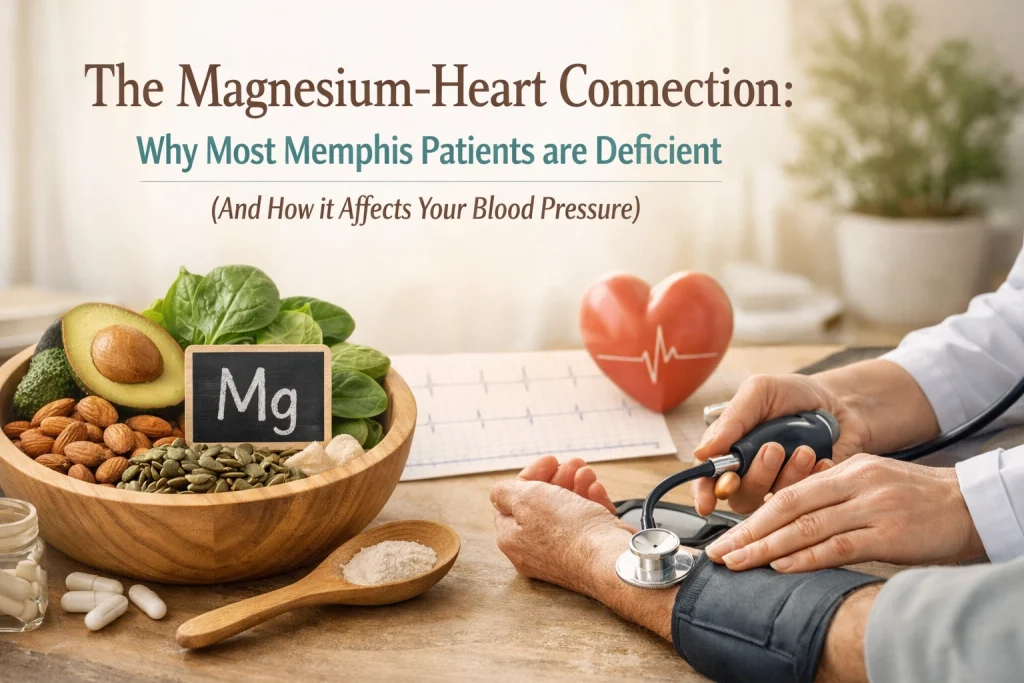
  • The Magnesium-Heart Connection: Why Most Memphis Patients are Deficient (And How it Affects Your Blood Pressure)

    The Magnesium-Heart Connection: Why Most Memphis Patients are Deficient (And How it Affects Your Blood Pressure)

    If you're taking blood pressure medication but your numbers still aren't where they should be, you're not alone. More than 80% of older adults in the United States aren't meeting dietary magnesium recommendations, and here in Memphis and Germantown, we're seeing the cardiovascular consequences play out in exam rooms every single day.

    The issue isn't just about eating more leafy greens. It's about understanding why magnesium has become the most overlooked mineral in modern cardiovascular care: and why the standard blood test your doctor ordered probably missed your deficiency entirely.

    Why Magnesium is the "Master Mineral" for Heart Health

    Magnesium functions as a cofactor in over 300 enzymatic reactions throughout your body. That means without adequate magnesium, hundreds of critical processes simply can't happen efficiently: including the ones that keep your heart beating steadily and your blood vessels relaxed.

    Here's what magnesium does for your cardiovascular system:

    • Regulates heart rhythm and electrical conduction
    • Relaxes blood vessel walls to lower blood pressure naturally
    • Prevents calcium from building up in arterial walls
    • Reduces inflammatory markers like C-reactive protein and interleukin-6
    • Supports energy production in heart muscle cells
    • Balances sodium and potassium for proper fluid regulation

    When magnesium levels drop, your blood vessels constrict, inflammation increases, and your heart has to work harder to pump blood through tighter arteries. This is why magnesium deficiency is directly linked to hypertension, arrhythmias, and increased heart failure risk.

    Magnesium-rich foods including spinach, almonds, pumpkin seeds, and avocado for heart health

    The Memphis Diet Problem: Why We're Setting Ourselves Up for Deficiency

    Let's talk about why patients in Memphis, Germantown, Collierville, and Arlington face particular magnesium challenges. The traditional Southern diet: while delicious: is notably low in magnesium-rich foods and high in processed ingredients that actively deplete your body's magnesium stores.

    The Standard Memphis Plate:

    • Fried foods (cooked in oils that lack magnesium)
    • White bread and refined grains (processing removes 80-90% of magnesium)
    • Sweet tea and sodas (high sugar intake increases magnesium excretion)
    • Limited dark leafy greens and nuts
    • Heavy reliance on processed and packaged foods

    Add to this the soil depletion problem. Modern agricultural practices have stripped minerals from farmland across the Mid-South. Even when you're eating vegetables, they contain significantly less magnesium than the same foods contained 50 years ago.

    The result? Research shows approximately 75% of postmenopausal women consume less than the Recommended Daily Allowance for magnesium. The numbers are likely similar for men, though they're studied less frequently.

    The Blood Pressure Connection: How Magnesium Lowers Your Numbers

    Magnesium acts as a natural calcium channel blocker: the same mechanism used by prescription blood pressure medications like amlodipine. When you have adequate magnesium, it prevents excessive calcium from entering your heart and blood vessel cells, keeping them relaxed and flexible.

    Low magnesium levels trigger a cascade of problems:

    • Blood vessels constrict and stiffen
    • Inflammatory markers rise (hs-CRP and IL-6 increase)
    • Endothelial dysfunction develops (the inner lining of blood vessels stops working properly)
    • Arterial walls become more prone to plaque buildup
    • Heart rhythm irregularities become more common

    Studies demonstrate that dietary magnesium intake is inversely associated with hypertension. In plain language: the less magnesium you consume, the higher your blood pressure tends to run.

    For our patients in Memphis dealing with resistant hypertension: blood pressure that won't respond to medications: magnesium deficiency is frequently part of the picture. Correcting the deficiency often allows blood pressure medications to work more effectively, or reduces the number of medications needed entirely.

    Blood test vial and lab form for RBC magnesium testing at medical clinic

    Why Your Doctor's Magnesium Test is Probably Wrong

    Here's where things get frustrating. Most doctors order a Serum Magnesium test, which measures magnesium levels in your blood plasma. This test misses the majority of deficiencies because only 1% of your body's magnesium is in your bloodstream.

    Your body tightly regulates serum magnesium levels because they're critical for heart function. When magnesium drops, your body pulls it from your bones, muscles, and tissues to keep blood levels stable. By the time a serum magnesium test shows low, you're severely depleted.

    The better test: RBC Magnesium (Red Blood Cell Magnesium)

    This test measures magnesium inside your cells: where 99% of your body's magnesium actually lives. It provides a far more accurate picture of your true magnesium status.

    At The Fatigue Clinic in Collierville, we routinely see patients with "normal" serum magnesium but significantly low RBC magnesium levels. These are the patients walking around with undiagnosed deficiency, wondering why their blood pressure won't budge despite multiple medications.

    Southern Soil and Water: The Local Magnesium Depletion Factor

    The Memphis area sits on unique geology: we're dealing with depleted topsoil from intensive cotton farming that lasted more than a century. Modern agriculture focuses on nitrogen, phosphorus, and potassium, largely ignoring trace minerals like magnesium.

    Additionally, our municipal water supply varies significantly in mineral content. While Memphis draws from a relatively pure aquifer, most water treatment processes don't add back minerals. If you're drinking filtered or bottled water (removing even more minerals), you're missing out on what used to be a reliable magnesium source.

    Compare this to regions with mineral-rich soil and hard water: populations there naturally consume more magnesium through food and water, and cardiovascular disease rates tend to run lower.

    Traditional Southern foods including fried chicken and sweet tea contributing to magnesium deficiency

    Signs You Might Be Magnesium Deficient

    Common symptoms include:

    • Muscle cramps, especially at night
    • Persistent fatigue despite adequate sleep
    • Heart palpitations or irregular heartbeat
    • High blood pressure that resists medication
    • Anxiety and difficulty managing stress
    • Headaches or migraines
    • Difficulty sleeping or restless legs
    • Constipation

    Many of our patients from Germantown and Arlington come in assuming they need more potassium for their muscle cramps: but magnesium deficiency is often the real culprit.

    What To Do About It: Testing and Treatment at The Fatigue Clinic

    If you're dealing with high blood pressure, heart palpitations, or any of the symptoms above, the first step is proper testing. We use RBC Magnesium testing to get an accurate baseline, then create a personalized supplementation plan.

    Magnesium supplementation isn't one-size-fits-all. Different forms of magnesium serve different purposes:

    • Magnesium glycinate: Best absorbed, gentle on digestion, ideal for deficiency correction
    • Magnesium taurate: Specifically supports cardiovascular function
    • Magnesium threonate: Crosses the blood-brain barrier for neurological benefits
    • Magnesium oxide: Poorly absorbed, acts more as a laxative

    We also offer IV magnesium therapy for patients with severe deficiency or absorption issues. IV administration bypasses the digestive system entirely, delivering magnesium directly to your cells.

    Don't Forget Your Heart's Bigger Picture: The $75 Cardiac Calcium Score

    While you're addressing magnesium deficiency, it's the perfect time to get baseline information about your cardiovascular risk. We're currently offering Cardiac Calcium Scoring for just $75: a fraction of what hospitals charge.

    This simple, non-invasive CT scan measures calcium deposits in your coronary arteries, giving you a precise picture of your heart disease risk. Combined with magnesium optimization, you're taking real, measurable steps to protect your heart health.

    The calcium score is particularly valuable if you:

    • Have family history of heart disease
    • Have high blood pressure or cholesterol
    • Are over 40 with cardiovascular risk factors
    • Want to know if your current prevention strategy is working

    Taking Action in Memphis and Germantown

    Here at The Fatigue Clinic in Collierville, serving patients throughout Memphis, Germantown, and Arlington, we see magnesium deficiency affect cardiovascular health every single week. The good news? It's one of the most straightforward deficiencies to correct when properly identified and treated.

    Ready to get your magnesium levels checked with the right test? Call us at 901-221-8621 to schedule comprehensive cardiovascular testing, including RBC Magnesium and our $75 Cardiac Calcium Score special.

    Your blood pressure: and your heart( will thank you.)

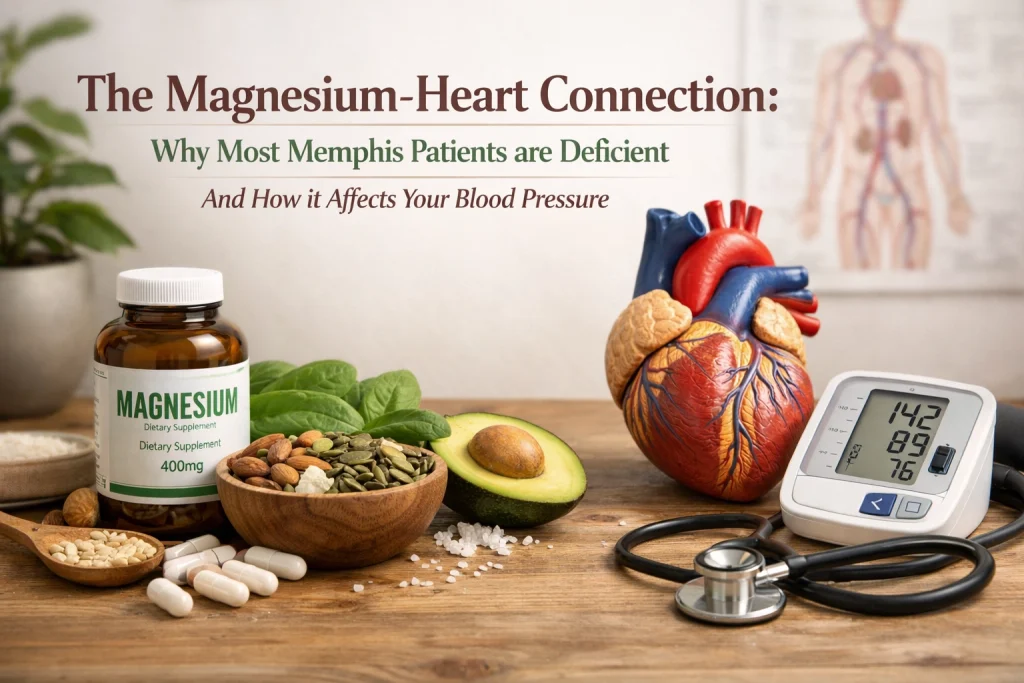
  • The Magnesium-Heart Connection: Why Most Memphis Patients are Deficient (And How it Affects Your Blood Pressure)

    The Magnesium-Heart Connection: Why Most Memphis Patients are Deficient (And How it Affects Your Blood Pressure)

    Your doctor says your blood pressure is creeping up. Maybe they've already started you on medication. But here's what most Memphis cardiologists won't tell you: your heart problem might actually be a magnesium problem.

    And the worst part? The standard blood test your doctor orders completely misses it.

    Why Magnesium is Your Heart's Best Friend

    Magnesium is the fourth most abundant mineral in your body: and your heart depends on it to function properly. Think of magnesium as the master electrician of your cardiovascular system. It regulates your heart rhythm, controls blood vessel tone, and helps your heart muscle relax between beats.

    Without enough magnesium, your blood vessels constrict. That means higher blood pressure. Your heart has to work harder to pump blood through tighter pathways. Over time, this leads to the exact problems we see in patients throughout Germantown, Collierville, and Memphis: hypertension, arrhythmias, and increased cardiovascular risk.

    Magnesium-rich foods including spinach, almonds, and avocado for heart health and blood pressure

    Here's what magnesium does for your heart every single day:

    • Relaxes blood vessels so blood flows more easily (lowering blood pressure naturally)

    • Regulates calcium movement into heart cells (preventing irregular heartbeats)

    • Reduces inflammation in artery walls (slowing plaque buildup)

    • Balances electrolytes like potassium and sodium (stabilizing heart rhythm)

    • Improves insulin sensitivity (reducing metabolic stress on the cardiovascular system)

    When magnesium levels drop, all of these protective mechanisms fail. Your blood pressure climbs. Your heart rhythm becomes unstable. Your risk of cardiac events increases.

    The Testing Problem Nobody Talks About

    Here's the frustrating truth: when your doctor orders a "magnesium level," they're testing serum magnesium. That's the magnesium floating around in your bloodstream.

    But only 1% of your body's magnesium is in your blood.

    The other 99%? It's stored in your bones, muscles, and soft tissues: especially your heart. Your body desperately protects that serum magnesium level because it's critical for survival. So even when you're severely deficient, your blood test comes back "normal."

    This is why patients in Memphis come to us confused and frustrated. They've been told their magnesium is fine, yet they're dealing with high blood pressure, irregular heartbeats, muscle cramps, and chronic fatigue: all classic signs of magnesium deficiency.

    Standard lab ranges aren't designed to catch functional deficiencies. They only flag extreme, life-threatening shortages. Most functional medicine doctors know that optimal magnesium levels sit at the high end of "normal": but conventional testing never reveals this.

    Heart model with magnesium supplements showing connection between minerals and cardiovascular health

    Why Memphis Patients Are at Higher Risk

    Research shows that 20% of patients at urban family medicine centers have hypomagnesemia: magnesium deficiency. That's significantly higher than the general population.

    Studies also indicate greater prevalence of hidden magnesium deficiency among African-Americans, a significant demographic in the Memphis metro area. The mechanism appears related to how magnesium affects insulin resistance and metabolic health, which then accelerates cardiovascular problems.

    But it's not just about demographics. Here's what we see every day at our Collierville clinic that depletes magnesium in patients across Germantown, Memphis, and Arlington:

    • High-stress lifestyles (stress hormones literally pull magnesium from your cells)

    • Poor soil quality in conventionally-grown foods (less magnesium in vegetables than 50 years ago)

    • High sugar and processed food diets (sugar metabolism burns through magnesium stores)

    • Medications like diuretics and proton pump inhibitors (actively deplete magnesium)

    • Chronic conditions like diabetes and gut disorders (interfere with magnesium absorption)

    • Heavy alcohol consumption (increases magnesium loss through urine)

    Add these factors together, and you understand why so many Memphis-area patients walk around with suboptimal magnesium: and why their blood pressure keeps climbing despite medication.

    The Signs Your Heart Needs More Magnesium

    Your body sends signals when magnesium runs low. Most patients ignore these signs because they seem unrelated to heart health. But your cardiovascular system is screaming for help.

    Watch for these red flags:

    Cardiovascular symptoms:

    • Blood pressure creeping up despite medication
    • Heart palpitations or irregular heartbeat
    • Chest tightness or discomfort

    Muscular symptoms:

    • Muscle cramps (especially at night)
    • Restless leg syndrome
    • Eyelid twitching
    • Muscle tension and stiffness

    Neurological symptoms:

    • Anxiety or heightened stress response
    • Trouble sleeping
    • Brain fog or difficulty concentrating
    • Headaches or migraines

    Metabolic symptoms:

    • Insulin resistance or rising blood sugar
    • Chronic fatigue despite adequate sleep
    • Difficulty managing weight

    If you're dealing with high blood pressure plus any of these other symptoms, magnesium deficiency should be at the top of your investigation list: not the bottom.

    Woman experiencing muscle cramps from magnesium deficiency, a common symptom in Memphis patients

    How Functional Medicine Doctors Test Differently

    At The Fatigue Clinic in Collierville, we don't rely on standard serum magnesium tests. We look deeper.

    Red Blood Cell (RBC) Magnesium testing measures the magnesium inside your cells: where 99% of it actually lives. This gives us a much more accurate picture of your true magnesium status.

    We also assess magnesium in the context of other minerals. Magnesium works alongside calcium, potassium, and sodium to regulate heart function. If one is out of balance, the others compensate: until they can't anymore.

    That's when patients develop hypertension, arrhythmias, and other cardiovascular issues that conventional medicine treats with medication but never addresses at the root cause level.

    The Heart-Calcium-Magnesium Triangle

    Here's where things get really interesting. Magnesium controls how calcium moves in and out of your heart cells. When magnesium is low, calcium floods into cells and blood vessel walls.

    That excess calcium? It doesn't just raise your blood pressure. It also deposits in your arteries as plaque.

    This is why we've made our $75 Cardiac Calcium Score special available to patients throughout the Memphis area this Heart Month. A Cardiac Calcium Score uses a quick CT scan to measure calcium deposits in your coronary arteries: the best predictor of future heart attack risk.

    If your score is elevated, it tells us two things:

    1. You've got cardiovascular disease developing (even if you feel fine)
    2. There's a good chance magnesium deficiency played a role

    The earlier we catch arterial calcification, the more we can do to stop and even reverse it: especially when we address the underlying magnesium deficiency driving the problem.

    How to Restore Magnesium (The Right Way)

    Not all magnesium supplements are created equal. Most patients in Germantown and Memphis grab cheap magnesium oxide from the drugstore: and wonder why nothing changes.

    Magnesium oxide has terrible absorption. You're basically flushing money down the toilet: sometimes literally, since it causes loose stools.

    Here's what actually works:

    Magnesium glycinate – Best for sleep, anxiety, and muscle relaxation. Highly absorbable with minimal digestive side effects.

    Magnesium threonate – Crosses the blood-brain barrier. Excellent for brain fog, focus, and cognitive health.

    Magnesium taurate – Specifically supports cardiovascular health. Combines magnesium with taurine (an amino acid that protects the heart).

    Topical magnesium – Magnesium chloride oil or Epsom salt baths allow absorption through the skin, bypassing digestive issues entirely.

    For patients with severe deficiency or urgent cardiovascular concerns, IV magnesium therapy delivers therapeutic doses directly into the bloodstream. We offer targeted IV infusions at our Collierville clinic designed to quickly restore magnesium levels while supporting heart health.

    Dosing varies based on your individual needs, but most adults benefit from 300-600 mg of elemental magnesium daily. Divided doses work better than one large dose, and taking magnesium with food improves absorption.

    The Bottom Line for Memphis Heart Health

    If you're dealing with high blood pressure in Germantown, Collierville, Memphis, or Arlington: don't assume medication is your only option. Most cardiologists never investigate magnesium status, even though deficiency is epidemic and directly affects blood pressure regulation.

    The standard serum magnesium test misses the vast majority of deficiencies. Your levels can be "normal" while your heart is starving for this critical mineral.

    This Heart Month, take control of your cardiovascular health from the ground up. Get a true assessment of your magnesium status with functional testing that looks inside your cells, not just your bloodstream. And if you're over 40 or have risk factors for heart disease, consider our $75 Cardiac Calcium Score to see what's actually happening in your coronary arteries.

    Your heart doesn't need more medication. It needs the minerals and nutrients to function the way nature intended.

    Ready to get to the root cause of your blood pressure issues? Call 901-221-8621 to schedule your functional medicine consultation at The Fatigue Clinic in Collierville. We serve patients throughout the Memphis area who are tired of band-aid solutions and ready for real answers.

  • Root-Cause Healing in Memphis: The Fatigue Clinic Difference

    Root-Cause Healing in Memphis: The Fatigue Clinic Difference

    Searching for functional medicine Memphis usually happens after the same frustrating pattern. You've been to doctor after doctor. You've had blood work done: sometimes the same panels run multiple times. You've been told your labs are "normal" while you feel anything but. You've been handed prescriptions that mask symptoms but never seem to get to the why behind your exhaustion, brain fog, or chronic pain.

    If this sounds familiar, you're not alone. Thousands of patients across Collierville, Germantown, Memphis, and Arlington have experienced this exact frustration. And it's precisely why The Fatigue Clinic exists.

    We do things differently here. We're not interested in putting band-aids on bullet wounds. We're health detectives, and our mission is to uncover what's actually going wrong in your body: then fix it at the source.

    The Problem With Conventional Medicine (It's Not What You Think)

    Let's be clear: conventional medicine saves lives every single day. If you break your arm or need emergency surgery, modern medicine is nothing short of miraculous.

    But here's where things get tricky. Conventional medicine was built for acute problems: infections, injuries, emergencies. It wasn't designed for the complex, chronic conditions that plague so many people today.

    Think about it. You go to your doctor with fatigue. They run some basic labs. Everything comes back within range. You're told to get more sleep, maybe take a vitamin, and come back if things get worse.

    But nothing changes. Because no one asked the deeper questions:

    • Why is your body not producing energy efficiently?
    • What's happening at the cellular level?
    • Is there hidden inflammation, a gut imbalance, or a hormonal dysfunction driving your symptoms?

    This is the gap we fill at The Fatigue Clinic.

    Root Cause Discovery: Quick Facts Sheet A wooden clipboard displays a fact sheet titled 'Root Cause Discovery: Quick Facts Sheet' beside a beaker with a plant root, magnifying glass, potted plant, and ceramic mug. This arrangement visually reflects The Fatigue Clinic's functional medicine approach, emphasizing the identification of underlying causes of illness through holistic and investigative methods.

    The "Health Detective" Approach: How We Find What Others Miss

    At our clinic in Collierville, TN, we practice what's called root-cause medicine. Instead of asking "what medication can suppress this symptom?" we ask "why is this symptom happening in the first place?"

    We dig deeper. We look at your nutrition, your environment, your lifestyle, your genetics, and your history. We examine how all these pieces connect: because your body is a system, not a collection of unrelated parts.

    Here's what makes our approach different:

    Comprehensive Testing: We use advanced diagnostic testing that goes far beyond standard blood panels. We're looking at markers most conventional doctors don't even check.

    Personalized Treatment Plans: There's no one-size-fits-all protocol here. Your treatment plan is built specifically for your unique biology and circumstances.

    Time and Attention: We actually listen. Your first appointment isn't a rushed 15-minute encounter. We take the time to understand your complete health picture.

    Evidence-Based Protocols: Everything we do is grounded in scientific research. We combine traditional healing wisdom with cutting-edge science to give you the best of both worlds.

    Who We Help: Complex Cases Welcome

    Many of our patients in the Memphis area come to us after being dismissed, misdiagnosed, or told "it's all in your head." They're dealing with conditions that don't fit neatly into conventional diagnostic boxes.

    Patients waiting in a bright, welcoming Memphis functional medicine clinic focused on root-cause healing

    Long COVID Recovery

    Long COVID has affected millions of people, leaving them with persistent fatigue, brain fog, shortness of breath, and a host of other debilitating symptoms: sometimes months or even years after their initial infection.

    Conventional medicine often has little to offer these patients beyond "wait and see." But at The Fatigue Clinic, we understand that Long COVID involves complex immune dysregulation, mitochondrial dysfunction, and often reactivation of latent viruses. We have specific protocols designed to address these underlying mechanisms.

    Autoimmune Disorders

    If you have an autoimmune condition like Hashimoto's, lupus, or rheumatoid arthritis, you've probably been told you'll need to manage it with medications for the rest of your life.

    But what if you could calm the autoimmune response by addressing the triggers? Things like gut permeability, chronic infections, toxin exposures, and food sensitivities can all drive autoimmune activity. Remove the triggers, and many patients see dramatic improvement.

    Chronic Fatigue and Fibromyalgia

    These conditions are particularly frustrating because they're often dismissed or minimized. "You just need to exercise more" or "have you tried antidepressants?" aren't helpful answers when you can barely get through your day.

    We take chronic fatigue and fibromyalgia seriously. We look for the metabolic, hormonal, and immune factors that are draining your energy: and we address them systematically.

    Our Toolkit: Therapies That Actually Work

    Root-cause medicine isn't just about identifying problems: it's about having effective tools to fix them. Here are some of the therapies we use at The Fatigue Clinic:

    PEMF Therapy

    Pulsed Electromagnetic Field (PEMF) therapy is one of the most powerful tools we have for reducing pain and inflammation, improving cellular energy production, and accelerating healing.

    It's non-invasive, completely painless, and backed by decades of research. Many of our Memphis chronic pain patients have been able to reduce or eliminate their dependence on medications after incorporating PEMF into their treatment plans.

    Learn more about PEMF therapy and why it's becoming so popular

    IV therapy being administered at a Memphis wellness clinic, showcasing modern integrative medicine options

    IV Therapy

    When your gut isn't absorbing nutrients properly (which is common in chronic illness), oral supplements only get you so far. IV therapy delivers vitamins, minerals, and other nutrients directly into your bloodstream, bypassing the digestive system entirely.

    This means higher absorption rates and faster results. We offer customized IV formulations based on your specific deficiencies and health goals. Our Germantown and Collierville patients have experienced remarkable improvements in energy, immune function, and overall well-being with targeted IV protocols.

    Explore IV therapy options that actually work

    Biofeedback

    Our clinic uses an acoustic mat for biofeedback sessions. It's simple and relaxing: there are no physical connections to you at all. Based on Dr. Bartel's research, this technology helps your nervous system reset and recover from chronic stress patterns that may be contributing to your symptoms.

    Nutritional and Lifestyle Medicine

    Sometimes the most powerful interventions are the most fundamental. What you eat, how you sleep, how you manage stress: these factors have enormous impacts on your health. We provide detailed guidance on optimizing these foundations.

    Serving the Greater Memphis Area

    The Fatigue Clinic is located in Collierville, TN, and we proudly serve patients from:

    • Germantown
    • Memphis
    • Arlington
    • Eads
    • And surrounding communities

    We also offer telemedicine appointments for those who can't easily make it to our clinic. Distance shouldn't be a barrier to getting the care you deserve.

    There Is a Path Forward

    If you've been struggling with chronic illness and feel like you've tried everything, we want you to know: there is hope. The answers are out there: they just require someone willing to look deeper.

    At The Fatigue Clinic, we've helped countless patients across the Memphis area reclaim their health and their lives. People who had given up hope. People who were told nothing could be done. They're now thriving.

    You could be next.


    Ready to discover what's really driving your symptoms? Visit designvista.serverhatch.com/thefatigueclinic/ to learn more about our biology-based approach to healing.

    Or call us directly at 901-221-8621 to schedule your consultation. Your body has the capacity to heal; sometimes it just needs a little help finding its way back.

  • The Memphis Guide to High Blood Pressure: Why Your Meds Aren't Fixing the Root Cause

    The Memphis Guide to High Blood Pressure: Why Your Meds Aren't Fixing the Root Cause

    If you're one of the 47% of American adults living with high blood pressure, you've probably been told the same thing at every doctor's visit: "Your numbers are up. Here's a prescription." You take the pills. Your blood pressure drops. Problem solved, right?

    Not exactly.

    Blood pressure medications manage symptoms, they don't fix what's broken. And if you're dealing with stubborn hypertension in Memphis, Germantown, or Collierville, it's time to ask a bigger question: Why is my blood pressure high in the first place?

    At The Fatigue Clinic in Collierville, we serve patients throughout Memphis, Germantown, Arlington, and surrounding areas with a functional medicine approach that digs deeper. This Heart Month, let's talk about what's really driving your high blood pressure, and what you can actually do about it.

    Why Standard BP Meds Fall Short

    Here's the thing about conventional blood pressure treatment: it's reactive, not proactive. Your doctor sees elevated numbers and prescribes a beta-blocker, ACE inhibitor, or diuretic to force those numbers down. The medication works, sort of. Your systolic and diastolic readings improve on paper.

    But the underlying dysfunction is still there, quietly wreaking havoc on your cardiovascular system, kidneys, and metabolic health.

    Think of it like this: If your car's check engine light keeps coming on, you could just put a piece of tape over it. The light's gone, but the engine problem? Still there. That's what happens when we treat high blood pressure without addressing root causes.

    Blood pressure cuff with magnesium supplements and leafy greens representing functional medicine approach

    The Real Culprits Behind High Blood Pressure

    Chronic inflammation is enemy number one. When your body is stuck in a state of low-grade inflammation, triggered by poor diet, stress, environmental toxins, or gut dysfunction, your blood vessels become stiff and less responsive. Inflamed arteries equal elevated pressure. No medication can reverse that damage if the inflammation source remains untouched.

    Insulin resistance is another major player. When your cells stop responding properly to insulin (often from years of high-carb, high-sugar eating), your body compensates by producing more insulin. Excess insulin tells your kidneys to hold onto sodium, which increases blood volume and, you guessed it, raises blood pressure. Many patients in Memphis and Germantown are walking around with undiagnosed insulin resistance, thinking their hypertension is just "genetic."

    Chronic stress activates your sympathetic nervous system constantly. Your body pumps out cortisol and adrenaline like you're being chased by a bear, constricting blood vessels and jacking up your heart rate. Stress management isn't just "nice to have", it's essential for blood pressure control.

    Nutrient deficiencies matter more than most doctors acknowledge. Magnesium deficiency is rampant in the United States, and magnesium is critical for relaxing blood vessels. Low levels of potassium, vitamin D, and omega-3 fatty acids all contribute to hypertension. A standard doctor's visit doesn't typically test for these, but at The Fatigue Clinic, we do.

    The Functional Medicine Approach in Collierville

    When you come to The Fatigue Clinic in Collierville, serving the greater Memphis area, we don't just look at your blood pressure reading. We look at you, your inflammation markers, metabolic health, stress levels, nutrient status, and lifestyle patterns.

    Our process starts with comprehensive lab testing that goes beyond the basics. We check inflammatory markers like hs-CRP, assess insulin resistance with fasting insulin and HOMA-IR scores, evaluate nutrient levels, and look at thyroid function (yes, thyroid issues can elevate BP too).

    We also offer a $75 Cardiac Calcium Score, a specialized CT scan that measures calcium buildup in your coronary arteries. This test gives us a clear picture of your actual cardiovascular disease risk, not just theoretical numbers. If you're over 40 and dealing with hypertension in Germantown, Memphis, or Arlington, this test is invaluable.

    From there, we create a personalized treatment plan that addresses the root causes we identify. That might include dietary changes to reduce inflammation and improve insulin sensitivity, targeted supplementation (magnesium, potassium, CoQ10, omega-3s), stress management techniques, and yes: medication if needed. But the medication becomes part of the solution, not the entire solution.

    What You Can Do Right Now

    Start tracking your blood pressure at home. Get a quality home monitor and check your numbers at the same time each day. Morning readings are typically the most informative. Keep a log. This data helps you and your doctor see patterns that a single office visit misses.

    Cut the processed foods and added sugars. This isn't about perfection: it's about progress. Swap out sugary drinks for water or unsweetened tea. Choose whole foods over packaged meals. Reduce your sodium intake by cooking at home more often (restaurant meals are sodium bombs). Focus on vegetables, lean proteins, healthy fats, and whole grains.

    Move your body consistently. You don't need to run marathons. Walking 30 minutes a day, five days a week, can significantly lower blood pressure. Resistance training helps too. Find something you'll actually do: gardening, dancing, swimming, whatever gets you moving.

    Prioritize sleep and stress management. Poor sleep quality directly impacts blood pressure. Aim for 7-9 hours of quality sleep in a cool, dark room. Consider stress-reduction practices like meditation, deep breathing exercises, or yoga. At The Fatigue Clinic, we offer biofeedback using an acoustic mat: a simple, relaxing tool based on Dr. Bartel's research that helps patients manage stress with no physical connections required.

    Get your magnesium levels checked. Many people in Memphis and surrounding areas are deficient and don't know it. Magnesium glycinate (200-400mg daily) is well-tolerated and effective for most people, but get tested first and work with a provider who understands optimal ranges.

    Home blood pressure monitor showing healthy readings with herbal tea and fresh berries

    When to Worry (And When to Act)

    Blood pressure above 130/80 is considered elevated. Above 140/90 is stage 2 hypertension and requires immediate attention. If you're experiencing severe headaches, chest pain, vision changes, or shortness of breath, get to an ER immediately: these can be signs of a hypertensive crisis.

    But even if your numbers aren't sky-high, consistently elevated blood pressure damages your body over time. It increases your risk for heart attack, stroke, kidney disease, and dementia. Don't wait for a crisis to take action.

    Why Location Matters for Your Heart Health

    Finding a provider who understands functional medicine in the Memphis area can be challenging. Many patients from Germantown, Collierville, and Arlington drive significant distances to access comprehensive care. The Fatigue Clinic in Collierville brings that expertise to your backyard.

    We understand the unique health challenges in our region: the dietary patterns, environmental factors, and lifestyle stressors that impact residents of the Memphis metropolitan area. We're not just treating numbers on a chart. We're treating people in our community.

    Our $75 Cardiac Calcium Score is one example of how we make advanced cardiovascular testing accessible to patients throughout the Memphis area. This test typically costs several hundred dollars elsewhere, but we believe everyone deserves to know their true heart disease risk.

    The Bottom Line on Blood Pressure

    High blood pressure is not a medication deficiency. It's a sign that something deeper is wrong: inflammation running wild, metabolic dysfunction, chronic stress, nutrient imbalances, or all of the above.

    Medications have their place. They can be lifesaving and necessary. But if you want to truly fix your high blood pressure: not just mask it: you need to address the root causes.

    That requires comprehensive testing, personalized treatment, and a healthcare provider who sees you as more than a number on a chart.

    Ready to get serious about your heart health this Heart Month? Call The Fatigue Clinic in Collierville at 901-221-8621 to schedule your comprehensive cardiovascular assessment. Ask about our $75 Cardiac Calcium Score special and discover what's really happening inside your arteries.

    Your heart deserves better than Band-Aid solutions. Let's find out what's actually driving your high blood pressure: and fix it for good.

  • Why Your Labs Look "Normal" But You Still Feel Awful: What Functional Medicine in Memphis Reveals

    Why Your Labs Look "Normal" But You Still Feel Awful: What Functional Medicine in Memphis Reveals

    You know the feeling. You're exhausted. Brain fog has taken over your mornings. Your joints ache for no reason. You drag yourself to the doctor, get blood work done, and wait anxiously for answers.

    Then you get the call: "Everything looks normal."

    But here's the problem: you don't feel normal. Not even close.

    If this sounds familiar, you're not alone. Patients in Collierville, Germantown, and Memphis come to us all the time with this exact frustration. They've been told their labs are fine, yet they're still struggling with chronic fatigue, unexplained weight gain, digestive issues, or persistent brain fog.

    So what's going on? Why do your labs say you're healthy when your body is screaming otherwise?

    The Truth About "Normal" Lab Ranges

    Here's what most people don't understand: "normal" doesn't mean optimal.

    Standard lab reference ranges are based on population averages: not on what's actually healthy for your individual body. These ranges are designed to catch severe disease, not early dysfunction. If your thyroid, blood sugar, or inflammation markers fall anywhere within that wide "normal" range, you get the green light.

    But that range includes a lot of unhealthy people. It's a statistical bell curve that often incorporates data from individuals with existing imbalances, chronic conditions, and metabolic dysfunction. Being "normal" in a sick population doesn't make you healthy.

    Think of it like this: if most people in your neighborhood have termites, having termites becomes "normal." That doesn't mean your house is structurally sound.

    Blood test results showing normal lab ranges with stethoscope at functional medicine clinic

    The Subclinical Zone: Where Dysfunction Hides

    There's a critical space between "healthy" and "diseased" that conventional medicine often ignores. We call it the subclinical zone.

    This is where your body is starting to show signs of stress, hormonal imbalance, nutrient deficiencies, or inflammation: but nothing severe enough to trigger a diagnosis. Your labs technically fall within range, so you're sent home without answers.

    But your symptoms are real. Your body is trying to tell you something.

    At The Fatigue Clinic in Collierville, we specialize in listening to what your body is saying: and we use functional medicine to find the answers hiding in that subclinical zone.

    How Functional Medicine Reads Labs Differently

    We use the same blood tests as conventional doctors. The difference? We interpret them through a completely different lens.

    Here's what sets functional medicine apart:

    1. Tighter Optimal Ranges

    We don't settle for "normal." We look for optimal.

    For example, a conventional doctor might see a fasting blood sugar of 99 mg/dL and say you're fine (because anything under 100 is "normal"). But in functional medicine, we know that consistently elevated fasting glucose in the high 90s signals early insulin resistance: a red flag that deserves attention before it becomes prediabetes or type 2 diabetes.

    2. Pattern Recognition

    Instead of looking at isolated numbers, we examine how multiple markers interact.

    Take thyroid function, for instance. Your TSH (thyroid stimulating hormone) might look perfect. But if your free T3 is low and your reverse T3 is high, it suggests your body isn't converting thyroid hormone properly. You could have all the symptoms of hypothyroidism: fatigue, weight gain, hair loss, cold intolerance: while your TSH stays "normal."

    Standard labs would miss this entirely. Functional medicine catches it.

    Root Cause Discovery: Quick Facts Sheet

    3. Additional Markers

    We test things conventional panels often skip:

    • Micronutrient levels (vitamin D, B12, magnesium, iron stores)
    • Gut health indicators (inflammation, permeability, digestive enzyme function)
    • Mitochondrial function (your cells' energy production)
    • Oxidative stress markers (how much damage free radicals are causing)
    • Advanced inflammatory markers like high-sensitivity C-reactive protein (hs-CRP)

    These markers reveal why you're tired, inflamed, or struggling with chronic symptoms: even when everything else looks "fine."

    4. Clinical Context

    Numbers don't exist in a vacuum. We evaluate your labs alongside your symptoms, medical history, lifestyle, and stress levels. We look at how different systems in your body are communicating (or failing to communicate).

    This is root-cause medicine. We're not just treating lab values: we're treating you.

    Comparison of standard versus optimal lab ranges in functional medicine testing

    Real-World Examples: What We Find in Patients Around Memphis

    Let's get specific. Here are some common scenarios we see in our Collierville clinic with patients from Germantown, Memphis, Arlington, and surrounding areas:

    The Thyroid Mystery

    A woman in her 40s comes in exhausted, gaining weight despite eating well, losing hair, and freezing all the time. Her TSH is 2.5 (well within "normal"). But her free T3 is in the basement and her thyroid antibodies are elevated. She has Hashimoto's thyroiditis: an autoimmune thyroid condition: that her previous doctor never tested for.

    Solution: Address the autoimmune trigger, support thyroid conversion, and optimize her T3 levels.

    The Blood Sugar Roller Coaster

    A 50-year-old man feels wired at night, crashes in the afternoon, and carries extra weight around his belly. His fasting glucose is 96 (normal). But his fasting insulin is 18 (way too high) and his hemoglobin A1C is creeping up to 5.6. He's on the fast track to diabetes, but no one warned him.

    Solution: Implement a metabolic reset with dietary changes, targeted supplements, and lifestyle interventions to restore insulin sensitivity.

    The Inflammation Nobody Saw

    A young woman has chronic joint pain, skin issues, and brain fog. Her standard inflammatory markers (like CRP) are "normal." But when we run high-sensitivity CRP, it's elevated. We also find elevated homocysteine and low omega-3 levels: all markers of systemic inflammation and oxidative stress.

    Solution: Anti-inflammatory nutrition plan, omega-3 supplementation, and addressing gut health to reduce inflammatory triggers.

    Comprehensive functional medicine biomarker testing display with health supplements

    Why This Matters for Your Heart Health

    February is Heart Month, and here's something most people don't realize: heart disease doesn't start with a heart attack. It starts years earlier with subtle lab abnormalities that conventional medicine overlooks.

    Mildly elevated fasting insulin, rising triglycerides, low HDL cholesterol, elevated hs-CRP, and poor blood sugar control: all of these create a perfect storm for cardiovascular disease. But they often fly under the radar because they're technically "normal."

    That's why we're offering our $75 Cardiac Calcium Score special this month. This non-invasive CT scan shows the actual calcification in your coronary arteries: giving you a clear picture of your heart disease risk that blood work alone can't provide.

    If you're in Collierville, Germantown, or Memphis and you've been told your labs are fine but you're worried about your heart, this test is a game-changer.

    What to Do If You're Stuck in "Normal" Limbo

    If you've been dismissed with "normal" labs but you still feel awful, here's what you need to know:

    You're not crazy. Your symptoms are valid. And there's a better way to get answers.

    At The Fatigue Clinic, we dig deeper. We use functional medicine to uncover the root causes of your symptoms: whether that's hormonal imbalance, nutrient deficiencies, gut dysfunction, mitochondrial issues, or chronic inflammation.

    We serve patients throughout the greater Memphis area, including Collierville, Germantown, Arlington, and beyond. If you're tired of being told everything is fine when it clearly isn't, we're here to help.

    Call 901-221-8621 to schedule a consultation. Let's figure out what's really going on: and get you back to feeling like yourself again.

    And don't forget: our $75 Cardiac Calcium Score special is available throughout February. Take control of your heart health today.

    You deserve answers. You deserve to feel better. And you deserve a doctor who listens.