Author: TWD_Coding

  • How Our Chronic Care Quality Program Can Help Manage Your Hypertension in Memphis and Germantown

    How Our Chronic Care Quality Program Can Help Manage Your Hypertension in Memphis and Germantown

    High blood pressure affects nearly half of all American adults, yet many people struggle to keep their numbers under control despite taking medications and trying lifestyle changes. If you're living in Germantown, Memphis, Arlington, or surrounding areas and finding it challenging to manage your hypertension, The Fatigue Clinic's Chronic Care Quality Program offers a revolutionary approach that puts continuous monitoring and expert support right at your fingertips.

    Traditional hypertension management often falls short because it relies on occasional office visits and guesswork between appointments. Our Chronic Care Quality Program bridges that gap with real-time monitoring, instant provider communication, and personalized care plans that adapt to your daily life.

    Understanding Hypertension: More Than Just Numbers

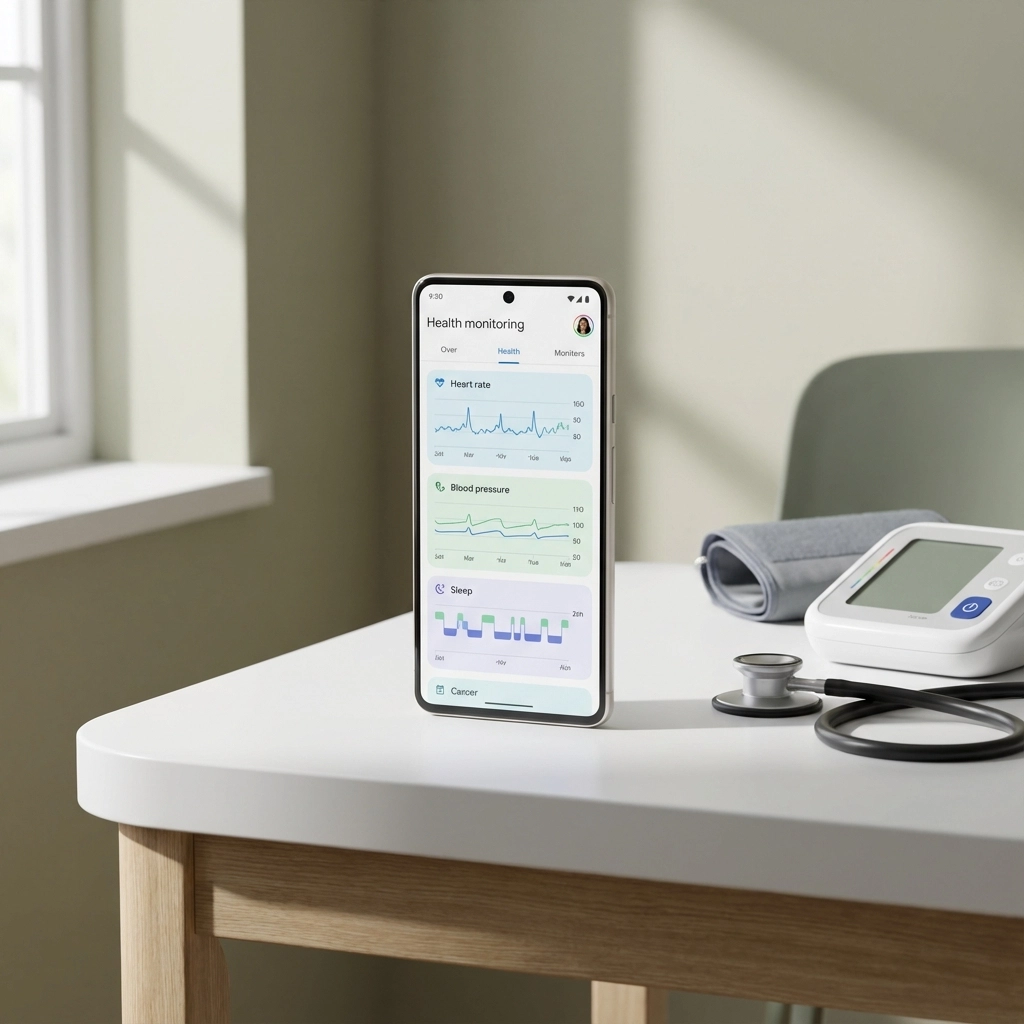
    Hypertension, commonly called high blood pressure, occurs when the force of blood against your artery walls consistently measures 130/80 mmHg or higher. Think of your circulatory system like a garden hose – when water pressure is too high, it can damage the hose over time. Similarly, elevated blood pressure gradually damages your arteries, heart, kidneys, and other vital organs.
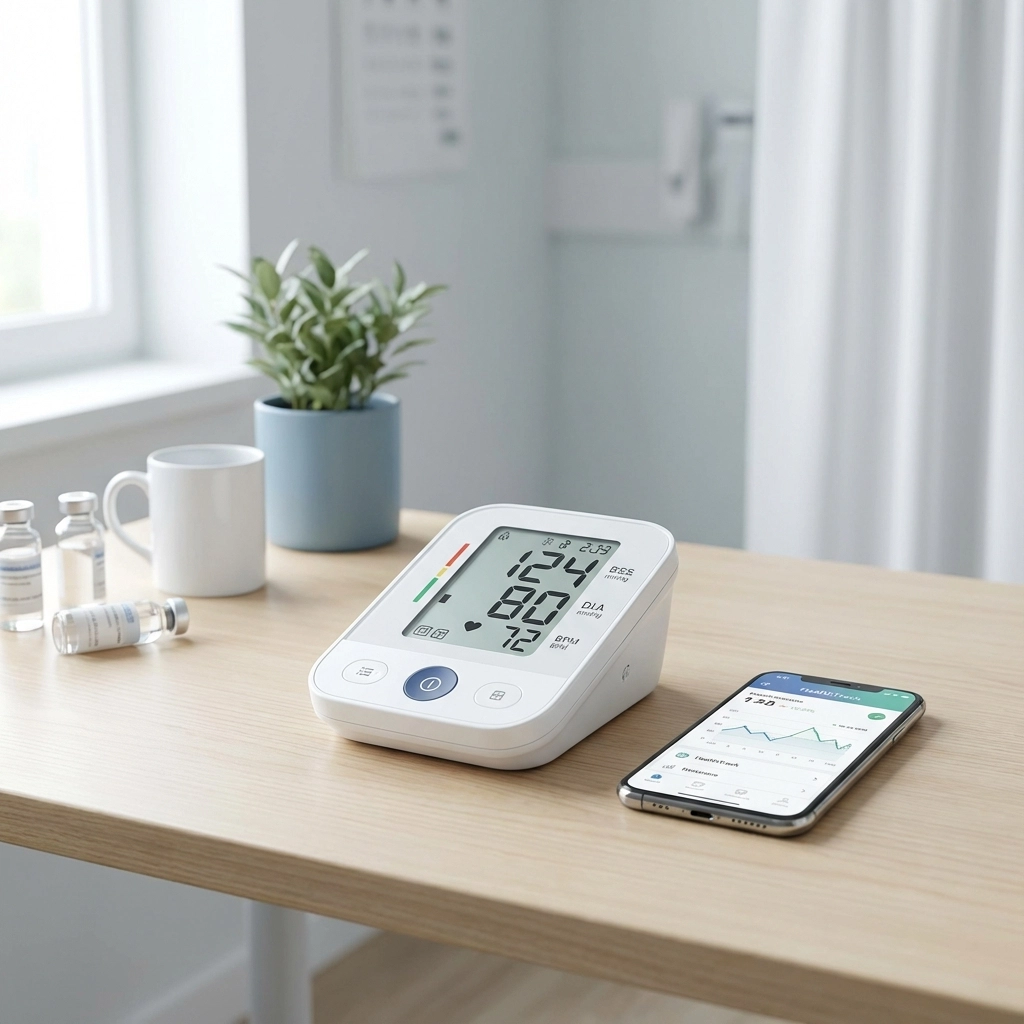
    image_1

    The "silent killer" reputation exists for good reason. Most people with hypertension experience no obvious symptoms until serious complications develop. You might feel perfectly fine while your blood pressure silently damages your cardiovascular system for months or years.

    Primary hypertension (affecting 90-95% of cases) develops gradually without a specific identifiable cause, often influenced by genetics, age, diet, stress, and lifestyle factors. Secondary hypertension stems from underlying conditions like kidney disease, sleep apnea, or certain medications.

    The Hidden Dangers of Uncontrolled Blood Pressure

    Unmanaged hypertension creates a cascade of health problems that extend far beyond simple elevated numbers. Your heart works harder to pump blood through narrowed, stiffened arteries, leading to enlarged heart muscle and eventual heart failure.

    Stroke risk increases dramatically with uncontrolled hypertension. High pressure can cause blood vessels in the brain to burst or become blocked, resulting in potentially devastating neurological damage. Even mild elevations in blood pressure significantly increase stroke probability.

    Kidney damage occurs gradually and often goes unnoticed until significant function is lost. Your kidneys contain millions of tiny blood vessels that filter waste from your blood. Persistent high pressure damages these delicate structures, potentially leading to kidney failure requiring dialysis or transplantation.

    Vision problems develop when hypertension damages the small blood vessels in your retina. Hypertensive retinopathy can cause vision loss and serves as an early indicator of systemic vascular damage throughout your body.

    Common Challenges in Blood Pressure Management

    Most patients struggle with hypertension control despite their best efforts. Traditional healthcare delivery creates several barriers that make successful management difficult.

    Infrequent monitoring represents the biggest challenge. Office visits every 3-6 months provide only snapshots of your blood pressure, missing important patterns and fluctuations that occur throughout each day. Your blood pressure naturally varies based on stress, activity, sleep, diet, and countless other factors.

    White coat syndrome affects up to 30% of patients, causing artificially elevated readings in medical settings due to anxiety or stress. These false elevations can lead to unnecessary medication increases or misdiagnosis of uncontrolled hypertension.

    image_2

    Medication adherence proves consistently challenging for many patients. Complex dosing schedules, side effects, and forgetfulness contribute to poor medication compliance. Studies show that 50% of patients stop taking blood pressure medications within one year of starting treatment.

    Lifestyle modifications require ongoing support and accountability that traditional healthcare models struggle to provide. Dietary changes, exercise programs, stress management, and sleep optimization need continuous reinforcement and adjustment.

    Communication barriers between patients and providers create gaps in care. Important changes in symptoms, medication effects, or life circumstances often go unreported until the next scheduled appointment.

    How Our Chronic Care Quality Program Transforms Hypertension Management

    The Fatigue Clinic's Chronic Care Quality Program addresses these challenges through comprehensive remote monitoring, continuous provider communication, and personalized care coordination. Our approach recognizes that effective hypertension management requires daily attention, not quarterly check-ups.

    Remote blood pressure monitoring forms the foundation of our program. Patients receive easy-to-use digital blood pressure monitors that automatically transmit readings to our clinical team through a secure smartphone app. This technology eliminates the need for manual logging and ensures accurate, timely data collection.

    Your dedicated care coordinator monitors your readings in real-time, identifying trends and patterns that might indicate problems before they become serious. Sudden spikes, gradual increases, or concerning patterns trigger immediate provider notification for prompt intervention.

    Medication management becomes proactive rather than reactive. Our providers can adjust dosages, timing, or medication combinations based on continuous monitoring data rather than waiting for your next appointment. This approach optimizes blood pressure control while minimizing side effects.

    Lifestyle coaching and education occur through regular video calls, messaging, and educational resources delivered through our platform. Your care team provides personalized guidance on diet, exercise, stress management, and sleep optimization based on your individual challenges and goals.

    The Power of Real-Time Monitoring and Trending

    Traditional blood pressure management relies on isolated measurements taken during office visits, providing limited insight into your true cardiovascular health. Our Chronic Care Quality Program captures comprehensive data that reveals important patterns invisible to conventional monitoring.

    Daily blood pressure trending shows how your numbers respond to medications, stress, diet changes, exercise, sleep patterns, and other lifestyle factors. This data enables precise medication timing and dosing adjustments that dramatically improve control while reducing side effects.

    Early warning systems alert our clinical team when readings exceed predetermined thresholds or show concerning trends. Intervention occurs within hours rather than weeks or months, preventing potential complications and hospitalizations.

    image_3

    Medication effectiveness tracking allows real-time assessment of treatment responses. If a new medication isn't providing expected benefits or causes problematic side effects, our team can make immediate adjustments rather than waiting for your next scheduled appointment.

    Lifestyle impact analysis demonstrates how specific activities, foods, stressors, or sleep patterns affect your blood pressure. This personalized data empowers you to make informed choices that directly improve your cardiovascular health.

    Local Expertise Serving Germantown, Memphis, and Arlington

    Our Collierville-based team understands the unique health challenges facing residents of Germantown, Memphis, Arlington, and surrounding communities. Local environmental factors, lifestyle patterns, and healthcare access issues all influence hypertension management strategies.

    Geographic proximity ensures rapid response when urgent situations arise. Our clinical team can coordinate with local emergency departments, specialists, and hospitals when higher levels of care become necessary.

    Cultural competency and community connections enhance patient engagement and treatment success. Our providers understand local dietary preferences, activity options, and social support systems that impact long-term health outcomes.

    Reduced travel burden particularly benefits patients with mobility limitations, transportation challenges, or busy schedules. Most monitoring and communication occurs remotely, eliminating frequent trips to medical offices while maintaining high-quality care.

    Fewer Office Visits, Better Outcomes

    The Chronic Care Quality Program dramatically reduces the need for routine office visits while providing more comprehensive care than traditional models. Patients typically require only quarterly in-person appointments for physical examinations and care plan adjustments.

    Virtual consultations handle most routine monitoring, medication adjustments, and educational needs. Video calls provide face-to-face interaction without the time and expense of office visits. Secure messaging allows ongoing communication between scheduled appointments.

    Emergency protocols ensure immediate access to providers when urgent situations arise. 24/7 monitoring alerts trigger rapid response for concerning blood pressure elevations or other urgent symptoms.

    Cost effectiveness improves significantly compared to traditional care models. Reduced office visits, prevented complications, and optimized medication management typically result in lower overall healthcare costs while delivering superior outcomes.

    Real-World Success Stories

    Mary, a 58-year-old teacher from Germantown, struggled with uncontrolled hypertension despite taking multiple medications. Traditional quarterly visits failed to identify that her blood pressure spiked dramatically during stressful school periods. Our remote monitoring revealed these patterns, enabling targeted stress management strategies and medication timing adjustments that brought her blood pressure into excellent control.

    James, a Memphis truck driver, found it nearly impossible to attend regular medical appointments due to his irregular schedule. The Chronic Care Quality Program allowed him to maintain excellent hypertension management through remote monitoring and virtual consultations, preventing the need for medication increases that could have affected his commercial driving certification.

    image_4

    Patricia from Arlington experienced frequent medication side effects that weren't reported until her next scheduled appointment, leading to months of unnecessary symptoms. Real-time monitoring and instant communication enabled our team to quickly identify and resolve medication issues, dramatically improving her quality of life while maintaining optimal blood pressure control.

    Advanced Technology Made Simple

    Our smartphone app requires no technical expertise and works with patients of all ages and technological comfort levels. Large, clear displays and simple navigation make daily monitoring effortless. Automatic data transmission eliminates the possibility of lost or forgotten readings.

    Integration with popular fitness trackers and health apps provides comprehensive health monitoring without requiring multiple devices. Sleep data, activity levels, and weight measurements automatically sync with blood pressure readings to provide complete health pictures.

    Family member access allows trusted relatives to monitor your progress and receive alerts about concerning changes. This feature proves especially valuable for elderly patients or those with multiple health conditions requiring family involvement.

    Taking the Next Step Toward Better Blood Pressure Control

    The Fatigue Clinic's Chronic Care Quality Program represents a fundamental shift from reactive to proactive hypertension management. Continuous monitoring, real-time provider communication, and personalized care coordination deliver superior outcomes compared to traditional approaches.

    Our comprehensive program addresses the root causes of poor blood pressure control rather than simply treating symptoms. Technology enhancement, not replacement, of human care ensures you receive both advanced monitoring capabilities and compassionate, personalized attention.

    Patients throughout Germantown, Memphis, Arlington, and surrounding areas have already experienced the life-changing benefits of our innovative approach. Better blood pressure control, reduced medication side effects, fewer complications, and improved quality of life represent just the beginning of what's possible with proper chronic care management.

    Don't let another day pass with suboptimal blood pressure control. Contact The Fatigue Clinic today to learn if you qualify for our Chronic Care Quality Program. Call us to schedule a consultation and discover how advanced monitoring and continuous provider support can transform your hypertension management.

    Your heart, kidneys, brain, and entire cardiovascular system deserve the protection that comes from optimal blood pressure control. Our team in Collierville stands ready to provide the comprehensive care you need to achieve and maintain excellent cardiovascular health for years to come.


  • Safe IV Clinics: Quick Facts For Memphis & Germantown Patients (Resource Sheet)

    Safe IV Clinics: Quick Facts For Memphis & Germantown Patients (Resource Sheet)

    Safety Checklist: What to Verify Before Your First Visit

    Licensed Medical Staff
    • Only licensed nurses, nurse practitioners, or physicians should administer IV therapy
    • Ask about staff credentials and annual training requirements
    • Verify the clinic employs medical professionals with IV therapy experience

    Facility Licensing & Accreditation
    • Confirm the clinic holds proper state medical facility licensing
    • Check for accreditation from recognized healthcare organizations
    • Ensure compliance with Tennessee Department of Health regulations

    Infection Control Protocols
    Sterile, single-use equipment for every patient
    • Proper hand hygiene and sterile technique procedures
    • Clean, sanitized treatment areas between patients
    • Ask about their sterilization protocols – should meet or exceed hospital standards

    Red Flags: When to Walk Away

    Immediate Warning Signs
    • Unlicensed staff administering treatments
    • Reusing needles, tubing, or IV bags
    • No pre-treatment health assessment
    • Pressure to purchase packages upfront
    No medical supervision on-site during treatments
    • Unwillingness to discuss credentials or safety protocols

    Essential Questions to Ask

    Before Scheduling
    • "What are the credentials of your staff?"
    • "What safety protocols do you follow?"
    • "Do you require a medical consultation before treatment?"
    • "What happens if I have an adverse reaction?"
    • "Are treatments customized to my health needs?"

    image_1

    Pre-Treatment Requirements at Safe Clinics

    Medical Assessment Should Include
    Complete health history review
    • Current medications and supplement list
    • Allergy screening
    • Vital signs check
    • Discussion of treatment goals and expectations
    • Written informed consent process

    Documentation Standards
    • Treatment protocols in writing
    • Clear pricing with no hidden fees
    • Emergency response procedures explained
    • Follow-up care instructions provided

    Local Memphis & Germantown Options Meeting Safety Standards

    Established Providers
    McDonald Murrmann 360° (Memphis & Germantown locations)

    • 25+ years experience, licensed medical staff
    • Phone: (901) 752-4000

    TwelveStone Health Partners (Germantown Infusion Center)

    • Medically monitored treatments
    • Insurance coordination available

    HydraMed (Mobile IV Service)

    • Licensed nurses and medics
    • HSA/FSA eligible services

    Research Additional Options
    • Pro Health Wellness Clinic
    • Elite Total Wellness
    • Life Liquified (Germantown)
    • Restoration Infusions Center

    Emergency Response Standards

    Required Safety Measures
    On-site emergency medications (epinephrine, antihistamines)
    • Staff trained in emergency response procedures
    • Clear protocols for allergic reactions
    • Direct line to emergency medical services
    • Immediate access to emergency equipment

    Insurance & Payment Transparency

    Financial Safety Indicators
    Clear, upfront pricing with written estimates
    • Accepts HSA/FSA payments when applicable
    • No pressure for immediate package purchases
    • Transparent cancellation policies
    • Detailed invoices with treatment specifics

    When to Contact Your Doctor First

    Medical Conditions Requiring Physician Approval
    • Heart disease or blood pressure medications
    • Kidney or liver conditions
    • Active cancer treatment
    • Pregnancy or breastfeeding
    Multiple chronic health conditions
    • Recent surgery or medical procedures


    Print this resource for reference during clinic visits. For personalized functional medicine care in the Memphis area, visit The Fatigue Clinic in Collierville.

    Emergency Contact: Always call 911 for severe allergic reactions or medical emergencies during IV therapy.

  • Chronic Care Quality Program: Quick Facts for Clients (Memphis & Germantown Patients' Guide)

    Chronic Care Quality Program: Quick Facts for Clients (Memphis & Germantown Patients' Guide)

    What Is the Chronic Care Quality Program?

    The Chronic Care Quality Program at The Fatigue Clinic is a specialized monitoring and care coordination service designed for patients managing two or more chronic health conditions. Located in Collierville and serving Germantown, Memphis, Arlington, and surrounding areas, this program uses cutting-edge technology to provide enhanced medical oversight without requiring frequent office visits.

    image_1

    Who Qualifies for This Program?

    You may be eligible if you have:
    Two or more chronic diseases (such as diabetes, hypertension, heart disease, chronic fatigue syndrome, autoimmune conditions, or chronic pain)
    • Need for frequent monitoring of vital signs and symptoms
    • History of emergency room visits related to chronic conditions
    • Desire for enhanced communication with your healthcare provider
    Medicare or qualifying insurance coverage for chronic care management

    Key Program Benefits

    Remote Monitoring Without Office Visits

    Track vital signs from your home using our easy phone app
    Submit health data regularly without traveling to the clinic
    Receive alerts when readings fall outside normal ranges
    Stay connected to your care team between appointments

    Early Warning System

    Identify health changes before they become emergencies
    Prevent unnecessary ER visits through proactive monitoring
    Catch complications early when they're easier to treat
    Maintain stability in your chronic conditions

    Enhanced Provider Communication

    Direct messaging with your healthcare team through the app
    Faster response times for health concerns and questions
    Coordinated care between multiple specialists when needed
    Regular check-ins to assess your progress and adjust treatments

    image_2

    How the Phone App Works

    Our user-friendly mobile application makes chronic care management simple:

    Easy setup – Download and register in under 5 minutes
    Simple data entry – Input vital signs with just a few taps
    Automatic reminders – Never forget to take measurements
    Secure messaging – Communicate directly with your provider
    Progress tracking – View your health trends over time
    Educational resources – Access condition-specific information

    The app connects directly to your provider at The Fatigue Clinic, ensuring your health data reaches the right medical professionals immediately.

    What Makes This Program Different?

    Unlike traditional chronic care management, our Chronic Care Quality Program focuses on:

    Functional medicine approach – Addressing root causes, not just symptoms
    Personalized monitoring plans – Tailored to your specific health conditions
    Holistic health tracking – Including fatigue levels, energy patterns, and overall wellness
    Integration with advanced therapies – Coordinating with IV infusions, PEMF therapy, and other treatments
    Memphis-area expertise – Understanding the unique health challenges facing our local community

    image_3

    Typical Monitoring Schedule

    Weekly:
    • Vital signs check-ins through the app
    • Symptom tracking and medication adherence
    • Energy and fatigue level assessments

    Monthly:
    • Provider review of collected data
    • Medication adjustments if needed
    • Care plan updates based on trends

    As Needed:
    • Immediate communication for concerning symptoms
    • Urgent provider consultation through secure messaging
    • Coordination with emergency services when appropriate

    Program Investment

    The Chronic Care Quality Program is typically covered by Medicare and many insurance plans as a chronic care management benefit. For patients in Germantown, Memphis, Arlington, and surrounding areas, we verify insurance coverage before enrollment.

    What's typically covered:
    • Monthly care coordination services
    • 24/7 access to your care team
    • Health data monitoring and analysis
    • Care plan development and updates

    Real Results for Memphis-Area Patients

    Patients enrolled in our Chronic Care Quality Program report:

    Fewer emergency room visits – Average reduction of 40%
    Better medication adherence – Through app reminders and monitoring
    Improved quality of life – With proactive health management
    Enhanced peace of mind – Knowing their health is being monitored daily
    Stronger provider relationships – Through increased communication

    Getting Started

    Step 1: Eligibility Assessment

    Schedule a consultation at our Collierville clinic to determine if the Chronic Care Quality Program is right for your health needs.

    Step 2: Insurance Verification

    Our team verifies your insurance coverage for chronic care management services.

    Step 3: Program Setup

    Download the app, complete initial health assessments, and begin your monitoring schedule.

    Step 4: Ongoing Care

    Start receiving enhanced care coordination and monitoring from The Fatigue Clinic team.

    image_4

    Next Steps

    Ready to take control of your chronic health conditions? The Chronic Care Quality Program provides the support and monitoring you need to stay healthy and avoid emergency situations.

    To discuss your eligibility and learn more:
    Call The Fatigue Clinic to schedule your consultation
    Ask about the Chronic Care Quality Program during your next appointment
    Bring a list of your current chronic conditions for assessment
    Have your insurance information ready for coverage verification

    Serving patients throughout Germantown, Memphis, Arlington, and surrounding areas, The Fatigue Clinic's Chronic Care Quality Program represents the future of chronic disease management – proactive, personalized, and designed around your life.

    Your health conditions don't have to control your life. With the right monitoring, communication tools, and medical support, you can maintain better health and avoid unnecessary complications.

    Contact The Fatigue Clinic today to learn if the Chronic Care Quality Program is the missing piece in your chronic care management plan.


    The Chronic Care Quality Program is available to qualifying patients with multiple chronic health conditions. Individual results may vary. Consult with The Fatigue Clinic providers to determine if this program is appropriate for your specific health needs.

  • Chronic Care Quality Program at The Fatigue Clinic: How Our Easy Phone App Keeps You Safer and Healthier (Detailed Guide)

    Chronic Care Quality Program at The Fatigue Clinic: How Our Easy Phone App Keeps You Safer and Healthier (Detailed Guide)

    Living with multiple chronic conditions can feel like you're constantly playing catch-up with your health. One day you're managing diabetes symptoms, the next you're dealing with autoimmune flares, and before you know it, you're in the emergency room because something slipped through the cracks. That's exactly why The Fatigue Clinic created our Chronic Care Quality Program – a revolutionary approach to managing complex health conditions right from your smartphone.

    What Is The Chronic Care Quality Program?

    The Chronic Care Quality Program at The Fatigue Clinic is specifically designed for patients managing two or more chronic disease processes. Whether you're dealing with diabetes and fibromyalgia, autoimmune conditions and chronic fatigue, or any combination of ongoing health challenges, this program provides a higher level of comprehensive care that traditional healthcare models simply can't match.

    Located in Collierville and serving Germantown, Memphis, Arlington, and surrounding areas, our program recognizes that chronic illness management requires more than just quarterly check-ups and medication adjustments. It requires constant vigilance, trend monitoring, and immediate access to your healthcare team when warning signs appear.

    image_1

    Why Traditional Chronic Care Falls Short

    Here's the uncomfortable truth: Traditional healthcare is designed for acute problems, not chronic management. When you have multiple ongoing conditions, the current system forces you to:

    • Wait weeks or months between appointments while symptoms evolve
    • Rely on memory to report symptoms and changes to your doctor
    • Miss critical warning signs that could prevent emergency situations
    • Navigate multiple specialists who rarely communicate with each other
    • React to crises instead of preventing them

    Our Chronic Care Quality Program flips this model entirely. Instead of waiting for problems to become emergencies, we monitor, track, and intervene before you end up in the ER.

    The Revolutionary Phone App: Your Health Command Center

    The heart of our program is an incredibly easy-to-use phone app that transforms your smartphone into a personal health monitoring station. No complex technology knowledge required – if you can send a text message, you can use our app effectively.

    Here's what makes our app different:

    Real-Time Vital Sign Tracking

    • Blood pressure monitoring with instant upload capabilities
    • Heart rate variability tracking for cardiovascular patients
    • Blood glucose levels for diabetic management
    • Weight fluctuation alerts for heart failure patients
    • Sleep pattern analysis for fatigue-related conditions
    • Pain level tracking with visual scales and notes

    Symptom Pattern Recognition

    Our app doesn't just collect data – it identifies dangerous trends. The system recognizes when multiple symptoms align in ways that historically lead to emergency room visits, allowing us to intervene 2-3 weeks before a crisis occurs.

    Direct Provider Communication

    • Secure messaging directly to your care team
    • Photo uploads for rashes, swelling, or visible symptoms
    • Voice memo capability for complex symptom descriptions
    • Emergency alert system for immediate concerns

    image_2

    Step-by-Step: How The Program Works For You

    Step 1: Initial Program Setup

    During your first appointment at our Collierville clinic, your functional medicine provider will:

    • Review all chronic conditions and current medications
    • Establish baseline measurements for vital signs and symptoms
    • Download and configure your app with personalized monitoring protocols
    • Set up alert thresholds specific to your conditions
    • Create your monitoring schedule (typically 2-3 times weekly)

    Step 2: Daily Monitoring Made Simple

    Your daily routine becomes incredibly straightforward:

    • Open the app when you wake up (takes 3-5 minutes)
    • Enter vital signs using connected devices or manual entry
    • Rate symptom levels using intuitive slider scales
    • Upload any concerning photos if applicable
    • Submit your daily report with one button press

    Step 3: Intelligent Alert System

    Our system constantly analyzes your data and automatically alerts your provider when:

    • Vital signs trend outside safe parameters
    • Symptom combinations match pre-emergency patterns
    • Medication effectiveness appears to be declining
    • New symptoms emerge that require attention

    Step 4: Proactive Intervention

    Instead of waiting for your next appointment, your provider can:

    • Adjust medications remotely based on trending data
    • Schedule urgent consultations before problems escalate
    • Coordinate with specialists using real-time health data
    • Provide immediate guidance through the app's messaging system

    image_3

    Proven Benefits: Why Memphis Area Patients Love This Program

    67% Reduction in Emergency Room Visits

    Patients enrolled in our Chronic Care Quality Program experience dramatically fewer ER visits because we catch problems early. Sarah from Germantown shares: "I used to end up in the ER every 2-3 months with diabetic complications. Since starting the program 18 months ago, I haven't needed emergency care once."

    Earlier Detection of Dangerous Trends

    The app's pattern recognition identifies dangerous health trends 2-4 weeks before they become critical. This early warning system allows for medication adjustments, lifestyle modifications, or specialist consultations while you're still stable.

    Reduced Office Visit Frequency

    Instead of monthly check-ups for multiple conditions, many patients only need quarterly in-person visits because daily monitoring provides comprehensive health data between appointments.

    Enhanced Quality of Life

    Patients report feeling more secure knowing their health team has constant visibility into their condition status. The anxiety of "what if something's wrong" decreases significantly when you know someone is actively monitoring your trends.

    Better Medication Management

    Real-time symptom and vital sign data allows providers to adjust medications based on actual effectiveness rather than guesswork between appointments.

    Who Benefits Most From This Program?

    The Chronic Care Quality Program is particularly effective for patients managing:

    Diabetes + Additional Conditions

    • Type 2 diabetes with cardiovascular complications
    • Diabetic neuropathy combined with chronic pain
    • Diabetes with autoimmune conditions

    Autoimmune Disease Combinations

    • Rheumatoid arthritis with fibromyalgia
    • Lupus with chronic fatigue syndrome
    • Multiple autoimmune conditions affecting different organ systems

    Cardiovascular + Metabolic Conditions

    • Heart failure with diabetes
    • Hypertension with sleep apnea
    • Cardiovascular disease with chronic kidney disease

    Complex Pain Conditions

    • Fibromyalgia with migraine disorders
    • Chronic fatigue syndrome with autoimmune components
    • Multiple pain conditions affecting mobility and function

    image_4

    Getting Started: Your Next Steps

    Ready to transform your chronic disease management? Here's exactly how to enroll in our Chronic Care Quality Program:

    Step 1: Schedule Your Program Consultation

    Call our Collierville office at (901) 312-7867 to schedule your initial Chronic Care Quality Program consultation. This specialized appointment (typically 90 minutes) includes comprehensive health assessment and program setup.

    Step 2: Bring Your Complete Medical History

    Arrive prepared with:

    • Current medication lists from all providers
    • Recent lab results from the past 6 months
    • Specialist reports and treatment summaries
    • Current medical devices you're already using (blood pressure cuffs, glucometers, etc.)

    Step 3: App Installation and Training

    During your appointment, our team will:

    • Install and configure your monitoring app
    • Train you on all features with hands-on practice
    • Set up connected devices if you're using them
    • Test the communication system to ensure everything works perfectly

    Investment in Your Long-Term Health

    The Chronic Care Quality Program represents a paradigm shift in how chronic conditions are managed. Instead of reactive crisis management, you're investing in proactive, data-driven care that prevents emergencies and optimizes your daily quality of life.

    Patients consistently report that the peace of mind alone – knowing their health team has constant visibility into their condition – makes the program invaluable. Add the dramatic reduction in ER visits, fewer office appointments, and better medication management, and the program often pays for itself within the first year.

    Ready to take control of your chronic conditions with technology-enhanced care? Contact The Fatigue Clinic today to schedule your Chronic Care Quality Program consultation and discover how our easy-to-use phone app can keep you safer, healthier, and more confident in managing your complex health needs.

  • Is Your IV Therapy Clinic Actually Safe? 7 Red Flags to Watch For (Client Resource Quick Facts)

    Is Your IV Therapy Clinic Actually Safe? 7 Red Flags to Watch For (Client Resource Quick Facts)

    IV therapy is booming in Memphis, Germantown, and Collierville – but not all clinics follow the same safety standards. Before you book that hydration or vitamin infusion, protect yourself by knowing these critical warning signs.

    Quick Safety Check: 7 Red Flags That Scream "Unsafe Clinic"

    🚩 Red Flag #1: Non-Medical Staff Performing IV Insertions

    Safe clinics use: Licensed registered nurses (RNs), nurse practitioners (NPs), or physicians only
    Danger signs: Unlicensed staff, "certified technicians," or anyone without proper medical credentials inserting IVs

    Why it matters: Only licensed medical professionals can recognize complications, handle emergencies, and maintain sterile technique properly.

    🚩 Red Flag #2: No Medical History or Health Screening

    Safe clinics do: Thorough intake with medical history, current medications, allergies, and vital signs check
    Danger signs: Quick questionnaire only, no nurse assessment, or "anyone can get an IV" mentality

    Bottom line: Reputable Germantown and Memphis IV clinics always screen for contraindications before treatment.

    🚩 Red Flag #3: Zero Patient Monitoring During Treatment

    Safe clinics provide: Continuous monitoring of blood pressure, heart rate, and patient response throughout infusion
    Danger signs: Staff disappears after IV insertion, no vital sign checks, or "just relax and we'll check back later"

    Critical point: Adverse reactions can happen quickly – proper monitoring saves lives.

    image_1

    🚩 Red Flag #4: Can't Verify What's Actually in Your IV Bag

    Safe clinics have: Two-person verification system, clearly labeled bags, detailed ingredient lists available
    Danger signs: Pre-mixed bags with no labels, staff can't explain contents, or "trust us, it's good for you"

    Your right: Always ask exactly what vitamins, minerals, or medications you're receiving.

    🚩 Red Flag #5: No Emergency Equipment or Protocols

    Safe clinics maintain: Emergency medications, oxygen, defibrillator, CPR-certified staff, clear emergency procedures
    Danger signs: No emergency equipment visible, staff unsure about emergency protocols, no crash cart

    Memphis-area standard: Legitimate IV therapy clinics prepare for the worst-case scenario.

    🚩 Red Flag #6: Poor Infection Control and Sterilization

    Safe clinics follow: Strict aseptic technique, single-use equipment, sterile environment, proper hand hygiene
    Danger signs: Reused tubing, unclean surfaces, staff not washing hands, casual sterile technique

    Infection risk: Poor sterilization can lead to serious bloodstream infections requiring hospitalization.

    🚩 Red Flag #7: Offering Unapproved or "Miracle" Treatments

    Safe clinics stick to: Standard hydration, vitamin C, B-complex, magnesium, zinc – proven, safe formulations
    Danger signs: "Proprietary blends," experimental treatments, promises to cure diseases, unapproved medications

    Collierville patients beware: If it sounds too good to be true, it probably is.

    Before Your IV Appointment: Essential Questions to Ask

    About Staff:

    • "Are your nurses licensed in Tennessee?"
    • "What medical training does the person inserting my IV have?"

    About Safety:

    • "What emergency equipment do you have on-site?"
    • "How do you monitor patients during treatment?"

    About Treatment:

    • "Can I see exactly what's going into my IV?"
    • "Do you screen for medical contraindications?"

    What Safe IV Therapy Looks Like in Memphis

    Proper clinics in Germantown, Collierville, and surrounding areas:

    • Employ licensed RNs or medical professionals exclusively
    • Maintain sterile, medical-grade facilities
    • Provide thorough health assessments before treatment
    • Monitor vital signs before, during, and after infusion
    • Use pharmaceutical-grade IV solutions only
    • Have clear emergency protocols and equipment ready

    Your Action Plan: Choosing Safe IV Therapy

    Before booking anywhere in Memphis:

    1. Verify staff credentials – ask for Tennessee nursing license numbers
    2. Tour the facility – check cleanliness and medical equipment
    3. Ask about emergency protocols – they should have clear, detailed answers
    4. Request ingredient lists – know exactly what you're receiving
    5. Check reviews specifically mentioning safety – not just customer service

    Red flag locations to avoid:

    • Spas offering IV therapy as a side service
    • Mobile IV services with questionable credentials
    • Clinics that can't answer basic safety questions
    • Any facility that makes you feel rushed or uncomfortable

    When IV Therapy Goes Wrong: Know the Warning Signs

    Stop treatment immediately if you experience:

    • Difficulty breathing or chest tightness
    • Severe headache or dizziness
    • Nausea, vomiting, or severe discomfort
    • Pain, swelling, or redness at IV site
    • Any unusual symptoms during infusion

    Don't hesitate to speak up – legitimate clinics want you to report any concerns immediately.

    The Bottom Line for Memphis-Area Residents

    Safe IV therapy exists – but only when administered by qualified medical professionals following proper protocols. Don't gamble with your health for convenience or lower prices.

    Your safety checklist:
    ✓ Licensed medical staff only
    ✓ Proper screening and monitoring
    ✓ Clean, medical-grade facility
    ✓ Emergency preparedness
    ✓ Transparent about ingredients
    ✓ Follows infection control protocols
    ✓ No unrealistic health claims

    Trust your instincts – if something feels off about an IV clinic in Collierville, Germantown, or Memphis, find a different provider. Your health is worth the extra effort to find truly safe treatment.


    For comprehensive health evaluations and medically-supervised treatments in the Collierville area, visit The Fatigue Clinic. Our licensed medical team prioritizes your safety above all else.

  • Are Traditional Doctors Missing Your Autoimmune Diagnosis? What Functional Medicine Doctors in Memphis Are Finding That Others Miss

    Are Traditional Doctors Missing Your Autoimmune Diagnosis? What Functional Medicine Doctors in Memphis Are Finding That Others Miss

    Sarah sat in her car after another doctor's appointment, staring at yet another "normal" lab report. Two years of unexplained fatigue, joint pain, brain fog, and digestive issues. Three different specialists. Dozens of blood tests. All normal.

    The Memphis area has thousands of patients just like Sarah. They know something is wrong with their immune system, but traditional medicine keeps missing it. Meanwhile, functional medicine doctors in Collierville, Germantown, and surrounding areas are uncovering autoimmune patterns that conventional testing completely overlooks.

    Why Traditional Autoimmune Testing Falls Short

    Most conventional doctors use a narrow diagnostic approach for autoimmune diseases. They order standard antibody panels: ANA, anti-dsDNA, rheumatoid factor, anti-CCP: and call it complete. If these basic markers come back normal, you're told "it's not autoimmune."

    But here's what traditional testing misses:

    Early-stage autoimmunity before tissue damage shows up on standard tests
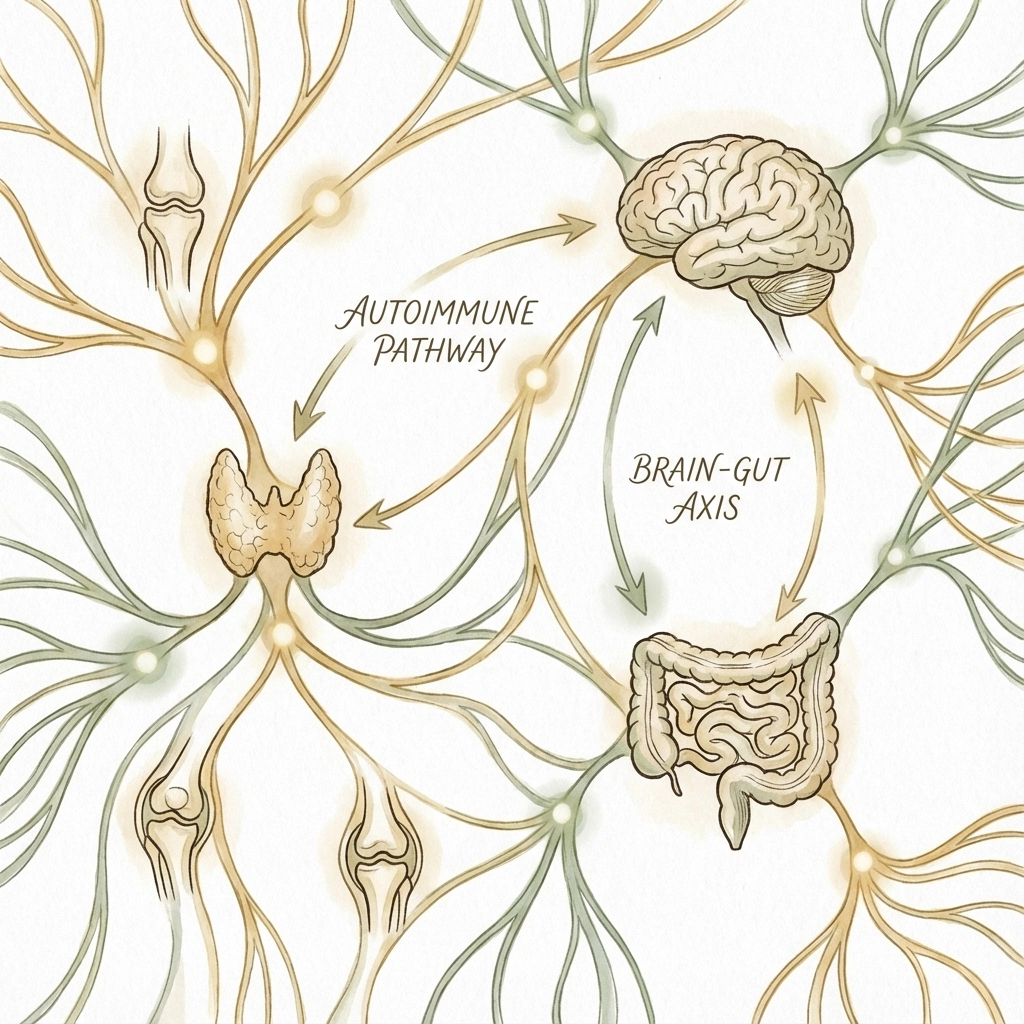
    Tissue-specific antibodies that attack organs like thyroid, brain, or digestive tract
    Cross-reactive antibodies that create multiple symptoms across body systems
    Molecular mimicry patterns where infections trigger autoimmune responses
    Subclinical inflammation that drives symptoms without reaching "disease" thresholds

    The result? Patients spend years getting sicker while doctors focus only on end-stage disease markers that show up after significant damage has already occurred.

    image_1

    The Functional Medicine Difference: Root Cause Detective Work

    Functional medicine practitioners take a completely different approach to autoimmune evaluation. Instead of asking "What disease do you have?" they ask "Why is your immune system attacking your own tissues?"

    This investigative method uncovers patterns that traditional medicine misses entirely.

    Expanded Antibody Testing

    Functional medicine doctors in the Memphis area use comprehensive antibody panels that test for dozens of tissue-specific markers. The Fatigue Clinic uses advanced testing that includes:

    Neurological antibodies (anti-myelin, anti-cerebellar, anti-GAD)
    Thyroid antibodies beyond standard TSH testing
    Digestive tract antibodies (anti-parietal cell, anti-intrinsic factor)
    Cross-reactive food antibodies that trigger immune responses
    Environmental toxin antibodies from chemicals, molds, and infections

    These tests often reveal autoimmune activity months or years before conventional markers become positive.

    Investigating Autoimmune Triggers

    Traditional doctors rarely investigate what caused the autoimmune process to start. Functional medicine practitioners dig deeper into underlying triggers:

    Intestinal Permeability (Leaky Gut): Up to 80% of autoimmune patients have compromised intestinal barriers that allow undigested proteins and toxins to trigger immune responses. Advanced testing reveals specific bacteria, foods, and chemicals causing gut inflammation.

    Chronic Infections: Hidden infections like Epstein-Barr virus, mycoplasma, or chronic Lyme disease can trigger molecular mimicry: where the immune system attacks your own tissues because they resemble infection patterns.

    Environmental Toxins: Heavy metals, pesticides, and mold biotoxins can dysregulate immune function and trigger autoimmune responses in genetically susceptible individuals.

    Genetic Susceptibility: Specific gene variants affect how your immune system processes inflammation, detoxification, and stress responses. Understanding these patterns helps predict autoimmune risk and guide targeted interventions.

    What Memphis Area Functional Medicine Doctors Are Finding

    Practitioners serving Germantown, Memphis, Arlington, and Collierville are discovering consistent patterns that traditional medicine completely misses:

    Hidden Thyroid Autoimmunity

    Many patients with "normal" thyroid tests actually have active thyroid autoimmunity. Standard TSH testing misses:

    Hashimoto's antibodies (anti-TPO, anti-thyroglobulin) present years before TSH becomes abnormal
    Thyroid receptor antibodies that cause hyperthyroid symptoms despite normal TSH
    Reverse T3 patterns showing cellular thyroid resistance
    Nutrient deficiencies (selenium, zinc, iodine) that drive thyroid inflammation

    Result: Patients get proper thyroid support years before traditional diagnosis, preventing progression to full thyroid failure.

    image_2

    Neurological Autoimmunity

    Brain fog, memory problems, and mood changes aren't just "stress" or "getting older." Advanced testing reveals:

    Anti-GAD antibodies attacking brain glucose regulation
    Anti-cerebellar antibodies causing balance and coordination issues
    Anti-myelin antibodies triggering MS-like symptoms
    NMDA receptor antibodies causing psychiatric symptoms

    Early detection allows targeted interventions that can prevent or slow neurological damage.

    Multi-System Autoimmune Patterns

    Traditional medicine treats each symptom separately. Functional medicine reveals how multiple symptoms connect through autoimmune cross-reactivity:

    Joint pain + digestive issues + skin problems often share common food triggers
    Fatigue + brain fog + mood changes frequently involve thyroid autoimmunity
    Multiple chemical sensitivities + chronic pain + insomnia often indicate mold or toxin-triggered autoimmunity

    Understanding these connections allows comprehensive treatment instead of separate prescriptions for each symptom.

    The Molecular Mimicry Discovery

    One of the biggest discoveries in functional autoimmune medicine is how infections and foods can trigger lasting autoimmune responses through molecular mimicry.

    Here's how it works: Your immune system creates antibodies against specific protein sequences in viruses, bacteria, or food proteins. If your own tissues contain similar protein sequences, those same antibodies attack your body.

    Common molecular mimicry patterns functional medicine doctors identify:

    Gluten proteins cross-react with thyroid, brain, and pancreatic tissues
    Dairy proteins trigger antibodies that attack myelin and joint tissues
    Epstein-Barr virus creates antibodies that attack thyroid and nervous system
    Streptococcus bacteria generates antibodies that damage heart valves and brain tissue

    Traditional doctors don't test for these cross-reactive patterns. They miss the connection between past infections, current diet, and ongoing autoimmune symptoms.

    image_3

    Why Timing Matters: The Window of Opportunity

    The most critical difference between functional and conventional autoimmune medicine is timing. Traditional medicine waits for disease. Functional medicine intervenes during the development process.

    Autoimmune diseases develop in three stages:

    Stage 1: Genetic susceptibility + environmental triggers = immune system dysregulation
    Stage 2: Early tissue damage + positive antibodies = subclinical autoimmunity
    Stage 3: Significant tissue destruction = clinical autoimmune disease

    Traditional medicine only diagnoses and treats Stage 3. Functional medicine identifies and intervenes during Stages 1 and 2 when reversal is still possible.

    This early intervention window explains why many functional medicine patients experience dramatic improvements: their autoimmune process hasn't progressed to irreversible tissue damage.

    Real-World Impact: What This Means for Memphis Area Patients

    Patients working with functional medicine practitioners in Collierville and surrounding areas report outcomes that would be impossible with traditional autoimmune treatment:

    Energy levels returning to normal within 3-6 months instead of years of unexplained fatigue
    Joint pain resolving without long-term immunosuppressive medications
    Brain fog clearing once underlying autoimmune triggers are identified and removed
    Digestive symptoms improving when cross-reactive foods are eliminated
    Sleep quality restoring as inflammatory processes calm down

    These improvements happen because functional medicine addresses root causes instead of just managing symptoms with medications.

    Getting Proper Autoimmune Evaluation: What to Look For

    Not all healthcare providers understand advanced autoimmune testing. When seeking evaluation in the Memphis area, look for practitioners who offer:

    Comprehensive antibody panels beyond standard ANA and rheumatoid factor
    Food sensitivity testing for cross-reactive proteins
    Intestinal permeability assessment
    Chronic infection screening (viral, bacterial, parasitic)
    Environmental toxin evaluation
    Genetic testing for autoimmune susceptibility
    Nutrient deficiency analysis that affects immune function

    The Fatigue Clinic in Collierville provides this comprehensive autoimmune evaluation for patients throughout the Memphis area, including Germantown, Arlington, and surrounding communities.

    Your Next Steps: Don't Wait for Disease

    If you've been told your symptoms are "normal" or "just stress," but you suspect autoimmune involvement, don't wait for traditional medicine to catch up. Early intervention during the autoimmune development process can prevent progression to irreversible tissue damage.

    Schedule a comprehensive autoimmune evaluation that includes advanced antibody testing, trigger identification, and root cause analysis. The earlier you identify and address autoimmune patterns, the better your long-term outcomes.

    Contact The Fatigue Clinic to learn how functional medicine approaches autoimmune diagnosis and treatment differently than traditional medicine. Your symptoms deserve answers: and solutions( not just symptom management.)

  • Mitochondrial Dysfunction vs. Chronic Fatigue: Which Is Really Causing Your Energy Crash? (Memphis Patients' Guide)

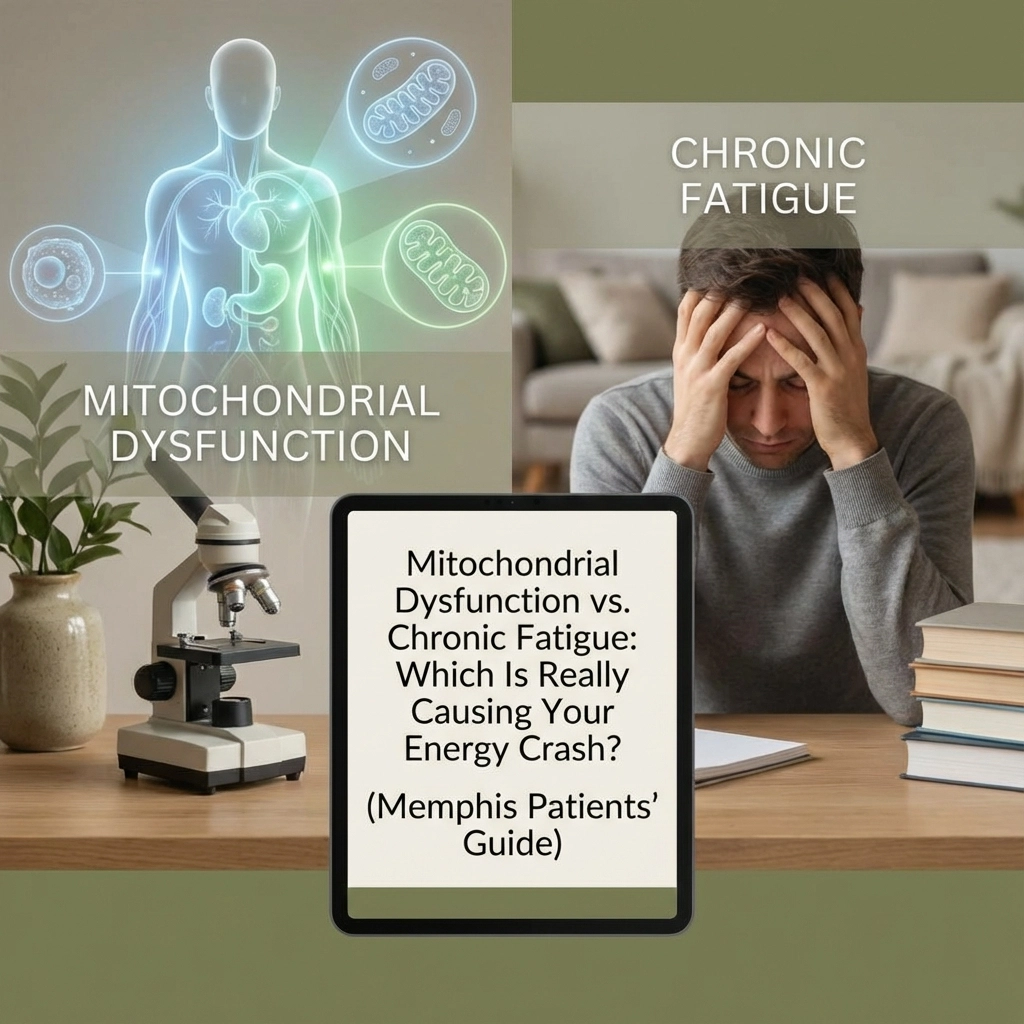
    Mitochondrial Dysfunction vs. Chronic Fatigue: Which Is Really Causing Your Energy Crash? (Memphis Patients' Guide)

    If you're struggling with persistent fatigue in Memphis, Germantown, or the surrounding areas, you've probably wondered whether your exhaustion stems from chronic fatigue syndrome or something deeper happening at the cellular level. The answer might surprise you: mitochondrial dysfunction appears to be the root cause driving chronic fatigue symptoms, not the other way around.

    At The Fatigue Clinic in Collierville, we see patients daily who've been told their fatigue is "just stress" or "all in their head." Our functional medicine approach reveals what's really happening inside your cells: and why your energy production system might be failing you.

    What Are Mitochondria and Why Do They Matter?

    Mitochondria are the powerhouses of your cells. These tiny cellular structures produce adenosine triphosphate (ATP), which is literally the energy currency that powers every function in your body: from your heartbeat to your brain function.

    Think of mitochondria as microscopic power plants. When they're working properly, you have energy for daily activities, mental clarity, and physical stamina. When they're damaged or dysfunctional, your entire energy system crashes.

    Here's what happens when mitochondria fail:
    Reduced ATP production means less energy available for cellular processes
    Impaired oxygen utilization leads to that "can't catch my breath" feeling
    Cellular waste buildup creates inflammation and brain fog
    Energy allocation problems mean your body can't prioritize essential functions

    image_1

    The Research: How Mitochondrial Problems Create Chronic Fatigue

    Multiple studies confirm that mitochondrial dysfunction is the underlying mechanism causing chronic fatigue syndrome (CFS) and myalgic encephalomyelitis (ME/CFS). This isn't speculation: it's documented science that's changing how progressive doctors in Memphis and beyond approach persistent fatigue.

    Key Research Findings:

    ATP Profile Testing Studies show that as fatigue symptoms decrease, the percentage of patients with normal mitochondrial function increases. Greater mitochondrial efficiency directly correlates with higher activity levels and better quality of life.

    Muscle Biopsy Research reveals significant reductions in three critical enzymes (citrate synthase, succinate reductase, and cytochrome-c oxidase) in CFS patients compared to healthy individuals. These enzymes are essential for energy production.

    Cellular Stress Studies demonstrate that the blood cells of CFS patients cannot adapt to metabolic demands like those of healthy people. Under stress conditions (like low glucose), they fail to increase ATP production efficiently.

    Coenzyme Q10 Research found that CFS patients have significantly lower plasma CoQ10 levels: a key component of the cellular energy-production chain. Greater fatigue directly correlates to lower CoQ10 levels.

    Why Traditional Doctors Miss This Connection

    Most conventional physicians in Memphis and Germantown aren't trained to look for mitochondrial dysfunction markers. Standard blood panels don't measure ATP production capacity, enzyme function, or cellular energy efficiency.

    Here's what typically happens:
    • Patient reports persistent fatigue and "crashes" after minimal exertion
    • Doctor orders basic CBC, thyroid panel, maybe vitamin D
    • Results come back "normal"
    • Patient gets diagnosed with depression, anxiety, or "chronic fatigue syndrome" with no clear treatment plan
    The real cellular energy crisis goes undetected

    At The Fatigue Clinic, we use advanced functional testing that actually measures how well your cells produce energy. This includes specialized panels that conventional medicine doesn't routinely order.

    image_2

    Recognizing Mitochondrial Dysfunction Symptoms

    Mitochondrial problems create a specific pattern of symptoms that Memphis-area patients often describe to us:

    Primary Energy Symptoms:

    Post-exertional malaise: feeling worse for days after even light activity
    Unrefreshing sleep: waking up as tired as when you went to bed
    Cognitive fatigue: brain fog, difficulty concentrating, memory problems
    Physical stamina crashes: sudden energy drops that feel like hitting a wall

    Secondary Manifestations:

    Temperature regulation problems: always cold or overheating easily
    Digestive issues: poor nutrient absorption affects mitochondrial fuel
    Immune system dysfunction: frequent infections or slow healing
    Mood changes: depression and anxiety often accompany energy crashes

    The key difference: This isn't regular tiredness that improves with rest. Mitochondrial dysfunction creates fatigue that gets worse with activity and doesn't resolve with sleep.

    How We Test for Mitochondrial Problems in Collierville

    The Fatigue Clinic uses comprehensive testing that goes far beyond what you'll get at most Memphis-area medical offices:

    Advanced Mitochondrial Assessment:

    Organic acids testing: measures cellular energy production byproducts
    CoQ10 and nutrient panels: evaluates raw materials needed for ATP production
    Oxidative stress markers: identifies cellular damage from free radicals
    Comprehensive metabolic profiling: shows how efficiently your cells use nutrients

    Functional Energy Testing:

    ATP production capacity under different stress conditions
    Enzyme activity levels for key mitochondrial pathways
    Cellular respiration efficiency: how well cells use oxygen
    Recovery patterns after controlled energy challenges

    Root Cause Discovery: Quick Facts Sheet

    This testing reveals the specific weaknesses in your cellular energy system: information that guides targeted treatment rather than guesswork.

    Treatment Approaches That Actually Work

    Once we identify mitochondrial dysfunction as the root cause of your fatigue, treatment becomes much more precise and effective.

    Targeted Nutrient Support:

    CoQ10 supplementation (typically 200-400mg daily in the active ubiquinol form)
    B-vitamin complex focusing on B1, B2, B3, and B12 for energy pathways
    Magnesium for ATP synthesis and cellular energy transport
    Alpha-lipoic acid for mitochondrial protection and regeneration

    IV Therapy for Direct Cellular Support:

    Our IV infusions deliver nutrients directly to cells, bypassing digestive absorption problems that many fatigue patients experience. Myers cocktails, NAD+ therapy, and custom mitochondrial support formulas can jump-start energy production.

    Lifestyle Modifications:

    Mitochondrial-friendly diet emphasizing healthy fats, quality proteins, and antioxidant-rich vegetables
    Gentle movement that supports rather than depletes cellular energy
    Sleep optimization to maximize cellular repair and regeneration
    Stress management to reduce oxidative damage to mitochondria

    image_3

    Why Location Matters: Finding Specialized Care

    Functional medicine practitioners who understand mitochondrial dysfunction are still relatively rare in the Memphis metropolitan area. Most physicians in Germantown, Arlington, and surrounding communities aren't trained in advanced energy metabolism testing.

    The Fatigue Clinic serves patients throughout the Memphis region specifically because we focus on root-cause medicine rather than symptom management. Our Collierville location is easily accessible from anywhere in Shelby County and beyond.

    What Makes Our Approach Different:

    Comprehensive testing that identifies specific mitochondrial problems
    Personalized protocols based on your unique cellular energy profile
    Integration of multiple therapies: supplements, IV nutrition, lifestyle optimization
    Long-term support as your mitochondria heal and energy improves

    Getting Started: Your Next Steps

    If you recognize yourself in this description: if you're dealing with persistent fatigue that doesn't improve with rest and standard medical testing has come back "normal": mitochondrial dysfunction could be the missing piece of your health puzzle.

    The first step is proper testing. You can't fix what you can't measure, and most Memphis-area medical practices don't have the tools to evaluate cellular energy production.

    Schedule a consultation at The Fatigue Clinic to discuss comprehensive mitochondrial testing. Our team specializes in identifying and treating the cellular energy problems that conventional medicine often misses.

    Don't accept "tired all the time" as your new normal. When mitochondrial function improves, patients consistently report better energy, clearer thinking, and the ability to participate in life again.

    Your cells are designed to produce abundant energy. Our job is figuring out what's stopping them: and restoring your natural vitality at the cellular level.

    Call The Fatigue Clinic today to start your journey from cellular dysfunction to optimized energy production. Memphis-area patients deserve answers that go deeper than surface-level symptom management.

  • Autoimmune Clues Your Doctor Might Be Missing: Client Resource Fast Facts

    Autoimmune Clues Your Doctor Might Be Missing: Client Resource Fast Facts

    If you've been told "everything looks fine" yet you're struggling with persistent fatigue, unexplained aches, or brain fog, you're not alone. Over 76% of patients with autoimmune conditions report receiving at least one misdiagnosis before getting proper care. Many patients in the Memphis, Germantown, and Collierville areas experience years of frustration before discovering that hidden autoimmune issues were driving their symptoms all along.

    Here's what traditional medicine often misses: and why functional medicine practitioners are finding answers that conventional doctors overlook.

    The Silent Epidemic: Why Autoimmune Conditions Go Undetected

    Autoimmune diseases affect over 50 million Americans, yet the average patient waits 4.5 years and sees multiple specialists before receiving an accurate diagnosis. The problem isn't that doctors don't care: it's that autoimmune symptoms are often vague, intermittent, and overlap with dozens of other conditions.

    Traditional medical training focuses on identifying diseases once they're fully developed. But autoimmune conditions often simmer beneath the surface for years before showing up on standard blood tests. By the time conventional markers appear, significant tissue damage may have already occurred.

    This is where functional medicine practitioners in Collierville and surrounding areas take a different approach: looking for patterns, root causes, and early warning signs that traditional medicine often dismisses as "normal variation."

    Common Autoimmune Symptoms Your Doctor Might Dismiss

    image_1

    Fatigue That Doesn't Respond to Rest

    Not all fatigue is created equal. If you're sleeping 8+ hours but still feeling exhausted, or if your energy crashes unpredictably throughout the day, this could signal autoimmune dysfunction. Unlike general tiredness, autoimmune fatigue is often accompanied by:

    • Post-exertional malaise (feeling worse after physical or mental activity)
    • Unrefreshing sleep despite adequate hours
    • Energy that fluctuates dramatically from day to day
    • Brain fog that makes concentration difficult

    Many patients in Memphis and Arlington describe this as feeling like they're "running on empty" even after rest. Traditional doctors often attribute this to stress, depression, or poor sleep habits: missing the underlying immune dysfunction.

    Mysterious Joint Pain and Inflammation

    Random aches and pains that move around your body, morning stiffness that lasts more than an hour, or joints that swell without obvious injury are classic autoimmune red flags. Yet these symptoms are frequently dismissed as:

    • "Normal aging" (even in patients under 40)
    • Overuse injuries from exercise or daily activities
    • General arthritis without further investigation

    Functional medicine practitioners look for specific patterns: Is the pain symmetrical? Does it improve or worsen with movement? Are certain triggers making it worse? These details help differentiate autoimmune inflammation from mechanical joint problems.

    Chronic Digestive Issues

    Your gut houses 70% of your immune system, making digestive symptoms a critical early warning sign. Patients often experience:

    • Chronic bloating that doesn't respond to dietary changes
    • Alternating constipation and diarrhea
    • Food sensitivities that seem to multiply over time
    • Persistent heartburn or acid reflux
    • Unexplained nausea or stomach pain

    Traditional gastroenterologists might diagnose IBS (irritable bowel syndrome) without investigating whether autoimmune dysfunction is driving the digestive chaos. Functional medicine recognizes that gut inflammation often precedes systemic autoimmune conditions by months or years.

    Persistent Respiratory and Allergy Symptoms

    Year-round sinus problems, frequent respiratory infections, or new-onset allergies in adulthood often indicate immune system dysregulation. Many patients report:

    • Chronic sinus congestion that doesn't respond to typical treatments
    • Recurring respiratory infections (more than 3-4 per year)
    • New food or environmental allergies developing in adulthood
    • Asthma-like symptoms without a clear asthma diagnosis

    These symptoms suggest your immune system is overactive and misdirected: classic hallmarks of autoimmune dysfunction.

    Why Standard Lab Tests Miss Early Autoimmune Changes

    Root Cause Discovery: Quick Facts Sheet

    Conventional medicine relies heavily on specific diagnostic markers that often don't appear until autoimmune diseases are well-established. Here's what standard labs typically miss:

    The "Normal Range" Problem

    Lab reference ranges are based on statistical averages from the general population: not optimal health markers. A patient might have thyroid antibodies that are elevated but still within "normal" limits, yet these antibodies could be attacking thyroid tissue for months before levels become "abnormal" enough to warrant treatment.

    Functional medicine practitioners look at optimal ranges rather than just normal ranges, catching dysfunction in its earlier, more treatable stages.

    Single-Point Testing Limitations

    Autoimmune conditions are dynamic: they fluctuate based on stress, hormones, infections, and other triggers. A single blood draw might catch your immune system during a quiet period, missing the underlying inflammation that drives symptoms during flare-ups.

    Advanced functional testing often includes:

    • Multiple inflammatory markers measured over time
    • Food sensitivity panels that identify immune reactions to specific foods
    • Comprehensive nutrient assessments that reveal deficiencies affecting immune function
    • Genetic testing for predispositions to autoimmune conditions

    Missing the Autoimmune Spectrum

    Traditional medicine tends to focus on end-stage, named diseases (lupus, rheumatoid arthritis, multiple sclerosis). But functional medicine recognizes that patients often exist on an autoimmune spectrum: experiencing immune dysfunction and inflammation years before meeting criteria for specific diagnoses.

    This spectrum approach allows for earlier intervention and often prevents progression to more serious autoimmune diseases.

    The Functional Medicine Advantage in Germantown and Memphis

    Functional medicine practitioners in the Collierville and Memphis areas approach autoimmune conditions differently than conventional doctors. Instead of waiting for diseases to fully develop, they focus on:

    Comprehensive Patient Histories

    Functional doctors spend 60-90 minutes with patients during initial consultations, compared to the 7-minute average for conventional appointments. This time allows for:

    • Detailed symptom mapping over months or years
    • Environmental exposure assessment (toxins, infections, stress)
    • Family history analysis for genetic predispositions
    • Lifestyle factor evaluation (diet, sleep, exercise, stress management)

    Advanced Diagnostic Testing

    Beyond standard blood panels, functional medicine utilizes:

    • Comprehensive inflammatory panels measuring multiple cytokines and immune markers
    • Intestinal permeability testing to assess gut barrier function
    • Food sensitivity testing using IgG and IgA antibodies
    • Heavy metal and toxin screening
    • Comprehensive hormone panels including adrenal function
    • Nutritional assessments for vitamins, minerals, and antioxidants

    Root Cause Identification

    Rather than simply managing symptoms, functional medicine seeks to identify and address underlying triggers that drive autoimmune dysfunction:

    • Chronic infections (viral, bacterial, parasitic)
    • Environmental toxins (heavy metals, chemicals, mold)
    • Food sensitivities and gut dysfunction
    • Chronic stress and hormonal imbalances
    • Nutritional deficiencies that impair immune function

    When to Seek a Second Opinion

    image_2

    Don't accept "it's all in your head" or "your labs are normal" if you're experiencing persistent symptoms. Consider seeking functional medicine evaluation if:

    You've Seen Multiple Doctors Without Answers

    If you've consulted 2 or more healthcare providers in Memphis, Arlington, or Germantown and still don't have a clear diagnosis or treatment plan, it's time for a different approach. Functional medicine often succeeds where conventional medicine reaches dead ends.

    Your Symptoms Are Getting Worse Despite Treatment

    Progressive worsening of fatigue, pain, or other symptoms despite following conventional treatment protocols suggests that root causes aren't being addressed. Functional practitioners look beyond symptom management to identify and treat underlying dysfunction.

    You Have Multiple "Unexplained" Symptoms

    Autoimmune conditions rarely cause just one symptom. If you're experiencing:

    • Fatigue plus joint pain
    • Digestive issues plus skin problems
    • Brain fog plus recurring infections
    • Multiple symptoms that seem unrelated

    This constellation of symptoms often indicates systemic immune dysfunction that requires comprehensive evaluation.

    Family History of Autoimmune Disease

    Genetics load the gun, but environment pulls the trigger. If you have family members with autoimmune conditions, you may be genetically predisposed but not destined to develop these diseases. Early functional medicine intervention can help identify and address environmental triggers before full disease develops.

    Your Next Steps: Taking Control of Your Health

    Don't wait for symptoms to worsen or for conventional medicine to "catch up" to your autoimmune condition. Here's how to move forward:

    Document Your Symptoms Systematically

    Create a detailed symptom journal tracking:

    • Daily energy levels (rate 1-10)
    • Pain locations and intensity
    • Digestive symptoms and food reactions
    • Sleep quality and duration
    • Stress levels and emotional state
    • Environmental exposures (new products, locations, foods)

    Bring this documentation to your appointments: it provides crucial pattern recognition that standard medical interviews often miss.

    Request Advanced Testing

    Ask your healthcare provider about:

    • Comprehensive inflammatory panels (CRP, ESR, cytokines)
    • Food sensitivity testing
    • Nutrient assessments (B12, D3, zinc, magnesium)
    • Thyroid antibody panels (TPO, thyroglobulin)
    • Autoimmune markers beyond basic ANA testing

    If your current doctor dismisses these requests, consider consulting a functional medicine practitioner in Collierville or surrounding areas who specializes in autoimmune conditions.

    Implement Anti-Inflammatory Lifestyle Changes

    While seeking proper diagnosis, start supporting your immune system with:

    • Anti-inflammatory diet emphasizing whole foods and eliminating processed foods
    • Stress management techniques (meditation, yoga, counseling)
    • Quality sleep prioritization (7-9 hours nightly)
    • Gentle, regular exercise that doesn't trigger symptom flares
    • Toxin reduction in personal care products and home environment

    Finding Answers at The Fatigue Clinic

    The Fatigue Clinic in Collierville specializes in uncovering the root causes behind persistent fatigue, autoimmune symptoms, and complex chronic conditions that traditional medicine often misses. Our functional medicine approach combines advanced diagnostic testing with personalized treatment protocols designed to address underlying dysfunction rather than just managing symptoms.

    Don't let another year pass wondering why you don't feel well despite being told "everything looks normal." Your symptoms are valid, and answers are available when you work with practitioners who know where to look.

    For comprehensive evaluation and personalized treatment of autoimmune conditions, contact The Fatigue Clinic to schedule your consultation. We're here to help patients throughout Memphis, Germantown, Arlington, and Collierville find the answers they've been searching for.

    Ready to take the next step? Visit The Fatigue Clinic to schedule your comprehensive consultation and finally get the answers you deserve.

  • Fatigue or Mitochondrial Dysfunction? 1-Minute Fact Sheet for Memphis Clients (Printable Client Resource)

    Fatigue or Mitochondrial Dysfunction? 1-Minute Fact Sheet for Memphis Clients (Printable Client Resource)

    Feeling exhausted all the time? You're not alone. Many of our Collierville, Germantown, and Memphis patients struggle to understand whether they're dealing with regular fatigue or something deeper: mitochondrial dysfunction. This quick guide breaks down the key differences and gives you actionable steps to take today.

    The Key Difference: Regular Fatigue vs. Mitochondrial Dysfunction

    Regular Fatigue:

    Improves with rest and sleep
    • Usually has an obvious cause (poor sleep, stress, overwork)
    Short-term – resolves in days or weeks
    • Energy returns to normal levels after recovery

    Mitochondrial Dysfunction:

    Doesn't improve with rest alone
    No obvious external cause – feels like your body's "battery" is broken
    Persistent for months or years
    • Energy never returns to previous normal levels
    • Often accompanied by brain fog, muscle weakness, and immune issues

    image_1

    5 Quick Actions You Can Take Today

    1. Track Your Energy Patterns

    Write down your energy levels (1-10) every 2 hours for one week
    Note what activities drain you most
    Identify if rest actually helps or if exhaustion persists

    2. Assess Your Recovery Time

    Normal fatigue: Should feel better after 8+ hours of sleep
    Mitochondrial issues: Still exhausted despite adequate rest
    Post-exertional malaise: Feeling worse 12-48 hours after activity

    3. Check These Key Symptoms

    Brain fog or difficulty concentrating
    Muscle weakness without exercise
    Frequent infections or slow healing
    Temperature regulation problems
    Digestive issues alongside fatigue

    4. Support Your Mitochondria Naturally

    CoQ10 supplement (100-200mg daily with meals)
    Magnesium glycinate (200-400mg before bed)
    B-complex vitamins in the morning
    Reduce sugar and processed foods
    Gentle movement – walking, not intense exercise

    5. Document Everything

    Keep a symptom diary with energy, sleep, and activity levels
    Note family history of autoimmune conditions or chronic fatigue
    List all supplements and medications you're currently taking

    When to Call The Fatigue Clinic

    Schedule a consultation if you experience:

    Fatigue lasting longer than 3 months despite adequate rest
    Energy crashes that don't match your activity level
    Multiple unexplained symptoms affecting daily life
    Previous doctors haven't found answers
    Family history of chronic fatigue or autoimmune conditions

    Ready to get answers? Call (901) 221-8621 to schedule your comprehensive evaluation at our Collierville clinic. We serve patients throughout Memphis, Germantown, Arlington, and surrounding areas.

    Next Steps: Deeper Resources

    For more detailed information, check out:

    Complete Mitochondrial Dysfunction Guide – Our full-length analysis of symptoms and solutions
    IV Therapy Options – How nutrient infusions support mitochondrial health
    Functional Medicine Approach – Root cause testing and treatment plans
    Client Resources – Additional fact sheets and guides


    The Fatigue Clinic | Collierville, TN
    Serving Memphis, Germantown, Arlington & Surrounding Areas
    (901) 221-8621 | designvista.serverhatch.com/thefatigueclinic/

    Print this resource and share with family members who may also be experiencing unexplained fatigue. Early identification and proper testing can make a significant difference in treatment outcomes.

  • Autoimmune Disease: 1-Minute Fast Facts for Fatigue Clinic Patients (Client Resource)

    Autoimmune Disease: 1-Minute Fast Facts for Fatigue Clinic Patients (Client Resource)

    Red Flags Traditional Medicine Often Misses

    Your symptoms are REAL, even when labs look "normal":
    Persistent fatigue that doesn't improve with rest or sleep
    Brain fog and difficulty concentrating
    Joint pain that moves around your body
    Digestive issues like bloating, food sensitivities, or IBS
    Hair loss, skin rashes, or unexplained weight changes
    Mood changes including anxiety, depression, or irritability
    Temperature regulation problems – always cold or hot
    Sleep disturbances despite feeling exhausted

    What you might hear from traditional doctors:
    • "Your thyroid is fine" (when only TSH was tested)
    • "It's just stress" or "You need to exercise more"
    • "Your labs are normal" (using outdated reference ranges)
    • "Try antidepressants" without investigating root causes

    Root Cause Discovery Quick Facts

    Testing Differences: What We Look For

    Traditional Medicine typically runs:
    • Basic CBC and metabolic panel
    • TSH only (not complete thyroid panel)
    • Basic inflammatory markers (if any)

    Functional Medicine specialists test:
    Complete thyroid panel – TSH, Free T3, Free T4, Reverse T3, thyroid antibodies
    Advanced inflammatory markers – CRP, ESR, cytokine panels
    Comprehensive autoimmune panel – ANA, anti-CCP, rheumatoid factor, and tissue-specific antibodies
    Nutrient deficiency testing – B12, D3, folate, iron studies
    Food sensitivity panels and gut health markers
    Heavy metal testing and environmental toxin screening
    Hormone panels including adrenal function

    Why Early Detection Matters

    The earlier we catch autoimmune disease, the better:
    Prevent permanent tissue damage that occurs in late-stage disease
    Stop progression before it affects multiple organ systems
    Preserve quality of life and prevent disability
    Identify triggers like infections, toxins, or food sensitivities
    Implement targeted treatment rather than symptom management

    Memphis and Collierville patients often tell us:
    • "I wish I'd found you years ago"
    • "Finally, someone believes my symptoms"
    • "My energy is coming back for the first time in years"

    What to Expect from a Root-Cause Evaluation

    At The Fatigue Clinic in Collierville, we:
    Listen to your full story – not just current symptoms
    Order comprehensive testing to identify hidden patterns
    Look for environmental triggers in your home and workplace
    Assess your gut health and nutrient absorption
    Create personalized treatment plans addressing root causes
    Monitor progress with follow-up testing and adjustments

    Common autoimmune triggers we investigate:
    Chronic infections – Epstein-Barr virus, Lyme, mold exposure
    Food sensitivities – gluten, dairy, eggs, nightshades
    Environmental toxins – chemicals, heavy metals, mold
    Chronic stress and trauma affecting immune function
    Nutrient deficiencies that impair immune regulation

    image_1

    Taking Action in the Memphis Area

    If you're experiencing multiple unexplained symptoms:
    Don't wait for symptoms to worsen or for "more definitive" lab results
    Keep a symptom journal noting patterns, triggers, and severity
    Research functional medicine practitioners who specialize in autoimmune conditions
    Gather your medical records including all previous lab work

    Questions to ask potential providers:
    • Do you run comprehensive autoimmune panels?
    • How do you investigate root causes and triggers?
    • What's your approach to early-stage autoimmune disease?
    • Do you address gut health, toxins, and infections?


    🔍 See the full blog on designvista.serverhatch.com/thefatigueclinic/ for detailed answers about autoimmune testing, Memphis-area resources, and treatment options.

    Ready to get answers? The Fatigue Clinic serves patients throughout Collierville, Germantown, Memphis, Arlington, and surrounding areas. Our functional medicine approach uncovers what traditional medicine misses.

    📞 Contact us to schedule your comprehensive autoimmune evaluation and start your journey toward real answers and lasting relief.


    Posted in: Client Resources

    Nearly 98% of autoimmune patients experience debilitating fatigue. You deserve answers, not dismissal. Let's find your root causes together.