Category: Educational Services

  • 10 Reasons Your "Normal" Lab Results Aren’t Telling the Full Story (And What Holistic Doctors in Memphis TN Test Instead)

    10 Reasons Your "Normal" Lab Results Aren’t Telling the Full Story (And What Holistic Doctors in Memphis TN Test Instead)

    You’ve been exhausted for months. Brain fog makes it hard to focus at work. Your sleep is restless, and you just don’t feel like yourself anymore. So you finally go to your doctor, they run labs, and the verdict comes back: “Everything looks normal.”

    If you’ve experienced this frustrating scenario, you’re not alone. Thousands of patients across Memphis, Germantown, Collierville, and Arlington hear these exact words every single day: despite feeling anything but normal.

    Here’s the truth that many traditional practitioners won’t tell you: “normal” doesn’t mean optimal. And that distinction can be the difference between struggling through your days and actually thriving.

    Let’s break down exactly why your standard lab results might be missing the bigger picture: and what functional medicine doctors in Memphis TN are doing differently.

    The Problem With “Normal” Lab Results

    The standard lab testing system was designed with one primary goal: detecting disease. It was never built to optimize your health or catch problems before they become diagnosable conditions.

    This means you could be experiencing real, life-disrupting symptoms while your labs technically fall within the “acceptable” range. Your body is sending you distress signals, but the conventional testing system isn’t designed to hear them.

    Root Cause Discovery: Quick Facts Sheet A wooden clipboard displays a fact sheet titled 'Root Cause Discovery: Quick Facts Sheet' beside a beaker with a plant root, magnifying glass, potted plant, and ceramic mug. This arrangement visually reflects The Fatigue Clinic's functional medicine approach, emphasizing the identification of underlying causes of illness through holistic and investigative methods.

    10 Reasons Your “Normal” Labs Aren’t Telling the Full Story

    1. Normal Ranges Are Based on Population Averages: Not Optimal Health

    Here’s something most patients don’t realize: reference ranges are created from statistical averages of people who underwent testing. Many of those people already had early metabolic, inflammatory, or hormonal issues themselves.

    Being “within range” simply means you’re similar to the general population. It doesn’t mean you’re functioning at your best.

    2. Reference Ranges Are Too Wide to Catch Early Dysfunction

    Standard ranges are designed broadly enough to include most of the general population. This width allows subtle imbalances to hide within “normal” limits while still causing symptoms like fatigue, weight gain, and mood changes.

    For patients in Collierville and the greater Memphis area, this means you could be struggling with low-level thyroid dysfunction or hormonal imbalances for years before they ever show up as “abnormal.”

    3. Symptoms Appear Before Lab Values Cross Abnormal Thresholds

    Your body is smarter than a piece of paper. Symptoms often emerge long before your lab values cross into the “abnormal” category.

    Your thyroid might be struggling. Your cortisol might be tanking. But if the numbers don’t fall outside disease thresholds, you’re told everything is fine: even though you’re experiencing real, measurable symptoms.

    4. Standard Testing Misses Subclinical Conditions

    Subclinical means “not yet diagnosable as disease.” These early dysfunctions can cause fatigue, brain fog, digestive issues, and more: without ever triggering red flags on standard labs.

    Functional medicine practitioners in Germantown and Memphis TN specifically look for these subclinical patterns because catching them early means preventing full-blown disease later.

    Patient reviewing comprehensive lab results with a functional medicine doctor in Memphis TN

    5. Standard Labs Don’t Account for Individual Variations

    What’s “normal” for a 25-year-old marathon runner is completely different from what’s optimal for a 55-year-old professional managing chronic stress.

    Factors like age, lifestyle, genetics, and stress levels influence what your body needs to function optimally. Standard labs rarely account for these nuances: they apply the same ranges to everyone.

    6. The Tests Don’t Match the Underlying Problem

    A basic metabolic panel might completely miss the systems most connected to your symptoms. If your fatigue is driven by gut dysfunction, nutrient deficiencies, or chronic inflammation, a standard CBC won’t catch it.

    This is why so many patients in Arlington, Memphis, and surrounding areas feel dismissed. The wrong tests are being ordered for the problems they’re actually experiencing.

    7. Traditional Medicine Focuses on Disease, Not Prevention

    Standard labs are designed to diagnose and treat diseases after they’re already present. If you don’t fit the criteria for a diagnosis, you may be told there’s nothing to address.

    But here’s the reality: by the time you have a diagnosis, significant damage has often already occurred. Holistic doctors in Memphis TN take a different approach: focusing on prevention and optimization before disease develops.

    8. Your Symptoms Are Multi-Factorial

    Fatigue, brain fog, mood changes, and digestive issues rarely have a single cause. They’re usually driven by multiple factors working together: hormones, gut health, nutrient status, inflammation, and stress all playing a role.

    Standard testing looks at isolated markers. Functional medicine looks at how your body systems interact.

    9. Trending Patterns Are Ignored

    Results trending in the wrong direction over time can be clinically significant: even if they remain within normal ranges. Standard labs capture only a snapshot, not patterns of change.

    If your thyroid numbers have been slowly declining for three years but haven’t crossed the “abnormal” threshold yet, conventional medicine says you’re fine. A functional medicine doctor says, “Let’s intervene now before this becomes a bigger problem.”

    Blood vials for comprehensive functional medicine testing at a holistic wellness clinic

    10. “Normal” Ranges May Include People With Chronic Illness

    Since population averages include people with existing health conditions, the “normal” range often reflects compromised rather than optimal health.

    You’re being compared to a sick population and told you’re healthy because you’re not as sick as they are. That’s not exactly reassuring.

    What Functional Medicine Doctors in Memphis TN Test Instead

    At The Fatigue Clinic in Collierville, we take a completely different approach to lab testing. We serve patients throughout Memphis, Germantown, Arlington, and surrounding areas who are tired of being told they’re “fine” when they clearly aren’t.

    Here’s what sets functional and holistic testing apart:

    Optimal Ranges, Not Just Normal Ranges
    We use narrower, more specific values designed to reflect ideal health: not just the absence of disease. This catches imbalances much earlier.

    Comprehensive Biomarker Analysis
    Instead of the standard 10-15 markers, we often test 80+ biomarkers to get a complete picture of what’s happening in your body.

    Multi-System Approach
    We evaluate how hormones, thyroid, gut health, inflammation, and stress physiology work together. Your body doesn’t operate in isolated silos, and neither should your testing.

    Trend Analysis
    We track changes over time to identify patterns early: before they become diagnosable conditions.

    Individualized Targets
    We set goals based on your specific symptoms and health objectives, not generic population averages.

    Root Cause Analysis
    We investigate why symptoms are happening rather than just suppressing them with medications.

    Contextual Interpretation
    We consider sleep, stress, medications, lifestyle, and life stage alongside your lab values. Context matters.

    Ready to Get Answers That Actually Make Sense?

    If you’re in Collierville, Germantown, Memphis, Arlington, or anywhere in the surrounding area and you’re exhausted from being told your labs are “normal” while you still feel terrible: it’s time for a different approach.

    At The Fatigue Clinic, we specialize in finding the root causes of fatigue, brain fog, and other symptoms that conventional medicine often misses. We use comprehensive functional testing, optimal ranges, and a systems-based approach to finally get you real answers.

    Stop settling for “normal.” You deserve optimal.

    Call 901-221-8621 to schedule your consultation today. Or visit our services page to learn more about how we can help you feel like yourself again.

    For more quick-read guides and patient resources, check out our Client Resources section.

  • Why Your 15-Minute Heart Checkup Isn’t Enough: Lessons from 40 Years in Cardiology

    Why Your 15-Minute Heart Checkup Isn’t Enough: Lessons from 40 Years in Cardiology

    February is American Heart Month. And here in Memphis, Germantown, Collierville, and the surrounding areas, we’re kicking it off with a hard truth that most medical practices won’t tell you.

    Your annual 15-minute heart checkup is not protecting you the way you think it is.

    At The Fatigue Clinic in Collierville, our founder Susan Earl brings 40 years of cardiovascular experience to the table. She’s worked in the cardiac cath lab. She’s rounded with cardiovascular surgeons. She’s spent countless hours in the treadmill lab watching patients push their hearts to the limit. She’s treated hypertension, hyperlipidemia, heart attacks, strokes, and coronary artery heart disease.

    And after four decades of watching patients fall through the cracks of conventional cardiology, she’s seen one pattern repeat itself over and over again.

    People are getting “cleared” by their doctors, and then having heart attacks six months later.

    Let’s talk about why that happens and what you can do about it.

    What Actually Happens in a Standard Heart Checkup

    You know the drill. You show up to your annual physical. The nurse takes your blood pressure. The doctor listens to your heart for about 30 seconds with a stethoscope. Maybe they order a basic lipid panel.

    Your total cholesterol comes back at 195. Your blood pressure is 128/82. The doctor says, “Everything looks good. See you next year.”

    You leave feeling relieved. You’ve been “cleared.”

    But here’s what that 15-minute appointment actually assessed:

    • A single blood pressure reading (which can vary wildly throughout the day)
    • Your total cholesterol number (which tells you almost nothing about actual plaque risk)
    • The sounds your heart makes at rest (which won’t reveal blockages until they’re severe)

    That’s it. That’s what’s standing between you and a cardiac event.

    Root Cause Discovery: Quick Facts Sheet A wooden clipboard displays a fact sheet titled 'Root Cause Discovery: Quick Facts Sheet' beside a beaker with a plant root, magnifying glass, potted plant, and ceramic mug. This arrangement visually reflects The Fatigue Clinic's functional medicine approach, emphasizing the identification of underlying causes of illness through holistic and investigative methods.

    The Problem: We’re Measuring the Wrong Things

    After working in the cardiac cath lab, Susan can tell you exactly what she saw on those imaging screens. Plaque doesn’t care about your total cholesterol number.

    She watched patients with “normal” cholesterol show up with 80% blockages. She saw people with “high” cholesterol who had pristine arteries. The disconnect was impossible to ignore.

    Traditional medicine treats numbers. Biology-based medicine treats the actual person.

    Here’s what a standard heart checkup completely misses:

    Inflammation markers. Chronic inflammation is the gasoline that turns cholesterol into dangerous arterial plaque. If your doctor isn’t checking hs-CRP, homocysteine, and other inflammatory markers, they’re flying blind.

    Particle size and density. Not all LDL cholesterol is created equal. Small, dense LDL particles are far more dangerous than large, fluffy ones. A basic lipid panel doesn’t differentiate between the two.

    Insulin resistance. Metabolic dysfunction is one of the biggest predictors of heart disease, and it often goes undetected for years before diabetes is officially diagnosed.

    Oxidative stress. Free radical damage to your arterial walls creates the perfect environment for plaque buildup. Standard checkups don’t measure this.

    Nutrient deficiencies. Magnesium, CoQ10, Vitamin D, and B vitamins all play critical roles in cardiovascular health. Deficiencies can contribute to arrhythmias, high blood pressure, and arterial stiffness.

    What 40 Years in Cardiology Taught Us About Prevention

    Here’s what Susan learned from rounding with cardiovascular surgeons and treating patients in the treadmill lab:

    By the time symptoms show up, the damage is often severe.

    The heart is remarkably good at compensating. A blockage can reach 70% before most people feel anything. Chest pain, shortness of breath, fatigue, these symptoms often mean the disease has been progressing silently for years.

    Prevention isn’t about managing numbers. It’s about understanding your unique biology.

    Two patients can have the exact same cholesterol reading and completely different cardiovascular risk profiles. One might have dangerous inflammatory markers and early plaque formation. The other might be perfectly healthy.

    You can’t prevent what you can’t see. This is why we believe in comprehensive testing that goes far beyond the standard annual physical.

    Female functional medicine provider discussing comprehensive heart health testing with patient at Memphis area clinic

    Our Biology-Based Approach to Heart Health

    At The Fatigue Clinic, we serve patients throughout Collierville, Germantown, Memphis, Arlington, and surrounding areas with a fundamentally different approach to cardiovascular care.

    We don’t just check boxes. We dig into the root causes.

    Advanced lipid testing. We look at particle number, particle size, and lipoprotein(a), a genetic marker that dramatically increases heart attack risk and is almost never tested in conventional settings.

    Comprehensive inflammatory panels. We measure the markers that actually predict cardiovascular events, not just the ones insurance companies cover.

    Metabolic assessment. We evaluate insulin sensitivity, fasting glucose trends, and HbA1c to catch metabolic dysfunction years before it becomes diabetes.

    Cardiac calcium scoring. This simple CT scan measures actual plaque in your arteries. It’s one of the most powerful predictive tools available, and it’s rarely ordered by primary care physicians.

    Nutrient optimization. We test for and correct the deficiencies that contribute to hypertension, arrhythmias, and arterial dysfunction.

    Treating the Root Causes of Hypertension, Hyperlipidemia, and CAD

    Hypertension (High Blood Pressure)

    Most doctors hand you a prescription and send you on your way. We ask different questions. Why is your blood pressure elevated in the first place?

    Is it magnesium deficiency? Chronic stress and elevated cortisol? Sleep apnea? Insulin resistance? Kidney dysfunction? Arterial stiffness from nutrient depletion?

    The answer determines the treatment. And often, addressing the root cause means patients can reduce or eliminate their medications over time.

    Hyperlipidemia (High Cholesterol)

    Statins are handed out like candy. But they don’t address why your body is producing excess cholesterol or why it’s oxidizing and becoming dangerous.

    We look at liver function, thyroid health, gut health (yes, your microbiome affects cholesterol), and inflammatory triggers. We create personalized protocols that address the actual problem: not just suppress the symptom.

    Coronary Artery Heart Disease (CAHD)

    Once plaque has formed, conventional medicine offers medications and procedures. Important tools, certainly. But they don’t reverse the underlying dysfunction that caused the plaque in the first place.

    Our functional medicine approach in Memphis and the surrounding area focuses on stabilizing existing plaque, reducing inflammation, optimizing cellular energy production, and supporting the body’s natural repair mechanisms.

    Female provider reviewing cardiac calcium score CT scan results for cardiovascular disease prevention

    This Heart Month, Invest in Real Prevention

    Here’s the bottom line. A 15-minute checkup is not cardiac prevention. It’s a checkbox exercise designed to screen for obvious problems and generate billing codes.

    Real prevention requires understanding your unique biology. It requires looking at the markers that actually predict cardiovascular events. It requires a provider who has the time and expertise to connect the dots.

    Susan Earl has spent 40 years watching patients get cleared by conventional cardiology only to end up in the cath lab months later. She built The Fatigue Clinic to offer something different: a biology-based approach that catches problems before they become emergencies.

    If you’re in Collierville, Germantown, Memphis, Arlington, or surrounding areas and you’re ready for a cardiovascular assessment that actually protects you, we’re here.

    Call 901-221-8621 to schedule your comprehensive heart health evaluation. Or visit our website to learn more about our functional medicine approach.

    This February, don’t settle for “everything looks good.” Demand to know what’s actually happening inside your arteries. Your heart will thank you.

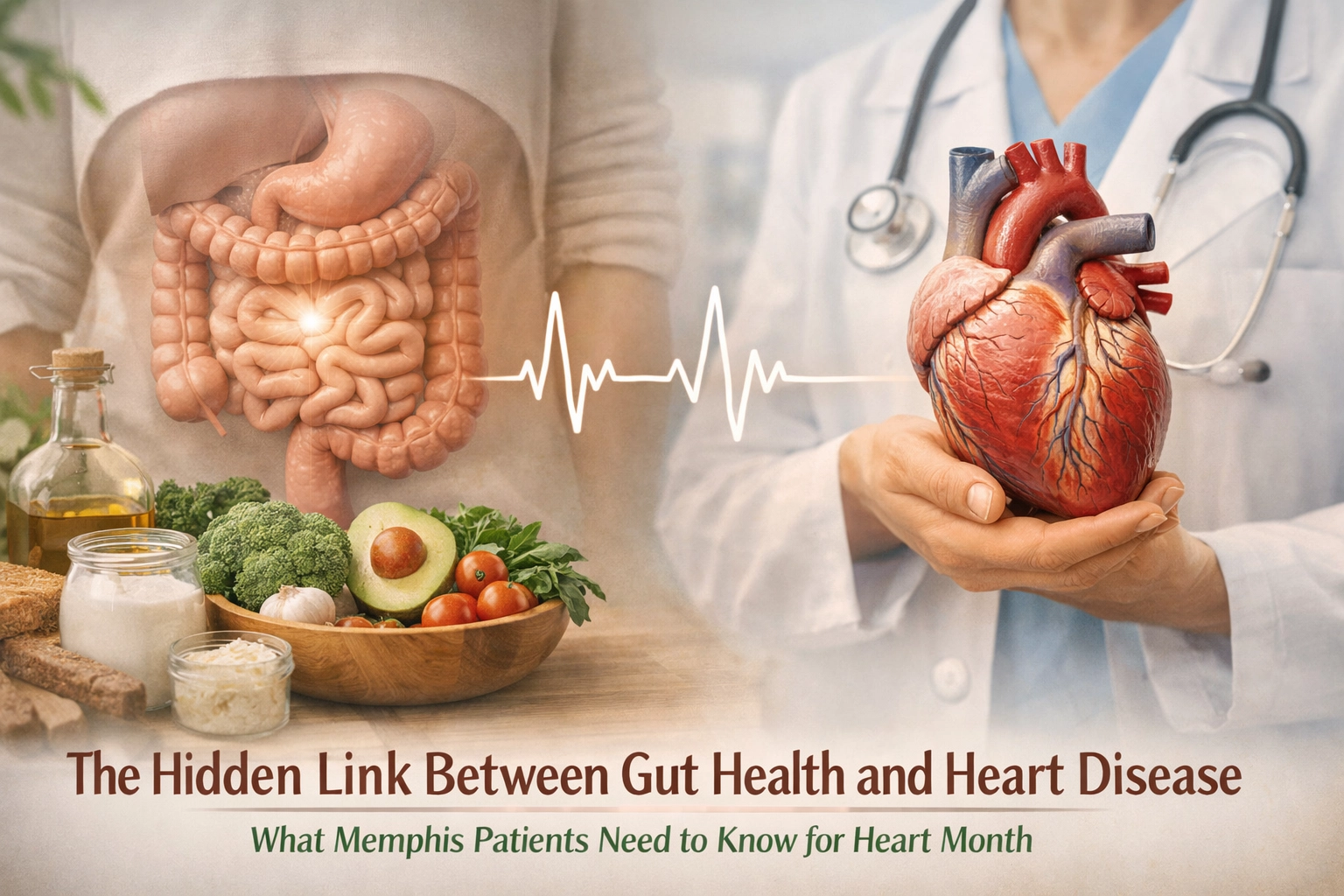
  • The Hidden Link Between Gut Health and Heart Disease: What Memphis Patients Need to Know for Heart Month

    The Hidden Link Between Gut Health and Heart Disease: What Memphis Patients Need to Know for Heart Month

    HERO The Hidden Link Between Gut Health and Heart Disease: What Memphis Patients Need to Know for Heart Month

    February is Heart Month, and while most people think about cholesterol and blood pressure when it comes to cardiovascular health, there’s a critical piece of the puzzle that conventional cardiology often overlooks: your gut.

    At The Fatigue Clinic in Collierville, serving patients throughout Germantown, Memphis, and Arlington, we’ve seen firsthand how addressing gut dysfunction can transform heart health markers. The connection between your digestive system and your cardiovascular system isn’t just interesting science: it’s a game-changer for prevention and treatment.

    The Gut-Cardiac Axis: Your Second Heart Lives in Your Intestines

    Your gut houses trillions of bacteria that do far more than digest food. These microorganisms produce compounds that directly influence inflammation, cholesterol metabolism, blood pressure regulation, and even the formation of arterial plaque.

    Scientists call this relationship the gut-cardiac axis. When your gut bacteria fall out of balance: a condition called dysbiosis: the effects ripple throughout your entire cardiovascular system.

    Here’s what happens: An unhealthy gut produces inflammatory molecules that travel through your bloodstream to your heart and blood vessels. This systemic inflammation damages the endothelial lining of your arteries, sets the stage for plaque formation, and increases your risk of heart attack, stroke, and heart failure.

    Leaky Gut: The Gateway to Heart Disease

    Intestinal permeability, commonly known as “leaky gut,” occurs when the tight junctions in your intestinal lining become compromised. Instead of acting as a selective barrier, your gut wall allows undigested food particles, bacterial fragments, and toxins to escape into your bloodstream.

    Comparison of healthy intestinal barrier versus leaky gut showing particle escape into bloodstream

    One particularly harmful compound that slips through is lipopolysaccharide (LPS), a component of certain bacterial cell walls. When LPS enters circulation, it triggers a powerful immune response and widespread inflammation: exactly the kind that contributes to atherosclerotic plaque development.

    Think of it this way: Your gut lining is supposed to be like a secure border checkpoint. When it becomes “leaky,” everything gets through: including the troublemakers that set off alarm bells in your cardiovascular system.

    For our patients in Memphis and Germantown dealing with both digestive issues and cardiovascular concerns, healing the gut barrier is often the missing piece in their treatment plan.

    TMAO: The Gut Metabolite Your Cardiologist Should Know About

    When you eat red meat and certain other foods, specific gut bacteria break them down and produce a compound called trimethylamine (TMA). Your liver then converts this into trimethylamine N-oxide (TMAO): a metabolite strongly associated with increased heart disease risk.

    High TMAO levels correlate with:

    • Increased arterial plaque formation
    • Higher risk of heart attack and stroke
    • Elevated cardiovascular mortality
    • Accelerated atherosclerosis

    The amount of TMAO you produce depends largely on which bacteria dominate your gut. This explains why some people can eat red meat regularly with minimal cardiovascular impact while others develop significant problems: it’s all about the microbiome.

    At The Fatigue Clinic, we can assess your gut health and recommend dietary modifications and targeted probiotic protocols to reduce TMAO production and protect your heart.

    The Protective Power of Short-Chain Fatty Acids

    Not all gut metabolites damage your heart: some actively protect it. When beneficial bacteria ferment dietary fiber, they produce short-chain fatty acids (SCFAs), particularly butyrate, acetate, and propionate.

    These compounds:

    • Reduce systemic inflammation
    • Help regulate blood pressure
    • Improve lipid metabolism
    • Strengthen the gut barrier
    • Support healthy cholesterol levels

    Research shows that people with coronary artery disease have dramatically fewer protective bacteria like Faecalibacterium prausnitzii: one of the primary butyrate producers. Restoring these beneficial organisms through targeted functional medicine protocols can shift the entire cardiovascular picture.

    The prescription is simple: Eat more fiber-rich vegetables, fruits, and whole grains. Feed the good bacteria so they can feed you the protective compounds your heart needs.

    Inflammation: The Common Thread

    Chronic inflammation is the underlying mechanism connecting gut dysfunction to heart disease. When your gut microbiome is imbalanced, your immune system cranks out pro-inflammatory cytokines that circulate throughout your body.

    These inflammatory molecules:

    • Damage blood vessel linings (endothelial dysfunction)
    • Promote plaque formation in arteries
    • Destabilize existing plaques, making them more likely to rupture
    • Contribute to heart rhythm disorders
    • Accelerate heart failure progression

    This isn’t theoretical. Studies on patients with atrial fibrillation (AFib) show distinctly different gut bacteria composition compared to people with normal heart rhythms. The implication is clear: gut health influences electrical stability in the heart itself.

    For our patients throughout the Memphis area, addressing inflammation at its gut-based source often produces improvements in cardiovascular markers that conventional treatments alone couldn’t achieve.

    Our Gut-Healing Protocols for Heart Health

    At The Fatigue Clinic in Collierville, we take a comprehensive functional medicine approach to healing the gut and protecting the heart simultaneously.

    Our protocols typically include:

    Comprehensive Stool Testing – We identify exactly which bacteria are present, which are missing, and which inflammatory markers are elevated. No guessing.

    Targeted Probiotic Therapy – Not all probiotics are created equal. We prescribe specific strains proven to reduce inflammation and improve cardiovascular markers.

    Gut Barrier Repair – Using compounds like L-glutamine, zinc carnosine, and collagen peptides, we rebuild the intestinal lining to prevent leaky gut.

    Anti-Inflammatory Nutrition Plans – We design personalized eating strategies that starve harmful bacteria while feeding beneficial ones. Think Mediterranean diet principles customized to your specific gut test results.

    IV Nutritional Therapy – For patients needing faster intervention, our IV infusions deliver anti-inflammatory nutrients directly to your bloodstream, bypassing digestive absorption issues.

    Stress Management Support – Chronic stress devastates both gut health and heart health. We incorporate practical techniques to break this cycle.

    The goal isn’t just symptom relief: it’s restoring the gut-cardiac axis to its optimal functioning state.

    Special February Heart Month Offer: $75 Cardiac Calcium Score

    Want to know your actual cardiovascular risk beyond basic cholesterol numbers? A Cardiac Calcium Score is a specialized CT scan that detects calcium deposits in your coronary arteries: the earliest measurable sign of atherosclerosis.

    This month only, we’re offering this advanced screening for just $75 (regular price $150).

    Why get a Calcium Score?

    • Detects heart disease years before symptoms appear
    • More predictive than standard cholesterol tests
    • Helps determine if you need more aggressive prevention
    • Provides a baseline to track improvement

    If you’re over 40 with risk factors, or if you have gut issues and want to know how they might be affecting your heart, this is the most valuable $75 you can spend on your cardiovascular health.

    Call 901-221-8621 to schedule your Cardiac Calcium Score before February ends. Our team serves patients throughout Germantown, Memphis, Arlington, and surrounding areas.

    The Bottom Line for Memphis Patients

    Your gut health and heart health are inseparable. Conventional cardiology focuses on managing cholesterol and blood pressure after problems develop, but functional medicine addresses the root cause: often hiding in your digestive system.

    Healing your gut can:

    • Reduce systemic inflammation
    • Lower TMAO production
    • Increase protective SCFA levels
    • Strengthen your gut barrier
    • Improve cholesterol metabolism
    • Support healthy blood pressure
    • Reduce cardiovascular disease risk

    At The Fatigue Clinic, we don’t just treat symptoms. We investigate the underlying mechanisms driving your health concerns and create targeted protocols to restore optimal function.

    If you’re dealing with digestive issues, cardiovascular concerns, or both, there’s a good chance they’re connected. Schedule a consultation by calling 901-221-8621 or visit our contact page.

    This Heart Month, give your heart what it really needs: a healthy gut to support it.

  • Women and Heart Disease: Why Your Symptoms Might Not Look Like the Movies

    Women and Heart Disease: Why Your Symptoms Might Not Look Like the Movies

    You’ve seen the scene a hundred times. Man clutches his chest. Pain radiates down his left arm. He collapses. Cut to credits.

    Here’s the problem: That’s not how heart attacks look for most women. And this Hollywood stereotype is literally killing us.

    Heart disease is the number one killer of women in America, more deadly than all cancers combined. Yet most women don’t recognize their symptoms because they don’t match what we’ve been taught to expect.

    After 40 years in cardiovascular medicine, including extensive work in the cath lab and rounding on cardiac patients, our CEO Susan Earl has seen this pattern play out too many times. Women come in days or even weeks after their heart attack, thinking they had the flu or just needed to rest. By then, significant damage has already occurred.

    It’s time we had an honest conversation about what heart disease actually looks like in women’s bodies.

    The Movie Heart Attack vs. The Real One

    The classic heart attack scene reflects male physiology, not female. Men typically experience that dramatic, crushing chest pain that sends them straight to the ER. Women? Not so much.

    Women are far more likely to experience subtle, easily dismissed symptoms that seem completely unrelated to their hearts. These “atypical” symptoms (a term that’s frankly insulting since they’re typical for half the population) often get written off as stress, anxiety, indigestion, or just “being tired.”

    This diagnostic delay is deadly. The longer you wait to get treatment, the more heart muscle dies. And dead heart muscle doesn’t come back.

    Female doctor consulting with woman patient about heart disease symptoms in Memphis clinic

    What Heart Disease Actually Feels Like for Women

    Here’s what to watch for, and these symptoms deserve immediate medical attention:

    Extreme, unexplained fatigue. We’re not talking about normal tired. This is the kind of exhaustion where climbing stairs feels like running a marathon. Where you can’t catch your breath doing routine tasks. Many women report crushing fatigue in the days or weeks leading up to a heart attack.

    Jaw pain, neck pain, or back pain. Your heart doesn’t necessarily hurt where your heart is. Cardiac pain can radiate to your jaw, shoulders, upper back, or between your shoulder blades. If you’re experiencing unexplained pain in these areas, especially with exertion, don’t dismiss it.

    Indigestion or nausea. That “heartburn” might actually be your heart. Many women describe pressure in their upper abdomen or chest that feels like severe indigestion or GERD. Some experience nausea or vomiting.

    Shortness of breath. Especially if it comes on suddenly or occurs without chest discomfort. Women often experience breathing difficulty while resting or even sleeping, a major red flag.

    Dizziness or lightheadedness. Feeling faint, breaking out in a cold sweat, or experiencing overwhelming anxiety or a sense of doom.

    Chest discomfort. Yes, women can have chest pain too: but they often describe it differently than men. Instead of crushing pain, women report pressure, squeezing, fullness, or a burning sensation. And crucially, women are more likely to have heart attacks during rest or sleep, not during physical activity.

    Why Women’s Symptoms Differ

    Women’s hearts are not just smaller versions of men’s hearts. Women more commonly develop blockages in the smaller arteries (coronary microvascular disease) rather than the major coronary arteries typically affected in men. These small vessel blockages produce different warning signs and are harder to detect with standard testing.

    Women also tend to develop heart disease about 10 years later than men, thanks to the protective effects of estrogen before menopause. But once that protection fades, risk escalates quickly: especially for women with diabetes, high blood pressure, or a history of pregnancy complications.

    The result? Women are significantly more likely to have “silent” heart attacks: cardiac events that go completely unrecognized, particularly in women over 65. You might have had a heart attack and not even known it.

    Anatomical model showing women's coronary arteries and heart disease differences

    What Four Decades in Cardiology Taught Us

    Susan Earl didn’t just read about these patterns in textbooks. She witnessed them firsthand for 40 years in cardiovascular medicine: working in the cath lab, managing cardiac patients, and seeing the devastating consequences of delayed diagnosis.

    Time and time again, she saw women come in with “vague” complaints that turned out to be serious cardiac events. She watched women downplay their symptoms, putting everyone else’s needs first while their hearts silently failed. She saw the frustration when standard tests came back “normal” despite persistent symptoms.

    This experience shaped The Fatigue Clinic’s approach to functional medicine in Memphis. We don’t dismiss your symptoms. We don’t tell you it’s “just stress” or “just anxiety.” We dig deeper to find the root cause: because extreme fatigue, unexplained pain, and persistent symptoms often signal something real and treatable.

    The $75 Cardiac Calcium Score: Your Early Warning System

    Here’s something most women don’t know: You can detect heart disease before you ever have symptoms.

    A Cardiac Calcium Score is a specialized CT scan that measures calcium buildup in your coronary arteries: an early sign of atherosclerosis and heart disease risk. It’s quick, non-invasive, and doesn’t require contrast dye or needles.

    And right now, we’re offering this vital screening for just $75: a fraction of what you’d pay elsewhere.

    Who should get a calcium score?

    • Women over 40 with risk factors (high blood pressure, high cholesterol, diabetes, family history, smoking)
    • Anyone with unexplained fatigue or cardiac-type symptoms
    • Women in perimenopause or postmenopause
    • Anyone who wants to be proactive about heart health

    Your calcium score tells us if you have silent plaque buildup and helps us create a targeted prevention plan before you ever experience symptoms. This is precisely the kind of preventive screening that saves lives.

    Cardiac calcium score CT scanning equipment for heart disease screening

    The Functional Medicine Difference

    Traditional cardiology often takes a “wait and see” approach. Symptoms aren’t taken seriously until something dramatic happens. Tests focus on finding existing blockages but miss early disease. Treatment revolves around medications and procedures rather than addressing underlying causes.

    At The Fatigue Clinic, we do things differently.

    As a holistic doctor in Memphis TN serving Collierville, Germantown, Arlington, and surrounding areas, we look at the complete picture of your cardiovascular health:

    Root cause investigation. Why are your arteries inflaming and developing plaque? What metabolic factors are driving your risk? We test for advanced cardiovascular markers, inflammatory markers, insulin resistance, thyroid function, nutrient deficiencies, and hormone imbalances that traditional cardiology often ignores.

    Personalized prevention. Based on your unique biochemistry, we create targeted interventions using nutrition, supplementation, stress management, sleep optimization, and lifestyle medicine: not just a prescription pad.

    Actually listening. If you’re exhausted, we investigate why. If you have unexplained pain, we take it seriously. Your symptoms matter: especially when they don’t fit the textbook mold.

    This is functional medicine Memphis at its best: combining decades of conventional medical expertise with a commitment to finding and treating root causes, not just managing symptoms.

    Your Heart Deserves Better Than Hollywood Stereotypes

    Women’s heart disease doesn’t announce itself with drama and fanfare. It whispers through fatigue, aches in unexpected places, and symptoms that are easy to dismiss.

    But your symptoms are not in your head. They deserve investigation. Especially if you have risk factors or a family history of heart disease.

    The good news? Heart disease is largely preventable when caught early. Between our $75 Cardiac Calcium Score screening and comprehensive functional medicine approach, you have powerful tools to protect your heart health: tools that go far beyond what traditional medicine offers.

    Take Action Today

    If you’re experiencing any of the symptoms described in this article: especially extreme fatigue, unexplained pain, or breathing difficulty: don’t wait. Women wait an average of 37 minutes longer than men to call for help during a heart attack. Those minutes matter.

    Call 901-221-8621 to:

    • Schedule your $75 Cardiac Calcium Score screening
    • Book a comprehensive heart health consultation
    • Discuss your symptoms with someone who will actually listen

    Located in Collierville and proudly serving women throughout Germantown, Memphis, Arlington, and surrounding areas, The Fatigue Clinic offers the cardiovascular expertise you need combined with the functional medicine approach you deserve.

    Your heart doesn’t need to announce itself like a movie scene to deserve attention. Sometimes the whisper is the warning. Are you listening?

  • 5 Lab Markers Your Regular Doctor Skipped (And Why Holistic Doctors in Memphis TN Test Them for Chronic Fatigue)

    5 Lab Markers Your Regular Doctor Skipped (And Why Holistic Doctors in Memphis TN Test Them for Chronic Fatigue)

    You drag yourself to the doctor’s office in Germantown or Memphis, convinced something is seriously wrong. You’re exhausted all the time. Brain fog has become your new normal. Your get-up-and-go has got-up-and-left.

    Your doctor orders “standard blood work.” The results come back. Everything looks “normal.”

    But you don’t feel normal.

    Here’s what’s happening: conventional lab testing casts a very narrow net. Most primary care doctors order a basic metabolic panel, a CBC (complete blood count), and maybe a TSH for thyroid function. These tests catch glaring problems, diabetes, severe anemia, critical thyroid failure.

    They don’t catch the subtle imbalances that drain your energy day after day.

    Holistic and functional medicine doctors in Memphis, Germantown, and Collierville take a different approach. We run deeper testing because we know chronic fatigue rarely has a single cause. It’s usually a perfect storm of multiple systems operating below optimal levels.

    Let’s talk about five critical lab markers your regular doctor probably skipped, and why testing them could finally explain why you’re so tired.

    Laboratory blood samples and medical equipment for comprehensive fatigue testing in Memphis

    1. Fasting Insulin: The Blood Sugar Detective Your Doctor Isn’t Running

    Your doctor probably tested your fasting glucose. That’s the standard screening for diabetes. But glucose is only half the story.

    Fasting insulin reveals what’s happening behind the scenes, specifically, whether your body is working overtime to keep your blood sugar stable. When your cells become resistant to insulin (a condition called insulin resistance), your pancreas pumps out more and more insulin to compensate.

    For years, your glucose levels might look perfectly normal. But your insulin levels? Sky high.

    This is a huge energy drain. Insulin resistance forces your body into constant metabolic stress. You feel tired after meals. You crave carbs and sugar. You gain weight around your midsection. Your energy crashes mid-afternoon.

    Why holistic doctors in Memphis test this: We catch insulin resistance years before it becomes Type 2 diabetes. Early intervention, through diet changes, targeted supplements, and lifestyle modifications, can reverse the process entirely.

    Standard testing waits until the damage is done. We don’t.

    2. Ferritin: The Iron Storage Secret That Explains Your Exhaustion

    Your doctor probably tested your hemoglobin. That’s the standard anemia screening. If it comes back normal, you’re told your iron is fine.

    Not quite.

    Ferritin measures your body’s iron storage, the reserves you need to maintain energy, cognitive function, and immune health. You can have “normal” hemoglobin but depleted ferritin stores. The result? Chronic, unexplained fatigue.

    Low ferritin is especially common in women with heavy periods, anyone with digestive issues (which impair iron absorption), and people following plant-based diets. Symptoms include:

    • Constant tiredness that doesn’t improve with rest
    • Hair loss or thinning
    • Cold hands and feet
    • Restless leg syndrome
    • Brain fog and difficulty concentrating

    Here’s the kicker: Most labs consider ferritin “normal” at levels as low as 15-20 ng/mL. But functional medicine research shows optimal ferritin for energy is 50-100 ng/mL for women and 100-150 ng/mL for men.

    Why holistic doctors in Germantown and Memphis test this: We’re looking for optimal function, not just the absence of disease. We treat ferritin levels that wouldn’t raise red flags on conventional testing, because we see the difference it makes when patients bring those levels up to truly healthy ranges.

    Iron-rich foods including spinach and lentils next to ferritin blood test vial

    3. Vitamin D: When “Normal” Isn’t Nearly Enough

    Your doctor might have tested Vitamin D. That’s good. But here’s where conventional medicine falls short: the reference range.

    Most labs flag Vitamin D as “normal” or “sufficient” at 30 ng/mL or higher. That’s enough to prevent rickets. It’s not enough to support optimal immune function, mood regulation, hormone production, or energy metabolism.

    Functional medicine practitioners in Memphis target Vitamin D levels between 50-80 ng/mL. That’s where we see patients thrive.

    Low Vitamin D contributes to:

    • Persistent fatigue and muscle weakness
    • Frequent infections (it’s crucial for immune function)
    • Depression and anxiety
    • Poor sleep quality
    • Chronic inflammation

    Living in Tennessee, you’d think we’d all have great Vitamin D levels. We don’t. Most people spend their days indoors. We wear sunscreen. We’re covered up. Even in summer, Vitamin D deficiency is rampant in the Memphis area.

    Why holistic doctors test and optimize this: Because the difference between “sufficient” (30 ng/mL) and “optimal” (60 ng/mL) is often the difference between dragging through your day and actually having energy to live your life.

    4. High-Sensitivity CRP: The Inflammation Marker Hiding in Plain Sight

    High-sensitivity C-reactive protein (hs-CRP) measures inflammation in your body. Not the obvious kind, not a sprained ankle or infected cut. This test catches chronic, low-grade inflammation that silently destroys your health.

    Standard CRP tests are designed to catch acute infections or serious inflammatory conditions. They’re not sensitive enough to detect the kind of inflammation that causes fatigue, brain fog, joint pain, and increased disease risk.

    hs-CRP catches it.

    Chronic inflammation is linked to nearly every modern health problem: heart disease, diabetes, autoimmune conditions, cognitive decline, and yes: crushing fatigue.

    When your body is constantly fighting inflammation, your immune system is always “on.” That takes enormous energy. You feel exhausted because your body is working overtime just to maintain baseline function.

    Optimal hs-CRP levels are below 1.0 mg/L. Levels between 1.0-3.0 indicate moderate inflammation. Above 3.0? Significant inflammatory burden.

    Why holistic doctors in Collierville serving Memphis and Germantown test this: We identify inflammation before it causes irreversible damage. Once we know inflammation is present, we can investigate the source: gut health issues, food sensitivities, chronic infections, environmental toxins: and address the root cause.

    Woman standing in natural sunlight for Vitamin D absorption and wellness

    5. Full Thyroid Panel: Why TSH Alone Isn’t Cutting It

    This is the big one. Most doctors only test TSH (thyroid stimulating hormone). If your TSH is “normal,” you’re told your thyroid is fine.

    But TSH is just the signal from your brain telling your thyroid what to do. It doesn’t tell us what your thyroid is actually producing or whether your body can use those hormones effectively.

    A comprehensive thyroid panel includes:

    • TSH (the signal)
    • Free T4 (the inactive thyroid hormone your body produces)
    • Free T3 (the active hormone your cells actually use)
    • Reverse T3 (the “brake” hormone that can block thyroid function)
    • Thyroid antibodies (TPO and TgAb) to check for autoimmune thyroid disease

    You can have normal TSH but low Free T3. You can have adequate T4 production but poor T4-to-T3 conversion. You can have thyroid antibodies attacking your thyroid gland years before TSH becomes abnormal.

    All of these scenarios cause fatigue, weight gain, brain fog, hair loss, cold intolerance, and depression: classic hypothyroid symptoms that conventional testing misses.

    Why functional medicine doctors in Memphis run full panels: Because we’ve seen too many patients suffer for years with “normal” TSH while their thyroid function was actually compromised. Complete testing reveals the full picture: and allows us to treat what’s actually broken.

    The Functional Medicine Difference in Memphis and Germantown

    At The Fatigue Clinic in Collierville, serving Memphis, Germantown, Arlington, and surrounding areas, we don’t just run more tests. We interpret them differently.

    Conventional medicine looks for disease. We look for optimal function.

    There’s a massive difference between “not sick enough to treat” and “healthy enough to thrive.” That gray zone: where you’re tired, struggling, and told everything is “fine”: is exactly where functional medicine shines.

    We run approximately 70 different blood tests to assess your complete metabolic picture. We retest every 120 days to track how your body responds as you heal. We investigate root causes: gut health, hormone balance, nutrient deficiencies, inflammation, toxic burden: instead of just managing symptoms.

    This is why patients travel from across the Memphis area to work with holistic practitioners. Because getting to the root cause of chronic fatigue changes lives.

    Ready to Finally Get Answers?

    If you’re exhausted, frustrated, and tired of being told “everything looks normal,” it’s time for a different approach.

    The testing we’ve discussed here is just the beginning. Each result tells part of your story. Together, they reveal why you’re tired and what we can do about it.

    Call The Fatigue Clinic at 901-221-8621 to schedule a comprehensive evaluation. Let’s figure out what your regular doctor missed: and get you back to feeling like yourself again.

    You deserve more than “normal” results. You deserve to feel truly well.

  • The Germantown Immune Hack: Why Myer’s Cocktail IVs Are the Secret to Staying Healthy This Winter

    The Germantown Immune Hack: Why Myer’s Cocktail IVs Are the Secret to Staying Healthy This Winter

    Winter in the Memphis area is no joke. One minute it’s 60 degrees, the next you’re scraping ice off your windshield. That kind of weather chaos does a number on your immune system. And if you’re already dealing with chronic fatigue, autoimmune issues, or just feeling run down: cold and flu season can knock you flat.

    Here’s the thing. Most people wait until they’re sick to do something about it. But what if you could get ahead of winter illness before it ever takes hold?

    That’s where Myer’s Cocktail IV therapy comes in. And for patients in Germantown, Memphis, Arlington, and the surrounding areas, The Fatigue Clinic has been offering this powerful immune-boosting treatment for over 16 years.

    Let’s break down exactly what a Myer’s Cocktail is, why it works, and how it might be the missing piece in your winter wellness routine.

    What Exactly Is a Myer’s Cocktail?

    A Myer’s Cocktail is an intravenous (IV) infusion that delivers a potent blend of vitamins and minerals directly into your bloodstream. No pills. No waiting for your gut to absorb nutrients. Just rapid, efficient delivery of what your body needs most.

    The standard Myer’s Cocktail formula includes:

    • Vitamin C – A powerful antioxidant that supports immune function and helps your body fight off infections
    • B-Complex Vitamins (B1, B2, B3, B5, B6, B12) – Essential for energy production and nervous system health
    • Magnesium – Regulates muscle function, nerve function, and helps reduce stress
    • Calcium – Supports bone health and proper nerve transmission
    • Zinc – Critical for immune function and wound healing
    • Glutathione – A master antioxidant involved in detoxification and immune support (included in some formulations)

    All of these ingredients are combined in a saline solution and administered through an IV drip. The whole process typically takes 30-45 minutes and is surprisingly relaxing.

    Myer's Cocktail IV vitamin infusion drip in a comfortable wellness clinic setting

    Why IV Therapy Beats Oral Supplements

    You might be thinking, “Can’t I just take a multivitamin?”

    You can. But here’s the problem.

    When you swallow a vitamin, it has to pass through your digestive system. Along the way, a significant portion of those nutrients gets lost. Stomach acid breaks some down. Your intestines only absorb a fraction of what’s left. By the time those vitamins reach your cells, you might be getting only 20-50% of what you actually took.

    IV therapy bypasses all of that.

    With a Myer’s Cocktail, nutrients go directly into your bloodstream. That means 100% bioavailability: your cells get the full dose, immediately. This is especially important for people with gut issues, malabsorption problems, or chronic illness that affects nutrient uptake.

    For our patients in Collierville, Germantown, and Memphis dealing with chronic fatigue or autoimmune conditions, this difference is huge.

    The Winter Immune Connection

    So why is a Myer’s Cocktail particularly useful during winter?

    Vitamin C is the star player here. Research has consistently shown that vitamin C supports immune cell function and helps your body respond to infections more effectively. During cold and flu season, your body burns through vitamin C faster than usual: especially if you’re stressed, not sleeping well, or already fighting off a bug.

    Zinc is another key ingredient. It’s essential for the development and function of immune cells. Low zinc levels are associated with increased susceptibility to infections. Many people are deficient without even knowing it.

    B vitamins keep your energy levels stable and support your nervous system during the darker, shorter days of winter. They also play a role in immune cell production.

    Magnesium helps regulate your stress response. And let’s be honest: the holidays are stressful. Elevated cortisol (your stress hormone) suppresses immune function. Keeping magnesium levels optimal helps your body stay balanced.

    Root Cause Discovery: Quick Facts Sheet A wooden clipboard displays a fact sheet titled 'Root Cause Discovery: Quick Facts Sheet' beside a beaker with a plant root, magnifying glass, potted plant, and ceramic mug. This arrangement visually reflects The Fatigue Clinic's functional medicine approach, emphasizing the identification of underlying causes of illness through holistic and investigative methods.

    Who Benefits Most From Myer’s Cocktail IVs?

    While almost anyone can benefit from a Myer’s Cocktail during winter, certain groups see the most dramatic results:

    Chronic fatigue patients – If you’re already running on empty, your immune system doesn’t have the resources to fight off seasonal illness. A Myer’s Cocktail gives your body a direct infusion of the building blocks it needs.

    People with autoimmune conditions – Autoimmune patients often have compromised nutrient absorption and heightened inflammation. IV therapy delivers nutrients without taxing the digestive system.

    Busy professionals and parents – You don’t have time to be sick. A proactive Myer’s Cocktail can help keep your immune system strong when everyone around you is coughing and sneezing.

    Anyone recovering from illness – If you’ve already caught a cold or the flu, a Myer’s Cocktail can help speed recovery and replenish depleted nutrients.

    Patients preparing for travel – Airplanes are germ factories. Getting an IV before a trip can give your immune system an extra layer of protection.

    Our Approach at The Fatigue Clinic

    At The Fatigue Clinic, located in Collierville and serving Germantown, Memphis, Arlington, and surrounding areas, we take a holistic, root-cause approach to health. We don’t just treat symptoms: we dig deeper to understand why your body isn’t functioning optimally.

    IV vitamin therapy, including the Myer’s Cocktail, is just one tool in our comprehensive toolkit. We’ve been helping patients in the Memphis area for over 16 years, and we’ve seen firsthand how powerful targeted nutrient therapy can be.

    Our team evaluates your individual health history, current symptoms, and wellness goals before recommending any treatment. This isn’t a one-size-fits-all operation. We customize protocols based on what YOUR body needs.

    Functional medicine practitioner consulting with patient about personalized IV therapy treatment

    What to Expect During Your IV Session

    If you’ve never had IV therapy before, here’s what a typical session looks like:

    1. Brief consultation – We’ll review your health history and current concerns
    2. Comfortable seating – You’ll relax in a comfortable chair during the infusion
    3. IV placement – A small needle is inserted into a vein (usually in your arm)
    4. The drip – The Myer’s Cocktail is slowly infused over 30-45 minutes
    5. Relaxation – Many patients read, scroll their phones, or even nap during the session

    Most people feel a noticeable energy boost within hours of their infusion. Some patients report feeling effects for days afterward.

    How Often Should You Get a Myer’s Cocktail?

    For general immune support during winter, most patients benefit from a Myer’s Cocktail every 2-4 weeks. If you’re actively fighting off an illness or dealing with chronic fatigue, more frequent sessions may be recommended initially.

    We’ll work with you to develop a schedule that fits your needs and budget.

    Ready to Hack Your Immune System This Winter?

    Don’t wait until you’re flat on your back with the flu. Be proactive. Give your immune system the support it needs to carry you through the winter months.

    If you’re in Germantown, Memphis, Collierville, Arlington, or the surrounding areas, The Fatigue Clinic is here to help. With 16 years of experience in functional and holistic medicine, we know how to optimize your health from the inside out.

    Call 901-221-8621 to schedule your Myer’s Cocktail IV today. Or visit our contact page to learn more about our services.

    Your immune system will thank you.


    Interested in learning more about IV therapy options? Check out our guide: 7 IV Therapy Options in Germantown, TN That Actually Work

  • Telemedicine for Functional Medicine in Memphis

    [META DESCRIPTION] Save energy and get expert care with telemedicine. Learn why virtual visits are a game-changer for chronic fatigue and autoimmune patients in TN.

    Let's be real. When you're dealing with chronic fatigue, autoimmune issues, or any condition that leaves you feeling drained, the last thing you want to do is drag yourself across Memphis or Germantown for a doctor's appointment. The drive alone can wipe you out for the rest of the day.

    That's exactly why telemedicine has become such a powerful tool for functional medicine patients. And here at The Fatigue Clinic in Collierville, we've seen firsthand how virtual visits are changing the game for people who need root-cause care but can't always make it into the office.

    What Does Telemedicine Actually Look Like in Functional Medicine?

    Before we dive into the benefits, let's clear up what telemedicine for functional medicine actually involves. It's not just a quick video chat where someone asks about your symptoms and sends you on your way.

    Here's how it works:

    • Virtual consultations – You meet face-to-face with your practitioner through a secure video call. We discuss your symptoms, your history, your lifestyle, and what's been working (or not working) in your treatment plan.

    • Digital health tracking – Many of our patients use apps or wearables to track sleep, energy levels, food intake, and other metrics. We review this data together during your virtual visits.

    • Remote lab reviews – Blood work, hormone panels, gut tests: all of these can be ordered during a telemedicine visit. You get your labs done locally, and then we review the results together in a follow-up appointment.

    The detective work of functional medicine: figuring out WHY you feel the way you do: translates beautifully to virtual care. We're not just treating symptoms. We're having conversations, digging deep, and connecting the dots. That can absolutely happen over video.

    Woman having a telemedicine consultation at home, highlighting remote functional medicine care for fatigue patients

    Advantage #1: No Travel Stress

    This one's huge for our patient population.

    If you're battling chronic fatigue syndrome, fibromyalgia, Long COVID, or any condition that affects your energy and mobility, getting to an appointment can feel like running a marathon. You have to get ready, drive (or find a ride), sit in a waiting room, and then somehow make it back home: often feeling worse than when you left.

    Telemedicine eliminates all of that.

    You can attend your appointment from your couch, your bed, or wherever you feel most comfortable. No commute. No parking. No waiting room full of fluorescent lights and strangers.

    For patients managing autoimmune conditions or those going through a flare, this isn't just convenient: it's essential. We've had patients tell us that virtual visits are the only way they could have continued their care during their worst days.

    Advantage #2: Access to Specialized Care (No Matter Where You Live)

    Here's the thing about functional medicine: not every town has a practitioner who specializes in it.

    If you live in Arlington, TN, or out past Germantown, or even in rural areas outside the Memphis metro, finding a functional medicine doctor nearby can be tough. You might have to drive 45 minutes or more just to see someone who understands root-cause medicine.

    Telemedicine removes geographic barriers entirely.

    You don't have to live in Collierville to work with our team at The Fatigue Clinic. Whether you're across town or across the state, you can access the same personalized, investigative care that our in-person patients receive.

    This is especially valuable for patients who've been bounced around the traditional healthcare system without answers. You deserve access to practitioners who will actually listen: and now you can get that access from anywhere.

    Root Cause Discovery: Quick Facts Sheet A wooden clipboard displays a fact sheet titled 'Root Cause Discovery: Quick Facts Sheet' beside a beaker with a plant root, magnifying glass, potted plant, and ceramic mug. This arrangement visually reflects The Fatigue Clinic's functional medicine approach, emphasizing the identification of underlying causes of illness through holistic and investigative methods.

    Advantage #3: Share Your Health Journey From Your Own Environment

    There's something powerful about being in your own space during a health consultation.

    When you're at home, you're more relaxed. You can show your practitioner what supplements you're taking (just grab them from the cabinet). You can talk openly without feeling rushed or overheard. You can even have a family member join the call if you want support.

    Functional medicine requires deep conversation. We're not just asking "where does it hurt?" We're asking about your sleep patterns, your stress levels, your relationships, your diet, your environment. These conversations flow more naturally when you're comfortable.

    Plus, being at home means you can take notes, reference your own health journal, and follow up on things in real time. It's a more collaborative experience: which is exactly what functional medicine is supposed to be.

    Advantage #4: Faster Follow-Ups and Treatment Adjustments

    One of the biggest frustrations with traditional healthcare? Waiting weeks for a follow-up appointment.

    You start a new supplement protocol or make a dietary change, and then you're left wondering if it's working. By the time you finally see your doctor again, you've forgotten half of what you wanted to ask.

    Telemedicine makes follow-ups easier and faster.

    Because there's no travel involved, it's much simpler to schedule a quick check-in. We can review your progress, tweak your treatment plan, and keep the momentum going: all without the logistical headaches of in-person visits.

    This is especially important in functional medicine, where treatment is iterative. We're constantly adjusting based on how your body responds. The faster we can make those adjustments, the faster you feel better.

    Split scene of home office and practitioner reviewing labs, showing virtual collaboration in functional medicine

    When In-Person Visits Still Matter

    Now, let's be clear: telemedicine isn't a replacement for everything.

    There are certain therapies and treatments that require you to be physically present. At our Collierville clinic, we offer services like:

    • PEMF therapy for chronic pain and cellular repair
    • IV therapy for nutrient replenishment and immune support
    • Red light therapy for skin health and energy
    • Acoustic mat biofeedback (based on Dr. Bartel's research) for relaxation and nervous system support

    These hands-on treatments can't be done virtually: and honestly, many of our patients love coming into the clinic for them. It's a chance to unplug, receive care, and leave feeling restored.

    But here's the beauty of combining both approaches:

    You can do all your consultations, lab reviews, and health coaching virtually: and then come into the clinic when you need those specific therapies. It's the best of both worlds. You get consistent, accessible care without having to show up in person every single time.

    Is Telemedicine Right for You?

    If you're dealing with chronic fatigue, brain fog, autoimmune symptoms, or any complex health issue that hasn't been solved by conventional medicine, telemedicine might be exactly what you need.

    Here's who benefits most from virtual functional medicine visits:

    • Patients with limited mobility or energy
    • People who live outside the Memphis, Germantown, or Collierville area
    • Busy professionals who can't take time off for appointments
    • Anyone who wants more frequent check-ins without the hassle of travel
    • Patients who feel more comfortable discussing health concerns from home

    Telemedicine isn't a watered-down version of care. Studies consistently show that virtual visits are just as effective as in-person appointments for the type of consultations functional medicine requires. And patient satisfaction? Through the roof.

    Ready to See If Virtual Care Works for You?

    We get it: trying something new can feel uncertain. But if you've been putting off getting help because appointments feel like too much effort, telemedicine might be the solution you've been waiting for.

    Call 901-221-8621 to talk with our team and see if a virtual visit is right for you. We serve patients throughout Memphis, Germantown, Arlington, Collierville, and beyond: because healing shouldn't depend on your zip code.

    Whether you're ready to start your functional medicine journey or you're an existing patient looking for more flexibility, we're here to meet you where you are. Sometimes, that means meeting you right on your couch.

    Your health detective work can start from home. Let's figure out what's really going on( together.)

  • Peptides for Longevity: How These Tiny Proteins Are Redefining Aging in 2026

    Peptides for Longevity: How These Tiny Proteins Are Redefining Aging in 2026

    Here's the thing about aging in 2026: we're not just trying to add more years to life anymore. We're trying to add more life to those years. And peptides? They're at the center of this shift.

    If you've been searching for holistic doctors Memphis TN who actually understand the science behind longevity medicine, you've probably heard peptides mentioned. But what are they, really? And why is everyone from biohackers to mainstream medical professionals suddenly paying attention?

    Let's break it down.

    What Exactly Are Peptides?

    Peptides are short chains of amino acids, basically, tiny messengers that tell your cells what to do. Think of them as the body's text messages, sending targeted instructions for repair, regeneration, and balance.

    Unlike bulky proteins or broad-spectrum supplements, peptides work with precision. They slip into your cellular machinery and trigger specific responses: boost this hormone, repair that tissue, calm down that inflammation.

    Your body already makes peptides naturally. The difference now is that we can administer specific peptides in targeted doses to enhance your body's own repair systems. It's not about forcing dramatic changes overnight. It's about supporting what your body already knows how to do, just better.

    Scientist holding a vial of clear peptide solution in a modern holistic medicine lab, symbolizing longevity innovations in Memphis TN

    Why 2026 Is the Year of Peptide Longevity

    The longevity field has shifted dramatically. In 2026, the conversation has moved from "how long can we live?" to "how well can we live?"

    This is the concept of healthspan, the years you spend strong, sharp, energetic, and fully functional. Not just breathing, but thriving.

    Peptides fit perfectly into this philosophy. They support:

    • Cellular energy production
    • Cognitive clarity and brain health
    • Tissue repair and recovery
    • Metabolic efficiency
    • Sleep quality
    • Immune resilience

    For those seeking functional medicine Memphis TN that goes beyond symptom management, peptide therapy represents exactly the kind of root-cause approach that actually moves the needle on aging.

    The Major Categories of Longevity Peptides

    Not all peptides do the same thing. Here's a breakdown of the major categories we work with:

    Immune and Cellular Defense

    Thymosin Alpha-1 is a powerhouse for immune modulation. It helps your body:

    • Identify and remove damaged cells more efficiently
    • Balance immune responses (not too aggressive, not too weak)
    • Support antiviral defense
    • Regulate chronic inflammation

    This is huge for anyone dealing with lingering fatigue, frequent illness, or autoimmune tendencies.

    Metabolic and Mitochondrial Function

    Your mitochondria are your cellular power plants. When they struggle, you struggle, fatigue, brain fog, slow recovery.

    SS-31 (Elamipretide) targets mitochondria directly, reducing oxidative stress and improving ATP production. Translation? More energy at the cellular level.

    MOTS-c is even more interesting, it's actually produced by your mitochondria and improves how your body uses glucose, protects against stress-induced cellular damage, and may even extend lifespan.

    Root Cause Discovery: Quick Facts Sheet A wooden clipboard displays a fact sheet titled 'Root Cause Discovery: Quick Facts Sheet' beside a beaker with a plant root, magnifying glass, potted plant, and ceramic mug. This arrangement visually reflects The Fatigue Clinic's functional medicine approach, emphasizing the identification of underlying causes of illness through holistic and investigative methods.

    Growth and Recovery

    Tesamorelin and Ipamorelin stimulate your body's natural growth hormone release. This isn't about bodybuilding, it's about:

    • Preserving lean muscle mass as you age
    • Improving sleep quality (deep, restorative sleep)
    • Supporting faster recovery from physical stress

    BPC-157 and TB-500 are the tissue repair specialists. Whether you're recovering from injury, surgery, or just years of wear and tear, these peptides help your body heal faster and more completely.

    Cognitive and Neuroprotection

    Brain health is non-negotiable for true longevity. What's the point of living longer if you can't think clearly?

    Semax and Dihexa enhance cognitive clarity by supporting neurotransmitter signaling and synaptic plasticity. Cerebrolysin may improve focus, memory, and motivation while reducing neuroinflammation.

    For our patients in Collierville, Germantown, Memphis, and Arlington who are noticing brain fog, memory issues, or just feeling "not as sharp," these peptides deserve serious consideration.

    Skin and Tissue Health

    Yes, peptides can help you look younger too. Collagen peptides promote skin elasticity and reduce wrinkles from the inside out. Thymosin beta-4 supports both tissue repair and immune function.

    We've written more about the aesthetic applications in our post on The Glow Protocol.

    Fit middle-aged woman jogging outdoors in early morning sunlight, representing healthy aging and peptide therapy benefits

    What to Expect: The Timeline of Results

    Peptides aren't magic pills. They work gradually, supporting your body's natural systems over time. Here's what most patients experience:

    Short Term (4-8 weeks):

    • Improved recovery after exercise or physical stress
    • Better sleep quality
    • Subtle boosts in energy and mood

    Medium Term (3-6 months):

    • Noticeable body composition shifts
    • Better metabolic balance
    • Enhanced skin tone and elasticity
    • More consistent energy throughout the day

    Long Term (6+ months):

    • Improved overall resilience
    • Faster repair from physical and mental stress
    • Sustained vitality and performance

    The key word here is progressive. You're not going to feel 20 years younger after one injection. But over months, patients consistently report feeling more like themselves: the version of themselves that has energy, clarity, and bounce-back ability.

    Why Peptides Work Best in Comprehensive Programs

    Here's something we see constantly: people try peptides on their own, don't get the results they expected, and conclude they don't work.

    The problem isn't the peptides. The problem is isolation.

    In 2026, the longevity field has definitively moved away from standalone interventions. Peptides work most effectively when combined with:

    • Personalized nutrition tailored to your metabolic needs
    • Structured movement and training appropriate for your body
    • Advanced biomarker tracking (VO₂ Max, hs-CRP, A1c, biological age markers)
    • Lifestyle optimization (sleep, stress management, environmental factors)

    This is exactly why working with holistic doctors Memphis TN who understand the full picture makes such a difference. You can't out-peptide a terrible diet, chronic sleep deprivation, or unmanaged stress.

    At The Fatigue Clinic, we design physician-directed protocols personalized to your individual biomarkers, physiology, and goals. We monitor progress with objective data, not just "how do you feel?"

    Modern functional medicine consultation room in Collierville, offering holistic peptide therapy for longevity and fatigue

    Is Peptide Therapy Right for You?

    Peptide therapy may be worth exploring if you're experiencing:

    • Persistent fatigue that doesn't respond to conventional approaches
    • Slow recovery from exercise, illness, or injury
    • Brain fog or cognitive decline
    • Poor sleep quality despite good sleep hygiene
    • Accelerated signs of aging (skin, energy, metabolism)
    • Chronic inflammation or immune imbalances

    It's also increasingly popular among patients who feel "fine" but want to optimize their health trajectory: people who understand that prevention beats treatment every time.

    The Bottom Line on Peptides for Longevity

    2026 marks a turning point in how we approach aging. We're no longer resigned to inevitable decline. We're actively supporting our bodies' regenerative capacity with precision tools like peptides.

    The emphasis on healthspan over lifespan changes everything. It's not about adding decades of decline: it's about maintaining strength, sharpness, and energy for as long as possible.

    Peptides aren't the only piece of the puzzle, but they're an increasingly important one. When integrated into a comprehensive, data-driven longevity program, they can genuinely help you feel and function better as you age.

    Ready to Learn More?

    If you're in Collierville, Germantown, Memphis, Arlington, or surrounding areas and curious whether peptide therapy could help you, we'd love to talk.

    Call 901-221-8621 to schedule a consultation. Or visit our services page to learn more about our approach to functional medicine Memphis TN.

    Your best years don't have to be behind you.

  • Is Hidden Insulin Resistance Causing Your Fatigue? What Functional Medicine Doctors in Memphis TN Are Finding That Others Miss

    Is Hidden Insulin Resistance Causing Your Fatigue? What Functional Medicine Doctors in Memphis TN Are Finding That Others Miss

    You've been to the doctor. They ran labs. Everything came back "normal."

    Yet here you are: dragging yourself through the afternoon, craving sugar like it's your job, and wondering why you feel 20 years older than you actually are.

    Sound familiar? If you're in Memphis, Germantown, Collierville, or Arlington, you're not alone. Thousands of people in the Mid-South are walking around with a hidden metabolic issue that standard lab tests routinely miss: insulin resistance.

    And it might be the exact reason you can't shake that bone-deep fatigue.

    The Problem With "Normal" Blood Sugar

    Here's where things get tricky. Most conventional doctors test your fasting glucose: the amount of sugar floating around in your blood after you haven't eaten for a while. If that number falls between roughly 70-99 mg/dL, you get a thumbs up and sent on your way.

    But that number only tells part of the story.

    Your blood sugar can look completely normal while your insulin levels are through the roof. Your pancreas is working overtime, pumping out massive amounts of insulin just to keep your glucose in check. It's like having a car that runs fine: but only because the engine is redlining constantly.

    Hand holding glucose meter showing normal reading, illustrating hidden insulin resistance in Memphis patients.

    This is what functional medicine doctors in Memphis TN are catching that others miss. The problem isn't your blood sugar yet. It's your insulin.

    What Is Insulin Resistance, Really?

    Let's keep this simple.

    Insulin is a hormone that acts like a key. It unlocks your cells so glucose (energy) can get inside. When you eat, your blood sugar rises, insulin gets released, and glucose enters your cells to be used as fuel.

    Insulin resistance happens when your cells stop responding to that key. They become stubborn. Insulin knocks on the door, but the cells don't answer as quickly. So your pancreas makes more insulin. And more. And more.

    Eventually, you end up with:

    • High circulating insulin (even with normal glucose)
    • Energy that doesn't reach your cells efficiently
    • Fatigue, brain fog, and crashes: especially after meals

    The kicker? Standard lab panels don't test for insulin levels. They only look at glucose. So you can have insulin resistance for years: even a decade: before your blood sugar ever goes "out of range."

    By then, you're already dealing with prediabetes or worse.

    How High Insulin Causes Your Fatigue

    When your cells can't absorb glucose properly, your mitochondria: the tiny powerhouses inside every cell: can't produce energy efficiently. Less ATP production means less fuel for your body and brain.

    But that's just the beginning.

    Here's the cascade:

    • Blood sugar spikes and crashes. High-carb meals cause rapid glucose spikes. Your body releases a flood of insulin in response. Blood sugar drops too fast. You crash. You reach for more sugar. Repeat.

    • Inflammation kicks in. Elevated blood sugar triggers oxidative stress and releases pro-inflammatory cytokines. Chronic low-grade inflammation makes you feel exhausted and unwell: even when you're getting enough sleep.

    • Your sleep gets disrupted. Blood sugar fluctuations mess with sleep quality. Poor sleep further reduces glucose tolerance. It's a vicious cycle that leaves you feeling wiped out no matter how many hours you spend in bed.

    • Cravings become relentless. Your brain isn't getting the energy signal it needs, so it screams for quick fuel. Sugar. Carbs. Anything that'll spike your glucose fast.

    If you've noticed your fatigue appearing earlier in the day, or that it persists despite adequate rest, insulin resistance should be high on your suspect list.

    Root Cause Discovery: Quick Facts Sheet A wooden clipboard displays a fact sheet titled 'Root Cause Discovery: Quick Facts Sheet' beside a beaker with a plant root, magnifying glass, potted plant, and ceramic mug. This arrangement visually reflects The Fatigue Clinic's functional medicine approach, emphasizing the identification of underlying causes of illness through holistic and investigative methods.

    The Functional Medicine Approach: Testing What Actually Matters

    At The Fatigue Clinic in Collierville, we don't stop at fasting glucose. We dig deeper because that's where the answers are hiding.

    Two tests change everything:

    Fasting Insulin

    This measures how much insulin your pancreas is producing after an overnight fast. A healthy fasting insulin level is typically under 5-7 μIU/mL. Levels above 10 start raising red flags. Above 15? Your body is already compensating hard.

    Most conventional labs don't include this test unless you specifically request it. Functional medicine doctors in Memphis, Germantown, and Collierville know to look here first.

    HOMA-IR (Homeostatic Model Assessment of Insulin Resistance)

    This calculation uses your fasting glucose AND fasting insulin to estimate how resistant your cells have become. A HOMA-IR score under 1.0 is ideal. Anything over 2.0 indicates significant insulin resistance.

    These two tests together give us a window into your metabolic health that standard panels completely ignore.

    Warning Signs You Might Have Hidden Insulin Resistance

    Beyond fatigue, watch for these subtle clues:

    • Sugar and carb cravings that feel uncontrollable
    • Afternoon energy crashes (the 2-3 PM slump is classic)
    • Brain fog or difficulty concentrating
    • Skin tags: especially on the neck or underarms
    • Darkened skin patches (acanthosis nigricans)
    • Hair thinning or loss
    • Belly fat that won't budge despite diet and exercise
    • Feeling hungry shortly after eating

    If you're nodding along to several of these, it's time to get your insulin levels checked: not just your glucose.

    Woman enjoying a healthy breakfast, representing functional medicine lifestyle changes for insulin resistance.

    Solutions That Actually Work

    Here's the good news: Insulin resistance is reversible. Your cells can become sensitive to insulin again. But it requires the right approach: not just another prescription.

    Diet Changes That Matter

    Cut the refined carbs and added sugars. This is non-negotiable. Every time you eat processed carbs, you're forcing your pancreas to work harder.

    Focus on:

    • Protein at every meal (stabilizes blood sugar)
    • Healthy fats (avocados, olive oil, nuts)
    • Fiber-rich vegetables (slows glucose absorption)
    • Whole, unprocessed foods

    Timing matters too. Eating your carbs later in the day (rather than starting with toast or cereal) can help maintain better insulin sensitivity.

    Movement Is Medicine

    You don't need to run marathons. But you do need to move.

    Walking after meals: even just 10-15 minutes: helps your muscles absorb glucose without requiring as much insulin. Resistance training is particularly powerful because muscle tissue is metabolically active and improves insulin sensitivity long-term.

    The key is consistency, not intensity.

    Sleep and Stress

    Poor sleep tanks your glucose tolerance almost immediately. Prioritize 7-8 hours of quality sleep. Chronic stress keeps cortisol elevated, which directly interferes with insulin function.

    This is where our holistic approach at The Fatigue Clinic makes a difference. We look at the whole picture: not just one lab value in isolation.

    How The Fatigue Clinic Helps Memphis-Area Patients

    Located in Collierville and serving patients throughout Germantown, Memphis, Arlington, and surrounding areas, The Fatigue Clinic specializes in finding the root causes that conventional medicine overlooks.

    We run comprehensive labs that include fasting insulin and HOMA-IR. We look at your thyroid, your gut health, your inflammation markers, and your nutrient status. Because fatigue is rarely caused by just one thing.

    Our functional medicine approach means we're not just managing symptoms: we're working to reverse the underlying dysfunction.

    If you've been told everything is "normal" but you still feel exhausted, it's time for a different approach.

    Call 901-221-8621 to schedule your evaluation. Let's find out what's really going on: and get you back to feeling like yourself again.


    Related reading: Are Traditional Doctors Missing Your Root Cause? Here's What Holistic Medicine in Memphis Can Find

  • The Synergy of Peptides: Why Custom Blends Work Better for Root-Cause Healing

    The Synergy of Peptides: Why Custom Blends Work Better for Root-Cause Healing

    Here's a hard truth that most conventional medicine won't tell you: your body isn't a one-size-fits-all machine. So why would a one-size-fits-all treatment actually work?

    If you've been searching for a holistic doctor Memphis TN area residents trust, you've probably already figured this out the hard way. You've tried the standard protocols. You've taken the medications. And yet here you are, still dealing with fatigue, inflammation, slow recovery, or chronic pain that just won't quit.

    At The Fatigue Clinic in Collierville, serving Germantown, Memphis, Arlington, and surrounding areas, we approach healing differently. We don't chase symptoms. We hunt down root causes. And one of the most powerful tools in our arsenal? Custom peptide blends designed specifically for YOUR body and YOUR healing needs.

    Let's break down why this matters.

    What Are Peptides, Anyway?

    Peptides are short chains of amino acids. Think of them as tiny messengers that tell your cells what to do. They occur naturally in your body and regulate everything from tissue repair to inflammation to immune function.

    Peptide therapy uses synthetic versions of these natural compounds to amplify your body's healing signals. Instead of masking pain with medication or suppressing symptoms, peptides actually support the biological processes that fix the underlying problem.

    That's root-cause healing. That's what functional medicine Germantown TN patients have been looking for.

    Functional medicine clinic room in Germantown TN with peptide vials on a desk, emphasizing root-cause healing.

    The Problem with One-Size-Fits-All Peptide Protocols

    Here's where things get interesting.

    Many clinics offer peptide therapy. But most use a cookie-cutter approach: same peptide, same dose, same protocol for every patient. It's like giving everyone the same pair of glasses and hoping they can all see clearly.

    Your body is unique. Your inflammation patterns are unique. Your tissue damage is unique. Your healing capacity is unique.

    A single peptide can only target one biological pathway. If your root cause involves multiple dysfunctions: say, poor blood vessel formation AND excessive inflammation AND impaired cell migration: one peptide alone won't cut it.

    This is where custom blends change the game.

    The Science of Synergy: How Custom Blends Work

    When you combine peptides strategically, something remarkable happens: synergy.

    Synergy means the combined effect is greater than the sum of individual parts. Two peptides working together don't just add up: they multiply each other's benefits.

    Take the Wolverine Blend as an example. This combination pairs BPC-157 with TB-500, two peptides that target complementary healing pathways:

    BPC-157 focuses on local tissue healing:

    • Enhanced fibroblast activity (the cells that build connective tissue)
    • Increased collagen synthesis
    • Improved angiogenesis (new blood vessel formation)
    • Targeted repair in muscle, tendon, ligament, and nerve tissue

    TB-500 provides systemic recovery support:

    • Promotes cell migration to injury sites
    • Enhances tissue elasticity
    • Supports collagen architecture throughout the body
    • Reduces inflammation systemically

    When combined, these mechanisms address healing from multiple angles simultaneously. BPC-157 handles the localized repair work while TB-500 ensures your whole body is primed for recovery. The result? A comprehensive, multi-tissue healing response that neither peptide could achieve alone.

    Root Cause Discovery: Quick Facts Sheet A wooden clipboard displays a fact sheet titled 'Root Cause Discovery: Quick Facts Sheet' beside a beaker with a plant root, magnifying glass, potted plant, and ceramic mug. This arrangement visually reflects The Fatigue Clinic's functional medicine approach, emphasizing the identification of underlying causes of illness through holistic and investigative methods.

    Root-Cause Targeting: The Real Difference

    Let's say you're dealing with chronic tendon issues AND systemic inflammation. A conventional approach might give you anti-inflammatory medication (masking symptoms) and physical therapy (helpful but slow).

    A custom peptide blend can target both root causes at once:

    • BPC-157 works locally on the damaged tendon, promoting collagen deposition and accelerating structural repair
    • TB-500 reduces systemic inflammation while supporting tissue remodeling throughout your body

    You're not just feeling better temporarily. You're actually healing. The biological mechanisms driving your problem are being addressed directly.

    This is what makes working with a holistic doctor Memphis TN patients can rely on so different from the standard medical approach. We're not interested in quick fixes that wear off. We want lasting results that come from real physiological change.

    Who Benefits Most from Custom Peptide Blends?

    Custom peptide therapy isn't for everyone. But if you fall into any of these categories, it might be exactly what you need:

    Athletes and active individuals dealing with recurring injuries, slow recovery times, or performance plateaus. The combination of local tissue repair and systemic support can dramatically accelerate your return to activity.

    Chronic pain patients who've tried everything else. When inflammation and tissue damage are driving your pain, peptides can address both simultaneously.

    Aging adults experiencing slower healing, decreased energy, or general decline. Peptide blends can support multiple aspects of the aging process at once.

    Autoimmune patients looking for complementary support. While peptides don't cure autoimmune conditions, they can help with tissue repair and inflammation management. (Check out our post on autoimmune disorders for more on this topic.)

    Anyone tired of band-aid solutions who wants real, root-cause healing.

    Diverse patients in a Memphis holistic wellness clinic waiting area, highlighting personalized peptide therapy.

    What to Expect: Timeline and Results

    Let's set realistic expectations.

    Peptide therapy isn't an overnight miracle. You're asking your body to do real biological work: repairing tissues, building new blood vessels, remodeling collagen architecture. That takes time.

    Here's what most patients experience:

    Weeks 1-3: Some patients notice reduced soreness or improved mobility. These are early signs that the peptides are working, but the real structural changes haven't happened yet.

    Weeks 4-8: More consistent improvements. Many patients report better energy, reduced inflammation, and noticeable progress in their primary concerns.

    Months 2-4: This is where the magic happens. Significant structural changes in tissue quality become apparent. The root-cause biological remodeling is taking hold.

    Long-term: Sustained results that last because you've actually addressed the underlying problem, not just suppressed symptoms.

    Consistency matters. Peptide therapy requires commitment to the protocol. But the payoff: real healing rather than temporary relief: is worth it.

    Why The Fatigue Clinic Takes a Custom Approach

    At The Fatigue Clinic, we don't believe in cookie-cutter medicine. Every patient who walks through our doors in Collierville gets a thorough evaluation. We look at your history, your symptoms, your labs, and your goals.

    Then we design a protocol specifically for you.

    Maybe you need the Wolverine Blend for tissue repair. Maybe you need our Glow peptide combined with red light therapy for skin and cellular health. Maybe you need something entirely different based on your unique situation.

    That's what functional medicine Germantown TN residents deserve: personalized care that actually works.

    We combine peptide therapy with other evidence-based treatments like PEMF therapy, IV therapy, and gut health optimization to create comprehensive healing protocols. It's not just about peptides: it's about giving your body every tool it needs to heal from the inside out.

    Ready to Experience Custom Peptide Therapy?

    If you're tired of one-size-fits-all approaches that haven't worked, it's time to try something different.

    Call 901-221-8621 to schedule your consultation at The Fatigue Clinic. We serve patients from Collierville, Germantown, Memphis, Arlington, and all surrounding areas.

    Let's find your root cause. Let's design a custom protocol. Let's get you actually healing: not just managing symptoms.

    Your body isn't generic. Your treatment shouldn't be either.