Author: TWD_Coding

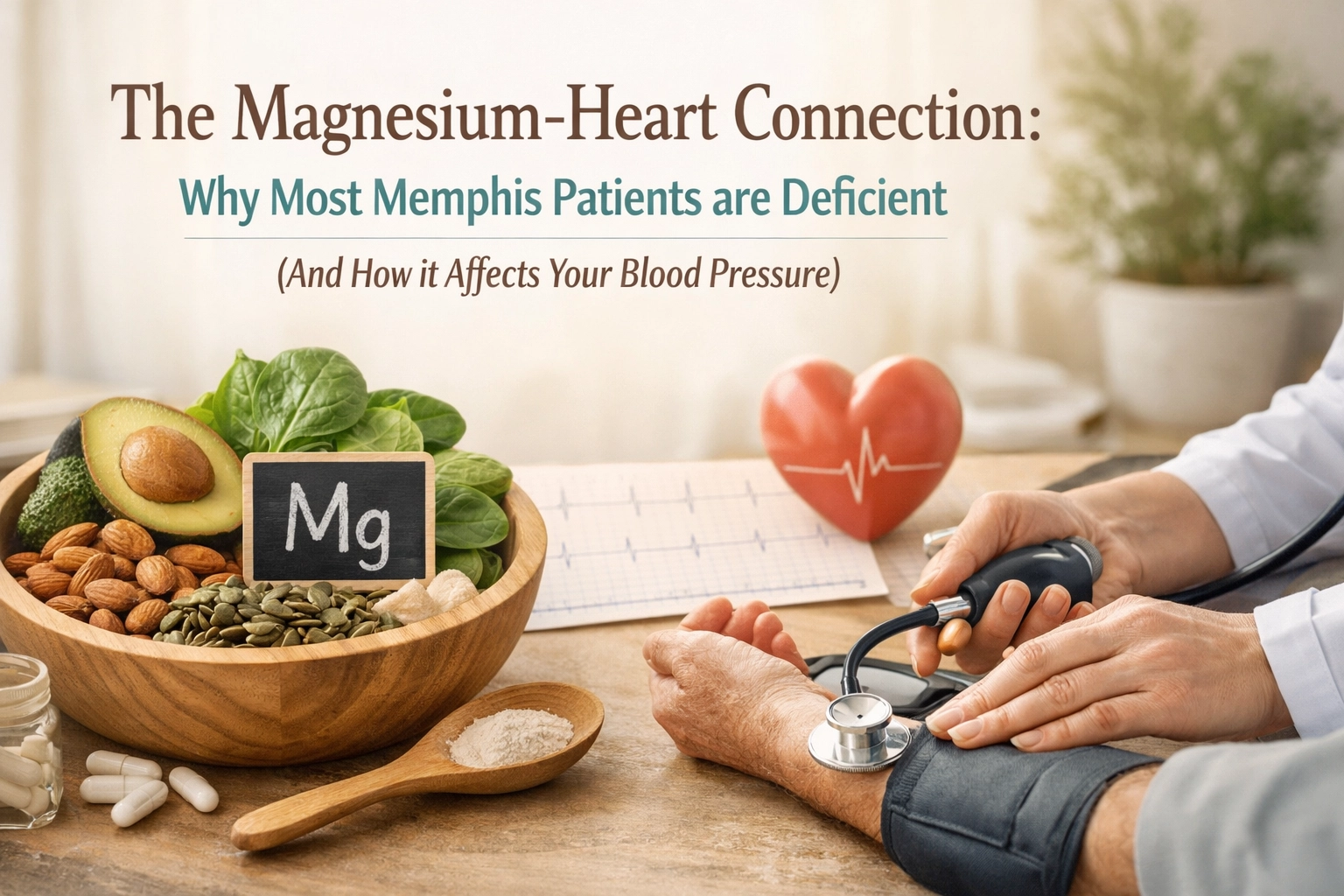
  • The Magnesium-Heart Connection: Why Most Memphis Patients are Deficient (And How it Affects Your Blood Pressure)

    The Magnesium-Heart Connection: Why Most Memphis Patients are Deficient (And How it Affects Your Blood Pressure)

    If you're taking blood pressure medication but your numbers still aren't where they should be, you're not alone. More than 80% of older adults in the United States aren't meeting dietary magnesium recommendations, and here in Memphis and Germantown, we're seeing the cardiovascular consequences play out in exam rooms every single day.

    The issue isn't just about eating more leafy greens. It's about understanding why magnesium has become the most overlooked mineral in modern cardiovascular care: and why the standard blood test your doctor ordered probably missed your deficiency entirely.

    Why Magnesium is the "Master Mineral" for Heart Health

    Magnesium functions as a cofactor in over 300 enzymatic reactions throughout your body. That means without adequate magnesium, hundreds of critical processes simply can't happen efficiently: including the ones that keep your heart beating steadily and your blood vessels relaxed.

    Here's what magnesium does for your cardiovascular system:

    • Regulates heart rhythm and electrical conduction
    • Relaxes blood vessel walls to lower blood pressure naturally
    • Prevents calcium from building up in arterial walls
    • Reduces inflammatory markers like C-reactive protein and interleukin-6
    • Supports energy production in heart muscle cells
    • Balances sodium and potassium for proper fluid regulation

    When magnesium levels drop, your blood vessels constrict, inflammation increases, and your heart has to work harder to pump blood through tighter arteries. This is why magnesium deficiency is directly linked to hypertension, arrhythmias, and increased heart failure risk.

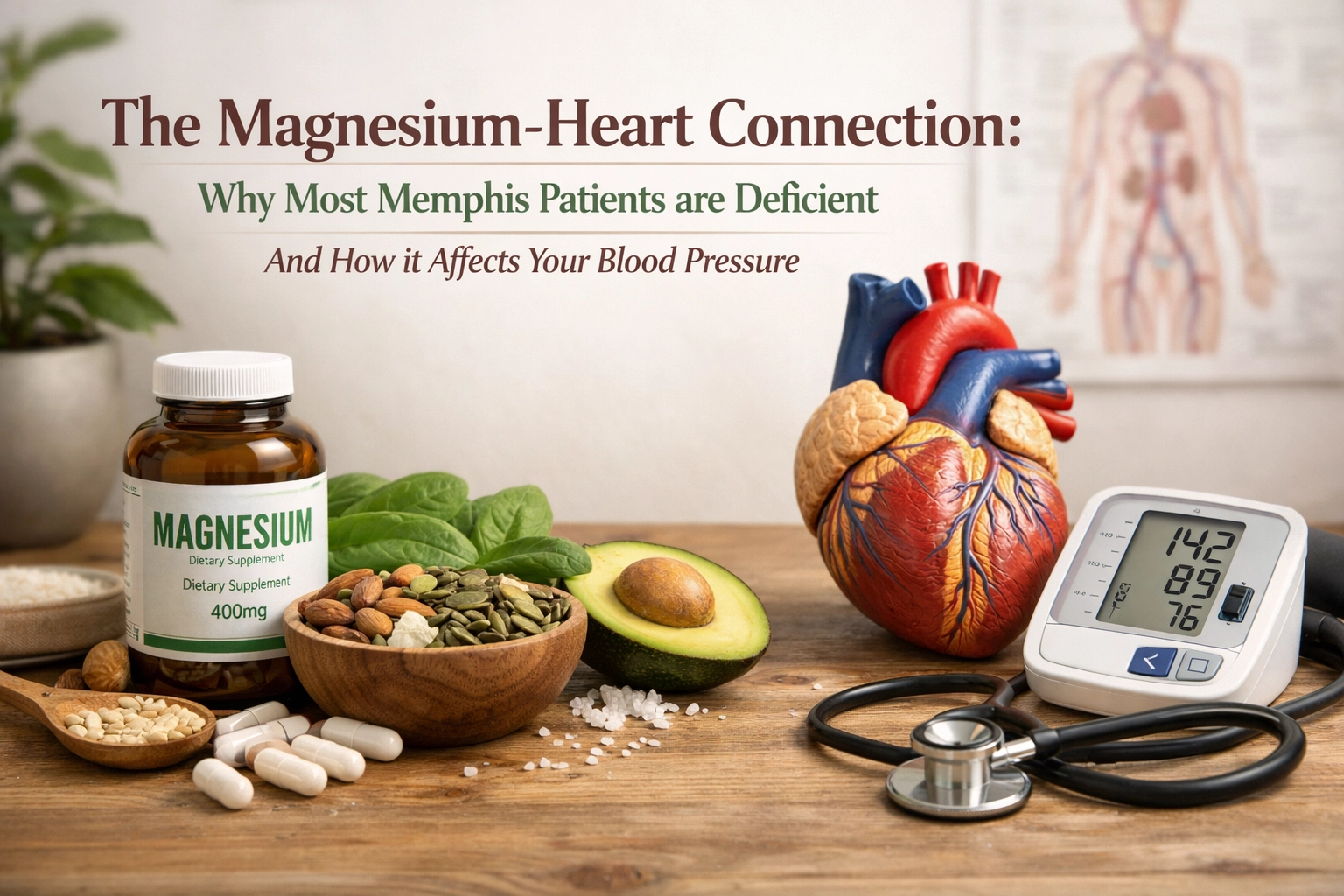
    Magnesium-rich foods including spinach, almonds, pumpkin seeds, and avocado for heart health

    The Memphis Diet Problem: Why We're Setting Ourselves Up for Deficiency

    Let's talk about why patients in Memphis, Germantown, Collierville, and Arlington face particular magnesium challenges. The traditional Southern diet: while delicious: is notably low in magnesium-rich foods and high in processed ingredients that actively deplete your body's magnesium stores.

    The Standard Memphis Plate:

    • Fried foods (cooked in oils that lack magnesium)
    • White bread and refined grains (processing removes 80-90% of magnesium)
    • Sweet tea and sodas (high sugar intake increases magnesium excretion)
    • Limited dark leafy greens and nuts
    • Heavy reliance on processed and packaged foods

    Add to this the soil depletion problem. Modern agricultural practices have stripped minerals from farmland across the Mid-South. Even when you're eating vegetables, they contain significantly less magnesium than the same foods contained 50 years ago.

    The result? Research shows approximately 75% of postmenopausal women consume less than the Recommended Daily Allowance for magnesium. The numbers are likely similar for men, though they're studied less frequently.

    The Blood Pressure Connection: How Magnesium Lowers Your Numbers

    Magnesium acts as a natural calcium channel blocker: the same mechanism used by prescription blood pressure medications like amlodipine. When you have adequate magnesium, it prevents excessive calcium from entering your heart and blood vessel cells, keeping them relaxed and flexible.

    Low magnesium levels trigger a cascade of problems:

    • Blood vessels constrict and stiffen
    • Inflammatory markers rise (hs-CRP and IL-6 increase)
    • Endothelial dysfunction develops (the inner lining of blood vessels stops working properly)
    • Arterial walls become more prone to plaque buildup
    • Heart rhythm irregularities become more common

    Studies demonstrate that dietary magnesium intake is inversely associated with hypertension. In plain language: the less magnesium you consume, the higher your blood pressure tends to run.

    For our patients in Memphis dealing with resistant hypertension: blood pressure that won't respond to medications: magnesium deficiency is frequently part of the picture. Correcting the deficiency often allows blood pressure medications to work more effectively, or reduces the number of medications needed entirely.

    Blood test vial and lab form for RBC magnesium testing at medical clinic

    Why Your Doctor's Magnesium Test is Probably Wrong

    Here's where things get frustrating. Most doctors order a Serum Magnesium test, which measures magnesium levels in your blood plasma. This test misses the majority of deficiencies because only 1% of your body's magnesium is in your bloodstream.

    Your body tightly regulates serum magnesium levels because they're critical for heart function. When magnesium drops, your body pulls it from your bones, muscles, and tissues to keep blood levels stable. By the time a serum magnesium test shows low, you're severely depleted.

    The better test: RBC Magnesium (Red Blood Cell Magnesium)

    This test measures magnesium inside your cells: where 99% of your body's magnesium actually lives. It provides a far more accurate picture of your true magnesium status.

    At The Fatigue Clinic in Collierville, we routinely see patients with "normal" serum magnesium but significantly low RBC magnesium levels. These are the patients walking around with undiagnosed deficiency, wondering why their blood pressure won't budge despite multiple medications.

    Southern Soil and Water: The Local Magnesium Depletion Factor

    The Memphis area sits on unique geology: we're dealing with depleted topsoil from intensive cotton farming that lasted more than a century. Modern agriculture focuses on nitrogen, phosphorus, and potassium, largely ignoring trace minerals like magnesium.

    Additionally, our municipal water supply varies significantly in mineral content. While Memphis draws from a relatively pure aquifer, most water treatment processes don't add back minerals. If you're drinking filtered or bottled water (removing even more minerals), you're missing out on what used to be a reliable magnesium source.

    Compare this to regions with mineral-rich soil and hard water: populations there naturally consume more magnesium through food and water, and cardiovascular disease rates tend to run lower.

    Traditional Southern foods including fried chicken and sweet tea contributing to magnesium deficiency

    Signs You Might Be Magnesium Deficient

    Common symptoms include:

    • Muscle cramps, especially at night
    • Persistent fatigue despite adequate sleep
    • Heart palpitations or irregular heartbeat
    • High blood pressure that resists medication
    • Anxiety and difficulty managing stress
    • Headaches or migraines
    • Difficulty sleeping or restless legs
    • Constipation

    Many of our patients from Germantown and Arlington come in assuming they need more potassium for their muscle cramps: but magnesium deficiency is often the real culprit.

    What To Do About It: Testing and Treatment at The Fatigue Clinic

    If you're dealing with high blood pressure, heart palpitations, or any of the symptoms above, the first step is proper testing. We use RBC Magnesium testing to get an accurate baseline, then create a personalized supplementation plan.

    Magnesium supplementation isn't one-size-fits-all. Different forms of magnesium serve different purposes:

    • Magnesium glycinate: Best absorbed, gentle on digestion, ideal for deficiency correction
    • Magnesium taurate: Specifically supports cardiovascular function
    • Magnesium threonate: Crosses the blood-brain barrier for neurological benefits
    • Magnesium oxide: Poorly absorbed, acts more as a laxative

    We also offer IV magnesium therapy for patients with severe deficiency or absorption issues. IV administration bypasses the digestive system entirely, delivering magnesium directly to your cells.

    Don't Forget Your Heart's Bigger Picture: The $75 Cardiac Calcium Score

    While you're addressing magnesium deficiency, it's the perfect time to get baseline information about your cardiovascular risk. We're currently offering Cardiac Calcium Scoring for just $75: a fraction of what hospitals charge.

    This simple, non-invasive CT scan measures calcium deposits in your coronary arteries, giving you a precise picture of your heart disease risk. Combined with magnesium optimization, you're taking real, measurable steps to protect your heart health.

    The calcium score is particularly valuable if you:

    • Have family history of heart disease
    • Have high blood pressure or cholesterol
    • Are over 40 with cardiovascular risk factors
    • Want to know if your current prevention strategy is working

    Taking Action in Memphis and Germantown

    Here at The Fatigue Clinic in Collierville, serving patients throughout Memphis, Germantown, and Arlington, we see magnesium deficiency affect cardiovascular health every single week. The good news? It's one of the most straightforward deficiencies to correct when properly identified and treated.

    Ready to get your magnesium levels checked with the right test? Call us at 901-221-8621 to schedule comprehensive cardiovascular testing, including RBC Magnesium and our $75 Cardiac Calcium Score special.

    Your blood pressure: and your heart( will thank you.)

  • 1-Minute Guide: The Magnesium-Heart Connection (Client Resource)

    1-Minute Guide: The Magnesium-Heart Connection (Client Resource)

    Why Magnesium Matters for Your Heart

    Magnesium is your heart's relaxation mineral. While calcium tells your heart muscle to contract, magnesium tells it to relax. Your heart beats roughly 100,000 times daily, this balance is everything.

    Blood pressure regulation: Magnesium relaxes blood vessel walls and reduces stress hormones that spike your pressure.

    Heart rhythm control: Magnesium manages the electrical gates that keep your heartbeat steady. Without enough, these gates open and close too quickly, hello, palpitations.

    Disease prevention: Higher magnesium intake correlates with lower rates of coronary artery disease, arrhythmias, and stroke.

    Magnesium-rich foods including spinach, almonds, pumpkin seeds, avocado, dark chocolate, and salmon for heart health

    The Lab Test Problem (This Affects Most Collierville & Germantown Patients)

    Standard serum magnesium tests miss deficiency 90% of the time. Here's why:

    Only 1% of your body's magnesium lives in your blood. The rest hides in your bones, muscles, and cells. Your body pulls magnesium from cells to keep blood levels normal: so by the time a serum test shows low, you're already severely depleted.

    What to ask for instead: RBC magnesium (Red Blood Cell magnesium). This test measures what's actually inside your cells where magnesium does its work.

    Daily Targets

    • Men: 400–420 mg
    • Women: 310–320 mg

    Actionable Steps for Memphis-Area Patients

    1. Request the right test. Ask your provider for RBC magnesium, not serum magnesium.

    2. Know your food sources. Dark leafy greens, pumpkin seeds, almonds, dark chocolate (70%+ cacao), avocados, fatty fish.

    3. Consider supplementation carefully. Magnesium glycinate absorbs best and doesn't cause digestive upset like magnesium oxide. Work with a provider who understands dosing: especially if you're on heart medications.

    4. Get a baseline heart scan. Our $75 Cardiac Calcium Score (special pricing through February) shows you exactly what's happening in your coronary arteries. It's the same technology hospitals use, but at a fraction of the cost.

    Why This Matters in Our Community

    Heart disease remains the leading cause of death in Tennessee. Prevention beats intervention. Understanding your magnesium status and calcium score gives you two powerful data points for protecting your cardiovascular system.

    Take Action Today

    Schedule your Cardiac Calcium Score and discuss RBC magnesium testing during your visit. Our Collierville clinic serves patients throughout Germantown, Memphis, Arlington, and surrounding areas.

    Call 901-221-8621 to book your heart health assessment.


    This resource is part of our February Heart Health series. Visit our Client Resources page for more actionable health guides.

  • The Magnesium-Heart Connection: Why Most Memphis Patients are Deficient (And How it Affects Your Blood Pressure)

    The Magnesium-Heart Connection: Why Most Memphis Patients are Deficient (And How it Affects Your Blood Pressure)

    Your doctor says your blood pressure is creeping up. Maybe they've already started you on medication. But here's what most Memphis cardiologists won't tell you: your heart problem might actually be a magnesium problem.

    And the worst part? The standard blood test your doctor orders completely misses it.

    Why Magnesium is Your Heart's Best Friend

    Magnesium is the fourth most abundant mineral in your body: and your heart depends on it to function properly. Think of magnesium as the master electrician of your cardiovascular system. It regulates your heart rhythm, controls blood vessel tone, and helps your heart muscle relax between beats.

    Without enough magnesium, your blood vessels constrict. That means higher blood pressure. Your heart has to work harder to pump blood through tighter pathways. Over time, this leads to the exact problems we see in patients throughout Germantown, Collierville, and Memphis: hypertension, arrhythmias, and increased cardiovascular risk.

    Magnesium-rich foods including spinach, almonds, and avocado for heart health and blood pressure

    Here's what magnesium does for your heart every single day:

    • Relaxes blood vessels so blood flows more easily (lowering blood pressure naturally)

    • Regulates calcium movement into heart cells (preventing irregular heartbeats)

    • Reduces inflammation in artery walls (slowing plaque buildup)

    • Balances electrolytes like potassium and sodium (stabilizing heart rhythm)

    • Improves insulin sensitivity (reducing metabolic stress on the cardiovascular system)

    When magnesium levels drop, all of these protective mechanisms fail. Your blood pressure climbs. Your heart rhythm becomes unstable. Your risk of cardiac events increases.

    The Testing Problem Nobody Talks About

    Here's the frustrating truth: when your doctor orders a "magnesium level," they're testing serum magnesium. That's the magnesium floating around in your bloodstream.

    But only 1% of your body's magnesium is in your blood.

    The other 99%? It's stored in your bones, muscles, and soft tissues: especially your heart. Your body desperately protects that serum magnesium level because it's critical for survival. So even when you're severely deficient, your blood test comes back "normal."

    This is why patients in Memphis come to us confused and frustrated. They've been told their magnesium is fine, yet they're dealing with high blood pressure, irregular heartbeats, muscle cramps, and chronic fatigue: all classic signs of magnesium deficiency.

    Standard lab ranges aren't designed to catch functional deficiencies. They only flag extreme, life-threatening shortages. Most functional medicine doctors know that optimal magnesium levels sit at the high end of "normal": but conventional testing never reveals this.

    Heart model with magnesium supplements showing connection between minerals and cardiovascular health

    Why Memphis Patients Are at Higher Risk

    Research shows that 20% of patients at urban family medicine centers have hypomagnesemia: magnesium deficiency. That's significantly higher than the general population.

    Studies also indicate greater prevalence of hidden magnesium deficiency among African-Americans, a significant demographic in the Memphis metro area. The mechanism appears related to how magnesium affects insulin resistance and metabolic health, which then accelerates cardiovascular problems.

    But it's not just about demographics. Here's what we see every day at our Collierville clinic that depletes magnesium in patients across Germantown, Memphis, and Arlington:

    • High-stress lifestyles (stress hormones literally pull magnesium from your cells)

    • Poor soil quality in conventionally-grown foods (less magnesium in vegetables than 50 years ago)

    • High sugar and processed food diets (sugar metabolism burns through magnesium stores)

    • Medications like diuretics and proton pump inhibitors (actively deplete magnesium)

    • Chronic conditions like diabetes and gut disorders (interfere with magnesium absorption)

    • Heavy alcohol consumption (increases magnesium loss through urine)

    Add these factors together, and you understand why so many Memphis-area patients walk around with suboptimal magnesium: and why their blood pressure keeps climbing despite medication.

    The Signs Your Heart Needs More Magnesium

    Your body sends signals when magnesium runs low. Most patients ignore these signs because they seem unrelated to heart health. But your cardiovascular system is screaming for help.

    Watch for these red flags:

    Cardiovascular symptoms:

    • Blood pressure creeping up despite medication
    • Heart palpitations or irregular heartbeat
    • Chest tightness or discomfort

    Muscular symptoms:

    • Muscle cramps (especially at night)
    • Restless leg syndrome
    • Eyelid twitching
    • Muscle tension and stiffness

    Neurological symptoms:

    • Anxiety or heightened stress response
    • Trouble sleeping
    • Brain fog or difficulty concentrating
    • Headaches or migraines

    Metabolic symptoms:

    • Insulin resistance or rising blood sugar
    • Chronic fatigue despite adequate sleep
    • Difficulty managing weight

    If you're dealing with high blood pressure plus any of these other symptoms, magnesium deficiency should be at the top of your investigation list: not the bottom.

    Woman experiencing muscle cramps from magnesium deficiency, a common symptom in Memphis patients

    How Functional Medicine Doctors Test Differently

    At The Fatigue Clinic in Collierville, we don't rely on standard serum magnesium tests. We look deeper.

    Red Blood Cell (RBC) Magnesium testing measures the magnesium inside your cells: where 99% of it actually lives. This gives us a much more accurate picture of your true magnesium status.

    We also assess magnesium in the context of other minerals. Magnesium works alongside calcium, potassium, and sodium to regulate heart function. If one is out of balance, the others compensate: until they can't anymore.

    That's when patients develop hypertension, arrhythmias, and other cardiovascular issues that conventional medicine treats with medication but never addresses at the root cause level.

    The Heart-Calcium-Magnesium Triangle

    Here's where things get really interesting. Magnesium controls how calcium moves in and out of your heart cells. When magnesium is low, calcium floods into cells and blood vessel walls.

    That excess calcium? It doesn't just raise your blood pressure. It also deposits in your arteries as plaque.

    This is why we've made our $75 Cardiac Calcium Score special available to patients throughout the Memphis area this Heart Month. A Cardiac Calcium Score uses a quick CT scan to measure calcium deposits in your coronary arteries: the best predictor of future heart attack risk.

    If your score is elevated, it tells us two things:

    1. You've got cardiovascular disease developing (even if you feel fine)
    2. There's a good chance magnesium deficiency played a role

    The earlier we catch arterial calcification, the more we can do to stop and even reverse it: especially when we address the underlying magnesium deficiency driving the problem.

    How to Restore Magnesium (The Right Way)

    Not all magnesium supplements are created equal. Most patients in Germantown and Memphis grab cheap magnesium oxide from the drugstore: and wonder why nothing changes.

    Magnesium oxide has terrible absorption. You're basically flushing money down the toilet: sometimes literally, since it causes loose stools.

    Here's what actually works:

    Magnesium glycinate – Best for sleep, anxiety, and muscle relaxation. Highly absorbable with minimal digestive side effects.

    Magnesium threonate – Crosses the blood-brain barrier. Excellent for brain fog, focus, and cognitive health.

    Magnesium taurate – Specifically supports cardiovascular health. Combines magnesium with taurine (an amino acid that protects the heart).

    Topical magnesium – Magnesium chloride oil or Epsom salt baths allow absorption through the skin, bypassing digestive issues entirely.

    For patients with severe deficiency or urgent cardiovascular concerns, IV magnesium therapy delivers therapeutic doses directly into the bloodstream. We offer targeted IV infusions at our Collierville clinic designed to quickly restore magnesium levels while supporting heart health.

    Dosing varies based on your individual needs, but most adults benefit from 300-600 mg of elemental magnesium daily. Divided doses work better than one large dose, and taking magnesium with food improves absorption.

    The Bottom Line for Memphis Heart Health

    If you're dealing with high blood pressure in Germantown, Collierville, Memphis, or Arlington: don't assume medication is your only option. Most cardiologists never investigate magnesium status, even though deficiency is epidemic and directly affects blood pressure regulation.

    The standard serum magnesium test misses the vast majority of deficiencies. Your levels can be "normal" while your heart is starving for this critical mineral.

    This Heart Month, take control of your cardiovascular health from the ground up. Get a true assessment of your magnesium status with functional testing that looks inside your cells, not just your bloodstream. And if you're over 40 or have risk factors for heart disease, consider our $75 Cardiac Calcium Score to see what's actually happening in your coronary arteries.

    Your heart doesn't need more medication. It needs the minerals and nutrients to function the way nature intended.

    Ready to get to the root cause of your blood pressure issues? Call 901-221-8621 to schedule your functional medicine consultation at The Fatigue Clinic in Collierville. We serve patients throughout the Memphis area who are tired of band-aid solutions and ready for real answers.

  • 1-Minute Guide: Is Insulin Resistance Driving Your High Blood Pressure? (Client Resource)

    1-Minute Guide: Is Insulin Resistance Driving Your High Blood Pressure? (Client Resource)

    Client Resource Intention: Education & Empowerment

    If your blood pressure meds aren't cutting it, there's a good chance insulin resistance is quietly fueling the problem. About 50% of people with high blood pressure also have insulin resistance: and addressing one helps fix the other.

    How Insulin Resistance Raises Your Blood Pressure

    Salt & Water Retention: When your cells resist insulin, your body cranks up aldosterone (a hormone that tells your kidneys to hold onto salt and water). More fluid = higher pressure in your arteries.

    Blood Vessel Stiffness: Excess insulin makes blood vessels thicken and lose their ability to relax. Instead of opening up easily to let blood flow through, they stay tight and constricted: forcing your heart to work overtime.

    Nervous System on Overdrive: Insulin resistance kicks your "fight or flight" system into gear, which triggers more sodium retention and vessel constriction. Your body acts like it's under constant stress.

    Chronic Inflammation: High insulin creates a low-grade inflammatory state that elevates cortisol and other stress hormones: all of which push your BP higher.

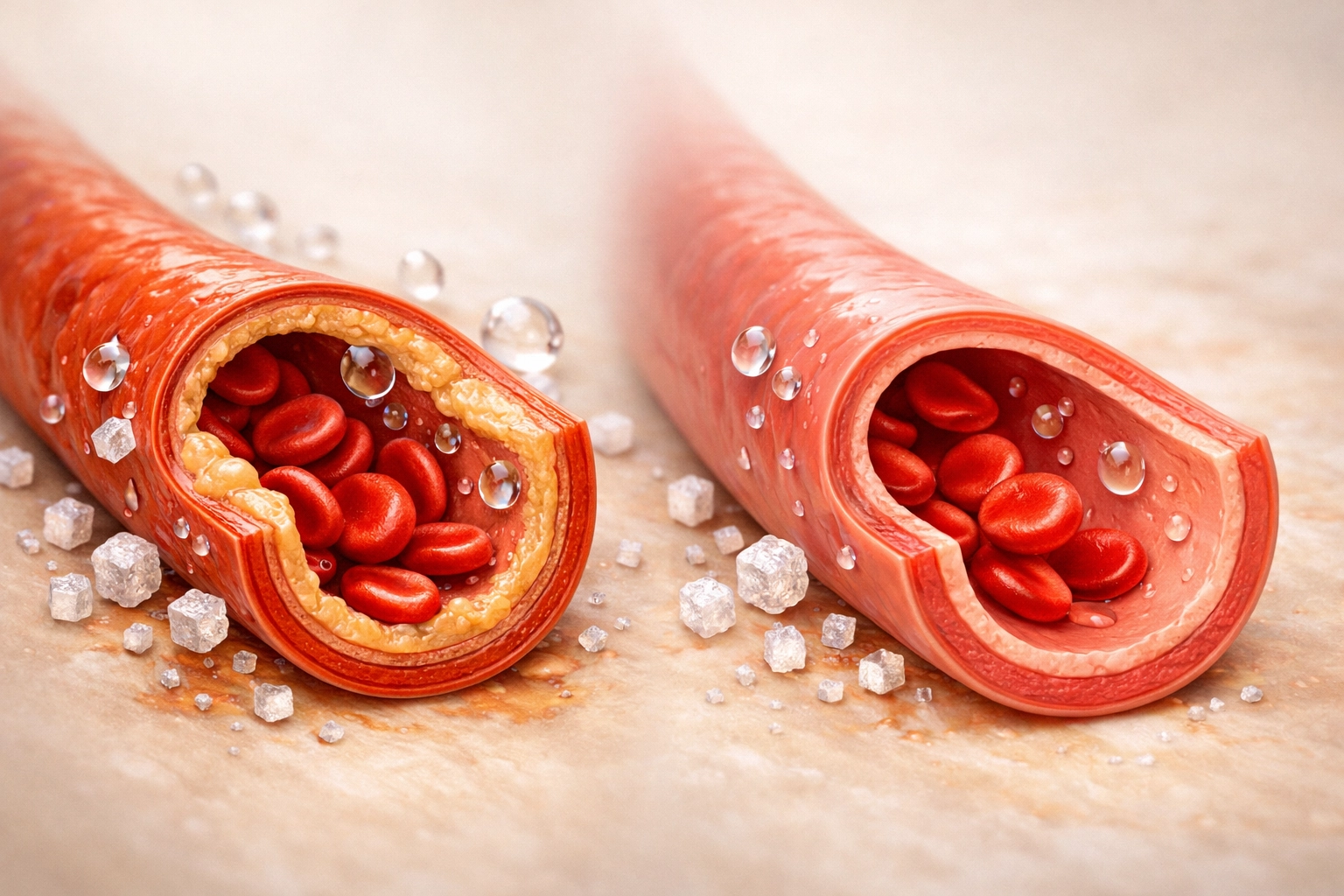
    Comparison of constricted blood vessel from insulin resistance versus healthy relaxed vessel

    What You Can Do Right Now

    Get tested. Ask your provider in Collierville or Germantown about checking fasting glucose, fasting insulin, or a glucose tolerance test. Standard labs often miss insulin resistance until it's advanced.

    Focus on root causes. Cutting carbs, moving daily, and prioritizing sleep all improve insulin sensitivity: and often drop blood pressure naturally without adding more meds.

    Check your heart health baseline. A Cardiac Calcium Score shows how much plaque is building in your arteries. It's the gold standard for assessing cardiovascular risk, especially if you're dealing with metabolic issues.

    Special Offer: $75 Cardiac Calcium Score

    We're running a $75 Cardiac Calcium Score special this Heart Month for patients in Memphis, Germantown, Collierville, and Arlington. This quick, non-invasive scan gives you a clear picture of your heart health: so you can catch problems early and take action before symptoms show up.

    Ready to dig deeper? Call us at 901-221-8621 or visit designvista.serverhatch.com/thefatigueclinic/contact to schedule your scan or talk about testing for insulin resistance.


    Bottom line: High blood pressure isn't just a "blood pressure problem." It's often a metabolic problem: and when you fix insulin resistance, your BP often follows.

  • The Silent Driver of High Blood Pressure: What Memphis Doctors Often Miss About Insulin Resistance

    The Silent Driver of High Blood Pressure: What Memphis Doctors Often Miss About Insulin Resistance

    You've been taking your blood pressure medication faithfully. You've cut back on salt. You're trying to eat better. But your numbers still aren't where they should be.

    Sound familiar? You're not alone, and it's probably not your fault.

    Here in Collierville, we see patients from Germantown, Memphis, and Arlington who've been on blood pressure medications for years without getting to the root of the problem. The issue? Most conventional approaches treat the symptom (high blood pressure) without addressing what's actually causing it.

    And for about half of all hypertensive patients, that root cause is insulin resistance, a metabolic condition that silently drives blood pressure higher while flying completely under the radar of standard medical care.

    What Is Insulin Resistance, Anyway?

    Think of insulin as the key that unlocks your cells so glucose (sugar) can get inside and be used for energy. When you have insulin resistance, those locks get sticky. Your cells don't respond to insulin like they should.

    Your pancreas notices this and thinks, "I just need to make MORE insulin!" So it pumps out extra insulin to force those cell doors open. This leads to chronically elevated insulin levels in your bloodstream: a condition called hyperinsulinemia.

    Here's the kicker: You can have insulin resistance and hyperinsulinemia for YEARS before your blood sugar gets high enough to be diagnosed as prediabetes or type 2 diabetes. Your standard annual physical won't catch it. Your fasting glucose might look totally normal while this metabolic dysfunction quietly damages your cardiovascular system.

    Insulin resistance and blood pressure connection illustrated through metabolic pathways

    How Insulin Resistance Hijacks Your Blood Pressure

    Elevated insulin doesn't just sit there harmlessly. It actively raises your blood pressure through multiple pathways:

    1. Your Kidneys Hold Onto Sodium

    High insulin levels tell your kidneys to reabsorb more sodium instead of peeing it out. More sodium means more water retention. More water in your bloodstream means higher blood pressure. This happens regardless of how much salt you're eating.

    2. Your Nervous System Gets Overstimulated

    Insulin resistance activates your sympathetic nervous system: your body's "fight or flight" response. This keeps your blood vessels constricted and your heart rate elevated, driving blood pressure up throughout the day.

    3. Your Blood Vessels Can't Relax Properly

    Normally, insulin helps produce nitric oxide in the lining of your blood vessels. Nitric oxide is like a natural blood pressure medication: it helps vessels relax and dilate. But when you're insulin resistant, this protective pathway stops working while the harmful constricting pathways stay active.

    4. Your Vascular Structure Changes

    Chronic hyperinsulinemia promotes changes in your blood vessel walls themselves, making them stiffer and less flexible. Stiffer vessels = higher pressure.

    The Germantown Disconnect: Why Your Doctor Probably Hasn't Mentioned This

    Walk into most medical offices in Memphis or Germantown, and here's what happens when you have high blood pressure:

    You get a prescription for a blood pressure medication. Maybe two. The goal is to get your numbers down. Period.

    And to be fair, this isn't wrong: uncontrolled high blood pressure is dangerous. Lowering it reduces your risk of stroke and heart attack right now.

    But here's what research shows: Even when blood pressure medications successfully lower your numbers, the underlying insulin resistance and metabolic abnormalities remain completely unchanged.

    Studies confirm that abnormalities in insulin metabolism and lipid profiles persist after blood pressure is normalized with medication. You're treating the smoke alarm, not the fire.

    Why This Matters for Arlington and Collierville Residents

    About 50% of people with high blood pressure have hyperinsulinemia or glucose intolerance. That's HALF. Yet how many Memphis-area patients are routinely screened for insulin resistance when they're diagnosed with hypertension?

    Almost none.

    Standard hypertension workups don't include:

    • Fasting insulin levels
    • Hemoglobin A1C (a 3-month average of blood sugar)
    • Advanced lipid panels showing triglyceride-to-HDL ratios
    • HOMA-IR calculations (a measure of insulin resistance)

    Without these tests, insulin resistance stays invisible while it continues driving cardiovascular risk through multiple pathways that blood pressure medication can't touch.

    Kidney model showing how insulin resistance affects blood pressure regulation

    The Vicious Cycle: It Goes Both Ways

    Here's where it gets even more complicated: Insulin resistance causes high blood pressure, but high blood pressure also makes insulin resistance worse.

    High blood pressure damages the small blood vessels that deliver glucose to your muscles. When glucose can't get delivered efficiently, your muscles become even more insulin resistant. It's a self-perpetuating cycle that medications alone can't break.

    What Actually Works: Addressing the Root Cause

    The good news? Insulin resistance is reversible for most people through targeted interventions that address metabolism, not just blood pressure readings.

    Lifestyle Interventions That Target Insulin Resistance:

    Exercise is incredibly effective: it improves insulin sensitivity directly by helping muscles take up glucose without needing as much insulin. Even moderate physical activity makes a measurable difference within weeks.

    Dietary changes that reduce refined carbohydrates and added sugars lower insulin demand. When you stop constantly spiking your blood sugar, your pancreas doesn't have to pump out as much insulin.

    Targeted supplementation can support insulin sensitivity. We frequently use nutrients like magnesium, chromium, and alpha-lipoic acid in our Collierville clinic.

    Addressing chronic inflammation through nutrition, stress reduction, and identifying food sensitivities helps improve cellular insulin signaling.

    Getting adequate sleep is non-negotiable: poor sleep wrecks insulin sensitivity within days.

    Beyond the Basics: Advanced Cardiovascular Assessment

    If you're serious about understanding your cardiovascular risk: especially if you have high blood pressure, a family history of heart disease, or metabolic concerns: basic cholesterol testing isn't enough.

    A Cardiac Calcium Score uses a quick CT scan to measure actual calcium deposits in your coronary arteries. This tells you how much atherosclerosis you actually have, not just what your cholesterol numbers suggest you might have.

    This February, we're offering Cardiac Calcium Scoring for just $75 as part of Heart Health Month. This is a fraction of what you'd pay elsewhere in the Memphis area, and it provides concrete data about your cardiovascular status.

    Call 901-221-8621 to schedule your scan.

    Fresh whole foods and blood pressure monitor representing natural hypertension treatment

    What to Ask Your Doctor

    If you have high blood pressure: especially if you're on medication but your numbers aren't optimal, or if you have other signs of metabolic dysfunction like weight around your midsection, fatigue, or brain fog: ask for these tests:

    • Fasting insulin level (not just fasting glucose)
    • Hemoglobin A1C
    • Comprehensive metabolic panel
    • Advanced lipid panel with particle size
    • High-sensitivity C-reactive protein (a marker of inflammation)

    If your doctor dismisses these requests or tells you they're unnecessary, that's valuable information. It might be time to work with a provider who looks at the whole metabolic picture.

    The Functional Medicine Approach in Collierville

    At The Fatigue Clinic in Collierville, we serve patients from Germantown, Memphis, Arlington, and throughout the Mid-South who are tired of symptom management. Our approach focuses on identifying and addressing root causes: whether that's insulin resistance, chronic inflammation, nutrient deficiencies, hormonal imbalances, or combinations of these factors.

    We use comprehensive testing to understand what's actually happening in your body. Then we develop personalized treatment plans that address the underlying dysfunction, not just the symptoms.

    For cardiovascular health, this means:

    • Advanced metabolic testing
    • Cardiac imaging when appropriate
    • Targeted nutritional interventions
    • Strategic supplementation
    • Lifestyle optimization
    • Ongoing monitoring and adjustment

    The Bottom Line for Memphis-Area Residents

    High blood pressure isn't just about salt and stress. For millions of Americans, insulin resistance is the silent driver that keeps blood pressure elevated no matter how many medications they take.

    If you've been struggling to get your numbers under control, or if you want to prevent cardiovascular disease rather than just manage symptoms, it's time to look deeper.

    Understanding and addressing insulin resistance isn't just about blood pressure: it's about reducing your overall cardiovascular risk, improving your metabolic health, and feeling better day to day.

    Ready to get answers? Call The Fatigue Clinic at 901-221-8621 to schedule a comprehensive cardiovascular assessment. We're located in Collierville and proud to serve patients throughout Germantown, Memphis, Arlington, and surrounding communities.

    Don't forget about our $75 Cardiac Calcium Score special this February. Know your numbers. Know your risk. Take control of your heart health.

  • Root-Cause Healing in Memphis: The Fatigue Clinic Difference

    Root-Cause Healing in Memphis: The Fatigue Clinic Difference

    Searching for functional medicine Memphis usually happens after the same frustrating pattern. You've been to doctor after doctor. You've had blood work done: sometimes the same panels run multiple times. You've been told your labs are "normal" while you feel anything but. You've been handed prescriptions that mask symptoms but never seem to get to the why behind your exhaustion, brain fog, or chronic pain.

    If this sounds familiar, you're not alone. Thousands of patients across Collierville, Germantown, Memphis, and Arlington have experienced this exact frustration. And it's precisely why The Fatigue Clinic exists.

    We do things differently here. We're not interested in putting band-aids on bullet wounds. We're health detectives, and our mission is to uncover what's actually going wrong in your body: then fix it at the source.

    The Problem With Conventional Medicine (It's Not What You Think)

    Let's be clear: conventional medicine saves lives every single day. If you break your arm or need emergency surgery, modern medicine is nothing short of miraculous.

    But here's where things get tricky. Conventional medicine was built for acute problems: infections, injuries, emergencies. It wasn't designed for the complex, chronic conditions that plague so many people today.

    Think about it. You go to your doctor with fatigue. They run some basic labs. Everything comes back within range. You're told to get more sleep, maybe take a vitamin, and come back if things get worse.

    But nothing changes. Because no one asked the deeper questions:

    • Why is your body not producing energy efficiently?
    • What's happening at the cellular level?
    • Is there hidden inflammation, a gut imbalance, or a hormonal dysfunction driving your symptoms?

    This is the gap we fill at The Fatigue Clinic.

    Root Cause Discovery: Quick Facts Sheet A wooden clipboard displays a fact sheet titled 'Root Cause Discovery: Quick Facts Sheet' beside a beaker with a plant root, magnifying glass, potted plant, and ceramic mug. This arrangement visually reflects The Fatigue Clinic's functional medicine approach, emphasizing the identification of underlying causes of illness through holistic and investigative methods.

    The "Health Detective" Approach: How We Find What Others Miss

    At our clinic in Collierville, TN, we practice what's called root-cause medicine. Instead of asking "what medication can suppress this symptom?" we ask "why is this symptom happening in the first place?"

    We dig deeper. We look at your nutrition, your environment, your lifestyle, your genetics, and your history. We examine how all these pieces connect: because your body is a system, not a collection of unrelated parts.

    Here's what makes our approach different:

    Comprehensive Testing: We use advanced diagnostic testing that goes far beyond standard blood panels. We're looking at markers most conventional doctors don't even check.

    Personalized Treatment Plans: There's no one-size-fits-all protocol here. Your treatment plan is built specifically for your unique biology and circumstances.

    Time and Attention: We actually listen. Your first appointment isn't a rushed 15-minute encounter. We take the time to understand your complete health picture.

    Evidence-Based Protocols: Everything we do is grounded in scientific research. We combine traditional healing wisdom with cutting-edge science to give you the best of both worlds.

    Who We Help: Complex Cases Welcome

    Many of our patients in the Memphis area come to us after being dismissed, misdiagnosed, or told "it's all in your head." They're dealing with conditions that don't fit neatly into conventional diagnostic boxes.

    Patients waiting in a bright, welcoming Memphis functional medicine clinic focused on root-cause healing

    Long COVID Recovery

    Long COVID has affected millions of people, leaving them with persistent fatigue, brain fog, shortness of breath, and a host of other debilitating symptoms: sometimes months or even years after their initial infection.

    Conventional medicine often has little to offer these patients beyond "wait and see." But at The Fatigue Clinic, we understand that Long COVID involves complex immune dysregulation, mitochondrial dysfunction, and often reactivation of latent viruses. We have specific protocols designed to address these underlying mechanisms.

    Autoimmune Disorders

    If you have an autoimmune condition like Hashimoto's, lupus, or rheumatoid arthritis, you've probably been told you'll need to manage it with medications for the rest of your life.

    But what if you could calm the autoimmune response by addressing the triggers? Things like gut permeability, chronic infections, toxin exposures, and food sensitivities can all drive autoimmune activity. Remove the triggers, and many patients see dramatic improvement.

    Chronic Fatigue and Fibromyalgia

    These conditions are particularly frustrating because they're often dismissed or minimized. "You just need to exercise more" or "have you tried antidepressants?" aren't helpful answers when you can barely get through your day.

    We take chronic fatigue and fibromyalgia seriously. We look for the metabolic, hormonal, and immune factors that are draining your energy: and we address them systematically.

    Our Toolkit: Therapies That Actually Work

    Root-cause medicine isn't just about identifying problems: it's about having effective tools to fix them. Here are some of the therapies we use at The Fatigue Clinic:

    PEMF Therapy

    Pulsed Electromagnetic Field (PEMF) therapy is one of the most powerful tools we have for reducing pain and inflammation, improving cellular energy production, and accelerating healing.

    It's non-invasive, completely painless, and backed by decades of research. Many of our Memphis chronic pain patients have been able to reduce or eliminate their dependence on medications after incorporating PEMF into their treatment plans.

    Learn more about PEMF therapy and why it's becoming so popular

    IV therapy being administered at a Memphis wellness clinic, showcasing modern integrative medicine options

    IV Therapy

    When your gut isn't absorbing nutrients properly (which is common in chronic illness), oral supplements only get you so far. IV therapy delivers vitamins, minerals, and other nutrients directly into your bloodstream, bypassing the digestive system entirely.

    This means higher absorption rates and faster results. We offer customized IV formulations based on your specific deficiencies and health goals. Our Germantown and Collierville patients have experienced remarkable improvements in energy, immune function, and overall well-being with targeted IV protocols.

    Explore IV therapy options that actually work

    Biofeedback

    Our clinic uses an acoustic mat for biofeedback sessions. It's simple and relaxing: there are no physical connections to you at all. Based on Dr. Bartel's research, this technology helps your nervous system reset and recover from chronic stress patterns that may be contributing to your symptoms.

    Nutritional and Lifestyle Medicine

    Sometimes the most powerful interventions are the most fundamental. What you eat, how you sleep, how you manage stress: these factors have enormous impacts on your health. We provide detailed guidance on optimizing these foundations.

    Serving the Greater Memphis Area

    The Fatigue Clinic is located in Collierville, TN, and we proudly serve patients from:

    • Germantown
    • Memphis
    • Arlington
    • Eads
    • And surrounding communities

    We also offer telemedicine appointments for those who can't easily make it to our clinic. Distance shouldn't be a barrier to getting the care you deserve.

    There Is a Path Forward

    If you've been struggling with chronic illness and feel like you've tried everything, we want you to know: there is hope. The answers are out there: they just require someone willing to look deeper.

    At The Fatigue Clinic, we've helped countless patients across the Memphis area reclaim their health and their lives. People who had given up hope. People who were told nothing could be done. They're now thriving.

    You could be next.


    Ready to discover what's really driving your symptoms? Visit designvista.serverhatch.com/thefatigueclinic/ to learn more about our biology-based approach to healing.

    Or call us directly at 901-221-8621 to schedule your consultation. Your body has the capacity to heal; sometimes it just needs a little help finding its way back.

  • 1-Minute Guide: Why 'Normal' Labs Don't Always Mean You're Healthy (Client Resource)

    1-Minute Guide: Why 'Normal' Labs Don't Always Mean You're Healthy (Client Resource)

    Have you ever left your doctor's office feeling confused? Your labs came back "normal," but you still feel exhausted, foggy, or just… off. You're not imagining it. And you're definitely not alone.

    At The Fatigue Clinic in Collierville, we hear this story every single day from patients across Memphis, Germantown, Arlington, and beyond. The truth is, "normal" lab results don't always mean you're healthy.

    This quick guide breaks down why that happens: and what you can do about it.


    The Problem With "Normal" Reference Ranges

    Here's what most patients don't know: When your doctor says your labs are "normal," they're comparing your results to a reference range. That range represents the middle 95% of a tested population.

    But here's the catch:

    • That population includes both healthy AND unhealthy people
    • Reference ranges vary from lab to lab based on different equipment and methods
    • Being "normal" essentially means "you're not dead yet": not that you're thriving

    The numbers don't lie:

    • 42% of Americans have vitamin D insufficiency
    • Obesity rates have doubled since 1962
    • Testosterone levels in men have been declining for decades

    So when your results are compared to a population that includes all of these issues, "normal" starts to look a lot less reassuring.


    Pathological Range vs. Functional Range: What's the Difference?

    This is where functional medicine: and The Fatigue Clinic: approaches things differently.

    Root Cause Discovery: Quick Facts Sheet A wooden clipboard displays a fact sheet titled 'Root Cause Discovery: Quick Facts Sheet' beside a beaker with a plant root, magnifying glass, potted plant, and ceramic mug. This arrangement visually reflects The Fatigue Clinic's functional medicine approach, emphasizing the identification of underlying causes of illness through holistic and investigative methods.

    Pathological Range (Standard Labs)

    • Designed to identify disease
    • Very wide parameters
    • You only get flagged when something is seriously wrong
    • Focuses on: "Do you have a diagnosable condition?"

    Functional Range (What We Use)

    • Designed to identify dysfunction before it becomes disease
    • Much narrower, optimal parameters
    • Catches imbalances early
    • Focuses on: "Is your body functioning at its best?"

    Think of it this way: Pathological ranges tell you when your house is on fire. Functional ranges tell you when there's smoke in the kitchen.


    Why Your "Normal" Might Not Be YOUR Normal

    Here's something critical: A lab value that's "normal" for the general population might be completely abnormal for you.

    Example: Let's say your white blood cell count usually runs at the very bottom of the reference range. If it suddenly jumps to the top of the range: still technically "normal": that could signal:

    • An infection
    • Inflammation
    • An underlying disorder

    Without tracking YOUR personal baseline over time, this red flag gets missed.

    At The Fatigue Clinic, we don't just look at whether you're "in range." We look at:

    • Your individual trends over time
    • How you actually feel
    • The full picture of your health history

    Common Labs That Are Often "Normal" But Not Optimal

    These are the markers we see most frequently in our Collierville clinic:

    Thyroid Panel

    • Standard labs often only check TSH
    • We check: TSH, Free T3, Free T4, Reverse T3, thyroid antibodies
    • The problem: Your TSH can be "normal" while your actual thyroid hormones are suboptimal

    Vitamin D

    • Standard "normal" range: 30-100 ng/mL
    • Functional optimal range: 50-80 ng/mL
    • The problem: A level of 32 is technically "normal" but may leave you feeling fatigued and achy

    Iron Studies

    • Standard labs may only check hemoglobin
    • We check: Ferritin, serum iron, TIBC, transferrin saturation
    • The problem: You can be iron deficient with "normal" hemoglobin

    Blood Sugar Markers

    • Standard "normal" fasting glucose: Under 100 mg/dL
    • Functional optimal: 75-86 mg/dL
    • The problem: A fasting glucose of 98 is "normal" but may indicate insulin resistance is developing

    B12

    • Standard "normal" range: 200-900 pg/mL
    • Functional optimal range: 500-800 pg/mL
    • The problem: A level of 250 is "normal" but often causes fatigue, brain fog, and nerve symptoms

    Signs Your "Normal" Labs Might Be Missing Something

    Check the boxes that apply to you:

    • ☐ You're exhausted even after a full night's sleep
    • ☐ You have brain fog or trouble concentrating
    • ☐ You've gained weight despite eating well and exercising
    • ☐ You feel anxious or depressed without a clear cause
    • ☐ Your hair is thinning or your skin is dry
    • ☐ You have digestive issues that won't resolve
    • ☐ You feel cold all the time
    • ☐ Your doctor says "everything looks fine" but you know something's off

    If you checked even one box, your labs might need a second look.


    What The Fatigue Clinic Does Differently

    At our Collierville location, we take a root-cause approach to understanding your labs. Here's what that looks like:

    We Run Comprehensive Panels

    Not just the basics. We dig deeper with functional lab testing that looks at:

    • Full thyroid panels
    • Advanced metabolic markers
    • Hormone levels
    • Nutrient deficiencies
    • Inflammatory markers
    • Gut health indicators

    We Use Functional Ranges

    We interpret your results using optimal ranges: not just "you're not sick" ranges.

    We Track Your Personal Baseline

    Your results are compared to YOUR history, not just a generic population.

    We Listen to YOU

    Your symptoms matter. If you feel terrible, we don't dismiss it just because a number looks "normal."

    We Create a Personalized Plan

    Based on your unique results, we develop a targeted protocol to address the root cause of your symptoms.


    Your Action Steps

    Ready to get answers? Here's what to do:

    1. Request copies of your recent labs (you have a right to them!)
    2. Look at your results through a functional lens: are you just "in range" or truly optimal?
    3. Track your symptoms: write down how you feel daily so you can identify patterns
    4. Schedule a consultation with The Fatigue Clinic to get a comprehensive evaluation

    The Bottom Line

    "Normal" labs don't mean you're healthy. They mean you haven't crossed a threshold into diagnosable disease: yet.

    If you're tired of being told "everything looks fine" when you know something isn't right, functional medicine offers a different approach.

    At The Fatigue Clinic in Collierville, we serve patients throughout Memphis, Germantown, Arlington, and the surrounding Mid-South area who are ready to stop settling for "normal" and start feeling optimal.


    Ready to Find Out What Your Labs Are Really Saying?

    Call 901-221-8621 to schedule your consultation today.

    You can also visit our Client Resources page for more quick guides, or explore our full range of services and products.

    Stop guessing. Start healing.

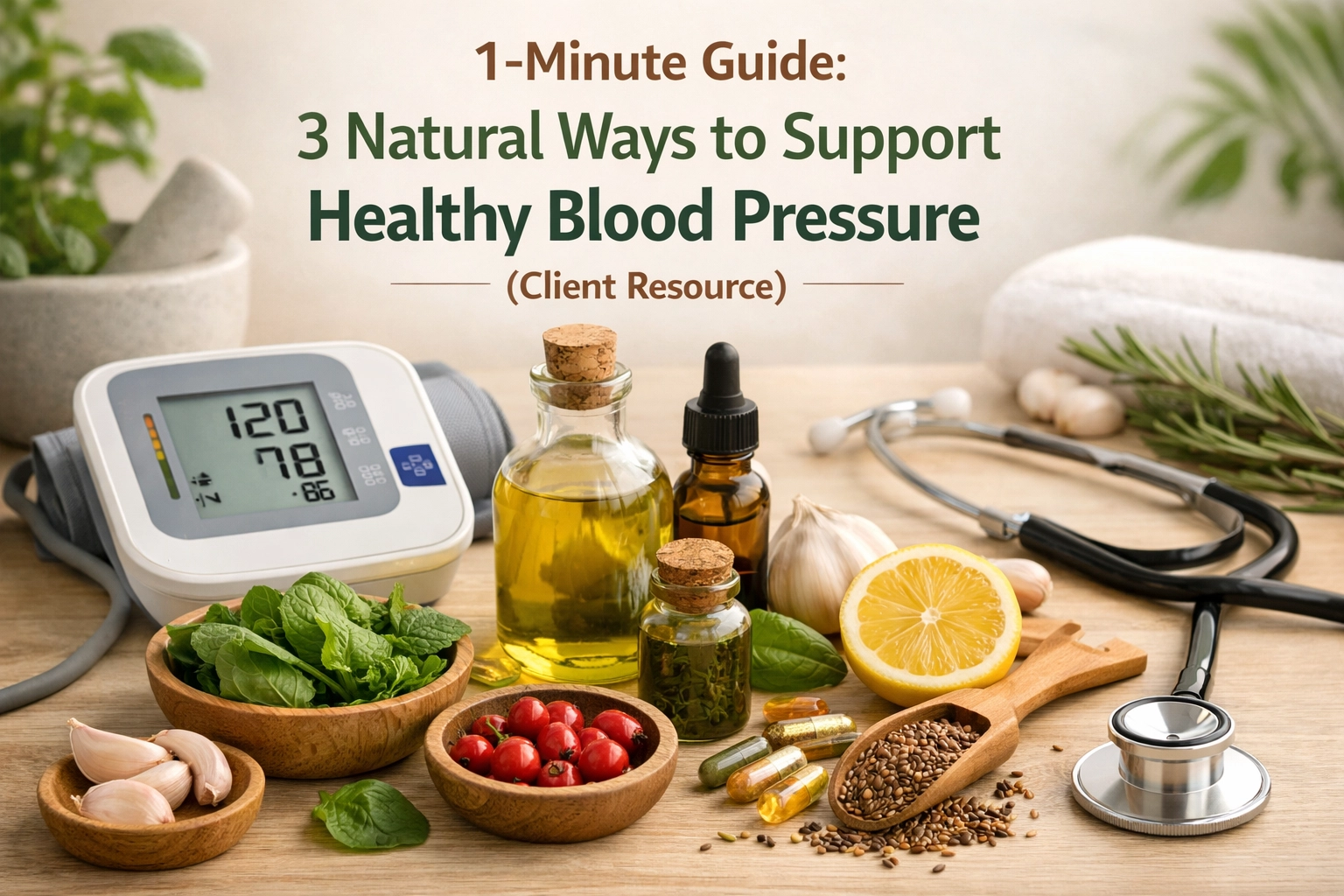
  • 1-Minute Guide: 3 Natural Ways to Support Healthy Blood Pressure (Client Resource)

    1-Minute Guide: 3 Natural Ways to Support Healthy Blood Pressure (Client Resource)

    High blood pressure doesn't always require a pill first. If your numbers are creeping up or you want to support healthy levels naturally, these three evidence-based strategies can make a real difference: especially when combined with the right functional medicine approach.

    1. Boost Your Magnesium Intake

    Magnesium is nature's blood pressure regulator. This mineral helps relax blood vessel walls, reduces vascular resistance, and supports healthy arterial function.

    Best food sources:

    • Dark leafy greens (spinach, Swiss chard)
    • Pumpkin seeds and almonds
    • Black beans and avocados
    • Dark chocolate (70% cacao or higher)

    Supplementation note: Many people are deficient. Consider magnesium glycinate (300-400mg daily) for better absorption and fewer digestive side effects. Always check with your provider first, especially if you're on blood pressure medications.

    2. Practice a Daily Stress Reset

    Chronic stress = chronically elevated blood pressure. Your body wasn't designed to run on high cortisol 24/7. Even 5-10 minutes of intentional stress reduction can lower readings significantly.

    Quick stress reset techniques:

    • Box breathing: Inhale 4 counts, hold 4 counts, exhale 4 counts, hold 4 counts. Repeat for 2-3 minutes.
    • Progressive muscle relaxation: Tense and release each muscle group from toes to head.
    • Morning meditation: Just 10 minutes before starting your day resets your nervous system.
    • Evening walk: Gentle movement + nature = immediate cortisol reduction.

    Pro tip: The consistency matters more than the duration. Five minutes daily beats an hour once a week.

    3. Eat More Nitric Oxide-Boosting Foods

    Nitric oxide is your body's natural vasodilator: it signals blood vessels to relax and widen, reducing pressure on arterial walls. As we age, our bodies produce less of it naturally.

    Top nitric oxide foods:

    • Beets and beet juice (the MVP of blood pressure support)
    • Leafy greens (arugula, spinach, kale)
    • Citrus fruits (vitamin C boosts NO production)
    • Garlic and onions
    • Pomegranate
    • Watermelon

    Action step: Add one beet-based item to your diet 3-4 times per week. Roasted beets, beet hummus, or a small glass of beet juice all work.

    Fresh beets, spinach, almonds, avocado, and dark chocolate for natural blood pressure support

    Know Your Baseline: $75 Cardiac Calcium Score

    You can't manage what you don't measure. Before making changes, understand your actual cardiovascular risk with a Cardiac Calcium Score: a quick, non-invasive CT scan that shows calcium buildup in your coronary arteries.

    What it tells you:

    • Your real heart disease risk (beyond cholesterol numbers)
    • Whether lifestyle changes alone are enough
    • If more aggressive intervention is needed

    Special pricing at The Fatigue Clinic in Collierville: We're offering Cardiac Calcium Scores for just $75: a fraction of the typical cost. This scan gives you hard data to guide your blood pressure management strategy.

    Serving patients in Germantown, Memphis, Arlington, and surrounding areas, we combine functional medicine with practical cardiovascular support.

    The Bottom Line

    Natural blood pressure support works: but it requires consistency. Magnesium, stress management, and nitric oxide foods aren't quick fixes, but they address root causes rather than just masking symptoms.

    Start with one change this week. Add another next week. Small, sustainable shifts create lasting results.

    Ready to take action? Call 901-221-8621 to schedule your $75 Cardiac Calcium Score or discuss a personalized functional medicine approach to cardiovascular health.

    The Fatigue Clinic | Collierville, TN | Serving Germantown, Memphis, Arlington & Beyond

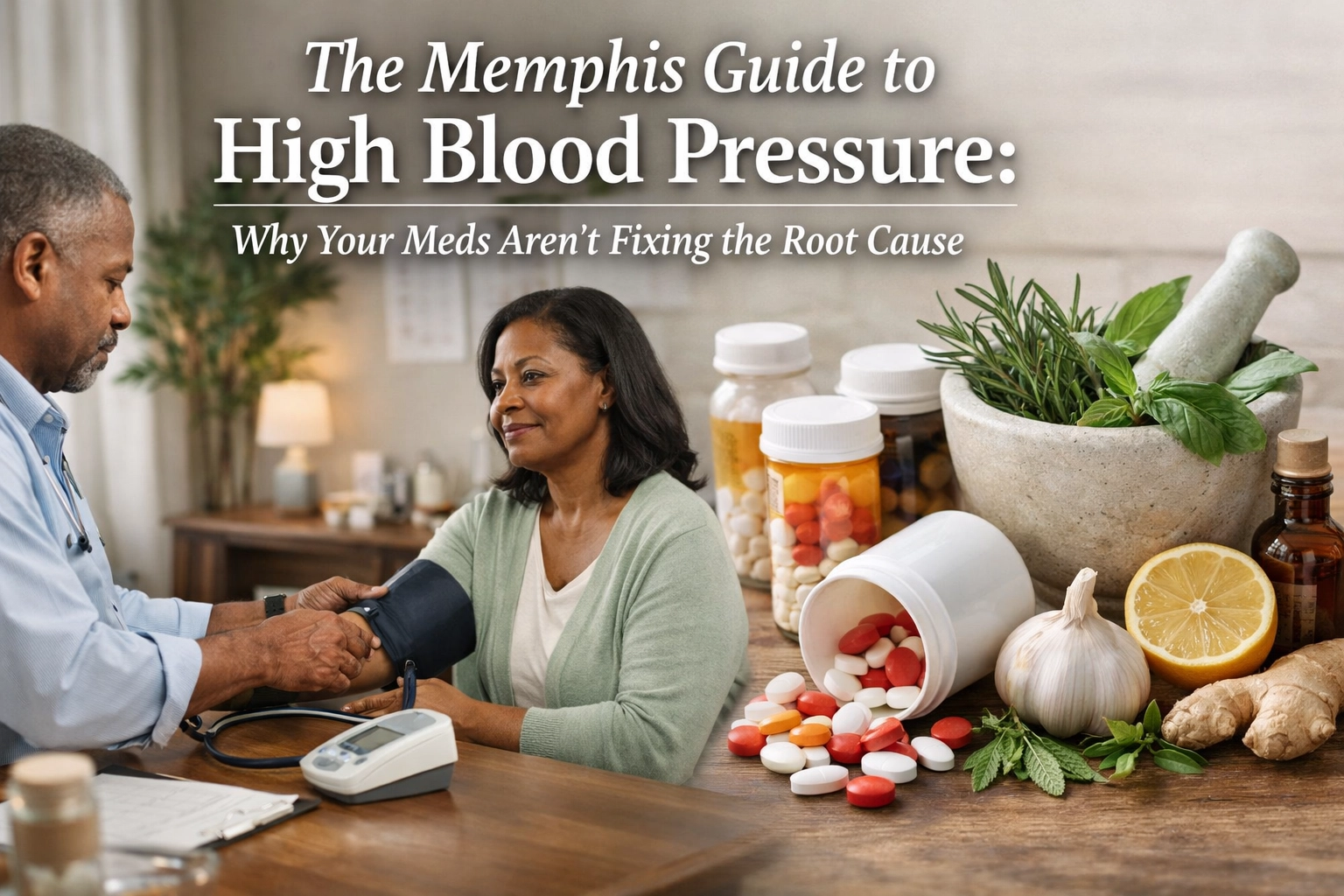
  • The Memphis Guide to High Blood Pressure: Why Your Meds Aren't Fixing the Root Cause

    The Memphis Guide to High Blood Pressure: Why Your Meds Aren't Fixing the Root Cause

    If you're one of the 47% of American adults living with high blood pressure, you've probably been told the same thing at every doctor's visit: "Your numbers are up. Here's a prescription." You take the pills. Your blood pressure drops. Problem solved, right?

    Not exactly.

    Blood pressure medications manage symptoms, they don't fix what's broken. And if you're dealing with stubborn hypertension in Memphis, Germantown, or Collierville, it's time to ask a bigger question: Why is my blood pressure high in the first place?

    At The Fatigue Clinic in Collierville, we serve patients throughout Memphis, Germantown, Arlington, and surrounding areas with a functional medicine approach that digs deeper. This Heart Month, let's talk about what's really driving your high blood pressure, and what you can actually do about it.

    Why Standard BP Meds Fall Short

    Here's the thing about conventional blood pressure treatment: it's reactive, not proactive. Your doctor sees elevated numbers and prescribes a beta-blocker, ACE inhibitor, or diuretic to force those numbers down. The medication works, sort of. Your systolic and diastolic readings improve on paper.

    But the underlying dysfunction is still there, quietly wreaking havoc on your cardiovascular system, kidneys, and metabolic health.

    Think of it like this: If your car's check engine light keeps coming on, you could just put a piece of tape over it. The light's gone, but the engine problem? Still there. That's what happens when we treat high blood pressure without addressing root causes.

    Blood pressure cuff with magnesium supplements and leafy greens representing functional medicine approach

    The Real Culprits Behind High Blood Pressure

    Chronic inflammation is enemy number one. When your body is stuck in a state of low-grade inflammation, triggered by poor diet, stress, environmental toxins, or gut dysfunction, your blood vessels become stiff and less responsive. Inflamed arteries equal elevated pressure. No medication can reverse that damage if the inflammation source remains untouched.

    Insulin resistance is another major player. When your cells stop responding properly to insulin (often from years of high-carb, high-sugar eating), your body compensates by producing more insulin. Excess insulin tells your kidneys to hold onto sodium, which increases blood volume and, you guessed it, raises blood pressure. Many patients in Memphis and Germantown are walking around with undiagnosed insulin resistance, thinking their hypertension is just "genetic."

    Chronic stress activates your sympathetic nervous system constantly. Your body pumps out cortisol and adrenaline like you're being chased by a bear, constricting blood vessels and jacking up your heart rate. Stress management isn't just "nice to have", it's essential for blood pressure control.

    Nutrient deficiencies matter more than most doctors acknowledge. Magnesium deficiency is rampant in the United States, and magnesium is critical for relaxing blood vessels. Low levels of potassium, vitamin D, and omega-3 fatty acids all contribute to hypertension. A standard doctor's visit doesn't typically test for these, but at The Fatigue Clinic, we do.

    The Functional Medicine Approach in Collierville

    When you come to The Fatigue Clinic in Collierville, serving the greater Memphis area, we don't just look at your blood pressure reading. We look at you, your inflammation markers, metabolic health, stress levels, nutrient status, and lifestyle patterns.

    Our process starts with comprehensive lab testing that goes beyond the basics. We check inflammatory markers like hs-CRP, assess insulin resistance with fasting insulin and HOMA-IR scores, evaluate nutrient levels, and look at thyroid function (yes, thyroid issues can elevate BP too).

    We also offer a $75 Cardiac Calcium Score, a specialized CT scan that measures calcium buildup in your coronary arteries. This test gives us a clear picture of your actual cardiovascular disease risk, not just theoretical numbers. If you're over 40 and dealing with hypertension in Germantown, Memphis, or Arlington, this test is invaluable.

    From there, we create a personalized treatment plan that addresses the root causes we identify. That might include dietary changes to reduce inflammation and improve insulin sensitivity, targeted supplementation (magnesium, potassium, CoQ10, omega-3s), stress management techniques, and yes: medication if needed. But the medication becomes part of the solution, not the entire solution.

    What You Can Do Right Now

    Start tracking your blood pressure at home. Get a quality home monitor and check your numbers at the same time each day. Morning readings are typically the most informative. Keep a log. This data helps you and your doctor see patterns that a single office visit misses.

    Cut the processed foods and added sugars. This isn't about perfection: it's about progress. Swap out sugary drinks for water or unsweetened tea. Choose whole foods over packaged meals. Reduce your sodium intake by cooking at home more often (restaurant meals are sodium bombs). Focus on vegetables, lean proteins, healthy fats, and whole grains.

    Move your body consistently. You don't need to run marathons. Walking 30 minutes a day, five days a week, can significantly lower blood pressure. Resistance training helps too. Find something you'll actually do: gardening, dancing, swimming, whatever gets you moving.

    Prioritize sleep and stress management. Poor sleep quality directly impacts blood pressure. Aim for 7-9 hours of quality sleep in a cool, dark room. Consider stress-reduction practices like meditation, deep breathing exercises, or yoga. At The Fatigue Clinic, we offer biofeedback using an acoustic mat: a simple, relaxing tool based on Dr. Bartel's research that helps patients manage stress with no physical connections required.

    Get your magnesium levels checked. Many people in Memphis and surrounding areas are deficient and don't know it. Magnesium glycinate (200-400mg daily) is well-tolerated and effective for most people, but get tested first and work with a provider who understands optimal ranges.

    Home blood pressure monitor showing healthy readings with herbal tea and fresh berries

    When to Worry (And When to Act)

    Blood pressure above 130/80 is considered elevated. Above 140/90 is stage 2 hypertension and requires immediate attention. If you're experiencing severe headaches, chest pain, vision changes, or shortness of breath, get to an ER immediately: these can be signs of a hypertensive crisis.

    But even if your numbers aren't sky-high, consistently elevated blood pressure damages your body over time. It increases your risk for heart attack, stroke, kidney disease, and dementia. Don't wait for a crisis to take action.

    Why Location Matters for Your Heart Health

    Finding a provider who understands functional medicine in the Memphis area can be challenging. Many patients from Germantown, Collierville, and Arlington drive significant distances to access comprehensive care. The Fatigue Clinic in Collierville brings that expertise to your backyard.

    We understand the unique health challenges in our region: the dietary patterns, environmental factors, and lifestyle stressors that impact residents of the Memphis metropolitan area. We're not just treating numbers on a chart. We're treating people in our community.

    Our $75 Cardiac Calcium Score is one example of how we make advanced cardiovascular testing accessible to patients throughout the Memphis area. This test typically costs several hundred dollars elsewhere, but we believe everyone deserves to know their true heart disease risk.

    The Bottom Line on Blood Pressure

    High blood pressure is not a medication deficiency. It's a sign that something deeper is wrong: inflammation running wild, metabolic dysfunction, chronic stress, nutrient imbalances, or all of the above.

    Medications have their place. They can be lifesaving and necessary. But if you want to truly fix your high blood pressure: not just mask it: you need to address the root causes.

    That requires comprehensive testing, personalized treatment, and a healthcare provider who sees you as more than a number on a chart.

    Ready to get serious about your heart health this Heart Month? Call The Fatigue Clinic in Collierville at 901-221-8621 to schedule your comprehensive cardiovascular assessment. Ask about our $75 Cardiac Calcium Score special and discover what's really happening inside your arteries.

    Your heart deserves better than Band-Aid solutions. Let's find out what's actually driving your high blood pressure: and fix it for good.

  • Why Your Labs Look "Normal" But You Still Feel Awful: What Functional Medicine in Memphis Reveals

    Why Your Labs Look "Normal" But You Still Feel Awful: What Functional Medicine in Memphis Reveals

    You know the feeling. You're exhausted. Brain fog has taken over your mornings. Your joints ache for no reason. You drag yourself to the doctor, get blood work done, and wait anxiously for answers.

    Then you get the call: "Everything looks normal."

    But here's the problem: you don't feel normal. Not even close.

    If this sounds familiar, you're not alone. Patients in Collierville, Germantown, and Memphis come to us all the time with this exact frustration. They've been told their labs are fine, yet they're still struggling with chronic fatigue, unexplained weight gain, digestive issues, or persistent brain fog.

    So what's going on? Why do your labs say you're healthy when your body is screaming otherwise?

    The Truth About "Normal" Lab Ranges

    Here's what most people don't understand: "normal" doesn't mean optimal.

    Standard lab reference ranges are based on population averages: not on what's actually healthy for your individual body. These ranges are designed to catch severe disease, not early dysfunction. If your thyroid, blood sugar, or inflammation markers fall anywhere within that wide "normal" range, you get the green light.

    But that range includes a lot of unhealthy people. It's a statistical bell curve that often incorporates data from individuals with existing imbalances, chronic conditions, and metabolic dysfunction. Being "normal" in a sick population doesn't make you healthy.

    Think of it like this: if most people in your neighborhood have termites, having termites becomes "normal." That doesn't mean your house is structurally sound.

    Blood test results showing normal lab ranges with stethoscope at functional medicine clinic

    The Subclinical Zone: Where Dysfunction Hides

    There's a critical space between "healthy" and "diseased" that conventional medicine often ignores. We call it the subclinical zone.

    This is where your body is starting to show signs of stress, hormonal imbalance, nutrient deficiencies, or inflammation: but nothing severe enough to trigger a diagnosis. Your labs technically fall within range, so you're sent home without answers.

    But your symptoms are real. Your body is trying to tell you something.

    At The Fatigue Clinic in Collierville, we specialize in listening to what your body is saying: and we use functional medicine to find the answers hiding in that subclinical zone.

    How Functional Medicine Reads Labs Differently

    We use the same blood tests as conventional doctors. The difference? We interpret them through a completely different lens.

    Here's what sets functional medicine apart:

    1. Tighter Optimal Ranges

    We don't settle for "normal." We look for optimal.

    For example, a conventional doctor might see a fasting blood sugar of 99 mg/dL and say you're fine (because anything under 100 is "normal"). But in functional medicine, we know that consistently elevated fasting glucose in the high 90s signals early insulin resistance: a red flag that deserves attention before it becomes prediabetes or type 2 diabetes.

    2. Pattern Recognition

    Instead of looking at isolated numbers, we examine how multiple markers interact.

    Take thyroid function, for instance. Your TSH (thyroid stimulating hormone) might look perfect. But if your free T3 is low and your reverse T3 is high, it suggests your body isn't converting thyroid hormone properly. You could have all the symptoms of hypothyroidism: fatigue, weight gain, hair loss, cold intolerance: while your TSH stays "normal."

    Standard labs would miss this entirely. Functional medicine catches it.

    Root Cause Discovery: Quick Facts Sheet

    3. Additional Markers

    We test things conventional panels often skip:

    • Micronutrient levels (vitamin D, B12, magnesium, iron stores)
    • Gut health indicators (inflammation, permeability, digestive enzyme function)
    • Mitochondrial function (your cells' energy production)
    • Oxidative stress markers (how much damage free radicals are causing)
    • Advanced inflammatory markers like high-sensitivity C-reactive protein (hs-CRP)

    These markers reveal why you're tired, inflamed, or struggling with chronic symptoms: even when everything else looks "fine."

    4. Clinical Context

    Numbers don't exist in a vacuum. We evaluate your labs alongside your symptoms, medical history, lifestyle, and stress levels. We look at how different systems in your body are communicating (or failing to communicate).

    This is root-cause medicine. We're not just treating lab values: we're treating you.

    Comparison of standard versus optimal lab ranges in functional medicine testing

    Real-World Examples: What We Find in Patients Around Memphis

    Let's get specific. Here are some common scenarios we see in our Collierville clinic with patients from Germantown, Memphis, Arlington, and surrounding areas:

    The Thyroid Mystery

    A woman in her 40s comes in exhausted, gaining weight despite eating well, losing hair, and freezing all the time. Her TSH is 2.5 (well within "normal"). But her free T3 is in the basement and her thyroid antibodies are elevated. She has Hashimoto's thyroiditis: an autoimmune thyroid condition: that her previous doctor never tested for.

    Solution: Address the autoimmune trigger, support thyroid conversion, and optimize her T3 levels.

    The Blood Sugar Roller Coaster

    A 50-year-old man feels wired at night, crashes in the afternoon, and carries extra weight around his belly. His fasting glucose is 96 (normal). But his fasting insulin is 18 (way too high) and his hemoglobin A1C is creeping up to 5.6. He's on the fast track to diabetes, but no one warned him.

    Solution: Implement a metabolic reset with dietary changes, targeted supplements, and lifestyle interventions to restore insulin sensitivity.

    The Inflammation Nobody Saw

    A young woman has chronic joint pain, skin issues, and brain fog. Her standard inflammatory markers (like CRP) are "normal." But when we run high-sensitivity CRP, it's elevated. We also find elevated homocysteine and low omega-3 levels: all markers of systemic inflammation and oxidative stress.

    Solution: Anti-inflammatory nutrition plan, omega-3 supplementation, and addressing gut health to reduce inflammatory triggers.

    Comprehensive functional medicine biomarker testing display with health supplements

    Why This Matters for Your Heart Health

    February is Heart Month, and here's something most people don't realize: heart disease doesn't start with a heart attack. It starts years earlier with subtle lab abnormalities that conventional medicine overlooks.

    Mildly elevated fasting insulin, rising triglycerides, low HDL cholesterol, elevated hs-CRP, and poor blood sugar control: all of these create a perfect storm for cardiovascular disease. But they often fly under the radar because they're technically "normal."

    That's why we're offering our $75 Cardiac Calcium Score special this month. This non-invasive CT scan shows the actual calcification in your coronary arteries: giving you a clear picture of your heart disease risk that blood work alone can't provide.

    If you're in Collierville, Germantown, or Memphis and you've been told your labs are fine but you're worried about your heart, this test is a game-changer.

    What to Do If You're Stuck in "Normal" Limbo

    If you've been dismissed with "normal" labs but you still feel awful, here's what you need to know:

    You're not crazy. Your symptoms are valid. And there's a better way to get answers.

    At The Fatigue Clinic, we dig deeper. We use functional medicine to uncover the root causes of your symptoms: whether that's hormonal imbalance, nutrient deficiencies, gut dysfunction, mitochondrial issues, or chronic inflammation.

    We serve patients throughout the greater Memphis area, including Collierville, Germantown, Arlington, and beyond. If you're tired of being told everything is fine when it clearly isn't, we're here to help.

    Call 901-221-8621 to schedule a consultation. Let's figure out what's really going on: and get you back to feeling like yourself again.

    And don't forget: our $75 Cardiac Calcium Score special is available throughout February. Take control of your heart health today.

    You deserve answers. You deserve to feel better. And you deserve a doctor who listens.