Author: TWD_Coding

  • 10 Reasons Your "Normal" Lab Results Aren’t Telling the Full Story (And What Holistic Doctors in Memphis TN Test Instead)

    10 Reasons Your "Normal" Lab Results Aren’t Telling the Full Story (And What Holistic Doctors in Memphis TN Test Instead)

    You’ve been exhausted for months. Brain fog makes it hard to focus at work. Your sleep is restless, and you just don’t feel like yourself anymore. So you finally go to your doctor, they run labs, and the verdict comes back: “Everything looks normal.”

    If you’ve experienced this frustrating scenario, you’re not alone. Thousands of patients across Memphis, Germantown, Collierville, and Arlington hear these exact words every single day: despite feeling anything but normal.

    Here’s the truth that many traditional practitioners won’t tell you: “normal” doesn’t mean optimal. And that distinction can be the difference between struggling through your days and actually thriving.

    Let’s break down exactly why your standard lab results might be missing the bigger picture: and what functional medicine doctors in Memphis TN are doing differently.

    The Problem With “Normal” Lab Results

    The standard lab testing system was designed with one primary goal: detecting disease. It was never built to optimize your health or catch problems before they become diagnosable conditions.

    This means you could be experiencing real, life-disrupting symptoms while your labs technically fall within the “acceptable” range. Your body is sending you distress signals, but the conventional testing system isn’t designed to hear them.

    Root Cause Discovery: Quick Facts Sheet A wooden clipboard displays a fact sheet titled 'Root Cause Discovery: Quick Facts Sheet' beside a beaker with a plant root, magnifying glass, potted plant, and ceramic mug. This arrangement visually reflects The Fatigue Clinic's functional medicine approach, emphasizing the identification of underlying causes of illness through holistic and investigative methods.

    10 Reasons Your “Normal” Labs Aren’t Telling the Full Story

    1. Normal Ranges Are Based on Population Averages: Not Optimal Health

    Here’s something most patients don’t realize: reference ranges are created from statistical averages of people who underwent testing. Many of those people already had early metabolic, inflammatory, or hormonal issues themselves.

    Being “within range” simply means you’re similar to the general population. It doesn’t mean you’re functioning at your best.

    2. Reference Ranges Are Too Wide to Catch Early Dysfunction

    Standard ranges are designed broadly enough to include most of the general population. This width allows subtle imbalances to hide within “normal” limits while still causing symptoms like fatigue, weight gain, and mood changes.

    For patients in Collierville and the greater Memphis area, this means you could be struggling with low-level thyroid dysfunction or hormonal imbalances for years before they ever show up as “abnormal.”

    3. Symptoms Appear Before Lab Values Cross Abnormal Thresholds

    Your body is smarter than a piece of paper. Symptoms often emerge long before your lab values cross into the “abnormal” category.

    Your thyroid might be struggling. Your cortisol might be tanking. But if the numbers don’t fall outside disease thresholds, you’re told everything is fine: even though you’re experiencing real, measurable symptoms.

    4. Standard Testing Misses Subclinical Conditions

    Subclinical means “not yet diagnosable as disease.” These early dysfunctions can cause fatigue, brain fog, digestive issues, and more: without ever triggering red flags on standard labs.

    Functional medicine practitioners in Germantown and Memphis TN specifically look for these subclinical patterns because catching them early means preventing full-blown disease later.

    Patient reviewing comprehensive lab results with a functional medicine doctor in Memphis TN

    5. Standard Labs Don’t Account for Individual Variations

    What’s “normal” for a 25-year-old marathon runner is completely different from what’s optimal for a 55-year-old professional managing chronic stress.

    Factors like age, lifestyle, genetics, and stress levels influence what your body needs to function optimally. Standard labs rarely account for these nuances: they apply the same ranges to everyone.

    6. The Tests Don’t Match the Underlying Problem

    A basic metabolic panel might completely miss the systems most connected to your symptoms. If your fatigue is driven by gut dysfunction, nutrient deficiencies, or chronic inflammation, a standard CBC won’t catch it.

    This is why so many patients in Arlington, Memphis, and surrounding areas feel dismissed. The wrong tests are being ordered for the problems they’re actually experiencing.

    7. Traditional Medicine Focuses on Disease, Not Prevention

    Standard labs are designed to diagnose and treat diseases after they’re already present. If you don’t fit the criteria for a diagnosis, you may be told there’s nothing to address.

    But here’s the reality: by the time you have a diagnosis, significant damage has often already occurred. Holistic doctors in Memphis TN take a different approach: focusing on prevention and optimization before disease develops.

    8. Your Symptoms Are Multi-Factorial

    Fatigue, brain fog, mood changes, and digestive issues rarely have a single cause. They’re usually driven by multiple factors working together: hormones, gut health, nutrient status, inflammation, and stress all playing a role.

    Standard testing looks at isolated markers. Functional medicine looks at how your body systems interact.

    9. Trending Patterns Are Ignored

    Results trending in the wrong direction over time can be clinically significant: even if they remain within normal ranges. Standard labs capture only a snapshot, not patterns of change.

    If your thyroid numbers have been slowly declining for three years but haven’t crossed the “abnormal” threshold yet, conventional medicine says you’re fine. A functional medicine doctor says, “Let’s intervene now before this becomes a bigger problem.”

    Blood vials for comprehensive functional medicine testing at a holistic wellness clinic

    10. “Normal” Ranges May Include People With Chronic Illness

    Since population averages include people with existing health conditions, the “normal” range often reflects compromised rather than optimal health.

    You’re being compared to a sick population and told you’re healthy because you’re not as sick as they are. That’s not exactly reassuring.

    What Functional Medicine Doctors in Memphis TN Test Instead

    At The Fatigue Clinic in Collierville, we take a completely different approach to lab testing. We serve patients throughout Memphis, Germantown, Arlington, and surrounding areas who are tired of being told they’re “fine” when they clearly aren’t.

    Here’s what sets functional and holistic testing apart:

    Optimal Ranges, Not Just Normal Ranges
    We use narrower, more specific values designed to reflect ideal health: not just the absence of disease. This catches imbalances much earlier.

    Comprehensive Biomarker Analysis
    Instead of the standard 10-15 markers, we often test 80+ biomarkers to get a complete picture of what’s happening in your body.

    Multi-System Approach
    We evaluate how hormones, thyroid, gut health, inflammation, and stress physiology work together. Your body doesn’t operate in isolated silos, and neither should your testing.

    Trend Analysis
    We track changes over time to identify patterns early: before they become diagnosable conditions.

    Individualized Targets
    We set goals based on your specific symptoms and health objectives, not generic population averages.

    Root Cause Analysis
    We investigate why symptoms are happening rather than just suppressing them with medications.

    Contextual Interpretation
    We consider sleep, stress, medications, lifestyle, and life stage alongside your lab values. Context matters.

    Ready to Get Answers That Actually Make Sense?

    If you’re in Collierville, Germantown, Memphis, Arlington, or anywhere in the surrounding area and you’re exhausted from being told your labs are “normal” while you still feel terrible: it’s time for a different approach.

    At The Fatigue Clinic, we specialize in finding the root causes of fatigue, brain fog, and other symptoms that conventional medicine often misses. We use comprehensive functional testing, optimal ranges, and a systems-based approach to finally get you real answers.

    Stop settling for “normal.” You deserve optimal.

    Call 901-221-8621 to schedule your consultation today. Or visit our services page to learn more about how we can help you feel like yourself again.

    For more quick-read guides and patient resources, check out our Client Resources section.
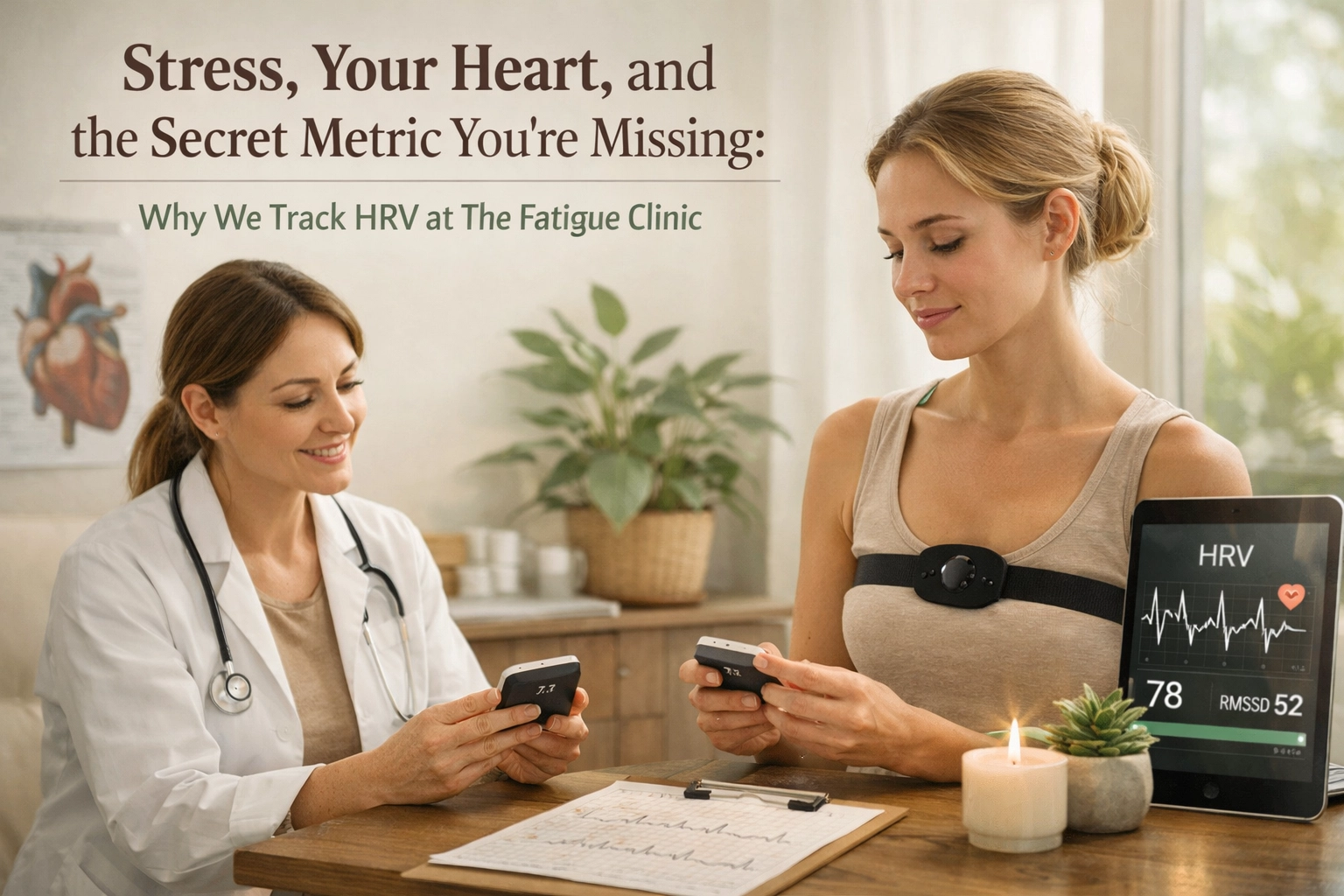
  • Stress, Your Heart, and the Secret Metric You’re Missing: Why We Track HRV at The Fatigue Clinic

    Stress, Your Heart, and the Secret Metric You’re Missing: Why We Track HRV at The Fatigue Clinic

    February is Heart Month, and here at The Fatigue Clinic in Collierville, we’re talking about something that most doctors never check: even though it reveals more about your heart health than your resting heart rate ever could.

    It’s called Heart Rate Variability (HRV), and if you’ve never heard of it, you’re not alone. Most patients in Memphis, Germantown, and Arlington have no idea this metric exists, let alone that it’s one of the most powerful indicators of how stress is quietly damaging their cardiovascular system.

    Here’s what you need to know.

    What Exactly Is HRV?

    Heart Rate Variability measures the variation in time between consecutive heartbeats.

    Your heart doesn’t beat like a metronome: and that’s a good thing. A healthy heart has natural variation in the intervals between beats. One beat might come 0.85 seconds after the last, the next might come 0.92 seconds later. That variability is controlled by your autonomic nervous system, which manages all the automatic functions your body performs without you thinking about them.

    High HRV = your nervous system is flexible and responsive. Your body can shift smoothly between “fight-or-flight” and “rest-and-digest” modes depending on what the situation demands.

    Low HRV = your nervous system is stuck. You’re locked in a chronic stress response, and your body has lost its ability to adapt and recover.

    Smartwatch displaying heart rate variability graph for HRV monitoring

    Why HRV Matters More Than Your Regular Heart Rate

    Most people: and most doctors: track heart rate. That’s fine for basic fitness monitoring. But HRV reveals information that heart rate alone completely misses.

    Research shows that HRV can distinguish between physical strain and psychological stress in ways that regular heart rate measurements cannot. Both running a mile and dealing with work stress might raise your heart rate to 120 beats per minute, but HRV shows the type of nervous system activation occurring.

    This matters enormously for heart health.

    When we measure HRV at our Collierville clinic, we’re looking at metrics like:

    • SDNN (standard deviation of heartbeat intervals)
    • RMSSD (beat-to-beat variation)
    • LF/HF ratio (the balance between low-frequency and high-frequency variation)

    These measurements respond predictably to stress: and they’ve been shown to be more sensitive and specific than measuring heart rate changes alone.

    What Stress Does to Your HRV (and Your Heart)

    Here’s what happens when you’re stressed:

    Your sympathetic nervous system activates. This is your “fight-or-flight” response. Your heartbeats become more uniform and less variable. Your HRV drops.

    When you’re relaxed, the opposite happens. Your parasympathetic nervous system: the “rest-and-digest” system: takes over. Your HRV increases.

    The problem for most patients we see in Germantown and the surrounding Memphis area? They’re stuck in chronic stress mode. Their HRV stays consistently low, day after day, week after week.

    This isn’t just about feeling stressed. Persistently low HRV indicates your nervous system remains in a heightened stress state, which directly impacts your cardiovascular system. You’re wearing out your heart.

    Comparison of stressed and relaxed states showing impact on heart rate variability

    HRV and Cardiovascular Risk: The Connection You Need to Understand

    Low HRV is linked to increased cardiovascular risk. When your heart rate variability stays suppressed, it signals that your body has lost its physiological resilience: your ability to adapt to stress and recover from strain.

    Think of it this way: A car that can only run at one speed, with no ability to accelerate or decelerate smoothly, is going to break down faster than a car with responsive, adaptive systems. Your heart works the same way.

    At The Fatigue Clinic, we see this constantly with patients dealing with:

    • Chronic fatigue
    • Sleep problems
    • Autoimmune conditions
    • Hormonal imbalances
    • Post-viral syndromes

    Almost all of them have disrupted HRV patterns that reveal nervous system dysfunction and increased cardiovascular stress: even when their regular heart rate looks “normal.”

    How We Use Biofeedback to Improve HRV (and Your Heart Health)

    This is where it gets practical and actionable.

    We offer biofeedback training at The Fatigue Clinic, and it’s one of the most effective interventions we have for improving HRV and reducing cardiovascular risk.

    Our biofeedback system uses an acoustic mat: a simple, relaxing technology based on Dr. Bartel’s research. There are no physical connections to you. You simply lie on the mat while it delivers specific sound frequencies that help retrain your nervous system.

    Acoustic biofeedback mat at The Fatigue Clinic in Collierville for HRV improvement

    Patients consistently tell us how relaxing the sessions are. But beyond relaxation, we’re tracking measurable changes in your HRV metrics. We can see: objectively: whether your nervous system is learning to shift out of chronic stress mode and regain its flexibility.

    This isn’t guesswork or “just feeling better.” We’re monitoring your physiological resilience and watching it improve through consistent biofeedback sessions combined with the other functional medicine interventions we use at our clinic.

    February Special: $75 Cardiac Calcium Score

    Since this is Heart Month, we’re offering something important for patients in Collierville, Memphis, Germantown, and Arlington who want to take their cardiovascular health seriously.

    Our Cardiac Calcium Score screening is just $75 this month.

    A Cardiac Calcium Score is a CT scan that measures calcium deposits in your coronary arteries. It’s one of the most accurate predictors of heart attack risk, and it gives you concrete information about what’s actually happening inside your arteries: not just risk factors or estimates.

    If you’re concerned about stress, heart health, or cardiovascular risk (especially if you have family history, high blood pressure, or other risk factors), this is the screening you should get.

    Combined with HRV monitoring and functional medicine interventions, you get a complete picture of your heart health: and a real plan for protecting it.

    What High HRV Actually Looks Like in Real Life

    When your HRV improves, here’s what patients report:

    • Better sleep quality
    • More energy during the day
    • Faster recovery from workouts or physical activity
    • Less anxiety and better stress tolerance
    • Improved mood stability
    • Clearer thinking and better focus

    These aren’t just subjective improvements. They reflect measurable changes in how your nervous system and cardiovascular system are functioning.

    Your body is adapting better. Your heart is working smarter, not harder. You’re building resilience instead of burning it down.

    Anatomical heart model showing calcium deposits for cardiac health assessment

    Why Memphis-Area Patients Come to Our Collierville Clinic for HRV Monitoring

    Most functional medicine practices in the Memphis area don’t track HRV at all. Traditional cardiology practices might check your resting heart rate and blood pressure, run an EKG if they’re concerned, and send you home.

    That’s not enough.

    At The Fatigue Clinic, we’re looking deeper. We’re tracking the metrics that reveal what’s actually happening with your nervous system and cardiovascular health: and we’re using interventions like biofeedback that can actually change those metrics for the better.

    We serve patients from Germantown, Memphis, Arlington, and throughout the surrounding areas who are tired of surface-level care and want real answers about their health.

    Your Heart Health Starts With Understanding What’s Actually Happening

    You can’t fix what you don’t measure. And you can’t protect your heart health if you’re only tracking basic metrics that miss the deeper picture.

    HRV monitoring gives you that deeper picture. It shows you how stress is impacting your cardiovascular system in real-time. It reveals whether your body has the resilience to handle the demands of your life: or whether you’re slowly wearing yourself down.

    And when you combine HRV tracking with interventions like biofeedback, functional medicine testing, and targeted support for your nervous system, you can actually reverse the damage and rebuild your resilience.

    That’s what we do at The Fatigue Clinic in Collierville.

    Ready to Take Your Heart Health Seriously?

    If you’re dealing with chronic stress, fatigue, sleep problems, or any health condition that’s wearing you down: and especially if you’re concerned about your cardiovascular risk: call us at 901-221-8621 to schedule a heart health evaluation.

    We’ll assess your HRV, discuss whether biofeedback is right for you, and create a personalized functional medicine plan that addresses the root causes affecting your heart and overall health.

    And don’t forget about our $75 Cardiac Calcium Score special this month. It’s the most accurate way to know your actual heart attack risk: and it’s available right now for patients in the Memphis area who want real information about their cardiovascular health.

    Call 901-221-8621 today. Your heart: and your HRV( will thank you.)

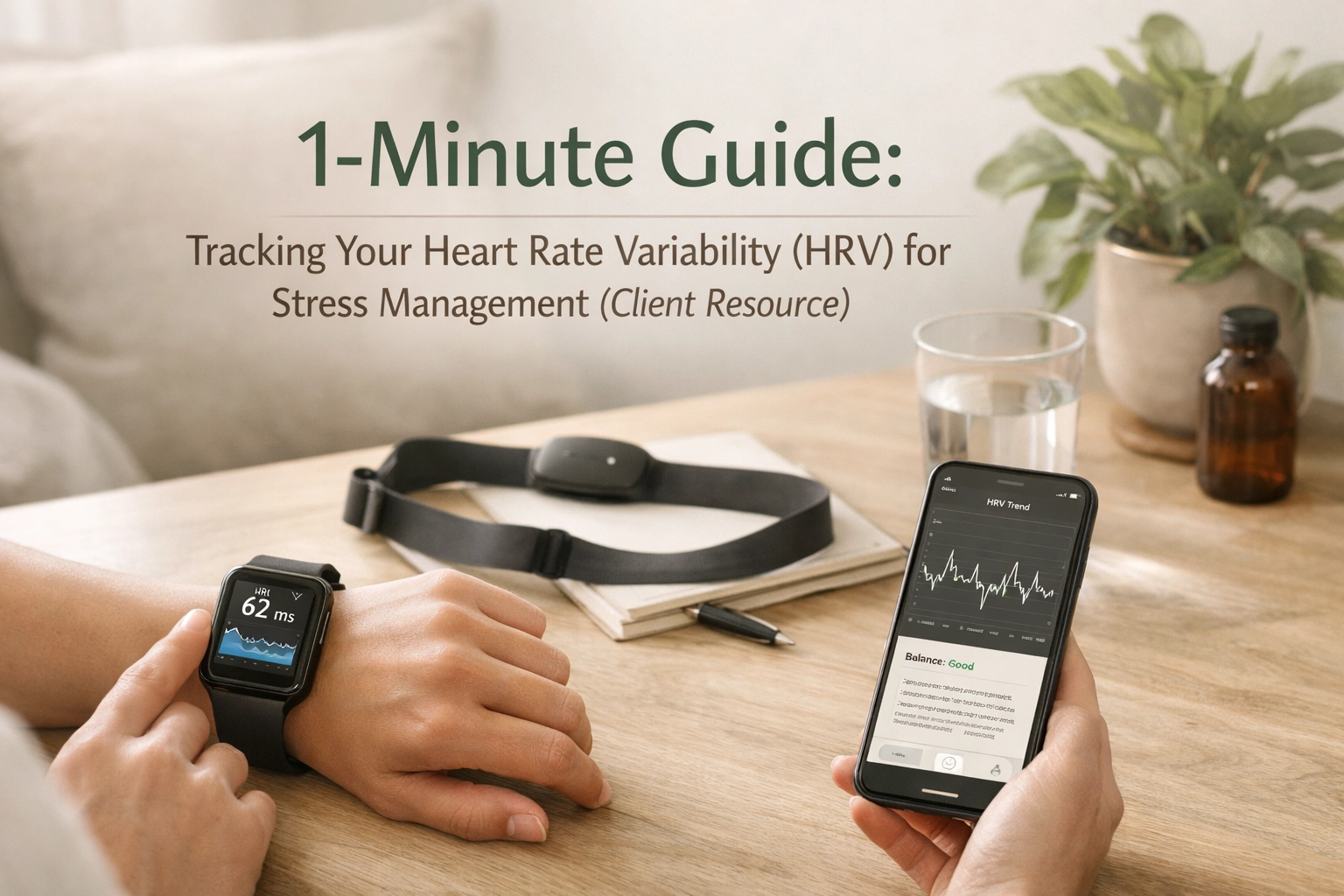
  • 1-Minute Guide: Tracking Your Heart Rate Variability (HRV) for Stress Management (Client Resource)

    1-Minute Guide: Tracking Your Heart Rate Variability (HRV) for Stress Management (Client Resource)

    Client Resource Intention: This quick-reference guide helps you understand heart rate variability (HRV) as a tool for managing stress and improving your overall health. Use this sheet to track your progress and make informed decisions about your wellness routine.

    What Is HRV?

    Heart Rate Variability (HRV) measures the variation in time between each heartbeat. It’s controlled by your autonomic nervous system and serves as a direct window into how your body handles stress.

    Higher HRV = Better stress resilience and recovery

    Lower HRV = Your body is under stress or not recovering well

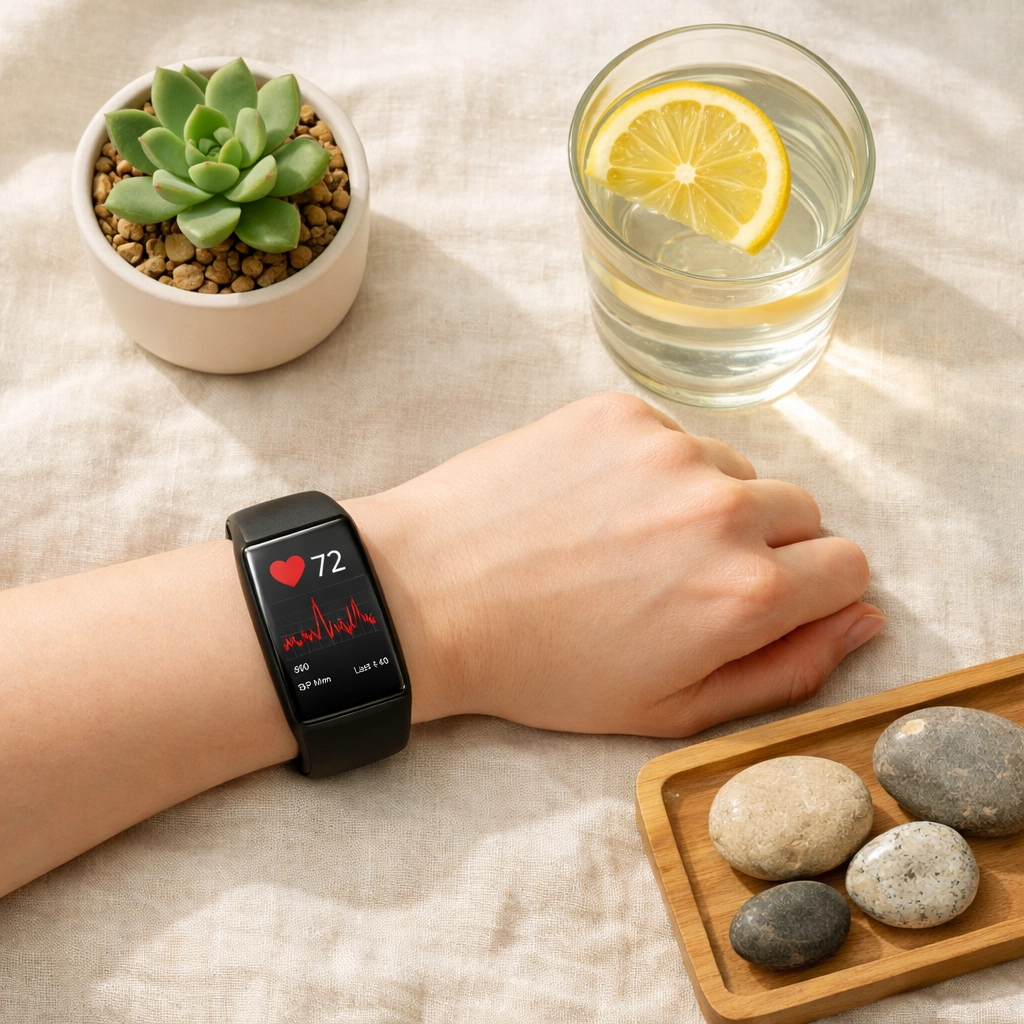
    Fitness tracker displaying heart rate variability for stress management and wellness monitoring

    Why This Matters for You

    Your HRV provides real-time feedback about your nervous system balance:

    Parasympathetic dominance (rest and digest) = Higher HRV, better recovery
    Sympathetic dominance (fight or flight) = Lower HRV, prolonged stress response

    Think of HRV as your body’s stress report card. It tells you when you’re pushing too hard and when your recovery strategies are actually working.

    What Your Numbers Mean

    Your HRV Reading What’s Happening
    Consistently higher than your baseline Strong stress resilience, good recovery, effective nervous system regulation
    Consistently lower than your baseline Body under chronic stress, reduced adaptability, increased risk of anxiety and fatigue
    Daily fluctuations Normal: track trends over time, not single readings

    Pro tip: Focus on your personal trends rather than comparing yourself to others. Your baseline is unique to you.

    5 Quick Ways to Improve Your HRV

    1. Prioritize Sleep

    Get 7-9 hours of quality sleep nightly: this is the single most effective HRV booster available.

    2. Practice Breathwork Daily

    Try slow breathing at 5-6 breaths per minute or diaphragmatic breathing for 5-10 minutes. This immediately activates your parasympathetic nervous system.

    3. Move Your Body Consistently

    Aim for 30+ minutes of moderate exercise most days. Alternate between higher-intensity workouts and gentler activities like walking or yoga to avoid overtraining.

    4. Try Biofeedback

    At The Fatigue Clinic in Collierville, we use an acoustic mat for biofeedback therapy. This simple, relaxing approach requires no physical connections to you: just lie down and let the sound frequencies work based on Dr. Bartel’s research. It’s an effortless way to help regulate your nervous system.

    5. Build Social Connections

    Meaningful interactions and relationships support nervous system regulation and improve HRV naturally.

    How to Track Your HRV

    Apps and devices that measure HRV:
    • Apple Watch (built-in HRV tracking)
    • WHOOP strap
    • Oura Ring
    • Garmin devices
    • Smartphone apps paired with chest strap monitors

    Best practice: Measure your HRV at the same time daily (ideally first thing in the morning) and track the trend over weeks and months, not individual readings.

    What to Do with This Information

    If your HRV is trending down:
    • Increase recovery time between workouts
    • Focus on sleep quality
    • Reduce caffeine and alcohol
    • Add breathwork or meditation to your daily routine
    • Consider our biofeedback sessions

    If your HRV is trending up:
    • Your current stress management strategies are working: keep it up!
    • You have capacity for more challenging workouts
    • Your nervous system is recovering well

    Take Action on Your Heart Health

    Understanding your HRV is just one piece of your cardiovascular health puzzle. The Fatigue Clinic is currently offering a $75 Cardiac Calcium Score special: a powerful screening tool that assesses your risk for heart disease.

    This non-invasive scan takes just minutes and provides critical information about plaque buildup in your arteries. Combined with HRV tracking, you’ll have comprehensive insights into your heart health and stress management.

    Ready to take control of your stress and heart health?

    Visit our Client Resources page for more practical health guides, or call us at 901-221-8621 to schedule your Cardiac Calcium Score screening or learn more about our biofeedback services.

    Serving patients in Collierville, Germantown, Memphis, Arlington, and surrounding areas.


    Remember: Your HRV is a tool, not a judgment. Use it to make informed decisions about rest, recovery, and when to push forward. Small, consistent changes in sleep, breathing, and stress management can create significant improvements over time.

  • Beyond the Stethoscope: Why Memphis Heart Patients are Turning to Functional Medicine

    Beyond the Stethoscope: Why Memphis Heart Patients are Turning to Functional Medicine

    February is Heart Health Month, and if you’re like most people in Germantown, Memphis, and Arlington, you probably think that means scheduling your annual checkup, getting your cholesterol checked, and maybe starting a new exercise routine.

    But what if your traditional cardiology visit is only showing you part of the picture?

    More heart patients across the Memphis area are discovering that functional medicine offers something their regular doctor’s appointments don’t, a complete investigation into why their heart health is struggling, not just a prescription to manage the symptoms.

    The Problem with Traditional Heart Care

    Don’t get me wrong, traditional cardiology saves lives. Emergency interventions, medications, and surgical procedures are absolutely critical when you’re having a heart attack or dealing with acute cardiovascular disease.

    But here’s what happens to most patients: You go in for your annual physical. Your blood pressure is a little high. Your cholesterol numbers aren’t great. Maybe you’re carrying extra weight around your midsection, feeling fatigued, or dealing with brain fog.

    Your doctor writes a prescription. Maybe two. You leave with instructions to “eat better and exercise more.”

    Sound familiar?

    The issue isn’t that your doctor doesn’t care, it’s that traditional medicine is designed to treat symptoms in isolation. Your cardiologist looks at your heart. Your endocrinologist looks at your thyroid. Your primary care physician tries to coordinate it all, but nobody’s examining how everything connects.

    Functional medicine doctor in Memphis showing patient interconnected body systems on tablet

    Why Memphis Heart Patients Are Choosing Functional Medicine

    Functional medicine takes a detective-like approach to your health. Instead of compartmentalizing your symptoms, practitioners at The Fatigue Clinic in Collierville look at the whole picture, how your metabolism, inflammation levels, hormonal health, gut function, and stress responses all contribute to cardiovascular disease.

    Here’s what makes Functional Medicine Memphis different:

    Root Cause Discovery: We don’t just ask “what medication will lower your blood pressure?” We ask “what’s causing your blood pressure to rise in the first place?” Is it chronic inflammation? Insulin resistance? Undiagnosed food sensitivities? Heavy metal toxicity? Hormonal imbalances?

    Personalized Treatment Plans: Your health history is unique. Your treatment should be too. Functional medicine practitioners create individualized protocols based on your specific biomarkers, lifestyle factors, genetic predispositions, and health goals, not a one-size-fits-all prescription pad.

    Interconnected Systems Thinking: Your heart doesn’t exist in a vacuum. When we see patients with cardiovascular concerns at our Collierville clinic serving Germantown and Memphis, we examine everything from your mitochondrial function to your stress hormone levels to your vitamin D status. These factors all impact Heart Health Germantown patients need to understand.

    Prevention-Focused Care: Traditional cardiology often waits until damage is done. Functional medicine emphasizes catching problems early through comprehensive diagnostics and proactive interventions.

    What Functional Cardiology Actually Looks Like

    Many of our functional medicine patients come to us after seeing multiple specialists without getting answers or relief. They’re frustrated, exhausted, and wondering if they’ll ever feel better.

    Here’s how we approach heart health differently:

    Comprehensive Lab Work: We go beyond basic cholesterol panels. We measure inflammatory markers like hs-CRP, homocysteine, and fibrinogen. We assess insulin sensitivity, check for nutrient deficiencies, evaluate thyroid function thoroughly, and examine oxidative stress markers.

    Advanced Diagnostics: This is where tools like the Cardiac Calcium Score become invaluable. This specialized CT scan measures calcium deposits in your coronary arteries, giving us a direct look at plaque buildup and your actual cardiovascular disease risk, not just statistical predictions based on cholesterol numbers.

    Lifestyle Medicine: We address sleep quality, stress management, movement patterns, and nutritional deficiencies. These aren’t afterthoughts, they’re primary treatment strategies.

    Evidence-Based Supplementation: Based on your specific deficiencies and health goals, we might recommend targeted nutrients like CoQ10, omega-3 fatty acids, magnesium, or other compounds shown to support cardiovascular function.

    Patient Education: You’re not just handed a prescription and sent on your way. You learn how your body works, what your lab results mean, and how to make sustainable changes that support long-term wellness.

    Cardiac calcium score test preparation with heart diagrams at Germantown clinic

    The Cardiac Calcium Score: Your Heart’s Report Card

    Speaking of advanced diagnostics, let’s talk about the Cardiac Calcium Score test, and why it might be the single most important heart screening you’ve never heard of.

    Traditional cholesterol tests only estimate your risk. The Cardiac Calcium Score directly measures atherosclerotic plaque in your arteries. It’s like the difference between guessing how much snow is on the ground versus actually measuring it.

    Here’s why this matters:

    You could have “perfect” cholesterol numbers and still have significant plaque buildup. Or you might have slightly elevated cholesterol but completely clear arteries. The Cardiac Calcium Score tells you what’s actually happening inside your body.

    The test is quick (about 10 minutes), non-invasive, and uses minimal radiation, less than a mammogram. You get a calcium score from 0 to 400+:

    • 0: No detectable plaque
    • 1-100: Mild plaque buildup
    • 101-400: Moderate plaque
    • 400+: Extensive plaque requiring aggressive intervention

    This information is powerful. It helps you and your functional medicine practitioner create a targeted prevention or treatment strategy based on your actual cardiovascular status, not statistical guesswork.

    Our February Special: $75 Cardiac Calcium Score

    In honor of Heart Health Month, The Fatigue Clinic is offering the Cardiac Calcium Score screening for just $75 this February.

    This is a fraction of what you’d typically pay, and it could literally save your life.

    Who should consider this screening?

    • Men over 40 and women over 50
    • Anyone with a family history of heart disease
    • Patients with diabetes, high blood pressure, or high cholesterol
    • Those who’ve been told they’re “at risk” based on traditional risk calculators
    • Anyone who wants concrete data about their cardiovascular health

    The Cardiac Calcium Score gives you actionable information. If your score is elevated, you know you need aggressive functional medicine intervention. If it’s zero or low, you have peace of mind, and a baseline to track over time.

    Heart-healthy foods and supplements for functional medicine cardiovascular care

    Beyond Blood Pressure Pills: Real Solutions for Heart Health

    The patients we see at our Collierville clinic serving Memphis, Germantown, and Arlington aren’t looking for quick fixes. They want real answers. They’re tired of feeling dismissed, tired of managing symptoms without addressing causes, and tired of collecting prescriptions without getting better.

    Functional medicine offers a different path.

    It’s more investigative. It’s more comprehensive. It requires more of your participation, but it also offers more potential for genuine healing and long-term wellness.

    When you address the root causes of cardiovascular disease, chronic inflammation, metabolic dysfunction, nutrient deficiencies, hormonal imbalances, toxic exposures, your body often responds in remarkable ways. Blood pressure normalizes. Energy returns. Brain fog clears. Weight comes off. And yes, heart health improves.

    Your Next Steps

    If you’re ready to move beyond surface-level heart care, here’s what to do:

    Call 901-221-8621 to reserve your $75 Cardiac Calcium Score screening this February. This special won’t last beyond Heart Health Month, and spots are limited.

    When you call, ask about scheduling a functional medicine consultation. We’ll review your health history, discuss your concerns, and create a personalized plan to support your cardiovascular health from the inside out.

    You don’t have to accept “take this pill and we’ll see you next year” as your only option. There’s a more complete approach to Heart Health Germantown and Memphis patients deserve: one that investigates root causes, addresses your unique biochemistry, and empowers you to take control of your wellness.

    Your heart does more than just pump blood. It responds to inflammation, stress hormones, nutrient status, sleep quality, and dozens of other factors that standard cardiology visits barely touch.

    Don’t you deserve a more complete picture?

    Call The Fatigue Clinic at 901-221-8621 today to schedule your Cardiac Calcium Score and take the first step toward truly comprehensive heart care.

    Your heart: and your whole body( will thank you.)

  • The Simple Test That Could Save Your Heart: Why You Need a Cardiac Calcium Score

    The Simple Test That Could Save Your Heart: Why You Need a Cardiac Calcium Score

    Here’s a sobering fact: heart disease remains the #1 killer in the United States. What’s even more alarming? Many people who have a heart attack had “normal” cholesterol levels. Their standard blood work looked fine. They felt healthy. And then, seemingly out of nowhere, they experienced a cardiac event.

    This is exactly why we’re passionate about cardiovascular prevention at The Fatigue Clinic. Located in Collierville and serving Germantown, Memphis, Arlington, and surrounding areas, we believe in catching problems before they become emergencies. And one of the most powerful tools in our preventive arsenal is the cardiac calcium score test.

    If you’ve never heard of it, keep reading. This simple, painless scan could literally save your life.

    What Exactly Is a Cardiac Calcium Score?

    cardiac calcium score (also called a coronary artery calcium scan or CAC) is a specialized CT scan that measures the amount of calcified plaque in the arteries of your heart. The test takes less than 20 minutes, requires no needles, no contrast dye, and no preparation on your part.

    Here’s how it works: Small sticky patches are placed on your chest to monitor your heart rhythm. You lie still on a table while the CT scanner takes detailed images of your coronary arteries. That’s it. You’re done. You can return to your normal activities immediately.

    The results? You’ll receive them within 1-2 business days.

    Modern CT scanner used for cardiac calcium score testing in a comfortable medical imaging room

    Why Calcium in Your Arteries Matters

    You might be wondering: why calcium? Isn’t calcium supposed to be good for you?

    Calcium is essential for your bones and teeth. But when calcium shows up in your coronary arteries, it’s a sign of atherosclerosis: the buildup of plaque that narrows blood vessels and restricts blood flow to your heart. Over time, this buildup can lead to chest pain (angina) or, worse, a heart attack.

    The key insight: Calcium deposits serve as a marker. If there’s calcium in your arteries, there’s plaque. And if there’s plaque, you have coronary artery disease: even if you feel perfectly fine.

    Why This Test Is More Predictive Than Standard Cholesterol Panels

    Here’s where things get interesting for those of us practicing functional medicine in Memphis and the surrounding areas.

    Standard cholesterol tests measure your LDL, HDL, and triglycerides. These numbers are useful, but they don’t tell the whole story. You can have “normal” cholesterol and still have significant plaque buildup. You can have elevated cholesterol and have completely clean arteries.

    The cardiac calcium score actually looks at what’s happening inside your arteries. It’s not a prediction based on risk factors: it’s direct evidence of disease (or the absence of it).

    Consider these facts:

    • A calcium score can predict your heart attack and stroke risk over the next 3-15 years
    • People with a calcium score of zero have remarkably low risk of cardiovascular events, even if they have other risk factors like diabetes or obesity
    • Scores between 100-300 are associated with relatively high heart attack risk over the next 3-5 years

    This information is powerful. It can guide decisions about medications, lifestyle changes, and how aggressively we need to address your cardiovascular health.

    Understanding Your Calcium Score Results

    Your results come in two forms: an Agatston Calcium Score and a MESA Percentile (which compares your score to others of the same age, sex, and ethnicity).

    Here’s what the numbers mean:

    Score What It Indicates
    0 No evidence of coronary artery disease
    1-10 Minimal evidence of plaque
    11-100 Mild evidence of coronary artery disease
    101-400 Moderate evidence of coronary artery disease
    Over 400 Extensive evidence of coronary artery disease

    A score of zero is fantastic news. It means your risk is very low, and we can focus on maintaining your heart health through lifestyle and preventive measures.

    A higher score isn’t a death sentence. It’s information. Valuable information that allows us to take action before something bad happens. We can implement aggressive lifestyle modifications, consider appropriate medications, and monitor your progress over time.

    Root Cause Discovery: Quick Facts Sheet A wooden clipboard displays a fact sheet titled 'Root Cause Discovery: Quick Facts Sheet' beside a beaker with a plant root, magnifying glass, potted plant, and ceramic mug. This arrangement visually reflects The Fatigue Clinic's functional medicine approach, emphasizing the identification of underlying causes of illness through holistic and investigative methods.

    Who Should Get a Cardiac Calcium Score?

    This test isn’t necessarily for everyone. But it’s incredibly valuable for people who:

    • Have a strong family history of early coronary artery disease
    • Are at intermediate risk for heart attacks (not clearly low or high risk)
    • Have uncertain risk levels based on standard assessments
    • Have risk factors including high blood pressure, high cholesterol, smoking history, diabetes, overweight/obesity, or physical inactivity
    • Want peace of mind and proactive health information

    If you’re over 40 and haven’t had this test, it’s worth a conversation. Especially if heart disease runs in your family or you have any of the risk factors mentioned above.

    How We Use This Test at The Fatigue Clinic

    At The Fatigue Clinic, we practice holistic medicine with a biology-based approach. We don’t just treat symptoms: we look for root causes and focus on prevention.

    The cardiac calcium score fits perfectly into this philosophy. It gives us real data about what’s happening in your body right now. Combined with advanced lipid panels, inflammation markers, and other functional medicine testing, we can create a comprehensive picture of your cardiovascular health.

    If your score is zero: We celebrate and create a plan to keep it that way.

    If your score is elevated: We get to work. This might include nutritional interventions, targeted supplementation, stress management, exercise prescriptions, and when appropriate, medication.

    The goal is always the same: catch problems early and address them before they become life-threatening.

    Patient consulting with physician about cardiovascular prevention and heart health results

    The Cost Factor

    One of the best things about the cardiac calcium score? It’s affordable. The typical out-of-pocket cost ranges from $75-150, even with insurance. For that small investment, you get critical information about the state of your coronary arteries.

    Compare that to the cost of a heart attack: both financially and in terms of your health and quality of life. This test is one of the best bargains in preventive medicine.

    How to Get Your Cardiac Calcium Score Ordered

    Ready to take this step for your heart health? Here’s exactly how to make it happen:

    Step 1: Schedule an appointment at The Fatigue Clinic. We’re located in Collierville and proudly serve patients from Germantown, Memphis, Arlington, and surrounding areas.

    Step 2: During your visit, we’ll review your health history, risk factors, and determine if the cardiac calcium score is appropriate for you.

    Step 3: We’ll order the test and coordinate with a local imaging center for your scan.

    Step 4: Once your results are in, we’ll review them together and create a personalized plan based on your score.

    It’s that simple.

    Take Action Today

    Heart disease doesn’t always announce itself with warning signs. Many people discover they have coronary artery disease only after a heart attack or stroke. Don’t be one of them.

    The cardiac calcium score is a quick, painless, affordable way to know exactly where you stand. It’s cardiovascular prevention at its finest: catching disease before it catches you.

    Call The Fatigue Clinic today at 901-221-8621 to schedule your appointment. You can also visit our website at thefatigueclinic.com/contact to book online.

    Your heart is too important to leave to chance. Let’s find out what’s really going on: and take action to protect it.

  • The Germantown Immune Hack: Why Myer’s Cocktail IVs Are the Secret to Staying Healthy This Winter

    The Germantown Immune Hack: Why Myer’s Cocktail IVs Are the Secret to Staying Healthy This Winter

    Let’s be honest: winter in the Memphis area is brutal on your immune system. Between the constant temperature swings (60 degrees one day, 32 the next), crowded indoor spaces in Germantown and Collierville, and the relentless parade of colds and flu making their rounds through schools and offices, your body is working overtime just to keep you upright.

    And this year? The cold and flu season hit early and hard across West Tennessee.

    If you’re like most people we see at our Collierville clinic, you’ve probably tried everything: extra Vitamin C tablets, immune-boosting teas, those fizzy packets from the drugstore. You take them religiously. And yet, you still end up flat on your back for a week when something finally gets through your defenses.

    Here’s why that keeps happening: and what we’ve been doing about it for the past 16 years at The Fatigue Clinic.

    The Problem With Oral Vitamins (That Nobody Talks About)

    Your gut is amazing at a lot of things. Absorbing vitamins efficiently when you’re stressed, tired, or fighting off an infection? Not one of them.

    When you swallow a Vitamin C tablet, it has to survive stomach acid, get processed by your digestive system, and then make its way through your intestinal lining into your bloodstream. Along the way, you lose 50-80% of what you just paid for. And if your gut is already compromised (which it often is if you’re dealing with chronic fatigue or frequent illness), that absorption rate drops even further.

    Spilled vitamin supplements demonstrating poor oral absorption rates

    This is especially problematic during January and February in Memphis: when your immune system needs those nutrients most. Your body is burning through Vitamin C, B vitamins, and Magnesium at an accelerated rate just trying to keep up with environmental stressors and viral exposures.

    Taking more pills doesn’t solve the absorption problem. It just creates expensive urine.

    What’s Actually In a Myers’ Cocktail IV?

    The Myers’ Cocktail isn’t some trendy wellness fad we just started offering last week. Dr. John Myers developed this formulation in the 1970s, and we’ve been refining our protocols for over a decade and a half serving patients in Germantown, Collierville, Arlington, and Memphis.

    Here’s what goes into each infusion:

    Vitamin C (Ascorbic Acid) – The heavy hitter for immune function. Your white blood cells need high concentrations of Vitamin C to function properly, and they burn through it fast when you’re fighting infection. IV delivery gets therapeutic levels into your bloodstream immediately: levels you simply cannot achieve with oral supplementation.

    B-Complex Vitamins (B1, B2, B3, B5, B6) – These drive your energy production at the cellular level. When you’re run down, your mitochondria (your cells’ power plants) need B vitamins to keep churning out ATP. Without adequate B vitamins, you feel exhausted even when you’re getting enough sleep.

    Vitamin B12 (Hydroxocobalamin) – Critical for red blood cell formation and nervous system health. Many people are walking around with suboptimal B12 levels and don’t even know it. Low B12 equals low energy and impaired immune response.

    Magnesium Chloride – Involved in over 300 enzymatic reactions in your body. Most Americans are chronically deficient in Magnesium, and stress depletes it even faster. Magnesium supports everything from muscle function to immune cell activation.

    Calcium Gluconate – Supports nerve transmission and helps your immune cells communicate with each other effectively.

    Some formulations also include Zinc and Glutathione: both powerful for immune support and cellular protection.

    Why IV Delivery Changes Everything

    This is where the science gets interesting.

    When we administer a Myers’ Cocktail IV at our Collierville location, we’re bypassing your entire digestive system. 100% of the nutrients go directly into your bloodstream. No stomach acid. No intestinal absorption barriers. No loss of potency.

    Your cells get immediate access to therapeutic levels of these nutrients: levels that would be impossible to achieve safely through oral supplementation.

    Think about it this way: swallowing 1,000mg of Vitamin C might get you 200mg in your bloodstream if you’re lucky. With IV administration, you get the full therapeutic dose delivered exactly where your body needs it most.

    And the effects? Most patients notice a difference within 24-48 hours. More energy. Clearer thinking. Better resilience when everyone around them is getting sick.

    Myers Cocktail IV therapy with vitamins for immune support in Memphis

    What 16 Years of Immune Protocols Have Taught Us

    We’ve been doing this a long time. Since 2009, we’ve administered thousands of Myers’ Cocktail IVs to patients across the Memphis area, and here’s what we’ve learned:

    Timing matters. Patients who come in at the first sign of feeling run-down: that scratchy throat, that unusual fatigue: tend to bounce back faster than those who wait until they’re already flat on their back.

    Consistency wins. Some of our Germantown patients schedule monthly Myers’ Cocktails during winter months as preventive maintenance. They report fewer sick days, better energy levels, and generally feeling more resilient during cold and flu season.

    Individual responses vary. Some people are severely depleted in certain nutrients and need more aggressive repletion protocols. This is where functional medicine experience matters: we don’t just give everyone the same standard drip and call it a day.

    It works best as part of a comprehensive approach. The Myers’ Cocktail isn’t magic: it’s strategic nutritional support. Combined with adequate sleep, stress management, and proper hydration, it gives your immune system the raw materials it needs to function optimally.

    After 16 years serving patients in Collierville, Germantown, and Memphis, we’ve seen what works. And for winter immune support, the Myers’ Cocktail remains one of our most requested and most effective interventions.

    Why Germantown and Collierville Patients Keep Coming Back

    Look, we get it. You’re busy. You’ve got work, family obligations, maybe a pile of laundry that’s achieving sentience. Adding another appointment to your schedule feels like one more thing.

    But here’s what our regular patients tell us:

    “I used to get sick 3-4 times every winter. Since starting monthly Myers’ Cocktails, I haven’t missed a day of work in two years.” – Sarah M., Germantown

    “The IV takes 30-45 minutes. I bring my laptop, catch up on emails, and walk out feeling better than I did when I walked in.” – David L., Collierville

    “I was skeptical at first. But after my second Myers’ Cocktail, I noticed I had more energy than I’d had in months. Now it’s part of my winter routine.” – Jennifer K., Memphis

    The treatment itself is simple. You sit comfortably while we administer the IV over 30-45 minutes. Most people use the time to relax, read, or work on their phones. No downtime afterward. You can literally drive straight to work or go about your day.

    The Winter Wellness Strategy for Memphis Area Residents

    Here’s what we recommend for patients who want to stay healthy through the rest of winter:

    If you’re feeling run down RIGHT NOW – Schedule a Myers’ Cocktail this week. Don’t wait until you’re completely sick. Early intervention gives your immune system the boost it needs to fight off whatever’s trying to take hold.

    If you want preventive support – Consider monthly Myers’ Cocktails through March. This gives your body consistent nutritional support during the highest-risk months.

    If you keep getting sick repeatedly – You might need a more comprehensive functional medicine evaluation. Sometimes recurring infections signal deeper issues with gut health, nutrient deficiencies, or immune dysfunction that require a more thorough approach.

    We’re located in Collierville and serve patients throughout Germantown, Memphis, Arlington, and surrounding areas. Our team has been doing this for 16 years: we know these protocols inside and out.

    Book Your Myers’ Cocktail Session Today

    Winter isn’t going to get easier in the next six weeks. The cold and flu season in Memphis typically peaks between late January and early March, which means right now is the time to give your immune system the support it needs.

    Call 901-221-8621 to schedule your Myers’ Cocktail IV session at The Fatigue Clinic in Collierville. We’ll get you in quickly, answer any questions you have about the treatment, and help you develop a winter wellness strategy that actually works.

    You can also visit our website to learn more about our approach to functional medicine and immune support.

    Your body has been working hard all winter. Give it the nutritional support it needs to finish strong.


    The Fatigue Clinic has been serving patients in Collierville, Germantown, Memphis, and Arlington since 2009. We specialize in functional medicine approaches to chronic fatigue, immune dysfunction, and complex health challenges. Call 901-221-8621 to schedule your consultation.

  • Why Your 15-Minute Heart Checkup Isn’t Enough: Lessons from 40 Years in Cardiology

    Why Your 15-Minute Heart Checkup Isn’t Enough: Lessons from 40 Years in Cardiology

    February is American Heart Month. And here in Memphis, Germantown, Collierville, and the surrounding areas, we’re kicking it off with a hard truth that most medical practices won’t tell you.

    Your annual 15-minute heart checkup is not protecting you the way you think it is.

    At The Fatigue Clinic in Collierville, our founder Susan Earl brings 40 years of cardiovascular experience to the table. She’s worked in the cardiac cath lab. She’s rounded with cardiovascular surgeons. She’s spent countless hours in the treadmill lab watching patients push their hearts to the limit. She’s treated hypertension, hyperlipidemia, heart attacks, strokes, and coronary artery heart disease.

    And after four decades of watching patients fall through the cracks of conventional cardiology, she’s seen one pattern repeat itself over and over again.

    People are getting “cleared” by their doctors, and then having heart attacks six months later.

    Let’s talk about why that happens and what you can do about it.

    What Actually Happens in a Standard Heart Checkup

    You know the drill. You show up to your annual physical. The nurse takes your blood pressure. The doctor listens to your heart for about 30 seconds with a stethoscope. Maybe they order a basic lipid panel.

    Your total cholesterol comes back at 195. Your blood pressure is 128/82. The doctor says, “Everything looks good. See you next year.”

    You leave feeling relieved. You’ve been “cleared.”

    But here’s what that 15-minute appointment actually assessed:

    • A single blood pressure reading (which can vary wildly throughout the day)
    • Your total cholesterol number (which tells you almost nothing about actual plaque risk)
    • The sounds your heart makes at rest (which won’t reveal blockages until they’re severe)

    That’s it. That’s what’s standing between you and a cardiac event.

    Root Cause Discovery: Quick Facts Sheet A wooden clipboard displays a fact sheet titled 'Root Cause Discovery: Quick Facts Sheet' beside a beaker with a plant root, magnifying glass, potted plant, and ceramic mug. This arrangement visually reflects The Fatigue Clinic's functional medicine approach, emphasizing the identification of underlying causes of illness through holistic and investigative methods.

    The Problem: We’re Measuring the Wrong Things

    After working in the cardiac cath lab, Susan can tell you exactly what she saw on those imaging screens. Plaque doesn’t care about your total cholesterol number.

    She watched patients with “normal” cholesterol show up with 80% blockages. She saw people with “high” cholesterol who had pristine arteries. The disconnect was impossible to ignore.

    Traditional medicine treats numbers. Biology-based medicine treats the actual person.

    Here’s what a standard heart checkup completely misses:

    Inflammation markers. Chronic inflammation is the gasoline that turns cholesterol into dangerous arterial plaque. If your doctor isn’t checking hs-CRP, homocysteine, and other inflammatory markers, they’re flying blind.

    Particle size and density. Not all LDL cholesterol is created equal. Small, dense LDL particles are far more dangerous than large, fluffy ones. A basic lipid panel doesn’t differentiate between the two.

    Insulin resistance. Metabolic dysfunction is one of the biggest predictors of heart disease, and it often goes undetected for years before diabetes is officially diagnosed.

    Oxidative stress. Free radical damage to your arterial walls creates the perfect environment for plaque buildup. Standard checkups don’t measure this.

    Nutrient deficiencies. Magnesium, CoQ10, Vitamin D, and B vitamins all play critical roles in cardiovascular health. Deficiencies can contribute to arrhythmias, high blood pressure, and arterial stiffness.

    What 40 Years in Cardiology Taught Us About Prevention

    Here’s what Susan learned from rounding with cardiovascular surgeons and treating patients in the treadmill lab:

    By the time symptoms show up, the damage is often severe.

    The heart is remarkably good at compensating. A blockage can reach 70% before most people feel anything. Chest pain, shortness of breath, fatigue, these symptoms often mean the disease has been progressing silently for years.

    Prevention isn’t about managing numbers. It’s about understanding your unique biology.

    Two patients can have the exact same cholesterol reading and completely different cardiovascular risk profiles. One might have dangerous inflammatory markers and early plaque formation. The other might be perfectly healthy.

    You can’t prevent what you can’t see. This is why we believe in comprehensive testing that goes far beyond the standard annual physical.

    Female functional medicine provider discussing comprehensive heart health testing with patient at Memphis area clinic

    Our Biology-Based Approach to Heart Health

    At The Fatigue Clinic, we serve patients throughout Collierville, Germantown, Memphis, Arlington, and surrounding areas with a fundamentally different approach to cardiovascular care.

    We don’t just check boxes. We dig into the root causes.

    Advanced lipid testing. We look at particle number, particle size, and lipoprotein(a), a genetic marker that dramatically increases heart attack risk and is almost never tested in conventional settings.

    Comprehensive inflammatory panels. We measure the markers that actually predict cardiovascular events, not just the ones insurance companies cover.

    Metabolic assessment. We evaluate insulin sensitivity, fasting glucose trends, and HbA1c to catch metabolic dysfunction years before it becomes diabetes.

    Cardiac calcium scoring. This simple CT scan measures actual plaque in your arteries. It’s one of the most powerful predictive tools available, and it’s rarely ordered by primary care physicians.

    Nutrient optimization. We test for and correct the deficiencies that contribute to hypertension, arrhythmias, and arterial dysfunction.

    Treating the Root Causes of Hypertension, Hyperlipidemia, and CAD

    Hypertension (High Blood Pressure)

    Most doctors hand you a prescription and send you on your way. We ask different questions. Why is your blood pressure elevated in the first place?

    Is it magnesium deficiency? Chronic stress and elevated cortisol? Sleep apnea? Insulin resistance? Kidney dysfunction? Arterial stiffness from nutrient depletion?

    The answer determines the treatment. And often, addressing the root cause means patients can reduce or eliminate their medications over time.

    Hyperlipidemia (High Cholesterol)

    Statins are handed out like candy. But they don’t address why your body is producing excess cholesterol or why it’s oxidizing and becoming dangerous.

    We look at liver function, thyroid health, gut health (yes, your microbiome affects cholesterol), and inflammatory triggers. We create personalized protocols that address the actual problem: not just suppress the symptom.

    Coronary Artery Heart Disease (CAHD)

    Once plaque has formed, conventional medicine offers medications and procedures. Important tools, certainly. But they don’t reverse the underlying dysfunction that caused the plaque in the first place.

    Our functional medicine approach in Memphis and the surrounding area focuses on stabilizing existing plaque, reducing inflammation, optimizing cellular energy production, and supporting the body’s natural repair mechanisms.

    Female provider reviewing cardiac calcium score CT scan results for cardiovascular disease prevention

    This Heart Month, Invest in Real Prevention

    Here’s the bottom line. A 15-minute checkup is not cardiac prevention. It’s a checkbox exercise designed to screen for obvious problems and generate billing codes.

    Real prevention requires understanding your unique biology. It requires looking at the markers that actually predict cardiovascular events. It requires a provider who has the time and expertise to connect the dots.

    Susan Earl has spent 40 years watching patients get cleared by conventional cardiology only to end up in the cath lab months later. She built The Fatigue Clinic to offer something different: a biology-based approach that catches problems before they become emergencies.

    If you’re in Collierville, Germantown, Memphis, Arlington, or surrounding areas and you’re ready for a cardiovascular assessment that actually protects you, we’re here.

    Call 901-221-8621 to schedule your comprehensive heart health evaluation. Or visit our website to learn more about our functional medicine approach.

    This February, don’t settle for “everything looks good.” Demand to know what’s actually happening inside your arteries. Your heart will thank you.

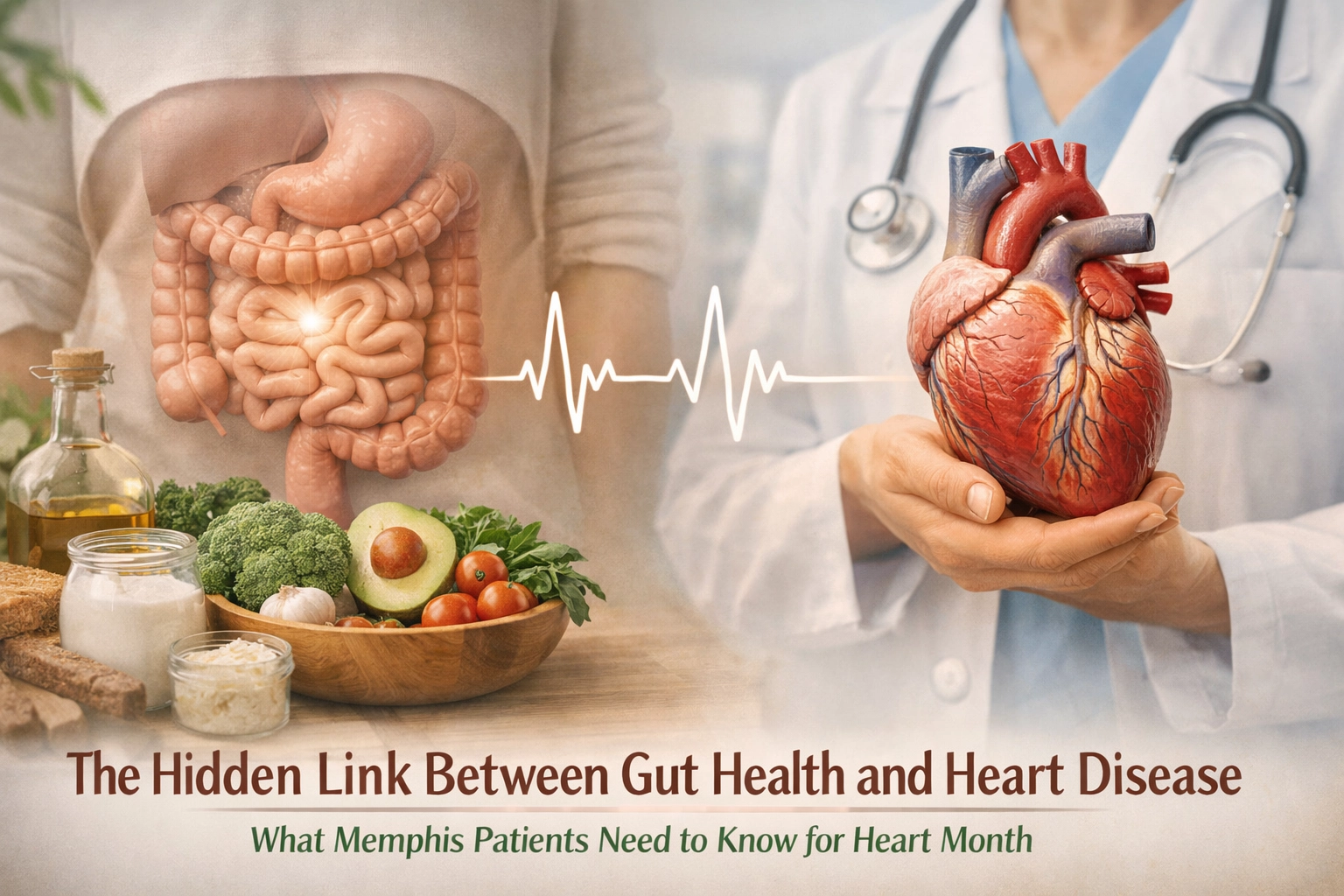
  • The Hidden Link Between Gut Health and Heart Disease: What Memphis Patients Need to Know for Heart Month

    The Hidden Link Between Gut Health and Heart Disease: What Memphis Patients Need to Know for Heart Month

    February is Heart Month, and while most people think about cholesterol and blood pressure when it comes to cardiovascular health, there’s a critical piece of the puzzle that conventional cardiology often overlooks: your gut.

    At The Fatigue Clinic in Collierville, serving patients throughout Germantown, Memphis, and Arlington, we’ve seen firsthand how addressing gut dysfunction can transform heart health markers. The connection between your digestive system and your cardiovascular system isn’t just interesting science: it’s a game-changer for prevention and treatment.

    The Gut-Cardiac Axis: Your Second Heart Lives in Your Intestines

    Your gut houses trillions of bacteria that do far more than digest food. These microorganisms produce compounds that directly influence inflammation, cholesterol metabolism, blood pressure regulation, and even the formation of arterial plaque.

    Scientists call this relationship the gut-cardiac axis. When your gut bacteria fall out of balance: a condition called dysbiosis: the effects ripple throughout your entire cardiovascular system.

    Here’s what happens: An unhealthy gut produces inflammatory molecules that travel through your bloodstream to your heart and blood vessels. This systemic inflammation damages the endothelial lining of your arteries, sets the stage for plaque formation, and increases your risk of heart attack, stroke, and heart failure.

    Leaky Gut: The Gateway to Heart Disease

    Intestinal permeability, commonly known as “leaky gut,” occurs when the tight junctions in your intestinal lining become compromised. Instead of acting as a selective barrier, your gut wall allows undigested food particles, bacterial fragments, and toxins to escape into your bloodstream.

    Comparison of healthy intestinal barrier versus leaky gut showing particle escape into bloodstream

    One particularly harmful compound that slips through is lipopolysaccharide (LPS), a component of certain bacterial cell walls. When LPS enters circulation, it triggers a powerful immune response and widespread inflammation: exactly the kind that contributes to atherosclerotic plaque development.

    Think of it this way: Your gut lining is supposed to be like a secure border checkpoint. When it becomes “leaky,” everything gets through: including the troublemakers that set off alarm bells in your cardiovascular system.

    For our patients in Memphis and Germantown dealing with both digestive issues and cardiovascular concerns, healing the gut barrier is often the missing piece in their treatment plan.

    TMAO: The Gut Metabolite Your Cardiologist Should Know About

    When you eat red meat and certain other foods, specific gut bacteria break them down and produce a compound called trimethylamine (TMA). Your liver then converts this into trimethylamine N-oxide (TMAO): a metabolite strongly associated with increased heart disease risk.

    High TMAO levels correlate with:

    • Increased arterial plaque formation
    • Higher risk of heart attack and stroke
    • Elevated cardiovascular mortality
    • Accelerated atherosclerosis

    The amount of TMAO you produce depends largely on which bacteria dominate your gut. This explains why some people can eat red meat regularly with minimal cardiovascular impact while others develop significant problems: it’s all about the microbiome.

    At The Fatigue Clinic, we can assess your gut health and recommend dietary modifications and targeted probiotic protocols to reduce TMAO production and protect your heart.

    The Protective Power of Short-Chain Fatty Acids

    Not all gut metabolites damage your heart: some actively protect it. When beneficial bacteria ferment dietary fiber, they produce short-chain fatty acids (SCFAs), particularly butyrate, acetate, and propionate.

    These compounds:

    • Reduce systemic inflammation
    • Help regulate blood pressure
    • Improve lipid metabolism
    • Strengthen the gut barrier
    • Support healthy cholesterol levels

    Research shows that people with coronary artery disease have dramatically fewer protective bacteria like Faecalibacterium prausnitzii: one of the primary butyrate producers. Restoring these beneficial organisms through targeted functional medicine protocols can shift the entire cardiovascular picture.

    The prescription is simple: Eat more fiber-rich vegetables, fruits, and whole grains. Feed the good bacteria so they can feed you the protective compounds your heart needs.

    Inflammation: The Common Thread

    Chronic inflammation is the underlying mechanism connecting gut dysfunction to heart disease. When your gut microbiome is imbalanced, your immune system cranks out pro-inflammatory cytokines that circulate throughout your body.

    These inflammatory molecules:

    • Damage blood vessel linings (endothelial dysfunction)
    • Promote plaque formation in arteries
    • Destabilize existing plaques, making them more likely to rupture
    • Contribute to heart rhythm disorders
    • Accelerate heart failure progression

    This isn’t theoretical. Studies on patients with atrial fibrillation (AFib) show distinctly different gut bacteria composition compared to people with normal heart rhythms. The implication is clear: gut health influences electrical stability in the heart itself.

    For our patients throughout the Memphis area, addressing inflammation at its gut-based source often produces improvements in cardiovascular markers that conventional treatments alone couldn’t achieve.

    Our Gut-Healing Protocols for Heart Health

    At The Fatigue Clinic in Collierville, we take a comprehensive functional medicine approach to healing the gut and protecting the heart simultaneously.

    Our protocols typically include:

    Comprehensive Stool Testing – We identify exactly which bacteria are present, which are missing, and which inflammatory markers are elevated. No guessing.

    Targeted Probiotic Therapy – Not all probiotics are created equal. We prescribe specific strains proven to reduce inflammation and improve cardiovascular markers.

    Gut Barrier Repair – Using compounds like L-glutamine, zinc carnosine, and collagen peptides, we rebuild the intestinal lining to prevent leaky gut.

    Anti-Inflammatory Nutrition Plans – We design personalized eating strategies that starve harmful bacteria while feeding beneficial ones. Think Mediterranean diet principles customized to your specific gut test results.

    IV Nutritional Therapy – For patients needing faster intervention, our IV infusions deliver anti-inflammatory nutrients directly to your bloodstream, bypassing digestive absorption issues.

    Stress Management Support – Chronic stress devastates both gut health and heart health. We incorporate practical techniques to break this cycle.

    The goal isn’t just symptom relief: it’s restoring the gut-cardiac axis to its optimal functioning state.

    Special February Heart Month Offer: $75 Cardiac Calcium Score

    Want to know your actual cardiovascular risk beyond basic cholesterol numbers? A Cardiac Calcium Score is a specialized CT scan that detects calcium deposits in your coronary arteries: the earliest measurable sign of atherosclerosis.

    This month only, we’re offering this advanced screening for just $75 (regular price $150).

    Why get a Calcium Score?

    • Detects heart disease years before symptoms appear
    • More predictive than standard cholesterol tests
    • Helps determine if you need more aggressive prevention
    • Provides a baseline to track improvement

    If you’re over 40 with risk factors, or if you have gut issues and want to know how they might be affecting your heart, this is the most valuable $75 you can spend on your cardiovascular health.

    Call 901-221-8621 to schedule your Cardiac Calcium Score before February ends. Our team serves patients throughout Germantown, Memphis, Arlington, and surrounding areas.

    The Bottom Line for Memphis Patients

    Your gut health and heart health are inseparable. Conventional cardiology focuses on managing cholesterol and blood pressure after problems develop, but functional medicine addresses the root cause: often hiding in your digestive system.

    Healing your gut can:

    • Reduce systemic inflammation
    • Lower TMAO production
    • Increase protective SCFA levels
    • Strengthen your gut barrier
    • Improve cholesterol metabolism
    • Support healthy blood pressure
    • Reduce cardiovascular disease risk

    At The Fatigue Clinic, we don’t just treat symptoms. We investigate the underlying mechanisms driving your health concerns and create targeted protocols to restore optimal function.

    If you’re dealing with digestive issues, cardiovascular concerns, or both, there’s a good chance they’re connected. Schedule a consultation by calling 901-221-8621 or visit our contact page.

    This Heart Month, give your heart what it really needs: a healthy gut to support it.

  • 1-Minute Guide: How Stress Affects Your Heart Rhythm (Client Resource)

    1-Minute Guide: How Stress Affects Your Heart Rhythm (Client Resource)

    Stress doesn’t just affect your mood: it directly impacts your heart’s electrical system. When you’re stressed, your body floods with adrenaline and cortisol, causing your heart to beat faster and harder while disrupting its natural rhythm.

    What Happens to Your Heart During Stress

    Physical changes occur immediately:

    Heart rate spikes – Your heart contracts more quickly and forcefully than normal

    Blood pressure rises – This damages artery linings over time, allowing plaque buildup

    Electrical signals get disrupted – Your heart’s electrical activity becomes irregular, increasing arrhythmia risk

    Heart rhythm irregularities develop – You may experience palpitations, skipped beats, or fluttering sensations

    Warning Signs to Watch For

    • Racing or pounding heartbeat
    • Fluttering or skipped beats
    • Chest tightness or discomfort
    • Dizziness or lightheadedness during stressful moments

    If you notice these symptoms frequently, don’t ignore them.

    How We Can Help at The Fatigue Clinic

    Our Collierville clinic serving Germantown, Memphis, and Arlington offers advanced therapies to regulate heart rhythm and reduce stress:

    Biofeedback Therapy – We use an acoustic mat based on Dr. Bartel’s research. It’s simple and relaxing with no physical connections to your body: just lie down and let the vibrations retrain your nervous system to respond better to stress.

    PEMF (Pulsed Electromagnetic Field) Therapy – This non-invasive treatment helps regulate your heart’s electrical activity naturally, reducing arrhythmia frequency and supporting cardiovascular health.

    Special Offer: $75 Cardiac Calcium Score

    Want to know your heart health status? Get a comprehensive Cardiac Calcium Score scan for just $75 at The Fatigue Clinic. This screening identifies calcium buildup in your arteries: a key indicator of heart disease risk: before symptoms appear.

    Take control of your heart health today. Call 901-221-8621 to schedule your scan or ask about our stress-reduction therapies.

    Peaceful meditation pose for stress management and heart health wellness

    Bottom line: Chronic stress damages your heart’s rhythm over time. The good news? With proper intervention and stress management, you can protect your heart and restore normal rhythm patterns. Our functional medicine approach addresses the root cause( not just the symptoms.)

  • 1-Minute Guide: Women’s Heart Health – Different Symptoms, Same Urgency (Client Resource)

    1-Minute Guide: Women’s Heart Health – Different Symptoms, Same Urgency (Client Resource)

    Heart attacks don’t look the same in women. That’s why they’re often missed: and why knowing the difference could save your life.

    Women’s Heart Attack Symptoms Look Different

    While chest pain is still the most common symptom, women are significantly more likely to experience symptoms that don’t seem heart-related at all.

    Watch for these warning signs:

    • Unusual fatigue that doesn’t match your normal tired
    • Jaw, neck, shoulder, or upper back pain (often dismissed as stress)
    • Nausea or vomiting (mistaken for stomach issues)
    • Shortness of breath without exertion
    • Cold sweats or lightheadedness
    • Indigestion or heartburn that feels “off”
    • Pain in one or both arms

    Critical fact: Women can have a heart attack without any chest pain whatsoever.

    The Silent Heart Attack Problem

    Women are at higher risk for silent heart attacks: heart attacks that happen without noticeable symptoms. Women over 65 face significantly higher death rates from these silent events compared to men.

    Early warning: Many women experience unexplained fatigue weeks or months before a heart attack. If your exhaustion feels different or unusual, don’t ignore it.

    What You Should Do Right Now

    Step 1: Know your risk. A Cardiac Calcium Score is a simple, non-invasive scan that detects early heart disease before symptoms appear.

    Step 2: Take action. We’re offering Cardiac Calcium Scores for $75 to help women in Collierville, Germantown, Memphis, and Arlington get ahead of heart disease.

    Step 3: If you experience any of the symptoms above, call 911 immediately. Don’t wait to see if they get worse. Trust your instincts.


    Ready to check your heart health? Call The Fatigue Clinic at 901-221-8621 to schedule your Cardiac Calcium Score today.

    More quick-read resources available at designvista.serverhatch.com/thefatigueclinic/client-resources.