Author: TWD_Coding

  • Get Your Glow Back: Why We’re Giving Away Our Favorite Peptide with Every Facial This Week

    Get Your Glow Back: Why We’re Giving Away Our Favorite Peptide with Every Facial This Week

    Here’s something we don’t usually do: We’re giving away our Glow Peptide treatment completely free with every custom facial booked through February 15, 2026.

    Not discounted. Not “buy one get one.” Actually free.

    Why? Because after 16 years of treating chronic illness and fatigue in Collierville, we’ve learned something important: when your skin looks good, you feel better. And when you feel better, healing accelerates. It’s that simple.

    The Glow Peptide (GHK-Cu) is our most-requested aesthetic treatment. It resurfaces skin, builds collagen, and delivers visible anti-aging results within days. We typically charge $150-$200 for this add-on. But through February 15th, it’s yours free with any facial.

    Woman with radiant glowing skin after GHK-Cu peptide facial treatment in Collierville

    What Exactly Is the Glow Peptide?

    GHK-Cu (Copper Peptide) is a naturally occurring compound in your body that declines dramatically after age 20. It’s one of the most extensively researched peptides in dermatology: with over 50 years of clinical studies backing its regenerative properties.

    Here’s what makes it special: GHK-Cu doesn’t just sit on top of your skin like most topical treatments. It actually signals your fibroblasts (the cells that produce collagen and elastin) to wake up and get back to work.

    Think of it as sending a memo to your skin cells: “Remember when you produced tight, glowing skin effortlessly? Do that again.”

    The result? Visible improvements in:

    • Fine lines and wrinkles
    • Skin firmness and elasticity
    • Uneven texture and tone
    • Sun damage and age spots
    • Acne scars and hyperpigmentation
    • Overall radiance and “glow”

    At our Collierville aesthetic spa, we’ve been incorporating GHK-Cu into custom facials for patients from Germantown, Memphis, and Arlington for the past three years. The before-and-after photos speak for themselves.

    The Science Behind That “Glow”

    Collagen stimulation is the primary mechanism. As we age, collagen production drops by approximately 1% per year after age 30. By age 50, you’ve lost roughly 20% of your baseline collagen. That’s when fine lines deepen, skin sags, and that youthful plumpness disappears.

    GHK-Cu reverses this trajectory by:

    Boosting collagen synthesis: Signal peptides like GHK-Cu directly activate genes responsible for collagen and elastin production. Clinical studies show collagen increases of 70% within weeks of consistent use.

    Strengthening the skin barrier: Enhanced barrier function means better moisture retention. When your skin holds water effectively, it looks plumper, softer, and more radiant: not dry and dull.

    Accelerating cellular repair: GHK-Cu speeds up your skin’s natural healing process. This makes it particularly effective for recovering from sun damage, acne scarring, and inflammation (common issues we see in patients dealing with chronic illness).

    Reducing hyperpigmentation: Certain peptides gently inhibit melanin production, which helps fade dark spots and create a more even, luminous skin tone.

    Firming and lifting: By increasing both collagen and elastin, GHK-Cu helps restore firmness and reduce sagging: giving your face a more youthful, sculpted appearance.

    GHK-Cu peptide serum and spa treatment setup for anti-aging facial in Germantown

    Why We’re Offering This Now (And Why You Should Take Advantage)

    Transparency moment: We want you to experience what GHK-Cu can do for your skin because we believe in it that much. Once you see the results, you’ll understand why our Germantown and Collierville patients request it by name.

    But there’s another reason.

    February is typically a slow month for aesthetic services. Most people are recovering from holiday spending and waiting until spring to think about their skin. We’d rather our facial room stay booked with patients seeing real results than sit empty.

    So we’re incentivizing appointments with this genuinely valuable add-on: free of charge through February 15th. After that date, the Glow Peptide returns to its standard pricing.

    This isn’t a gimmick. It’s a strategic promotion designed to introduce more Memphis-area patients to a treatment that delivers measurable anti-aging benefits.

    What Happens During Your Glow Peptide Facial

    Here’s what to expect when you book:
    Step 1: Custom Facial (60-75 minutes)
    Our aesthetician will assess your skin type, concerns, and goals. The facial itself includes deep cleansing, exfoliation, extractions (if needed), and a customized mask based on your specific needs: whether that’s hydration, brightening, acne treatment, or anti-aging.

    Step 2: Glow Peptide Application (FREE add-on)
    After your facial, we apply the GHK-Cu peptide serum using gentle microcurrent or manual massage techniques to enhance absorption. The peptide penetrates deeply into your skin layers where it can actually signal collagen production.

    Step 3: LED Light Therapy (included)
    We finish with red or blue LED light therapy depending on your skin concerns. Red light amplifies collagen production and reduces inflammation. Blue light targets acne-causing bacteria.

    Total time: About 90 minutes. Total cost through Feb 15: The price of a standard custom facial (typically $120-$150). The $150-$200 Glow Peptide? Completely free.

    Applying GHK-Cu Glow Peptide serum during custom facial treatment at The Fatigue Clinic

    Who Should Book This Treatment?

    Ideal candidates include patients concerned about:

    • Fine lines and wrinkles around the eyes, mouth, or forehead
    • Loss of firmness or sagging skin (especially jowls and neck)
    • Uneven skin tone from sun damage or hyperpigmentation
    • Acne scarring or textural irregularities
    • Dull, tired-looking skin that’s lost its natural radiance
    • Dehydration and rough texture

    This treatment is particularly beneficial for our chronic illness patients. Many people dealing with fatigue, autoimmune conditions, or hormonal imbalances notice their skin reflects their internal struggles: dullness, inflammation, accelerated aging, breakouts.

    Addressing the external manifestations while we work on root causes internally creates a powerful synergy. You look better, which makes you feel better, which supports your body’s healing capacity.

    Real Results from Collierville and Germantown Patients

    “I couldn’t believe the difference after just one treatment. My skin looked brighter and felt smoother immediately. By day three, my husband noticed and asked what I’d done differently.” – Sarah M., Germantown

    “I’ve spent thousands on department store anti-aging serums. The Glow Peptide facial gave me better results in one session than six months of expensive creams.” – Jennifer T., Memphis

    “As someone dealing with chronic Lyme disease, my skin has always looked tired and aged beyond my years. The GHK-Cu treatment actually gave me back some of that youthful glow I thought was gone forever.” – Amanda R., Arlington

    These aren’t isolated experiences. We see consistent improvements across all skin types and ages (typically patients 35-65 see the most dramatic results, but younger patients benefit from prevention and older patients from restoration).

    How to Claim Your Free Glow Peptide Before February 15

    Step 1: Call our Collierville clinic at 901-221-8621 to schedule your custom facial. Mention you want to add the free Glow Peptide treatment (valid through Feb 15, 2026 only).

    Step 2: Show up for your appointment ready to relax for 90 minutes. Arrive with a clean face (no makeup if possible), and plan to avoid sun exposure for 24 hours after treatment.

    Step 3: Enjoy your results. Most patients notice immediate improvements in texture and radiance, with continued enhancement over the following 7-14 days as collagen production ramps up.

    Availability is limited. We only have a certain number of facial appointment slots before February 15th. Once they’re booked, they’re gone: and so is this promotion.

    Call 901-221-8621 today to reserve your spot. Our aesthetic services are available to patients throughout Germantown, Memphis, Arlington, and surrounding areas. Don’t wait until the last minute and miss out on this genuinely valuable offer.

    Your skin deserves this. And honestly? So do you.
  • 1-Minute Guide: How PEMF Therapy Supports a Stronger Heart (Client Resource)

    1-Minute Guide: How PEMF Therapy Supports a Stronger Heart (Client Resource)

    Your heart works nonstop: beating over 100,000 times daily to keep you alive. When circulation slows, inflammation rises, or stress takes over, your cardiovascular system suffers. That's where PEMF (Pulsed Electromagnetic Field) therapy comes in.

    At The Fatigue Clinic in Collierville, we use PEMF therapy to support heart health for patients across Germantown, Memphis, Arlington, and surrounding areas. Here's what you need to know in under 60 seconds.

    PEMF therapy electromagnetic pulses supporting heart health and cellular repair

    What PEMF Therapy Does for Your Heart

    PEMF therapy delivers low-frequency electromagnetic pulses to your cells. These pulses stimulate cellular repair, improve oxygen delivery, and reduce inflammation: all critical for a stronger cardiovascular system.

    Think of it as a cellular tune-up for your heart and blood vessels.

    Key Heart Benefits

    Improves Blood Flow: PEMF expands blood vessels and breaks down micro-blockages, allowing smoother circulation and better oxygen delivery to your heart and tissues.

    Lowers Blood Pressure: Research shows that after 12 weeks of PEMF therapy, patients experienced measurably lower blood pressure readings and improved blood vessel function.

    Reduces Inflammation: PEMF calms overactive immune responses and decreases oxidative stress, protecting your heart and arteries from damage.

    Supports Recovery: Studies suggest PEMF may help after heart events by promoting new blood vessel growth and reducing heart tissue damage.

    Relaxes Your Nervous System: PEMF reduces stress hormones and muscle tension, decreasing overall strain on your heart.

    Who Can Benefit

    PEMF therapy may help if you're dealing with:

    • High blood pressure
    • Poor circulation
    • Chronic inflammation
    • Cardiovascular disease risk factors
    • Post-heart event recovery (under medical supervision)

    Important: PEMF therapy is not a replacement for medications or surgery. Always consult your doctor before starting PEMF, especially if you have existing heart conditions.

    What to Expect at The Fatigue Clinic

    Your PEMF session is simple and relaxing. You'll lie comfortably while the device delivers electromagnetic pulses to targeted areas. Most patients feel nothing during treatment: some report a gentle tingling or warmth.

    Sessions typically last 20-30 minutes. Many patients combine PEMF with our other functional medicine therapies for comprehensive cardiovascular support.

    Take Action: Check Your Heart Health Today

    Want to know your real heart risk? Get our $75 Cardiac Calcium Score special: a CT scan that reveals calcium buildup in your arteries before symptoms appear. This test can detect heart disease years earlier than standard screenings.

    Combine your calcium score with PEMF therapy and functional medicine care for a complete heart health strategy.

    Call 901-221-8621 to schedule your cardiac calcium score or learn more about PEMF therapy for heart health. Serving patients in Collierville, Germantown, Memphis, Arlington, and surrounding areas.

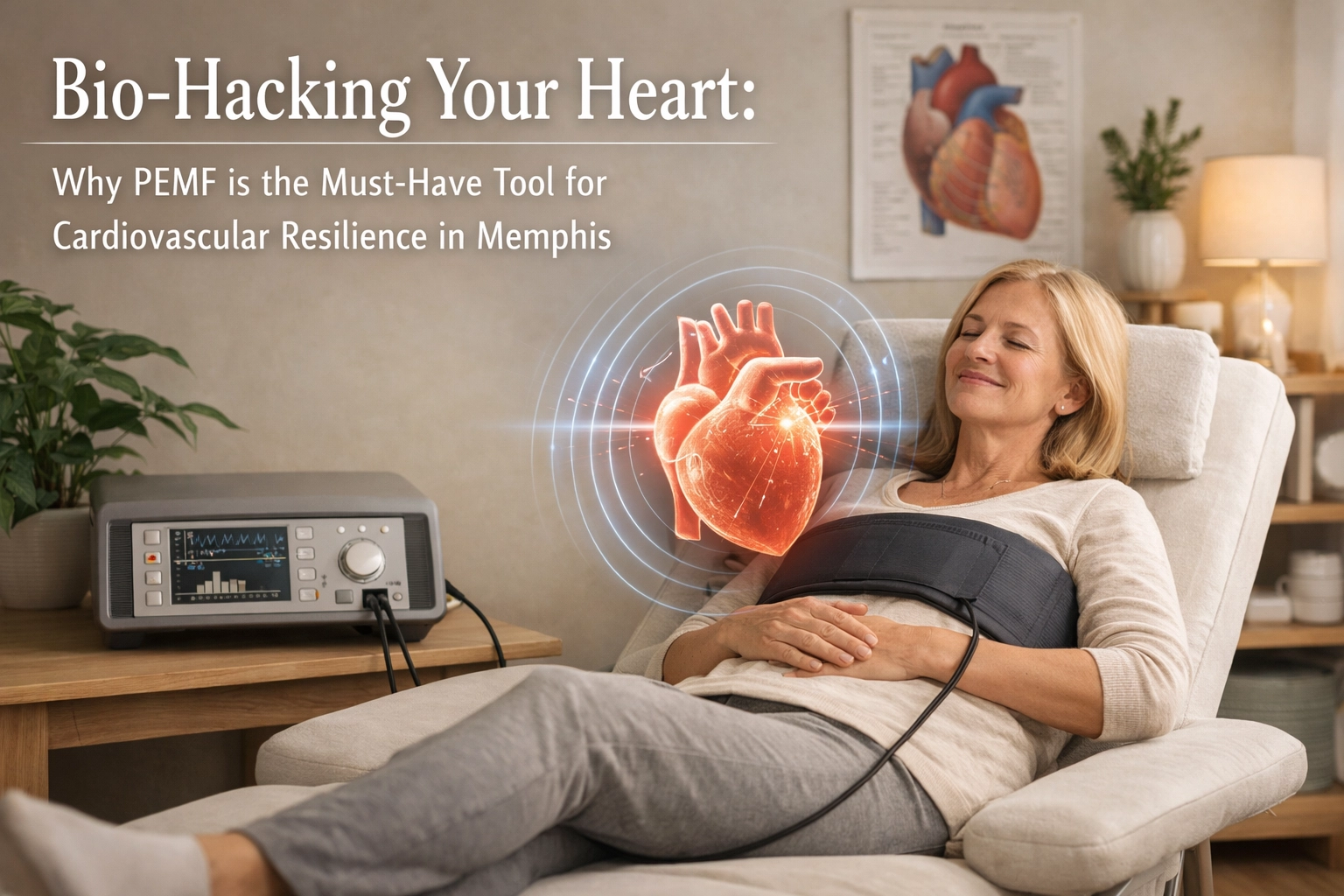
  • Bio-Hacking Your Heart: Why PEMF is the Must-Have Tool for Cardiovascular Resilience in Memphis

    Bio-Hacking Your Heart: Why PEMF is the Must-Have Tool for Cardiovascular Resilience in Memphis

    February is Heart Month, and here at The Fatigue Clinic in Collierville, we're diving deep into the cutting-edge bio-hacks that are changing the game for cardiovascular health in the Memphis area. If you live in Germantown, Eads, or anywhere in the Mid-South and you're looking for real solutions beyond the same old "eat less, move more" advice, you're in the right place.

    This week, we're focusing on PEMF therapy: one of the most promising tools for building cardiovascular resilience without medications or invasive procedures.

    What Is PEMF Therapy and Why Should Germantown Patients Care?

    PEMF stands for Pulsed Electromagnetic Field therapy. It works by emitting low-frequency electromagnetic pulses that stimulate your cells at a fundamental level. Think of it as recharging your cellular batteries.

    For your heart and blood vessels, PEMF therapy does something remarkable: it helps your endothelial cells (the cells lining your blood vessels) produce more nitric oxide. Nitric oxide is the molecule that relaxes and widens your blood vessels, improving circulation throughout your entire body.

    Better circulation means better oxygen delivery to every tissue: your brain, your muscles, your organs. For Memphis patients dealing with fatigue, brain fog, or cardiovascular concerns, this is huge.

    PEMF therapy device for cardiovascular health at Memphis clinic

    The Science Behind PEMF for Heart Health (Research You Can Actually Trust)

    Here's what the research shows:

    Blood Pressure Regulation: A 2020 human trial found that adults with mild hypertension who received PEMF therapy over 12 weeks showed improved blood vessel flexibility and significant reductions in both systolic and diastolic blood pressure. A 2024 systematic review of eight human studies confirmed these findings: PEMF combined with aerobic exercise led to lower blood pressure and improved arterial elasticity.

    Vascular Function: PEMF may enhance endothelial function by promoting nitric oxide production. This process improves microcirculation and helps expand blood vessels. Research suggests it can even break down micro-blockages in capillaries, the tiniest blood vessels in your body.

    Inflammation and Recovery: PEMF may help reduce chronic inflammation and oxidative stress: two major factors that damage blood vessels and increase heart disease risk. In animal models of heart attack, PEMF therapy enhanced cardiac output, reduced scarring, and modulated inflammation.

    Heart Rate Variability (HRV): Emerging research suggests PEMF may support HRV, an important marker of cardiovascular resilience and your body's ability to handle stress. Higher HRV means better cardiovascular health and stress adaptation.

    Important Distinction: PEMF Is a Complementary Tool, Not a Replacement

    Let's be crystal clear: PEMF therapy is not a replacement for established cardiovascular medications. Blood pressure medications like ACE inhibitors and beta-blockers have large clinical trials proving they reduce heart attacks and strokes. PEMF hasn't met that standard yet.

    What PEMF does offer is a complementary approach to support your cardiovascular system alongside (not instead of) medical treatment. At The Fatigue Clinic, we use PEMF as part of a comprehensive functional medicine approach for patients in Collierville, Germantown, and Memphis who want to optimize their heart health from every angle.

    PEMF therapy improving circulation and blood flow for heart health

    How We Use PEMF for Cardiovascular Resilience in Collierville

    Here's how it works in practice at our clinic:

    Step 1: Baseline Assessment. We start with a comprehensive cardiovascular assessment. This isn't your standard "check your blood pressure and send you home" appointment. We look at inflammation markers, endothelial function, metabolic health, and stress load.

    Right now, we're offering a $75 Cardiac Calcium Score special: one of the best predictive tools for cardiovascular risk. This non-invasive scan shows calcification in your coronary arteries, giving us hard data about your heart disease risk.

    Step 2: PEMF Protocol. Based on your assessment, we design a PEMF protocol specific to your needs. Sessions typically last 20-30 minutes and feel relaxing: most patients describe it as a gentle vibration or tingling sensation.

    Step 3: Lifestyle Integration. PEMF works best when combined with other cardiovascular-supporting interventions. We help you optimize nutrition, manage inflammation, improve sleep quality, and reduce stress: all critical factors for heart health in our high-stress Memphis lifestyle.

    Step 4: Monitor and Adjust. We track your progress with follow-up testing and adjust your protocol as needed. Real functional medicine means real measurement and real results.

    Who Benefits Most from PEMF for Heart Health?

    PEMF therapy for cardiovascular resilience works particularly well for:

    Patients with mild to moderate hypertension who want to support blood pressure management alongside medication (or potentially reduce medication needs under medical supervision)

    People with poor circulation or cold hands and feet: common complaints we hear from patients in Germantown and surrounding areas

    Those with family history of heart disease who want proactive, preventive care

    Patients dealing with chronic inflammation that contributes to cardiovascular risk

    Anyone experiencing high stress that's impacting heart rate variability and cardiovascular function

    Athletes and active individuals in Eads and Arlington who want to optimize cardiovascular performance and recovery

    Patient receiving PEMF therapy for cardiovascular wellness at Collierville clinic

    The Memphis Advantage: Why Location Matters for Heart Health

    Living in the Memphis area presents unique cardiovascular challenges. Our diet culture leans heavily on fried foods and high-sodium options. Our climate means less outdoor activity during extreme heat. Our pace of life creates chronic stress.

    These factors compound cardiovascular risk for Mid-South residents. That's exactly why bio-hacking tools like PEMF matter so much for our community. We need interventions that work with our lifestyle, not against it.

    At The Fatigue Clinic in Collierville, we understand the specific challenges facing Germantown, Memphis, and surrounding area patients. We design protocols that fit real life: not textbook scenarios.

    Beyond PEMF: Other Heart-Healthy Bio-Hacks We Use

    PEMF is powerful, but it's most effective as part of a comprehensive approach. Here are other tools we integrate:

    Targeted Supplementation: Specific nutrients like CoQ10, magnesium, omega-3s, and nattokinase support cardiovascular function at the cellular level.

    IV Therapy: Direct nutrient delivery bypasses digestive issues and provides immediate support for vascular health and inflammation reduction.

    Stress Management Protocols: Including our acoustic mat based on Dr. Bartel's research: simple, relaxing biofeedback with no physical connections to the patient.

    Advanced Testing: Beyond the standard lipid panel, we look at inflammatory markers, insulin resistance, hormonal balance, and nutrient status.

    Real Talk: What PEMF Won't Do (And What It Will)

    PEMF won't reverse severe coronary artery disease. It won't cure heart failure. It won't replace your cardiologist or your medications.

    What PEMF will do: Support vascular function. Improve circulation. Help manage blood pressure. Reduce inflammation. Enhance your body's natural cardiovascular resilience. Give you a proactive tool for long-term heart health.

    For patients in Collierville, Germantown, and Memphis who want to take charge of their cardiovascular wellness, PEMF is one of the most evidence-based, low-risk tools available.

    The $75 Cardiac Calcium Score Special: Your Starting Point

    February is the perfect time to get serious about your heart health. Our $75 Cardiac Calcium Score provides valuable insight into your cardiovascular risk: data you can use to make informed decisions about your health.

    Combine this with a comprehensive functional medicine assessment, and you'll have a complete picture of where you stand and what interventions make sense for your specific situation.

    Take Action on Your Heart Health Today

    If you're in Collierville, Germantown, Eads, Arlington, or anywhere in the Memphis area and you're ready to explore PEMF therapy for cardiovascular resilience, call The Fatigue Clinic at 901-221-8621.

    Our team will answer your questions, explain how PEMF fits into a comprehensive heart health strategy, and help you determine if this approach is right for you.

    Don't wait for a cardiac event to take your heart health seriously. Bio-hacking your cardiovascular system starts with one decision: the decision to call.

    The Fatigue Clinic is located in Collierville and serves Germantown, Memphis, Arlington, and surrounding areas. Call 901-221-8621 to reserve your $75 Cardiac Calcium Score and start building cardiovascular resilience today.

    Your heart will thank you.

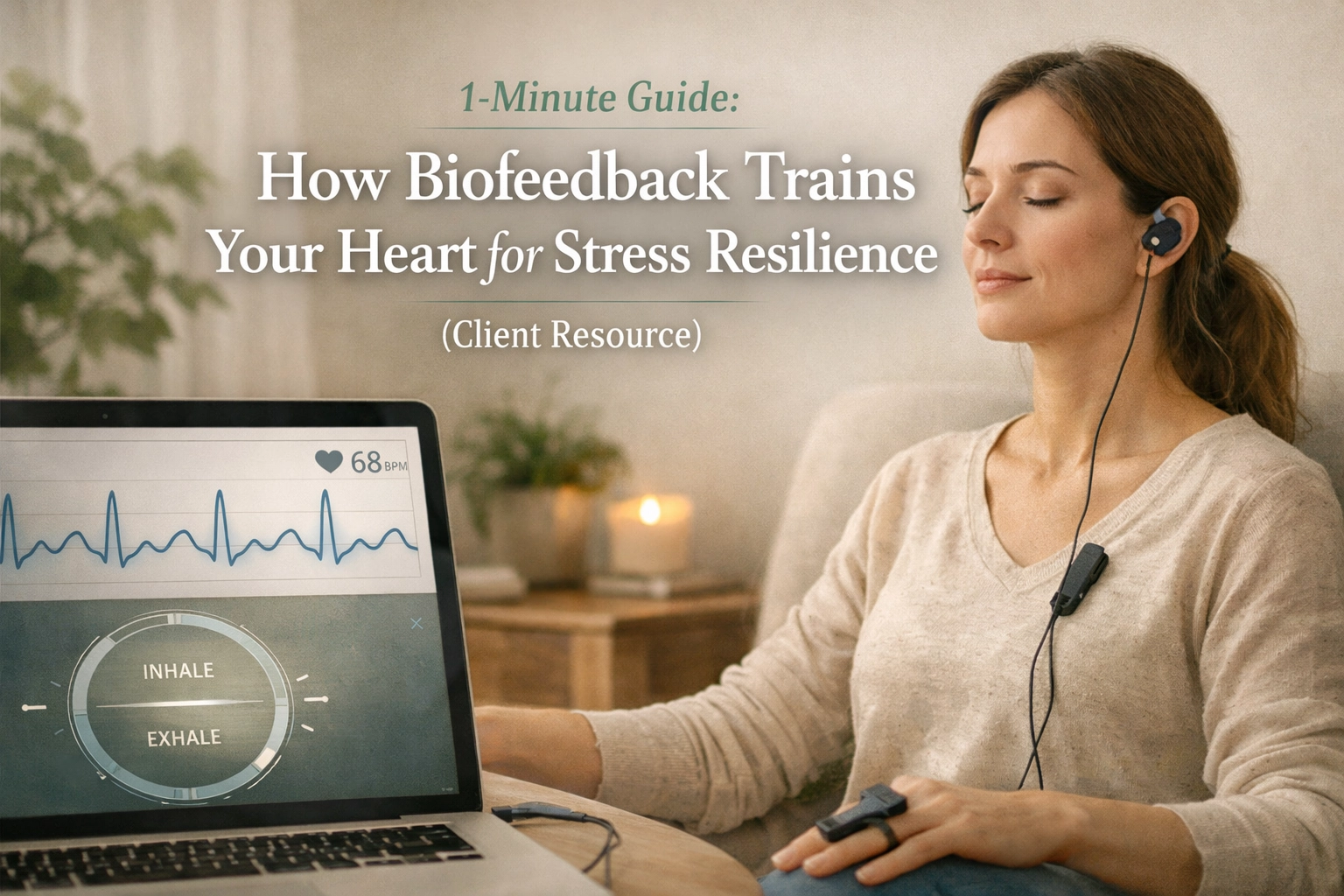
  • 1-Minute Guide: How Biofeedback Trains Your Heart for Stress Resilience (Client Resource)

    1-Minute Guide: How Biofeedback Trains Your Heart for Stress Resilience (Client Resource)

    Heart Month Week 2: Bio-Hacks & Tools Edition

    Your heart does more than pump blood. It's actually your body's built-in stress detector, and with the right training, you can teach it to handle stress like a pro.

    That's where biofeedback comes in.

    What Is Biofeedback? (The 30-Second Version)

    Biofeedback is technology that shows you what's happening inside your body in real time. Think of it like a fitness tracker for your nervous system.

    It monitors things like:

    • Heart rate variability (HRV) – how your heart rate changes beat-to-beat
    • Breathing patterns
    • Muscle tension
    • Body temperature

    You get instant visual or sound feedback that helps you literally see your stress response in action. Then you learn to control it.

    Biofeedback monitoring heart rate variability for stress management

    How Does It Actually Work?

    Here's the process at The Fatigue Clinic in Collierville (serving Germantown, Memphis, and Arlington):

    Step 1: You relax on our acoustic mat, a simple, comfortable surface with no wires or physical connections to your body. It's based on Dr. Bartel's research and works through gentle vibrations.

    Step 2: As you rest, the system monitors your heart rate variability (HRV) and displays it on a screen.

    Step 3: Your clinician guides you through paced breathing techniques, usually around 5-6 breaths per minute.

    Step 4: You watch your HRV improve in real time as you practice calming your nervous system.

    Step 5: Your brain learns the pattern. Over time, your body remembers how to trigger this calm state on its own, even when you're not hooked up to the machine.

    Why Heart Rate Variability Matters

    Your HRV is basically a window into how flexible and resilient your nervous system is.

    Higher HRV = Better stress resilience

    It means your body can shift gears quickly, ramping up when needed (exercising, problem-solving) and calming down when it's time to rest.

    Lower HRV = Stuck in stress mode

    Your body struggles to relax, even when the stressor is gone. This leads to chronic fatigue, brain fog, anxiety, and even heart problems over time.

    Biofeedback training increases your HRV, which strengthens your body's ability to handle stress and bounce back faster.

    What Results Actually Look Like

    Research-backed benefits of consistent biofeedback practice include:

    Reduced anxiety and panic attacks
    Better emotional regulation (less reactive to stress triggers)
    Improved focus and mental clarity under pressure
    Lower blood pressure
    Better sleep quality
    Faster recovery from stressful events

    Most patients start noticing changes within 2-4 weeks of regular practice.

    The Practice Schedule (Keep It Simple)

    For best results, practice 20 minutes, twice daily at home between clinic sessions.

    Yes, it takes commitment. But think about it this way: you're literally rewiring your nervous system to be more resilient. That's worth 40 minutes a day.

    Many patients use biofeedback apps or devices at home to continue their training between appointments.

    Who Should Try Biofeedback?

    Biofeedback is especially helpful for Germantown and Memphis patients dealing with:

    • Chronic stress or anxiety
    • High blood pressure
    • Heart palpitations
    • Chronic fatigue
    • PTSD or trauma recovery
    • Autoimmune flare-ups triggered by stress
    • Brain fog and concentration problems

    It's non-invasive, drug-free, and backed by decades of research.

    The Bottom Line

    Biofeedback gives you measurable, concrete tools to take control of your stress response instead of letting stress control you.

    At The Fatigue Clinic, we use our relaxing acoustic mat system to help Collierville, Germantown, and Memphis patients train their hearts for real resilience: not just temporary relaxation.

    Your nervous system is trainable. You just need the right feedback to learn.

    Acoustic biofeedback mat for heart health and stress resilience training

    💙 Heart Month Special: $75 Cardiac Calcium Score

    Speaking of heart health: don't forget our February Heart Month special!

    Get a Cardiac Calcium Score for just $75 (regularly $100+). This quick, non-invasive scan measures calcium buildup in your arteries and gives you a clear picture of your heart disease risk.

    Why it matters: Early detection = early prevention. Catch problems before they become emergencies.

    Ready to Train Your Heart?

    Biofeedback is available at The Fatigue Clinic in Collierville for patients throughout Germantown, Memphis, Arlington, and surrounding areas.

    Call 901-221-8621 to schedule your biofeedback consultation or book your $75 Cardiac Calcium Score today.

    Your heart (and your nervous system) will thank you.


    The Fatigue Clinic
    Collierville, TN
    Serving Germantown, Memphis, Arlington & Beyond
    📞 901-221-8621
    🌐 designvista.serverhatch.com/thefatigueclinic/

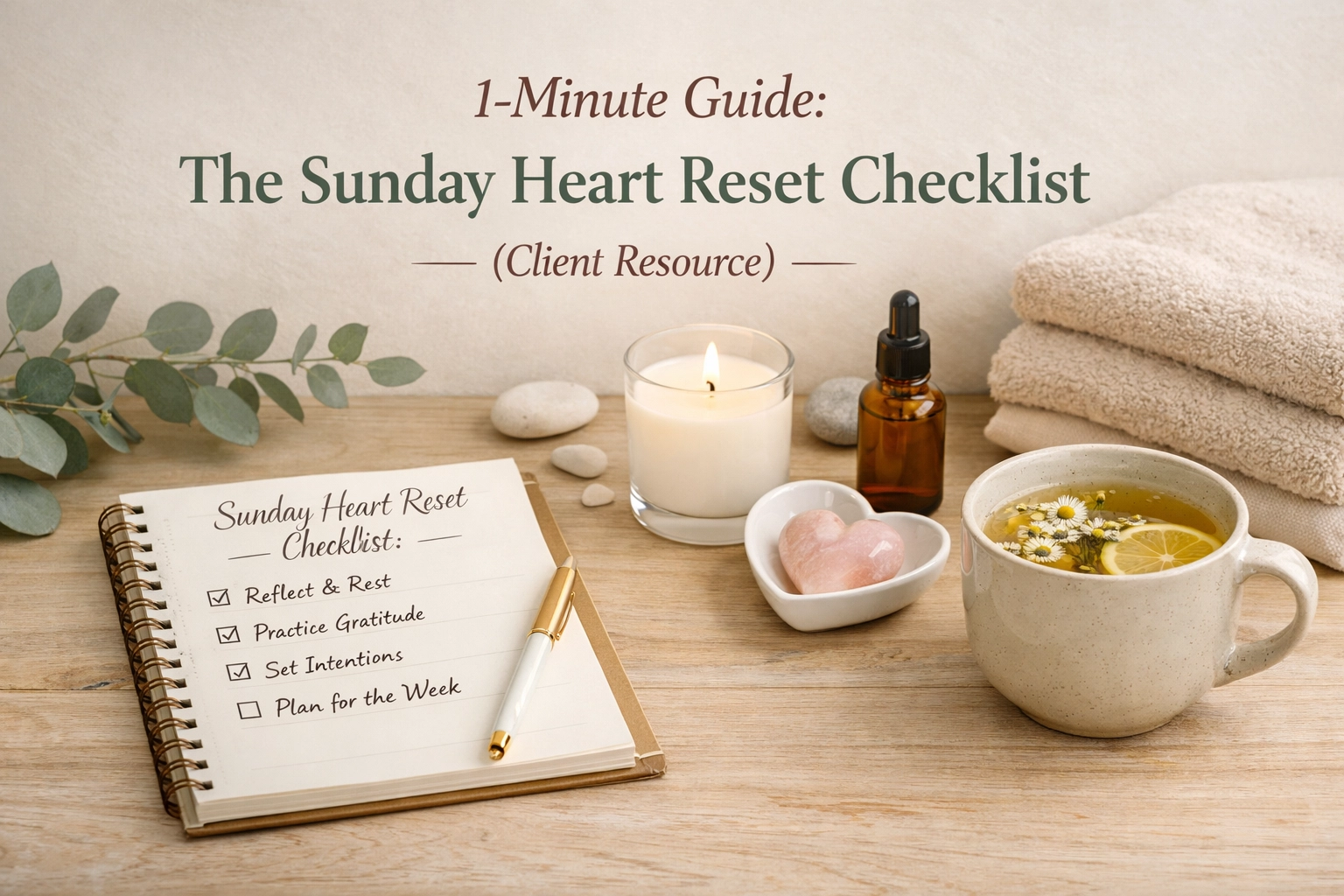
  • 1-Minute Guide: The Sunday Heart Reset Checklist (Client Resource)

    1-Minute Guide: The Sunday Heart Reset Checklist (Client Resource)

    Why Your Heart Needs a Sunday Reset

    Stress isn't just in your head: it's in your blood vessels. When you're stressed, your body triggers the "fight-or-flight" response, which constricts blood vessels and raises blood pressure. Over time, chronic stress becomes a cardiovascular problem.

    The good news? Simple, biology-based resets work. Research shows that just 10 minutes in nature (like a walk through Shelby Farms or a Germantown park) can lower cortisol levels significantly. And starting your week with a calmer nervous system means better heart function all week long.

    For patients in Collierville, Germantown, and Memphis dealing with fatigue, brain fog, or cardiovascular concerns, this Sunday Heart Reset Checklist gives you three quick steps to support your heart before Monday hits.

    Sunday heart health checklist with wellness items and stethoscope for Memphis patients

    The Sunday Heart Reset Checklist

    Step 1: Take a 10-Minute Mindful Walk

    Head to a local park: Germantown Greenway, W.C. Johnson Park in Collierville, or Shelby Farms: and walk slowly for 10 minutes. No phone. No multitasking.

    Why it works: Nature exposure activates your parasympathetic nervous system (your "rest and digest" mode), which lowers cortisol, reduces heart rate, and improves heart rate variability. You're literally giving your heart a break.

    The science: Studies show that even brief nature walks reduce systolic blood pressure and improve mood markers in patients with hypertension and anxiety.

    Step 2: Practice 2 Minutes of Box Breathing

    Sit comfortably and breathe using this pattern:

    • Inhale for 4 counts
    • Hold for 4 counts
    • Exhale for 4 counts
    • Hold for 4 counts

    Repeat for 2 minutes.

    Why it works: Box breathing stimulates the vagus nerve, which regulates heart rate and blood pressure. It shifts your autonomic nervous system away from stress mode and into recovery mode.

    Bonus: This is the same technique used by Navy SEALs to manage acute stress. If it works in combat, it works before your work week.

    Tree-lined walking path in Germantown park for stress-reducing cardiovascular exercise

    Step 3: Prep One Anti-Inflammatory Snack for Monday

    Walnuts, blueberries, or dark chocolate (70% cacao or higher) are your best bets. Portion out a snack you can grab Monday morning.

    Why it works: Chronic inflammation damages arterial walls and increases cardiovascular disease risk. Anti-inflammatory foods like walnuts (rich in omega-3s) and berries (loaded with antioxidants) actively reduce inflammatory markers in your bloodstream.

    The research: A 2020 study in the Journal of the American Heart Association found that just 1 ounce of walnuts daily improved endothelial function (how well your blood vessels expand and contract) in patients at risk for heart disease.

    Why This Matters for Collierville and Memphis Patients

    Tennessee has one of the highest rates of cardiovascular disease in the U.S. Heart disease is the leading cause of death in Shelby County, and chronic stress is a major: but often ignored: contributing factor.

    At The Fatigue Clinic in Collierville, we see patients who are exhausted, burnt out, and dealing with the downstream effects of unmanaged stress: high blood pressure, arrhythmias, poor sleep, and metabolic dysfunction.

    The Sunday Heart Reset Checklist isn't a cure: it's a weekly intervention. Think of it as preventive maintenance for your cardiovascular system. You change your car's oil every 3,000 miles. Why wouldn't you reset your nervous system every Sunday?

    Anti-inflammatory heart-healthy foods including walnuts, blueberries, and dark chocolate

    Get a Baseline: The $75 Cardiac Calcium Score

    If you're serious about heart health, you need data. The Cardiac Calcium Score is a CT scan that measures calcium deposits in your coronary arteries: early markers of atherosclerosis (plaque buildup).

    Here's what it tells you:

    • A score of 0: No detectable plaque. Low cardiovascular risk.
    • A score of 1–100: Mild plaque. Time to optimize lifestyle and monitor closely.
    • A score of 101–400: Moderate plaque. Intervention recommended.
    • A score above 400: Severe plaque. High cardiovascular risk.

    We're offering this test for $75 (normally $150+). It's one of the most cost-effective ways to assess your actual heart disease risk: not just your cholesterol numbers or blood pressure readings.

    Call 901-221-8621 to schedule your Cardiac Calcium Score and get a clear picture of your cardiovascular health. We serve patients in Collierville, Germantown, Memphis, Arlington, and surrounding areas.

    The Bottom Line

    Your heart doesn't need another medication: it needs consistent, biology-based support. The Sunday Heart Reset Checklist gives you three actionable steps that work with your nervous system, not against it.

    This Sunday, try this:

    1. Walk for 10 minutes in a Germantown or Collierville park.
    2. Practice 2 minutes of box breathing.
    3. Prep an anti-inflammatory snack for Monday.

    Then repeat it next Sunday. And the Sunday after that.

    Your heart will thank you.


    Ready to take heart health seriously? Call 901-221-8621 to book your $75 Cardiac Calcium Score at The Fatigue Clinic in Collierville. Serving Germantown, Memphis, Arlington, and surrounding areas.

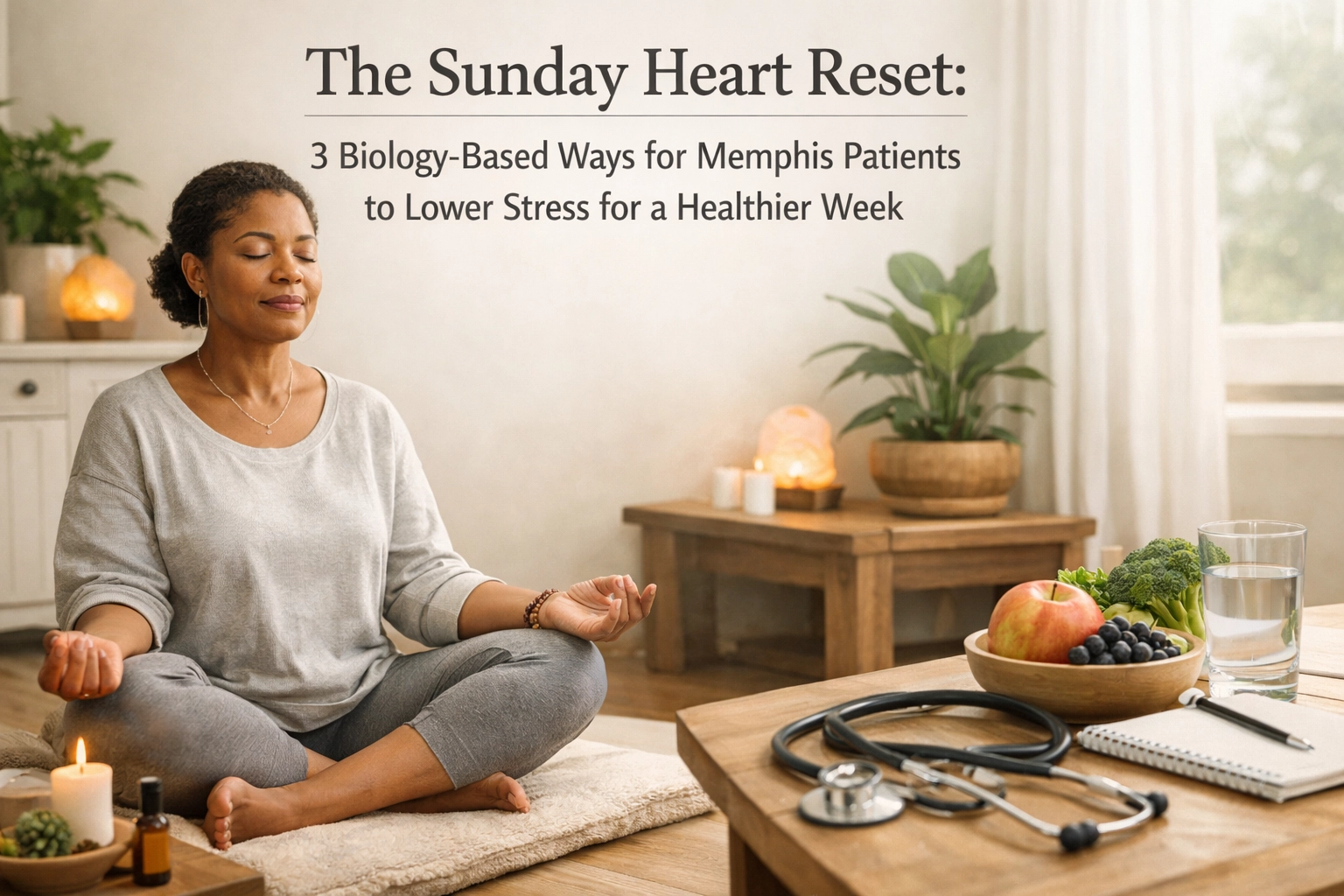
  • The Sunday Heart Reset: 3 Biology-Based Ways for Memphis Patients to Lower Stress for a Healthier Week

    The Sunday Heart Reset: 3 Biology-Based Ways for Memphis Patients to Lower Stress for a Healthier Week

    Sundays in the Mid-South should feel like a gift: a chance to reset before the week kicks back in. But for many Memphis-area patients, Sunday evenings bring something else entirely: that familiar creep of anxiety, the tightness in your chest, the racing thoughts about Monday's to-do list.

    Here's what most people don't realize: that Sunday stress isn't just in your head. It's happening in your heart.

    Your nervous system and cardiovascular health are deeply intertwined. When chronic stress keeps your body in fight-or-flight mode, your heart pays the price: elevated blood pressure, increased heart rate, and higher cortisol levels that damage blood vessels over time. The good news? You can interrupt this cycle with three simple, biology-based strategies that take less than an hour.

    At The Fatigue Clinic in Collierville, we serve patients throughout Germantown, Memphis, Arlington, and surrounding areas who are tired of feeling tired: and tired of stress controlling their health. These aren't just feel-good tips. They're rooted in how your body actually works.

    Why Your Heart Hates Sunday Stress

    Before we jump into solutions, let's talk about what's happening inside your body when Sunday anxiety strikes.

    Your autonomic nervous system has two main branches: the sympathetic (fight-or-flight) and the parasympathetic (rest-and-digest). Chronic stress keeps you locked in sympathetic mode: your heart rate stays elevated, your blood pressure climbs, and stress hormones like cortisol flood your system.

    Over time, this pattern damages your cardiovascular system. Studies show that people with chronic stress have a 69% higher risk of heart attack and significantly elevated risk of stroke and arrhythmias. That Sunday evening tension you feel? It's not just unpleasant: it's inflammatory.

    Person with hands over heart showing heart health awareness and stress connection for Memphis patients

    The solution isn't complicated medication or endless therapy sessions. It's about activating your body's natural relaxation response through targeted, evidence-based practices that calm your nervous system and protect your heart.

    Strategy #1: Take a 10-Minute Walk at Shelby Farms or Your Local Germantown Park

    Physical movement is one of the fastest ways to regulate stress neurotransmitters in your brain: specifically serotonin and dopamine, the chemicals that directly improve your mood and lower anxiety.

    You don't need to run a 5K or hit the gym for an hour. Research shows that just 10 minutes of walking is enough to shift your nervous system from stress mode to recovery mode. The key is getting outside and moving your body consistently.

    Why Shelby Farms or local parks work so well:

    • Natural environments reduce cortisol levels more effectively than indoor settings
    • Sunlight exposure helps regulate your circadian rhythm (which impacts heart health)
    • The combination of movement + nature + fresh air creates a triple benefit for your nervous system

    Here's your Sunday protocol:

    Start your walk around 4 PM or 5 PM: right when Sunday anxiety typically peaks. Choose a location close to home: Shelby Farms Park, Germantown Greenway, W.C. Johnson Park in Collierville, or any green space in your neighborhood. Walk at a comfortable pace for 10 minutes. Don't check your phone. Just walk, breathe, and notice your surroundings.

    This isn't about exercise intensity. It's about interrupting the stress cascade before it hijacks your evening and sets a negative tone for Monday. Your heart rate will naturally lower. Your breathing will deepen. Your mind will quiet down.

    Do this every Sunday: even when you don't feel stressed. Prevention is more powerful than intervention.

    Peaceful walking trail at Shelby Farms Park in Memphis for Sunday stress reduction and heart health

    Strategy #2: Try a Quick HRV Check or Practice the 4-7-8 Breathing Technique

    Heart Rate Variability (HRV) is one of the most reliable indicators of nervous system health and stress resilience. It measures the variation in time between each heartbeat: and higher variability is a good thing. It means your body can easily shift between stress and recovery modes.

    Many Memphis patients at our clinic track their HRV using simple smartphone apps or wearable devices. It takes 60 seconds and gives you real-time feedback about your stress levels. If your HRV is low on Sunday afternoon, it's a clear signal that your body needs recovery.

    The fastest intervention? The 4-7-8 breathing technique.

    This method directly activates your parasympathetic nervous system: the branch responsible for relaxation and heart protection. It slows your heart rate, lowers blood pressure, and reduces cortisol within minutes.

    How to practice 4-7-8 breathing:

    1. Sit comfortably in a quiet space (your living room works fine)
    2. Place the tip of your tongue against the ridge behind your upper front teeth
    3. Exhale completely through your mouth, making a whooshing sound
    4. Close your mouth and inhale quietly through your nose for 4 seconds
    5. Hold your breath for 7 seconds
    6. Exhale completely through your mouth for 8 seconds
    7. Repeat this cycle 4 times total

    That's it. Four breath cycles. Less than two minutes. But the physiological impact is profound: you're literally telling your nervous system to shift gears from stress to calm.

    Do this before your Sunday evening meal or right after your walk. You can even do it in your car before heading home from errands. The beauty of this technique is its portability. You always have your breath with you.

    Strategy #3: Plan One Heart-Healthy Meal for the Week Ahead

    Sunday stress often stems from feeling unprepared for the week. Planning just one heart-healthy meal gives you a sense of control while directly supporting your cardiovascular system.

    This isn't about complicated recipes or expensive ingredients. Focus on anti-inflammatory foods that protect your heart and stabilize blood sugar: which directly impacts mood and energy.

    Your Sunday meal-planning checklist:

    Choose one dinner for the upcoming week that includes:

    • Omega-3 fatty acids (salmon, sardines, or plant-based sources like walnuts and flax)
    • Leafy greens (spinach, kale, collards: all easy to find at any Memphis-area grocery)
    • Fiber-rich whole grains (quinoa, brown rice, or farro)
    • Colorful vegetables (bell peppers, tomatoes, sweet potatoes)

    Write down the meal. Make your grocery list. Prep what you can on Sunday evening: wash the greens, cook the grains, portion the protein.

    This single act reduces decision fatigue during the week and ensures you have at least one solid, heart-protective meal ready to go. It's practical. It's actionable. And it takes the pressure off Monday evening when you're tired from work.

    Bonus: Cooking itself can be meditative. The repetitive motions, the focus on something tangible, the sensory experience: it all helps calm your nervous system.

    Woman practicing deep breathing technique to lower stress and activate parasympathetic nervous system

    The Heart-Stress Connection You Need to Understand

    These three strategies aren't random wellness advice. They're targeted interventions based on how stress damages your cardiovascular system: and how simple practices can reverse that damage.

    When you walk in nature, practice deep breathing, and nourish your body with real food, you're:

    • Lowering cortisol levels that cause inflammation
    • Improving heart rate variability that protects against arrhythmias
    • Reducing blood pressure naturally without medication
    • Supporting healthy neurotransmitter production
    • Stabilizing blood sugar that impacts heart function

    This is preventive cardiology. It's functional medicine. And it works: especially when practiced consistently, not just when you're already overwhelmed.

    Your Next Step: The $75 Cardiac Calcium Score at The Fatigue Clinic

    Sunday stress management is essential. But if you're dealing with chronic anxiety, fatigue, or concern about your heart health, you need objective data about what's happening inside your body.

    The Cardiac Calcium Score is a non-invasive CT scan that measures calcium buildup in your coronary arteries: one of the earliest indicators of heart disease. Most people don't get this test until after symptoms appear, but early detection can literally save your life.

    We're offering this scan for $75 at The Fatigue Clinic in Collierville: a fraction of the typical cost. This test gives you and your doctor critical information about your cardiovascular risk, especially if stress has been a chronic issue.

    Combine this objective assessment with a stress management consultation, and you'll have a comprehensive plan for protecting your heart while finally breaking the cycle of Sunday anxiety and weekly burnout.

    Call 901-221-8621 to schedule your Cardiac Calcium Score and discuss personalized stress management strategies. Our team serves patients throughout Germantown, Memphis, Arlington, Collierville, and surrounding communities who are ready to take control of their heart health before problems develop.

    Sunday Reset = Weekly Protection

    Start this Sunday with your 10-minute walk, your 4-7-8 breathing practice, and your meal planning session. Track how you feel Monday morning. Notice the difference in your energy, your mood, and that tightness in your chest.

    Your heart will thank you. Your nervous system will thank you. And by the time Sunday rolls around again, you'll have a biology-based routine that actually works: not just another wellness tip that sounds good but delivers nothing.

    The Fatigue Clinic is located in Collierville and serves patients throughout Germantown, Memphis, Arlington, and the Mid-South. Visit us at designvista.serverhatch.com/thefatigueclinic/ or call 901-221-8621 to discuss how functional medicine and preventive cardiology can transform your health( one Sunday at a time.)

  • Is Your Insomnia Hurting Your Heart? Why Sleep is the Ultimate Cardiovascular Metric for Memphis Patients

    Is Your Insomnia Hurting Your Heart? Why Sleep is the Ultimate Cardiovascular Metric for Memphis Patients

    You've probably heard your entire life that sleep is important. But here's what your doctor in Germantown or Memphis probably hasn't told you: your sleep quality is just as critical to your heart health as your cholesterol levels, blood pressure, and family history combined.

    And if you're struggling with insomnia? The data is alarming.

    The Numbers Don't Lie: Insomnia Is a Heart Attack Waiting to Happen

    Let's get straight to it. People with insomnia are 69% more likely to have a heart attack compared to those without the sleep disorder. That's not a small increase, that's nearly seven out of ten higher risk.

    To put that in perspective, that risk level is comparable to having diabetes, smoking regularly, or having high blood pressure. We're talking about the same magnitude of danger that gets your primary care doctor panicking at your annual physical.

    Heart health monitoring with stethoscope - cardiovascular risk assessment for Memphis patients

    But it gets worse. If you're sleeping five hours or fewer per night, your risk of heart attack jumps to 1.56 times greater than someone getting adequate rest. And if you have both diabetes and insomnia? You're looking at a twofold likelihood of heart attack.

    For our patients here in Collierville and the surrounding Memphis metro area, this isn't theoretical, this is happening right now. The combination of high-stress lifestyles, long commutes between Germantown and Memphis, shift work, and the general pace of modern life means chronic insomnia is epidemic-level, and it's silently destroying cardiovascular systems.

    How Insomnia Actually Damages Your Heart

    Sleep isn't just "rest time." It's when your body performs critical maintenance and repair functions. When you don't sleep, or sleep poorly, here's what happens to your cardiovascular system:

    Blood Pressure Skyrockets

    Shortened or disrupted sleep increases blood pressure and inflammation, both of which elevate cardiovascular disease risk. When chronic insomnia is paired with objective short sleep duration (less than 6 hours), the risk of hypertension increases nearly fourfold. That's four times more likely to develop high blood pressure just because you're not sleeping enough.

    Inflammation Goes Wild

    Your body treats sleep deprivation like an injury. It ramps up inflammatory markers, which contribute to endothelial dysfunction, the fancy term for when the lining of your blood vessels stops working properly. This is a precursor to atherosclerosis (plaque buildup in arteries), which is a precursor to heart attacks and strokes.

    Stress Hormones Take Over

    Insomnia elevates cortisol, your primary stress hormone, and increases sympathetic nervous system activity. Translation: your body stays in "fight or flight" mode 24/7. This raises blood pressure, increases heart workload, and creates oxidative stress that damages cells throughout your cardiovascular system.

    Arterial inflammation caused by insomnia and poor sleep affecting heart health

    Your Metabolism Gets Wrecked

    Poor sleep decreases leptin (the hormone that tells you you're full) and increases ghrelin (the hormone that makes you hungry). The result? Increased appetite, weight gain, obesity, and a dramatically higher risk of diabetes and heart disease. Sleep deprivation also impairs your body's ability to process glucose and increases insulin resistance, which is exactly what you don't want if you're trying to avoid metabolic syndrome or Type 2 diabetes.

    Calcium Builds Up in Your Arteries

    Research shows a direct connection between short sleep duration and calcium buildup in heart arteries. This arterial calcification is measurable, trackable, and strongly correlates with higher cardiovascular disease risk.

    Why This Matters for Patients in Germantown, Memphis, and Collierville

    Here's the thing: we're not just throwing scary statistics at you. We're seeing this play out in real time with patients who walk through our doors in Collierville.

    Arlington commuters who wake up at 5 AM to beat traffic. Germantown professionals who work 60-hour weeks and sleep four to five hours a night. Memphis healthcare workers pulling overnight shifts. Small business owners in the metro area who haven't slept well in years because of financial stress.

    These aren't just tired people, these are people at dramatically elevated risk for serious cardiac events.

    And the worst part? Most conventional medicine approaches treat insomnia and heart disease as separate issues. Your cardiologist might prescribe a statin and tell you to exercise more. Your primary care doctor might hand you a prescription for Ambien and send you on your way.

    But nobody's connecting the dots.

    Sleep Is a Cardiovascular Metric, Treat It Like One

    The American Heart Association recently added sleep duration to its cardiovascular health checklist. Getting 7+ hours of quality sleep per night is now considered an essential cardiovascular health metric, right alongside blood pressure, cholesterol, blood sugar, body weight, physical activity, diet, and smoking status.

    That's a huge deal. Sleep isn't a "nice to have" anymore, it's a clinical vital sign for heart health.

    Sleep tracking journal as cardiovascular health metric for heart disease prevention

    At The Fatigue Clinic in Collierville, we treat it that way. When a patient comes in complaining of fatigue, brain fog, or sleep issues, we immediately start thinking about cardiovascular implications. We run comprehensive testing that most doctors in Memphis or Germantown don't even consider:

    • Inflammatory markers (CRP, homocysteine)
    • Hormone panels (cortisol rhythm, thyroid function)
    • Metabolic testing (fasting insulin, glucose, HbA1c)
    • Nutrient deficiencies (magnesium, B vitamins, Vitamin D)
    • Sleep architecture analysis (if needed)

    And yes, we also offer the Cardiac Calcium Score scan, which measures calcification in your coronary arteries. It's a direct, measurable indicator of cardiovascular disease risk, and right now we're offering it for $75 to make it accessible to more patients in the Memphis metro area.

    The Functional Medicine Approach to Sleep and Heart Health

    Here's what makes functional medicine different: we don't just treat symptoms, we find and fix root causes.

    If you're not sleeping well and your heart health is suffering, there's a reason. Maybe it's:

    • Chronic stress overloading your HPA axis (hypothalamic-pituitary-adrenal axis)
    • Blood sugar dysregulation causing middle-of-the-night waking
    • Magnesium deficiency preventing muscle relaxation and proper sleep cycles
    • Thyroid dysfunction disrupting circadian rhythm
    • Gut inflammation creating systemic stress responses
    • Hormone imbalances (especially in perimenopause or andropause)

    We test. We find the actual problem. And then we create a personalized treatment plan that addresses both your sleep and your cardiovascular risk simultaneously.

    This might include targeted supplementation, IV nutrient therapy (we're located right here in Collierville and serve Germantown, Memphis, and Arlington), bioidentical hormone replacement if needed, stress management protocols, or dietary modifications based on your unique biochemistry.

    What You Should Do Right Now

    If you're reading this and thinking, "Wow, I sleep terribly and I'm worried about my heart," here's your action plan:

    Step 1: Track your actual sleep. Not what you think you're getting: what you're actually getting. Use a fitness tracker or just keep a sleep journal for two weeks. Be honest about your sleep duration and quality.

    Step 2: Get baseline cardiovascular testing. At minimum, that means blood pressure, lipid panel, fasting glucose, and inflammatory markers. If you're over 40 or have risk factors, consider our $75 Cardiac Calcium Score scan to see exactly what's happening in your arteries.

    Step 3: Book a functional medicine consultation at The Fatigue Clinic. We're located in Collierville and serve patients throughout Germantown, Memphis, Arlington, and surrounding areas. Call 901-221-8621 to schedule. We'll dig into the root causes of both your sleep issues and cardiovascular risk factors.

    Step 4: Stop treating insomnia like it's "just" a sleep problem. It's a cardiovascular emergency in slow motion.

    Quality sleep for heart health - treating insomnia to reduce cardiovascular risk

    Your heart doesn't care if you're busy. It doesn't care if you have deadlines or kids or a demanding job. It cares if you're getting seven hours of quality sleep per night. And if you're not? You're playing Russian roulette with your cardiovascular system.

    The good news is that sleep is modifiable. Unlike genetics or family history, you can fix this. But you need the right testing, the right approach, and providers who understand the connection between sleep and heart health.

    That's what we do at The Fatigue Clinic. We don't just tell you to "sleep more": we figure out why you're not sleeping in the first place, and we fix it at the root level.

    Ready to stop gambling with your heart? Call 901-221-8621 or visit us at https://thefatigueclinic.com/contact to book your consultation. We're here in Collierville serving the greater Memphis area, and we're ready to help you sleep better and protect your heart.

    Your future self: and your cardiovascular system( will thank you.)

  • 1-Minute Guide: How Sleep Impacts Your Heart (Client Resource)

    1-Minute Guide: How Sleep Impacts Your Heart (Client Resource)

    If you're not sleeping well, your heart is paying the price. Here's what Memphis-area patients need to know about the sleep-cardiovascular connection.

    The Numbers Don't Lie

    Insomnia increases your heart attack risk by 69%. People sleeping less than 5 hours per night have 1.56 times the risk of developing heart disease compared to those getting 7-8 hours.[1][2]

    What Happens When You Don't Sleep

    Blood pressure stays elevated – Your cardiovascular system never gets the nightly recovery period it needs[3]

    Inflammation spikes – Chronic sleep deprivation raises cortisol and inflammatory markers that damage blood vessels[2][3]

    Plaque builds up faster – Short sleep duration accelerates atherosclerosis (arterial plaque buildup)[1]

    Heart rhythm problems – Poor sleep triggers stress hormones that can cause arrhythmias[1]

    What You Can Do Right Now

    Get screened. If you're sleeping poorly and haven't had recent cardiac imaging, start with a Cardiac Calcium Score – it's the gold standard for detecting early plaque formation before symptoms appear.

    We're offering this advanced screening for just $75 at The Fatigue Clinic in Collierville (serving Germantown, Memphis, and Arlington).

    Aim for 7-9 hours of quality sleep nightly. If you're struggling with insomnia or wake frequently, that's a functional medicine issue we address daily.

    Take Action

    Poor sleep isn't just exhausting – it's a cardiac risk factor. Call 901-221-8621 to schedule your Cardiac Calcium Score or discuss comprehensive sleep optimization strategies.

    Your heart recovery happens at night. Make sure it's actually getting the chance.

  • Is Your Insomnia Hurting Your Heart? Why Sleep is the Ultimate Cardiovascular Metric for Memphis Patients

    Is Your Insomnia Hurting Your Heart? Why Sleep is the Ultimate Cardiovascular Metric for Memphis Patients

    Here's something most Memphis patients don't realize: your sleep quality might be a better predictor of your heart health than your cholesterol numbers.

    We're not talking about feeling tired after a rough night. We're talking about chronic insomnia that fundamentally changes how your cardiovascular system functions: and not in a good way.

    February is American Heart Month, and this week at The Fatigue Clinic in Collierville, we're spotlighting the sleep-heart connection that conventional cardiology often misses entirely.

    The Numbers Don't Lie: Insomnia is a Major Heart Attack Risk

    People with insomnia are 69% more likely to have a heart attack compared to those without sleep disorders. That risk is comparable to diabetes, smoking, and high blood pressure.

    Let that sink in for a moment.

    Your inability to fall asleep or stay asleep isn't just making you cranky. It's directly damaging your heart.

    Research tracking nearly 18,000 patients found that sleeping 5 hours or less per night increases heart attack risk by 1.56 times. Getting at least 7 hours? That can significantly reduce cardiovascular risk in patients without existing heart disease.

    The relationship between sleep deprivation and heart health is so strong that sleep should be treated as a vital sign: right alongside blood pressure and heart rate.

    Insomnia patient awake at night with elevated heart rate monitor showing cardiovascular stress

    How Insomnia Actually Damages Your Heart

    Your heart is supposed to rest when you sleep. That's the whole point of nighttime: it's when your cardiovascular system gets to recover from the day's demands.

    But insomnia disrupts this critical restorative process. Here's what happens inside your body when you can't sleep:

    Your sympathetic nervous system stays in overdrive. This is your "fight or flight" system, and it's not meant to run 24/7. Chronic insomnia keeps it activated, which means elevated blood pressure, increased heart rate, and altered heart rate variability. Your heart never gets the break it needs.

    Inflammation goes wild. Poor sleep triggers oxidative stress and increases inflammatory markers throughout your body. This inflammation damages the endothelial cells lining your blood vessels: the same process that leads to atherosclerosis (hardening of the arteries).

    Stress hormones spike. Cortisol levels stay elevated when you don't sleep properly. Your body literally thinks you're under constant threat, which keeps blood pressure high and puts continuous strain on your cardiovascular system.

    Your hunger hormones get scrambled. Sleep loss disrupts the balance between leptin (which decreases appetite) and ghrelin (which increases appetite). This leads to overeating, weight gain, salt retention, and increased risk of diabetes and obesity: all independent risk factors for heart disease.

    The Hypertension Connection Memphis Patients Need to Know

    Here's where it gets really concerning for our Germantown and Arlington patients dealing with high blood pressure:

    People with insomnia have more than a 3-fold increased risk of developing hypertension. When you combine insomnia with short sleep duration (less than 6 hours), that risk increases to nearly 4-fold.

    If you have both diabetes and insomnia, your likelihood of experiencing a heart attack doubles.

    One-third of patients presenting with acute heart attacks report insomnia during and after hospitalization. The relationship goes both ways: poor sleep causes heart problems, and heart problems cause poor sleep.

    Heart inflammation and stress from chronic insomnia affecting cardiovascular health

    Why Sleep Apnea Makes Everything Worse

    Sleep apnea adds another dangerous layer to the sleep-heart connection.

    When you stop breathing repeatedly throughout the night (even if you don't realize it's happening), your oxygen levels drop. Your body responds with emergency stress signals: spiking your blood pressure and heart rate dozens or even hundreds of times per night.

    Many Memphis-area patients come to us at The Fatigue Clinic thinking they just have insomnia, when they actually have obstructive sleep apnea that's destroying their cardiovascular health night after night.

    The symptoms overlap: waking frequently, feeling exhausted, brain fog, irritability. But the treatment approaches are different, which is why proper diagnosis matters.

    The Fatigue Clinic's Biology-Based Approach to Sleep and Heart Health

    At our Collierville clinic, we don't just hand you a prescription for sleeping pills and send you on your way.

    We dig into the root causes of your sleep dysfunction because those same root causes are often driving your cardiovascular risk.

    We measure your hormone levels. Elevated cortisol, low melatonin, thyroid dysfunction, and sex hormone imbalances all disrupt sleep architecture and increase heart disease risk.

    We assess inflammation markers. High-sensitivity C-reactive protein (hs-CRP), homocysteine, and other inflammatory markers tell us what's happening inside your blood vessels while you're trying (and failing) to sleep.

    We check your nutrient status. Magnesium deficiency alone can cause both insomnia and increased cardiovascular risk. Most standard labs miss this completely.

    We screen for sleep apnea. If we suspect breathing-related sleep disorders, we'll get you properly tested and treated.

    We address insulin resistance. Poor sleep worsens insulin resistance, and insulin resistance worsens sleep quality. It's a vicious cycle that directly impacts heart health.

    This is functional medicine applied to cardiovascular prevention: treating the biology, not just the symptoms.

    Sleep disorder patient monitoring vital signs with fitness tracker at night

    Know Your Heart's Real Status: The $75 Cardiac Calcium Score

    Here's what we're recommending for every Memphis patient concerned about sleep and heart health:

    Get a Cardiac Calcium Score scan.

    This simple, non-invasive CT scan shows actual calcium deposits in your coronary arteries: the arteries that feed your heart muscle. It's direct evidence of atherosclerosis, and it's a far better predictor of heart attack risk than standard cholesterol testing.

    Throughout February, we're offering Cardiac Calcium Scores for just $75 (regularly $99).

    This test answers the question: Is the damage already happening?

    If you've been dealing with chronic insomnia or diagnosed sleep apnea for years, you need to know your cardiovascular status. Period.

    Call 901-221-8621 to schedule your scan before this Heart Month special ends.

    What Memphis Patients Can Do Right Now

    Don't wait until you're staring at the ceiling at 3 AM every night to address this.

    If you're sleeping less than 7 hours per night consistently, your cardiovascular risk is already elevated. If you're dealing with diagnosed insomnia, the risk multiplies significantly.

    Start tracking your sleep patterns. How long does it take you to fall asleep? How many times do you wake up? Do you snore? Does your partner say you stop breathing? This information is critical for diagnosis.

    Address the obvious sleep disruptors. Caffeine after 2 PM, screens before bed, irregular sleep schedules, alcohol (which fragments sleep quality even if it makes you drowsy): these all matter more than you think.

    Get tested for the biological factors that drive both sleep dysfunction and heart disease. This is where our team at The Fatigue Clinic excels.

    We're located in Collierville and serve patients throughout Memphis, Germantown, Arlington, and surrounding areas. We specialize in exactly this kind of root-cause investigation that conventional medicine routinely misses.

    Your Heart Needs Your Sleep

    The cardiovascular damage from chronic insomnia isn't theoretical. It's measurable, it's progressive, and it's happening right now in thousands of Memphis-area residents who think their sleep problems are "just stress" or "normal aging."

    Your heart needs those restorative hours of sleep to repair, recover, and reset for the next day's demands.

    When you don't get that recovery time night after night, the damage accumulates. Blood pressure stays elevated. Inflammation builds. Plaque forms in your arteries. Risk multiplies.

    This is preventable. This is treatable. But you have to take action.

    Call The Fatigue Clinic at 901-221-8621 to schedule a comprehensive evaluation. Let's figure out what's actually driving your sleep dysfunction: and what it's doing to your heart.

    And don't forget to schedule your $75 Cardiac Calcium Score this month. Knowledge is power, especially when it comes to cardiovascular health.

    Your heart will thank you. So will your sleep.

  • The Bio-Hack for a Calm Heart: How PEMF Therapy Supports Cardiovascular Health in Memphis

    The Bio-Hack for a Calm Heart: How PEMF Therapy Supports Cardiovascular Health in Memphis

    February is Heart Month, and here in Collierville, we're diving into approaches that support cardiovascular health beyond the typical medication-only model. After 16 years of working with Memphis-area patients, we've seen how biology-based therapies can complement traditional care: and PEMF (Pulsed Electromagnetic Field) therapy is one of the most intriguing tools we use.

    If you're dealing with high blood pressure, poor circulation, or ongoing inflammation that's affecting your heart health, PEMF might be worth understanding. It's not a magic cure, but the research is fascinating: and for many Germantown and Arlington patients, it's become a helpful piece of their cardiovascular puzzle.

    What Exactly is PEMF Therapy?

    PEMF therapy uses low-frequency electromagnetic waves to stimulate your cells. Think of it as giving your body's electrical system a gentle recharge. Every cell in your body operates on electrical impulses: your heart especially: and PEMF sends electromagnetic pulses that help cells function more efficiently.

    The therapy itself is completely non-invasive. Patients typically lie on a mat or use a specialized device while electromagnetic waves pulse through the body. You don't feel much: maybe a gentle humming or tingling sensation: but at the cellular level, things are getting activated.

    PEMF therapy mat in treatment room at Collierville wellness clinic

    How PEMF Supports Your Heart and Blood Vessels

    Here's where the cardiovascular benefits come in. PEMF therapy works on multiple levels to support heart health, and the research backs up what we've observed in our Collierville clinic over the years.

    Better Circulation = Better Everything

    PEMF enhances blood flow by dilating blood vessels. When your blood vessels expand, circulation improves. That means more oxygen and nutrients reach your tissues: including your heart muscle itself.

    The electromagnetic pulses stimulate blood vessel walls and promote cellular regeneration. They help break down micro-blockages in capillaries (those tiny blood vessels where a lot of circulation problems start) and expand larger vessels for smoother blood flow throughout your system.

    For Memphis patients dealing with cold hands and feet, brain fog, or that general sluggish feeling, improved circulation often shows up as noticeable energy improvements within weeks.

    Blood Pressure Management: Backed by Research

    Here's what caught our attention years ago: a 12-week study found that patients with high blood pressure who used PEMF therapy had lower blood pressure readings and improved blood vessel function. The improvements were linked to better blood vessel flexibility and increased circulation.

    A systematic review looking at multiple studies concluded that PEMF therapy positively impacts blood pressure in individuals with hypertension. That's significant because high blood pressure is one of the biggest cardiovascular risk factors facing our community.

    Healthy blood vessels showing improved circulation from PEMF therapy

    We're not suggesting you toss your blood pressure medication. But for patients in Germantown and Collierville who want to support their heart health from multiple angles, PEMF offers another layer of support alongside traditional treatments.

    Reducing Inflammation: The Silent Heart Threat

    Chronic inflammation damages your cardiovascular system over time. It contributes to arterial plaque buildup, stiff blood vessels, and increased heart attack risk.

    PEMF therapy calms overactive immune responses that lead to excessive inflammation. It also supports cellular repair, helping damaged tissues heal faster. By reducing oxidative stress: a key driver of arterial plaque formation: PEMF may help protect your arteries from progressive damage.

    For our Memphis-area patients dealing with autoimmune conditions or chronic inflammatory issues, the cardiovascular benefits of PEMF often show up as a welcome side effect of addressing their primary concerns.

    Calming Your Nervous System

    Here's a connection many people miss: your nervous system directly impacts your heart health. When you're stressed, your sympathetic nervous system (fight-or-flight mode) keeps your blood pressure elevated, your blood vessels constricted, and your heart working overtime.

    PEMF therapy helps activate your parasympathetic nervous system: the rest-and-digest mode that allows your cardiovascular system to relax. Studies show PEMF can reduce stress hormones, improve blood vessel function, and decrease the constant strain on your heart.

    For Arlington and Collierville patients juggling high-stress jobs and family responsibilities, this nervous system effect might be just as important as the direct cardiovascular benefits.

    Patient relaxing during PEMF therapy session for heart health in Memphis

    Why PEMF Fits Our Biology-Based Approach

    At The Fatigue Clinic, we've spent 16 years focusing on the underlying biology of health problems rather than just covering up symptoms. PEMF therapy fits perfectly into that framework.

    Your body is designed to heal itself when given the right conditions. PEMF creates those conditions at the cellular level: improving energy production in your mitochondria, enhancing cellular communication, and supporting the natural repair processes your body is already trying to carry out.

    We're not interested in bio-hacks that sound good but don't hold up to scrutiny. PEMF has research backing it, and more importantly, we've seen consistent results with patients over the years when it's used appropriately as part of a comprehensive plan.

    Setting Realistic Expectations

    Let's be clear about what PEMF can and can't do. PEMF therapy is NOT a replacement for proven cardiovascular treatments. Blood pressure medications and statins have decades of large-scale clinical research showing they reduce heart disease risk.

    Much of the PEMF research has been conducted on animals rather than humans, so we're still learning about optimal protocols and long-term effects. The existing human studies are promising, but they're often small-scale.

    We view PEMF as an additional therapy: not a primary treatment. For our Memphis-area patients, that means using PEMF alongside their cardiologist's recommendations, not instead of them.

    If you're on heart medications, keep taking them. PEMF should enhance your cardiovascular care, not replace the fundamentals.

    Relaxed hands during cardiovascular therapy session at wellness clinic

    Who Benefits Most from PEMF?

    Based on our 16 years of experience in Collierville, PEMF seems to help patients most when:

    • They have stubborn high blood pressure that's not fully controlled despite medication
    • They're dealing with poor circulation and cold extremities
    • They have chronic inflammation affecting their cardiovascular system
    • They're recovering from cardiac events and want to support tissue healing
    • They have nervous system dysregulation driving blood pressure issues

    Germantown and Memphis patients who take a proactive approach to their health tend to get the most out of PEMF. It's not a passive treatment: it works best when combined with nutrition improvements, stress management, and appropriate exercise.

    Start with the Cardiac Calcium Score

    If you're serious about understanding your cardiovascular health, start with data. We're offering a $75 Cardiac Calcium Score throughout February: a scan that measures calcium buildup in your coronary arteries.

    This test tells you what's actually happening in your arteries: not just your cholesterol numbers or blood pressure readings, but actual arterial plaque. It's one of the most predictive tests for future heart attack risk, and it helps us create a truly personalized plan for each patient.

    Once you know your score, we can discuss whether PEMF therapy makes sense as part of your cardiovascular strategy. Some patients need aggressive intervention, others need gentle support: the Cardiac Calcium Score helps us know which camp you're in.

    Getting Started at The Fatigue Clinic

    PEMF therapy sessions are available at our Collierville location, serving patients from Memphis, Germantown, Arlington, and surrounding areas. Sessions typically last 30-45 minutes and can be scheduled as standalone appointments or combined with other therapies.

    Call 901-221-8621 to schedule your Cardiac Calcium Score and discuss whether PEMF therapy fits your cardiovascular health plan. Our team will review your health history, current medications, and specific concerns to determine if PEMF makes sense for your situation.

    We've been doing this work for 16 years because we believe in addressing the biology of health problems, not just managing symptoms. If you're looking for a heart health approach that goes beyond "take this pill and come back in six months," we're here to help.

    The Fatigue Clinic: where biology-based medicine meets real-world results for Memphis-area patients.