
February is Heart Month, and while most people think about cholesterol and blood pressure when it comes to cardiovascular health, there’s a critical piece of the puzzle that conventional cardiology often overlooks: your gut.
At The Fatigue Clinic in Collierville, serving patients throughout Germantown, Memphis, and Arlington, we’ve seen firsthand how addressing gut dysfunction can transform heart health markers. The connection between your digestive system and your cardiovascular system isn’t just interesting science: it’s a game-changer for prevention and treatment.
The Gut-Cardiac Axis: Your Second Heart Lives in Your Intestines
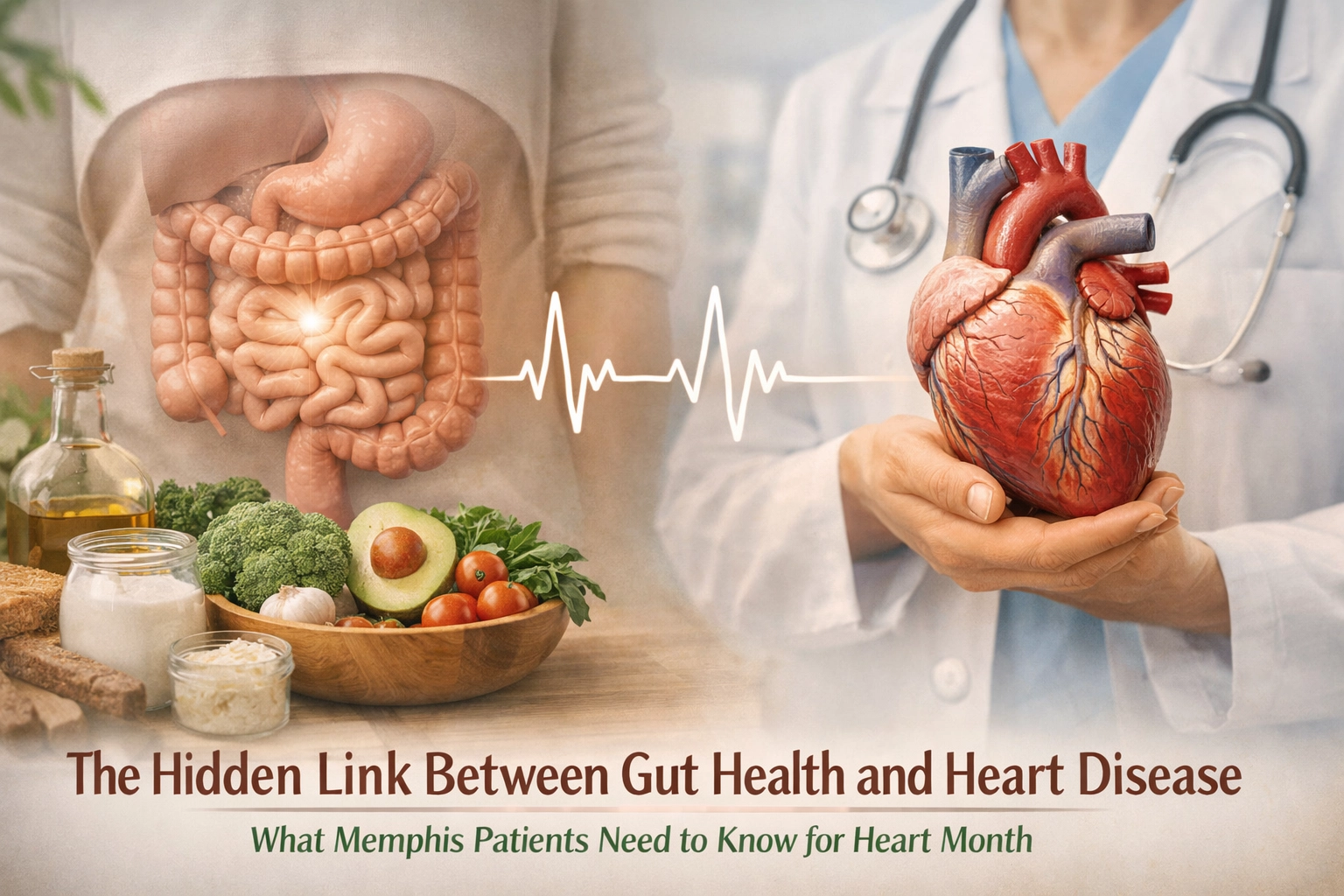
Your gut houses trillions of bacteria that do far more than digest food. These microorganisms produce compounds that directly influence inflammation, cholesterol metabolism, blood pressure regulation, and even the formation of arterial plaque.
Scientists call this relationship the gut-cardiac axis. When your gut bacteria fall out of balance: a condition called dysbiosis: the effects ripple throughout your entire cardiovascular system.
Here’s what happens: An unhealthy gut produces inflammatory molecules that travel through your bloodstream to your heart and blood vessels. This systemic inflammation damages the endothelial lining of your arteries, sets the stage for plaque formation, and increases your risk of heart attack, stroke, and heart failure.
Leaky Gut: The Gateway to Heart Disease
Intestinal permeability, commonly known as “leaky gut,” occurs when the tight junctions in your intestinal lining become compromised. Instead of acting as a selective barrier, your gut wall allows undigested food particles, bacterial fragments, and toxins to escape into your bloodstream.

One particularly harmful compound that slips through is lipopolysaccharide (LPS), a component of certain bacterial cell walls. When LPS enters circulation, it triggers a powerful immune response and widespread inflammation: exactly the kind that contributes to atherosclerotic plaque development.
Think of it this way: Your gut lining is supposed to be like a secure border checkpoint. When it becomes “leaky,” everything gets through: including the troublemakers that set off alarm bells in your cardiovascular system.
For our patients in Memphis and Germantown dealing with both digestive issues and cardiovascular concerns, healing the gut barrier is often the missing piece in their treatment plan.
TMAO: The Gut Metabolite Your Cardiologist Should Know About
When you eat red meat and certain other foods, specific gut bacteria break them down and produce a compound called trimethylamine (TMA). Your liver then converts this into trimethylamine N-oxide (TMAO): a metabolite strongly associated with increased heart disease risk.
High TMAO levels correlate with:
- Increased arterial plaque formation
- Higher risk of heart attack and stroke
- Elevated cardiovascular mortality
- Accelerated atherosclerosis
The amount of TMAO you produce depends largely on which bacteria dominate your gut. This explains why some people can eat red meat regularly with minimal cardiovascular impact while others develop significant problems: it’s all about the microbiome.
At The Fatigue Clinic, we can assess your gut health and recommend dietary modifications and targeted probiotic protocols to reduce TMAO production and protect your heart.
The Protective Power of Short-Chain Fatty Acids
Not all gut metabolites damage your heart: some actively protect it. When beneficial bacteria ferment dietary fiber, they produce short-chain fatty acids (SCFAs), particularly butyrate, acetate, and propionate.
These compounds:
- Reduce systemic inflammation
- Help regulate blood pressure
- Improve lipid metabolism
- Strengthen the gut barrier
- Support healthy cholesterol levels
Research shows that people with coronary artery disease have dramatically fewer protective bacteria like Faecalibacterium prausnitzii: one of the primary butyrate producers. Restoring these beneficial organisms through targeted functional medicine protocols can shift the entire cardiovascular picture.
The prescription is simple: Eat more fiber-rich vegetables, fruits, and whole grains. Feed the good bacteria so they can feed you the protective compounds your heart needs.
Inflammation: The Common Thread
Chronic inflammation is the underlying mechanism connecting gut dysfunction to heart disease. When your gut microbiome is imbalanced, your immune system cranks out pro-inflammatory cytokines that circulate throughout your body.
These inflammatory molecules:
- Damage blood vessel linings (endothelial dysfunction)
- Promote plaque formation in arteries
- Destabilize existing plaques, making them more likely to rupture
- Contribute to heart rhythm disorders
- Accelerate heart failure progression
This isn’t theoretical. Studies on patients with atrial fibrillation (AFib) show distinctly different gut bacteria composition compared to people with normal heart rhythms. The implication is clear: gut health influences electrical stability in the heart itself.
For our patients throughout the Memphis area, addressing inflammation at its gut-based source often produces improvements in cardiovascular markers that conventional treatments alone couldn’t achieve.
Our Gut-Healing Protocols for Heart Health
At The Fatigue Clinic in Collierville, we take a comprehensive functional medicine approach to healing the gut and protecting the heart simultaneously.
Our protocols typically include:
Comprehensive Stool Testing – We identify exactly which bacteria are present, which are missing, and which inflammatory markers are elevated. No guessing.
Targeted Probiotic Therapy – Not all probiotics are created equal. We prescribe specific strains proven to reduce inflammation and improve cardiovascular markers.
Gut Barrier Repair – Using compounds like L-glutamine, zinc carnosine, and collagen peptides, we rebuild the intestinal lining to prevent leaky gut.
Anti-Inflammatory Nutrition Plans – We design personalized eating strategies that starve harmful bacteria while feeding beneficial ones. Think Mediterranean diet principles customized to your specific gut test results.
IV Nutritional Therapy – For patients needing faster intervention, our IV infusions deliver anti-inflammatory nutrients directly to your bloodstream, bypassing digestive absorption issues.
Stress Management Support – Chronic stress devastates both gut health and heart health. We incorporate practical techniques to break this cycle.
The goal isn’t just symptom relief: it’s restoring the gut-cardiac axis to its optimal functioning state.
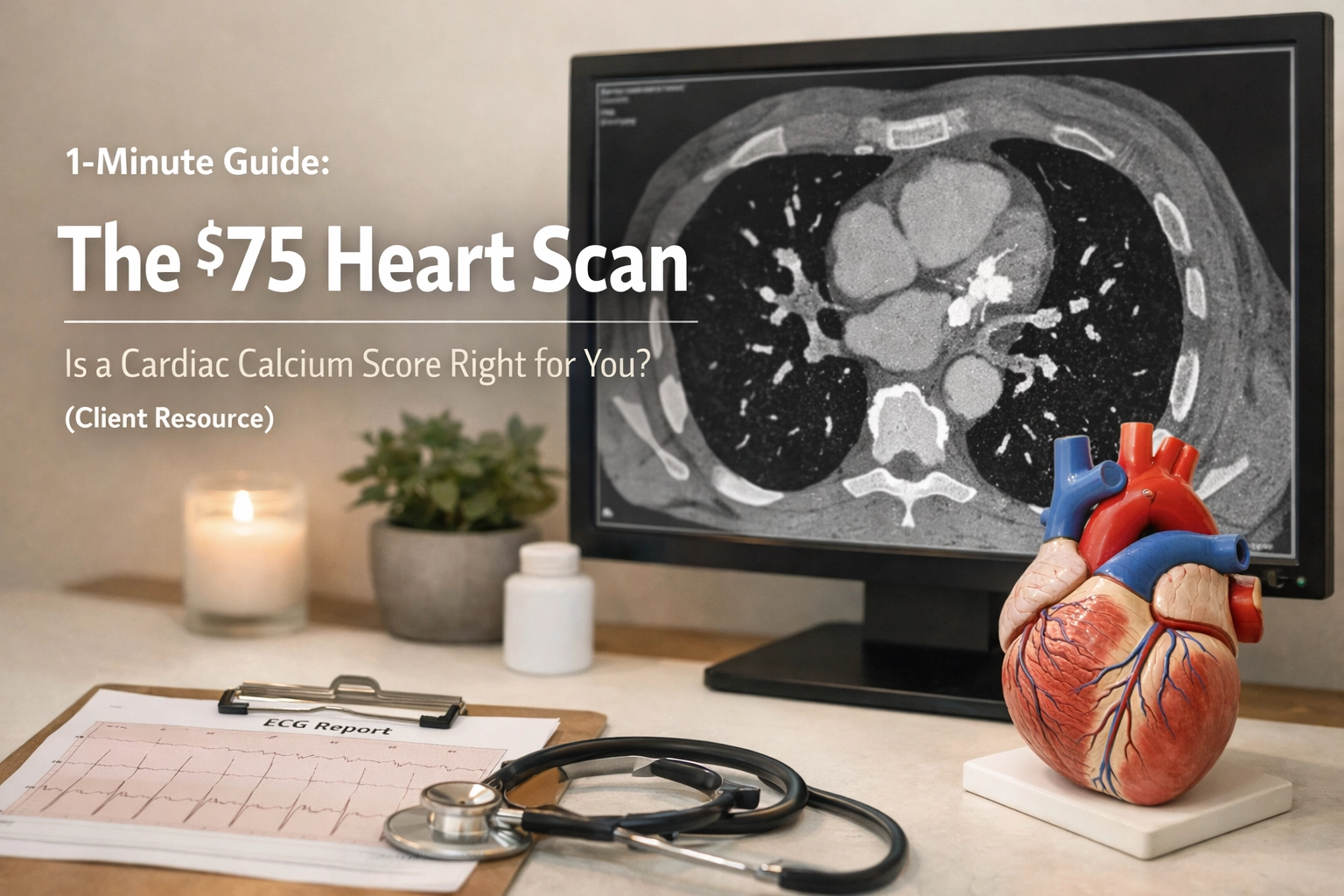
Special February Heart Month Offer: $75 Cardiac Calcium Score
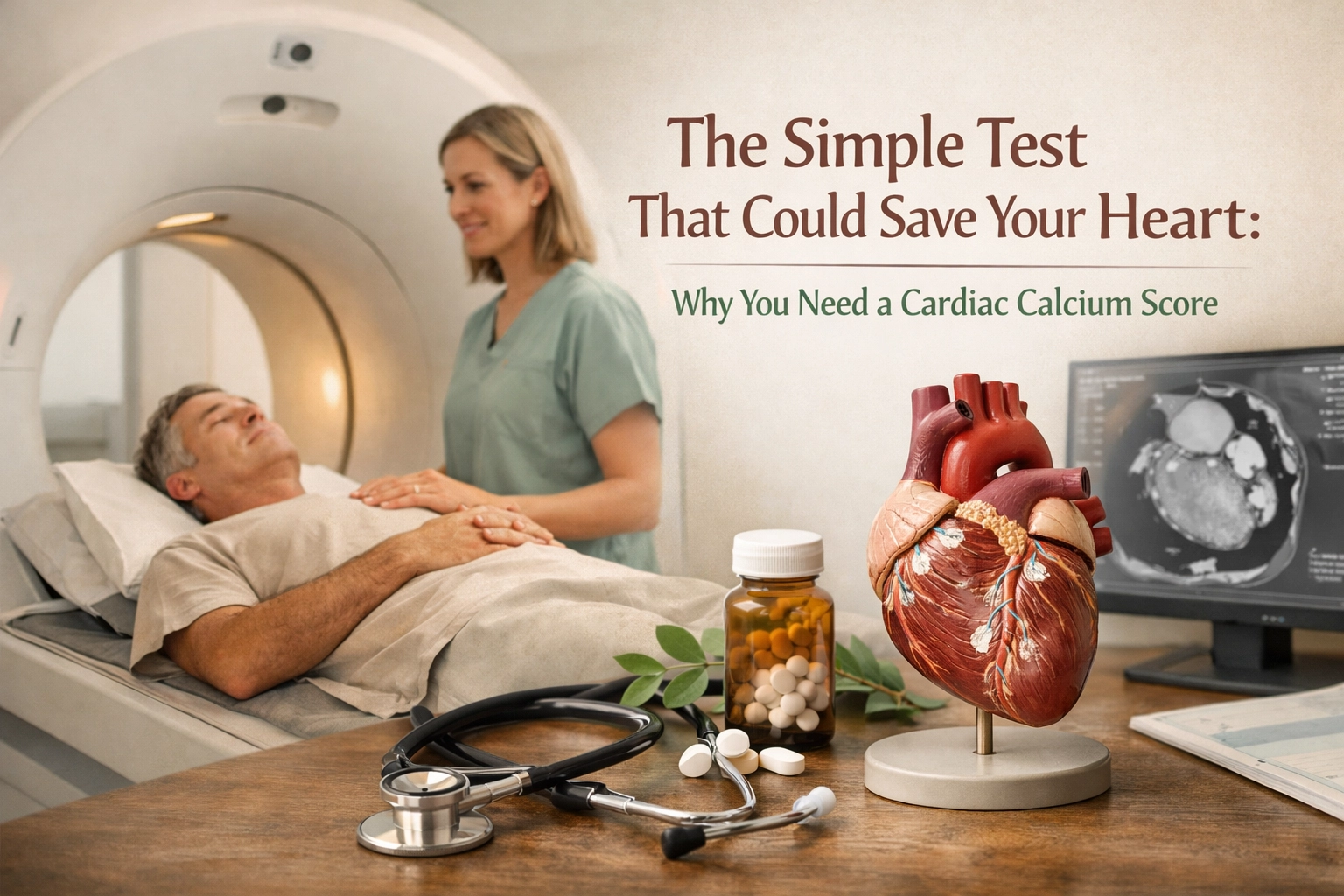
Want to know your actual cardiovascular risk beyond basic cholesterol numbers? A Cardiac Calcium Score is a specialized CT scan that detects calcium deposits in your coronary arteries: the earliest measurable sign of atherosclerosis.
This month only, we’re offering this advanced screening for just $75 (regular price $150).
Why get a Calcium Score?
- Detects heart disease years before symptoms appear
- More predictive than standard cholesterol tests
- Helps determine if you need more aggressive prevention
- Provides a baseline to track improvement
If you’re over 40 with risk factors, or if you have gut issues and want to know how they might be affecting your heart, this is the most valuable $75 you can spend on your cardiovascular health.
Call 901-221-8621 to schedule your Cardiac Calcium Score before February ends. Our team serves patients throughout Germantown, Memphis, Arlington, and surrounding areas.
The Bottom Line for Memphis Patients
Your gut health and heart health are inseparable. Conventional cardiology focuses on managing cholesterol and blood pressure after problems develop, but functional medicine addresses the root cause: often hiding in your digestive system.
Healing your gut can:
- Reduce systemic inflammation
- Lower TMAO production
- Increase protective SCFA levels
- Strengthen your gut barrier
- Improve cholesterol metabolism
- Support healthy blood pressure
- Reduce cardiovascular disease risk
At The Fatigue Clinic, we don’t just treat symptoms. We investigate the underlying mechanisms driving your health concerns and create targeted protocols to restore optimal function.
If you’re dealing with digestive issues, cardiovascular concerns, or both, there’s a good chance they’re connected. Schedule a consultation by calling 901-221-8621 or visit our contact page.
This Heart Month, give your heart what it really needs: a healthy gut to support it.